Prishtina, 24 August 2026
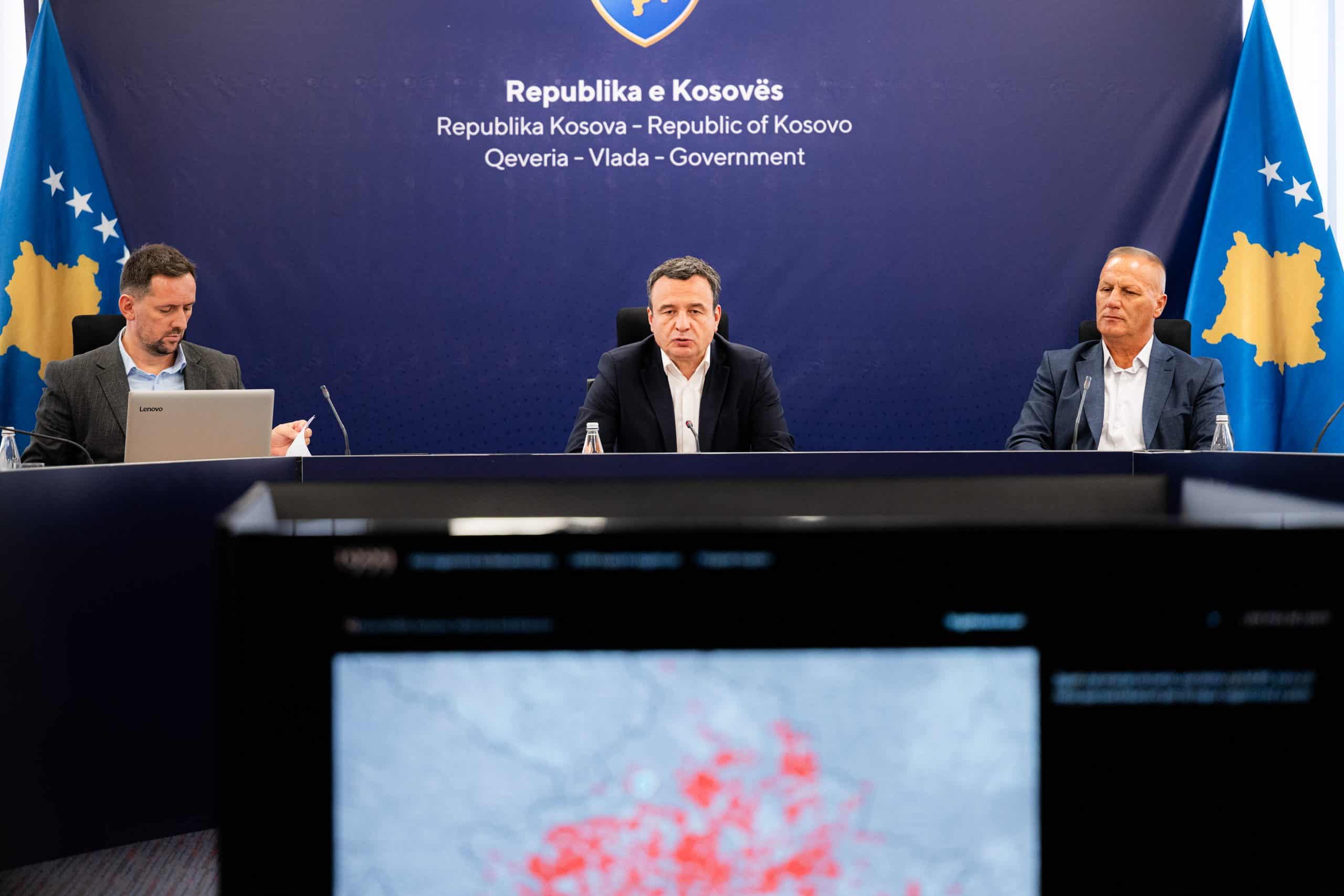
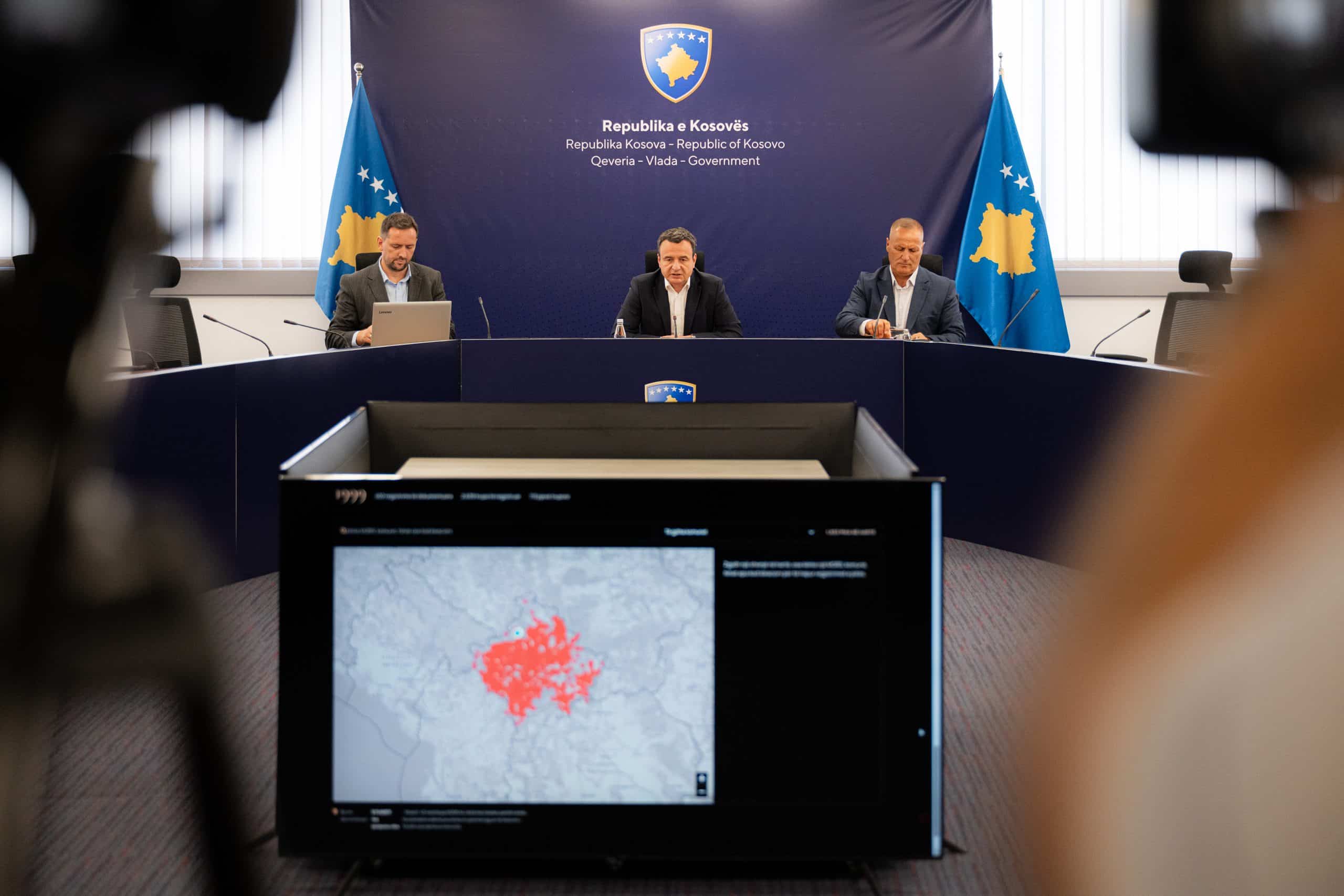
Acting Prime Minister of the Republic of Kosovo Albin Kurti attended the presentation of the summary report of the Government Commission on Missing Persons on the four-week excavations carried out in the Municipality of Zubin Potok.
On this occasion, Prime Minister Kurti said that the excavations at three locations resulted in the discovery and exhumation of human remains believed to belong to at least 23 individuals, who are suspected to have been victims of enforced disappearance during the last war in Kosovo.
Although the number corresponds to what is known as the “Group of Intellectuals,” Prime Minister Kurti said that “the identification process as a whole may take several more months, and only then will we be able to say with full certainty who these individuals are and, together with their families, give them a dignified farewell and a grave bearing their first and last names.”
Describing the long wait and the anguish experienced by the families of persons forcibly disappeared as indescribably painful, the Prime Minister stressed that hundreds of families are seeking to learn the fate of their loved ones, but are also seeking justice.
“Both, learning the fate of their loved ones and justice, have been denied and continue to be denied by Serbia, which, by concealing and refusing to acknowledge the crimes, as well as by refusing to open its archives and classifying them, seeks to distort the truth and evade responsibility. And it does not stop there: Serbia also arrests and persecutes the few Serbs who have dared to testify before international institutions,” he said.
Prime Minister Kurti reiterated his call for the international community to increase pressure on our northern neighbour to implement the Declaration on Missing Persons adopted in Brussels on 2 May 2023, by opening and making available state archives that could help establish the fate of missing persons.
“I must reiterate the call for the opening of the archives of the 37th Motorized Brigade of the Yugoslav Army, which carried out massacres, particularly in Drenica but also throughout Kosovo, and whose records were classified for 30 years 12 years ago. This means that they will remain classified for another 18 years. Families who have been waiting for 27 and 28 years cannot be condemned to another 18 years of waiting, anguish and pain. Therefore, international pressure is vital in this process.
The archived and classified records of the 37th Motorized Brigade of the Yugoslav Army must be opened by the state of Serbia now, that is, this year, in 2026, and not in 2044,” the Prime Minister stressed.
Full Speech by Acting Prime Minister Kurti
Dear representatives of the media,
Dear citizens,
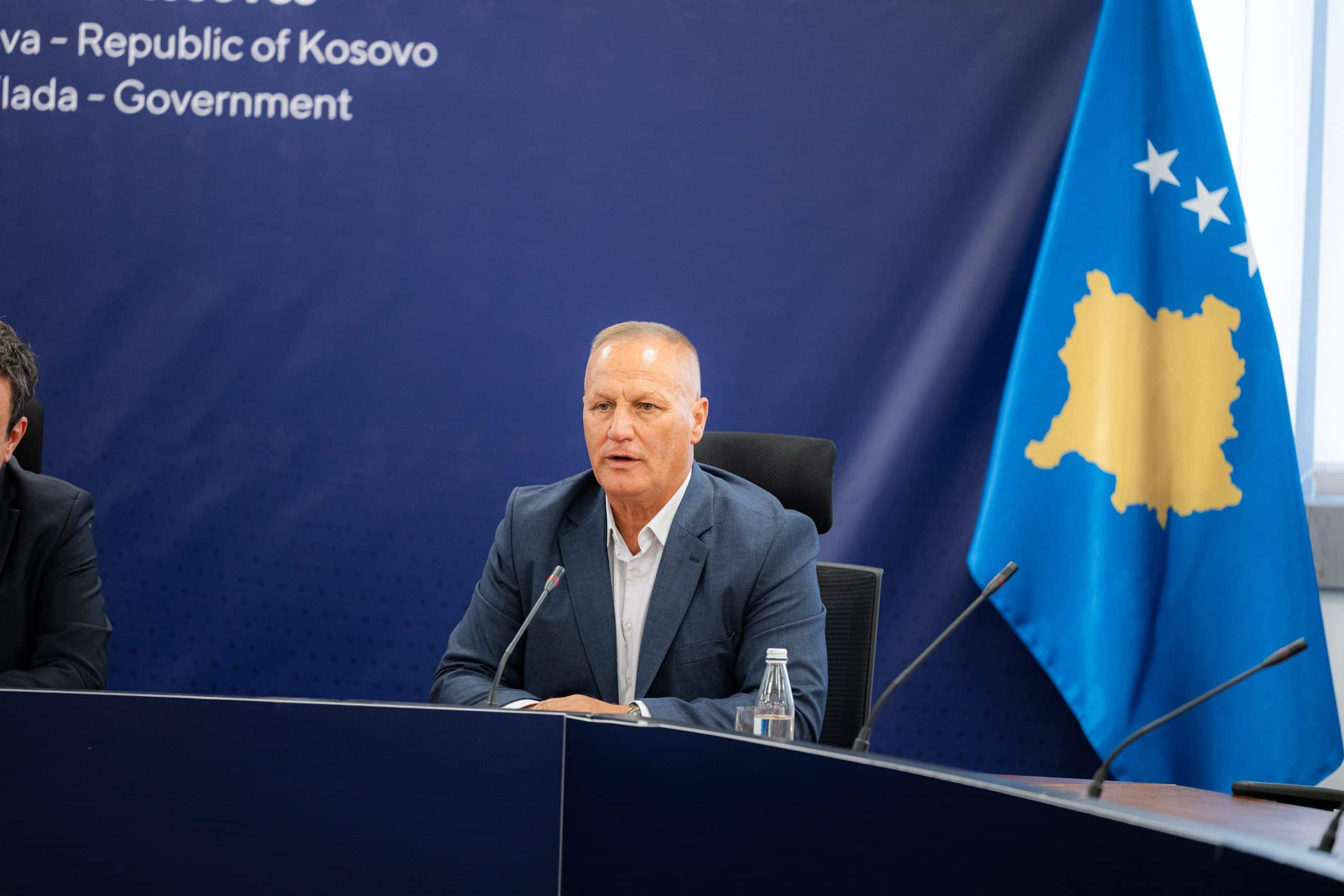
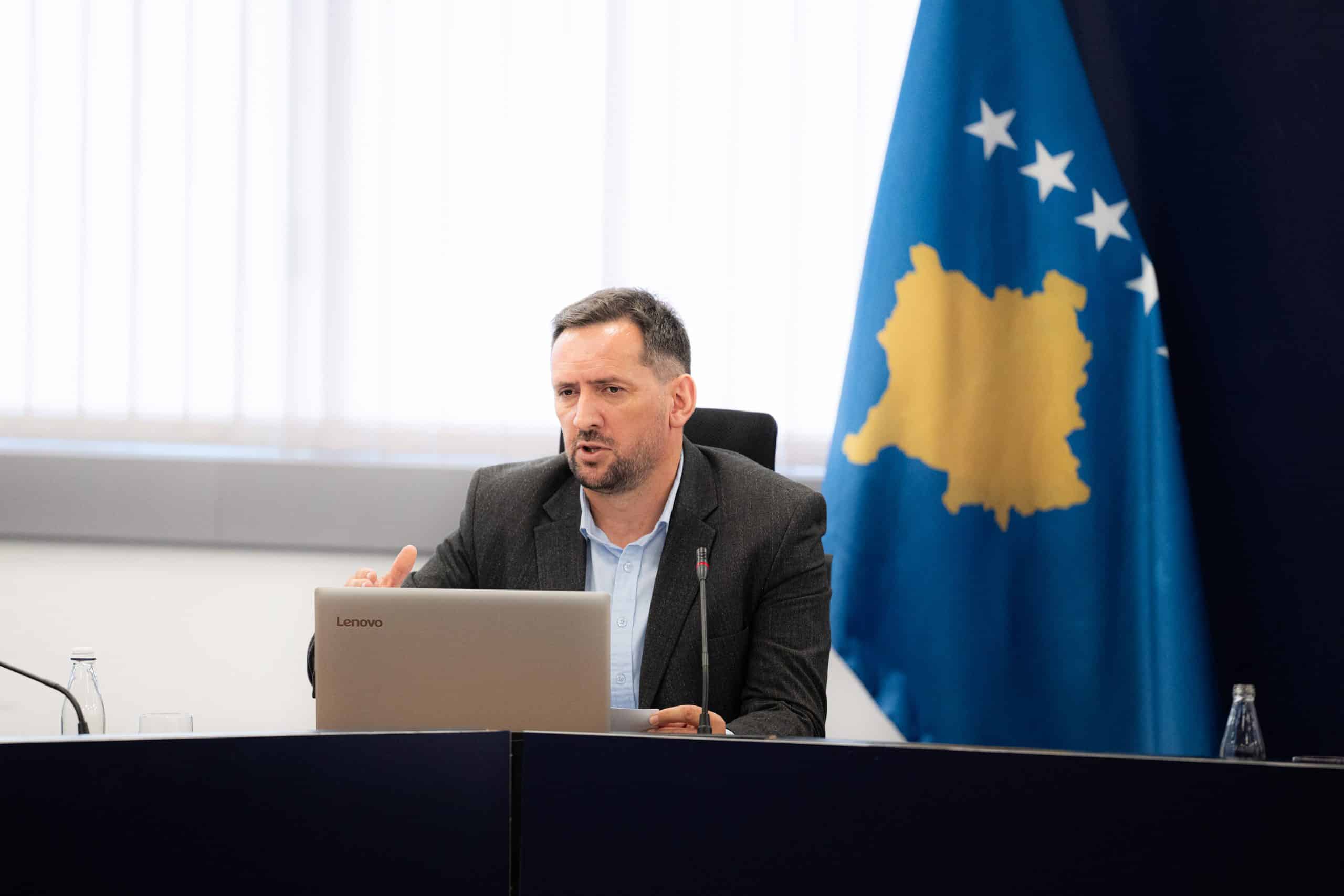
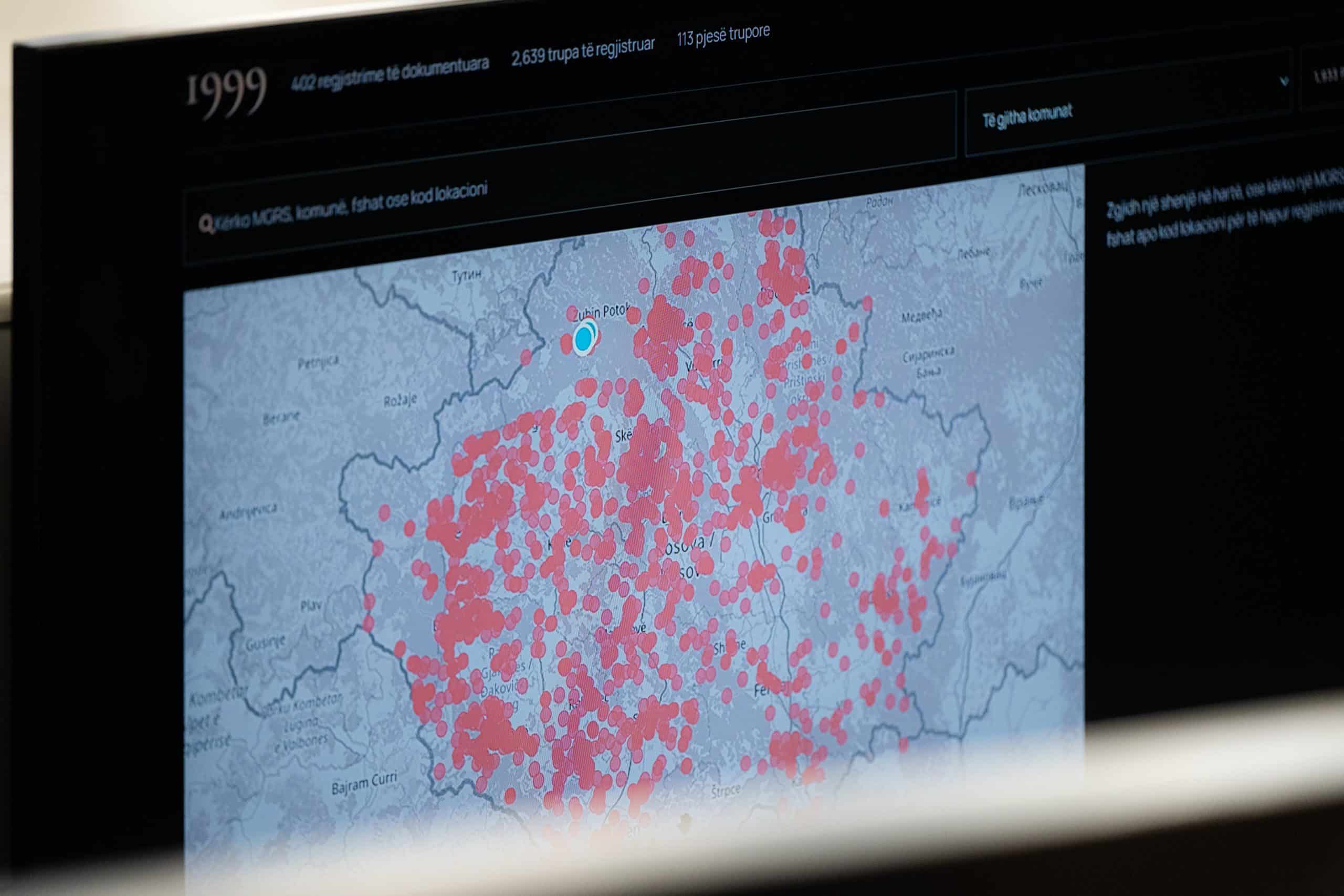
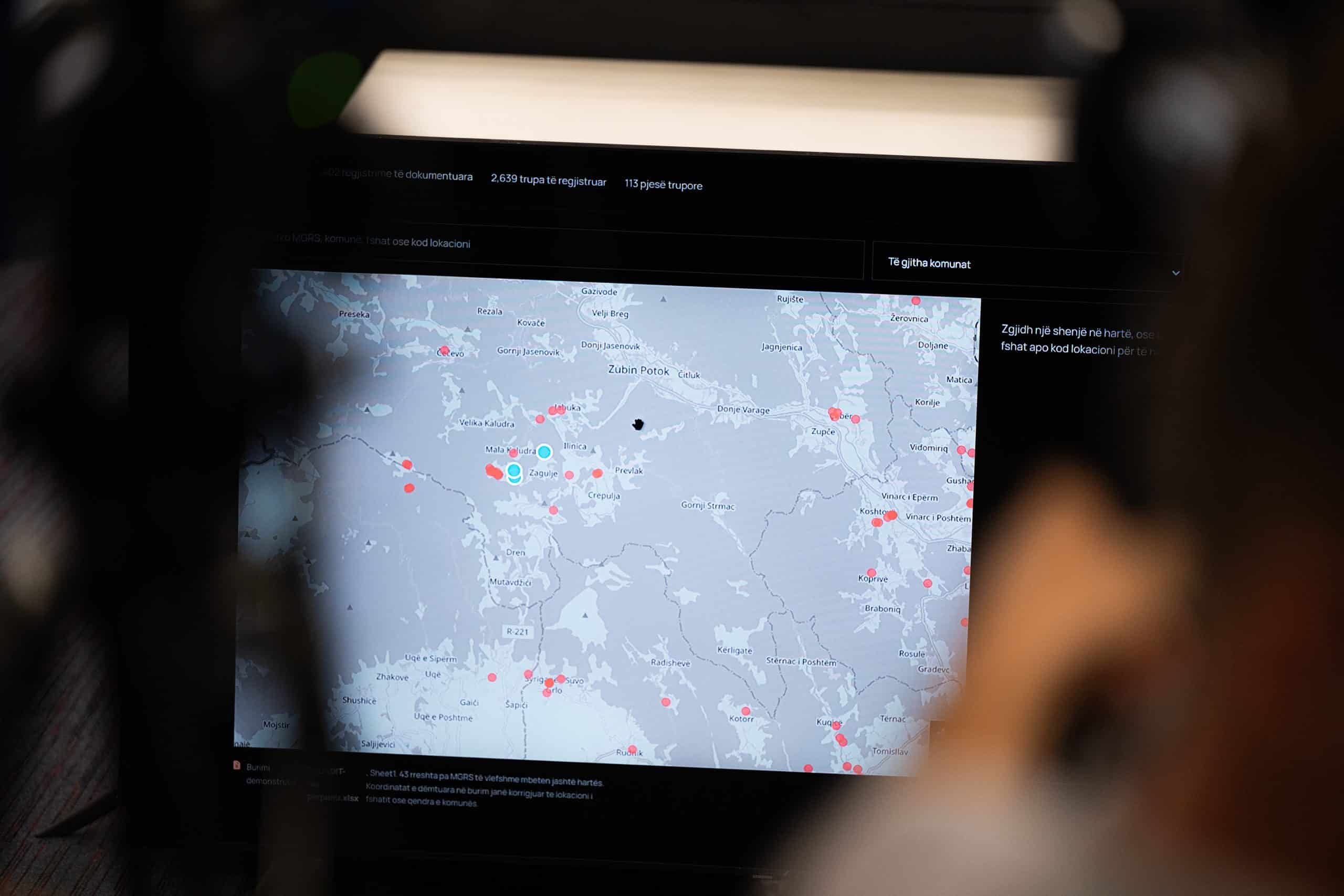
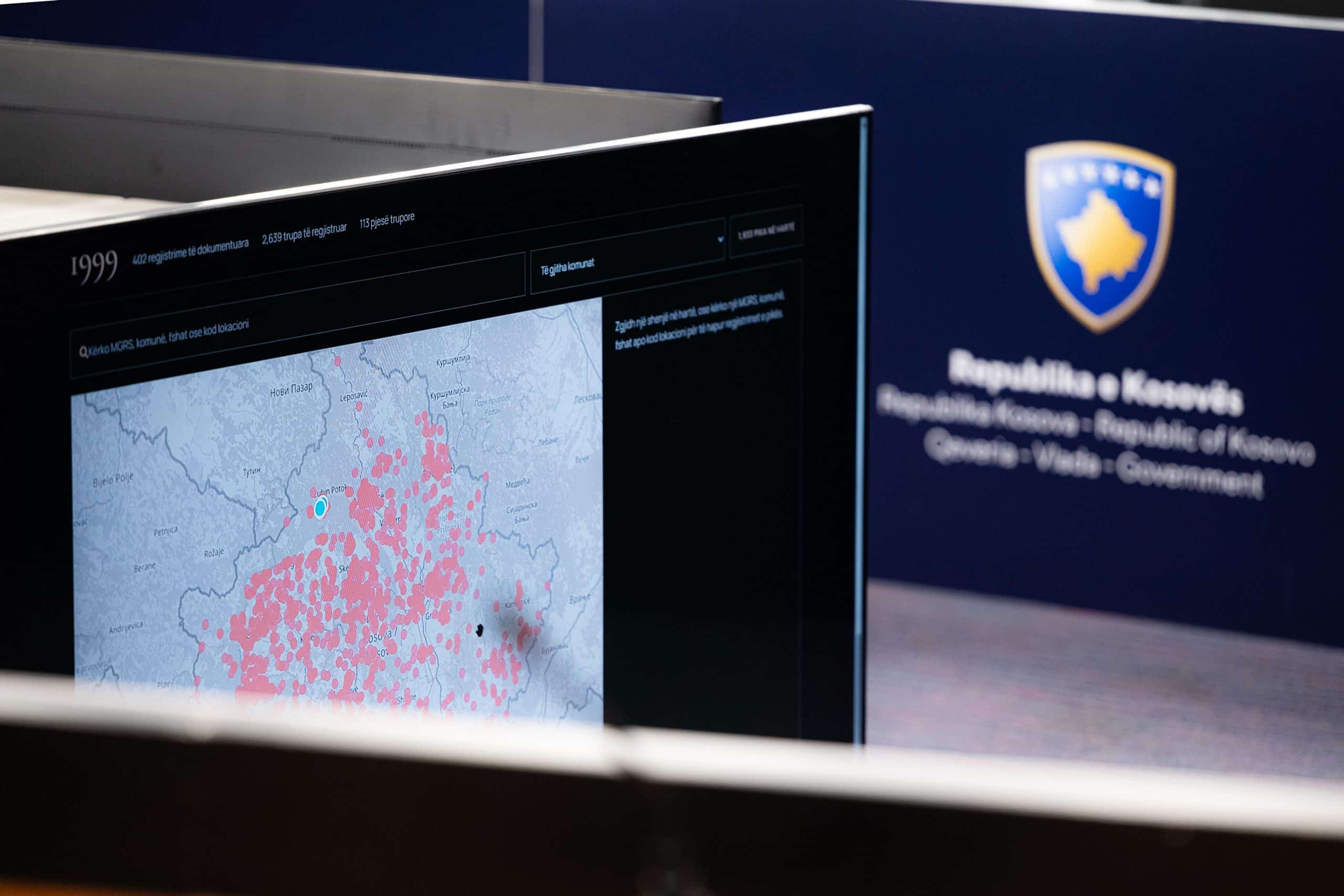
We are here together with the Chair of the Government Commission on Missing Persons, Agron Limani, and the Head of the Unit within the Commission, Kushtrim Gara, to present the summary report on the excavations at three locations in the villages of Kalludër and Jabukë, in the Municipality of Zubin Potok.
The four-week excavations resulted in the discovery and exhumation of human remains believed to belong to at least 23 individuals, who are suspected to have been victims of enforced disappearance during the last war in Kosovo.
At the first location, in the mass grave between Kalludër e Madhe and Kalludër e Vogël, according to expert assessments, the human remains found and exhumed are believed to belong to at least 13 individuals. At the mass grave in Jabukë, namely the second location, human remains believed to belong to at least four individuals were found and exhumed. At the third location, namely another mass grave in Kalludër, human remains belonging to at least six individuals were found and exhumed.
We have now entered another phase, that of identification, as samples of the remains believed to belong to four individuals found in the village of Jabukë have already been collected and sent for DNA analysis. For the others, the preliminary examination process is continuing at the Institute of Forensic Medicine.
Meanwhile, the Ministry of Internal Affairs, together with the Kosovo Police, presented a large quantity of weapons found between these locations last Thursday. These weapons have likewise been sent for examination and analysis to determine their potential connection to the crimes and massacres at these three locations.
Dear citizens,
The number 23 corresponds to what is known as the “Group of Intellectuals,” who, on 19 April 1999, were detained, abducted and executed by the Serbian enemy forces, which attempted to conceal and erase the traces of this genocidal crime.
However, the identification process as a whole may take several more months, and only then will we be able to say with full certainty who these individuals are and, together with their families, give them a dignified farewell and a grave bearing their first and last names.
The long wait and the anguish experienced by the families of persons forcibly disappeared are indescribably painful. Every excavation and every piece of information concerning a possible missing person. Every location and every name. Hundreds of families are seeking to learn the fate of their loved ones, but they are also seeking justice.
Both, learning the fate of their loved ones and justice, have been denied and continue to be denied by Serbia, which, by concealing and refusing to acknowledge the crimes, as well as by refusing to open its archives and classifying them, seeks to distort the truth and evade responsibility. And it does not stop there: Serbia also arrests and persecutes the few Serbs who have dared to testify before international institutions.
Therefore, now more than ever, in moments such as this, the international community must increase pressure on our northern neighbour to implement the Declaration on Missing Persons adopted in Brussels on 2 May 2023, by opening and making available state archives that could help establish the fate of missing persons.
I must reiterate the call for the opening of the archives of the 37th Motorized Brigade of the Yugoslav Army, which carried out massacres, particularly in Drenica but also throughout Kosovo, and whose records were classified for 30 years 12 years ago. This means that they will remain classified for another 18 years.
Families who have been waiting for 27 and 28 years cannot be condemned to another 18 years of waiting, anguish and pain. Therefore, international pressure is vital in this process.
The archived and classified records of the 37th Motorized Brigade of the Yugoslav Army must be opened by the state of Serbia now, that is, this year, in 2026, and not in 2044.
Dear attendees,
Dear citizens,
From the Commission’s detailed presentation, we will see that excavations in the north of the country have been few and carried out under difficult circumstances, often hastily due to security concerns. This demonstrates that combating criminal gangs and extending law and order to this part of our country have been prerequisites for investigations, searches and excavations to succeed and to be carried out without obstruction.
Alongside the Commission, I would like to thank the Missing Persons Sector within the Directorate for the Investigation of War Crimes and other relevant units of the Kosovo Police, which for a long time and intensively investigated and researched these locations.
I also express my gratitude to the Kosovo Intelligence Agency and to our security and justice institutions in general. I would also like to thank the teams of the Institute of Forensic Medicine (IFM) and the EULEX forensic teams engaged within the IFM.
Thank you for your attention. I will now give the floor to the Chair of the Commission, Agron Limani, before we proceed to the detailed presentation by Kushtrim Gara.