Prishtina, 31 August 2026
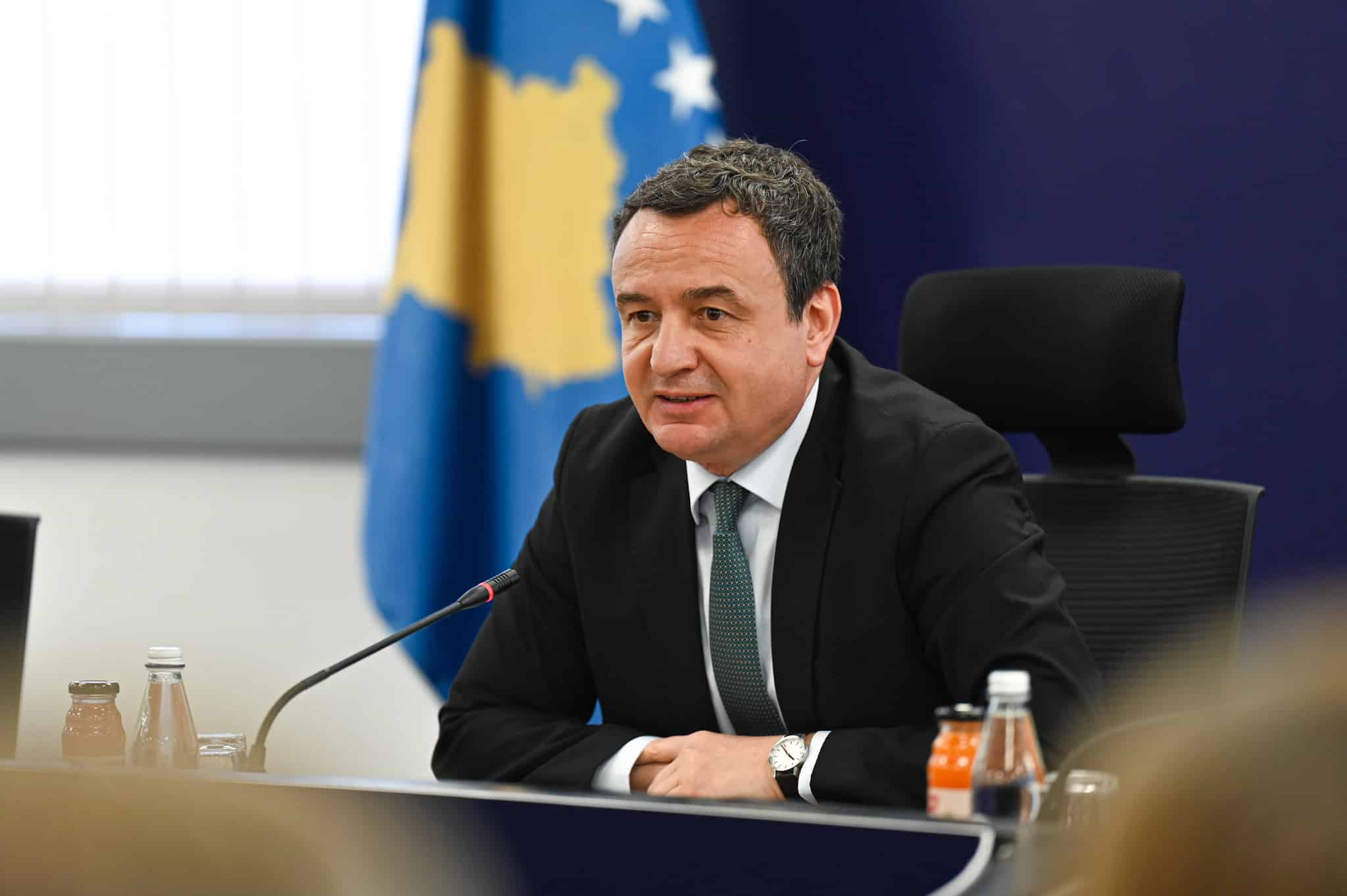
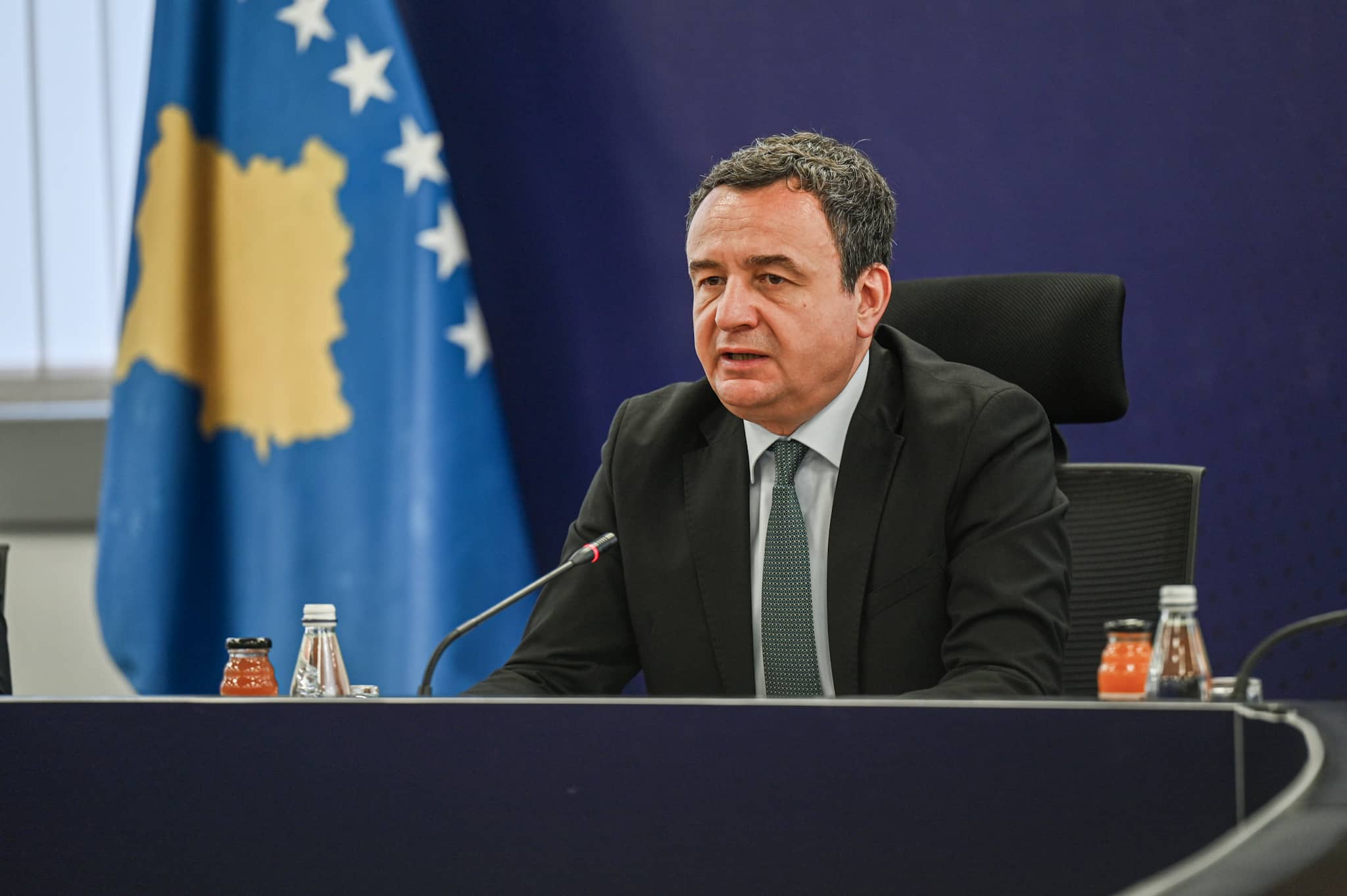
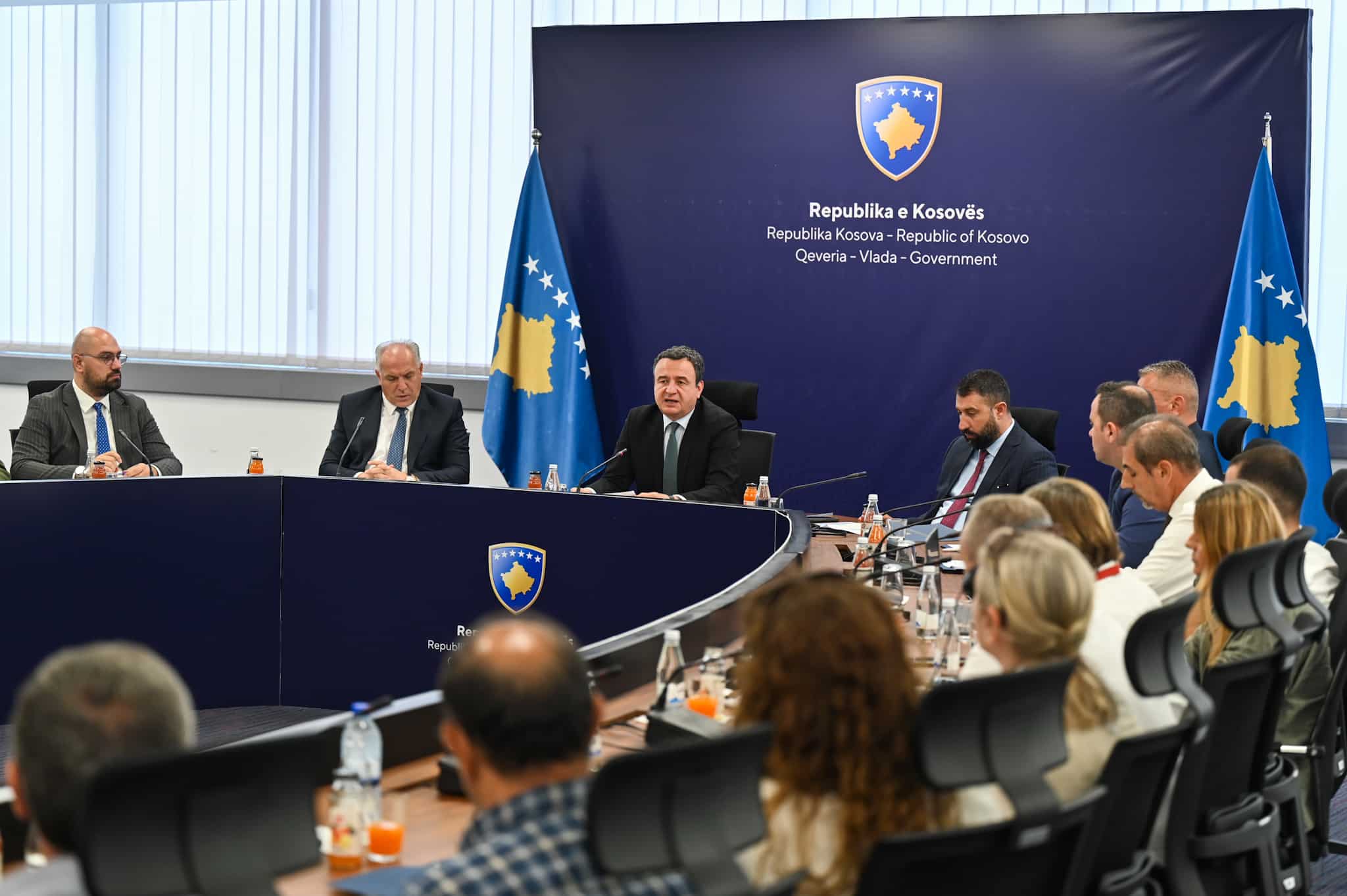
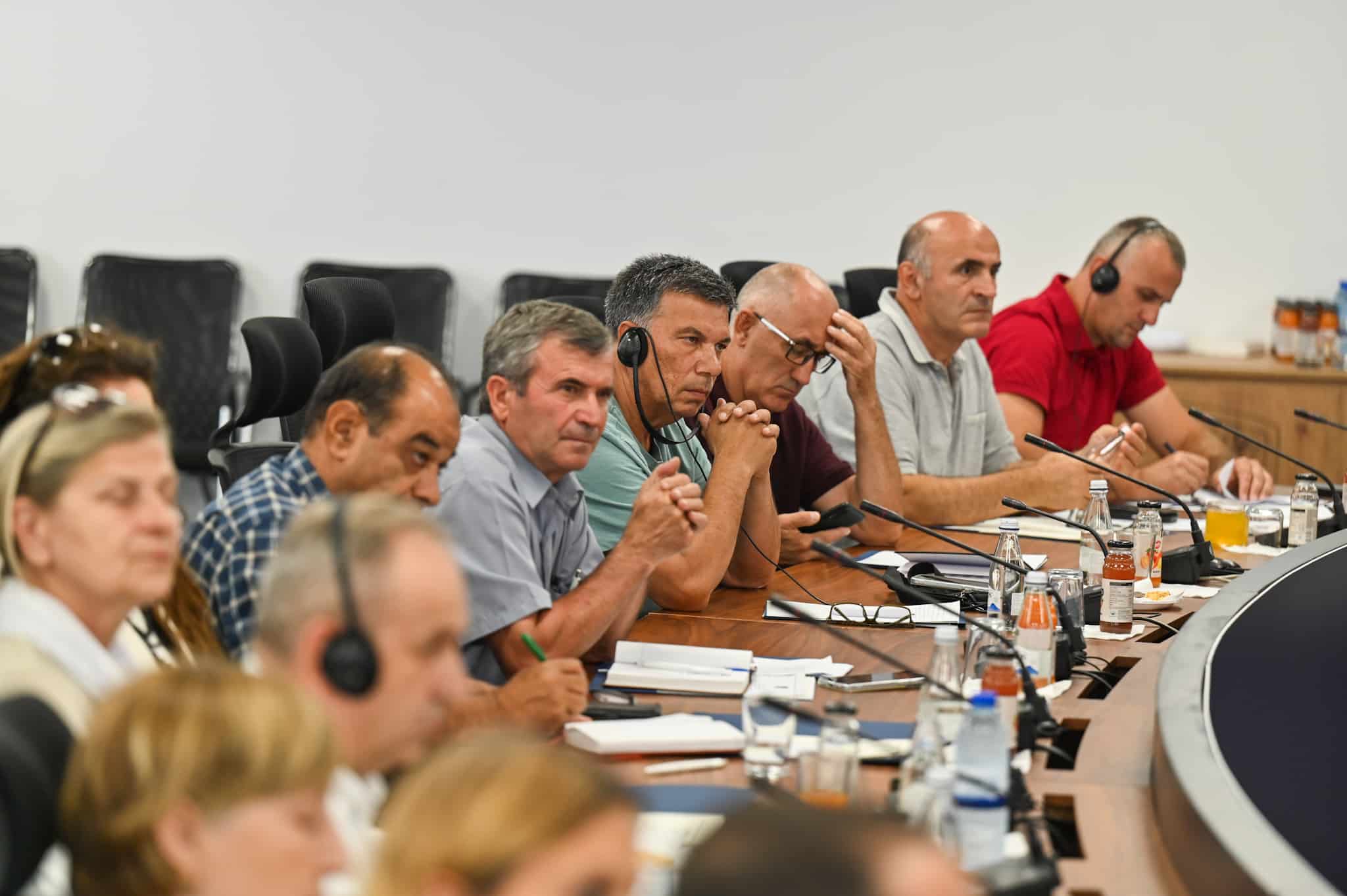
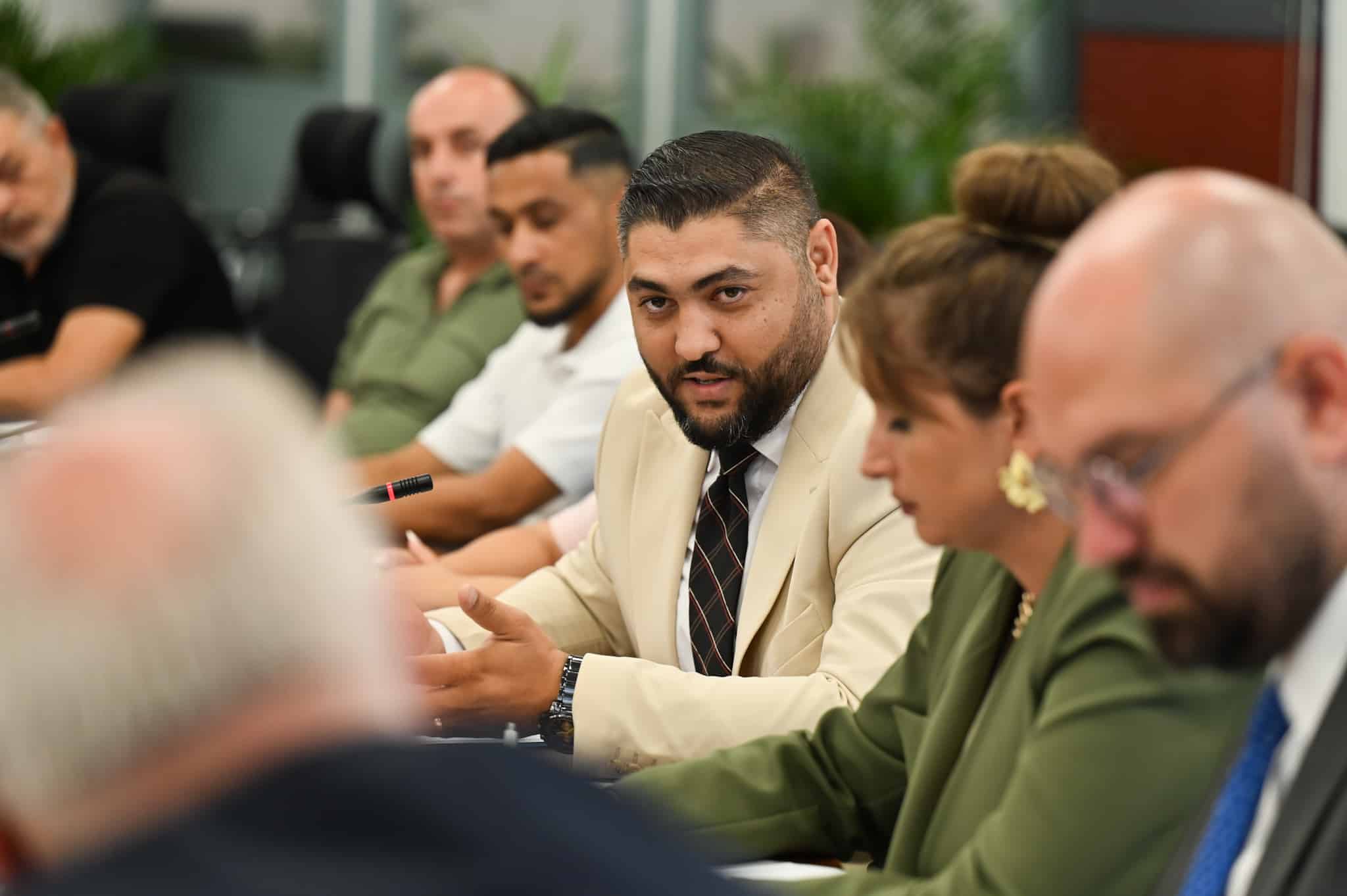
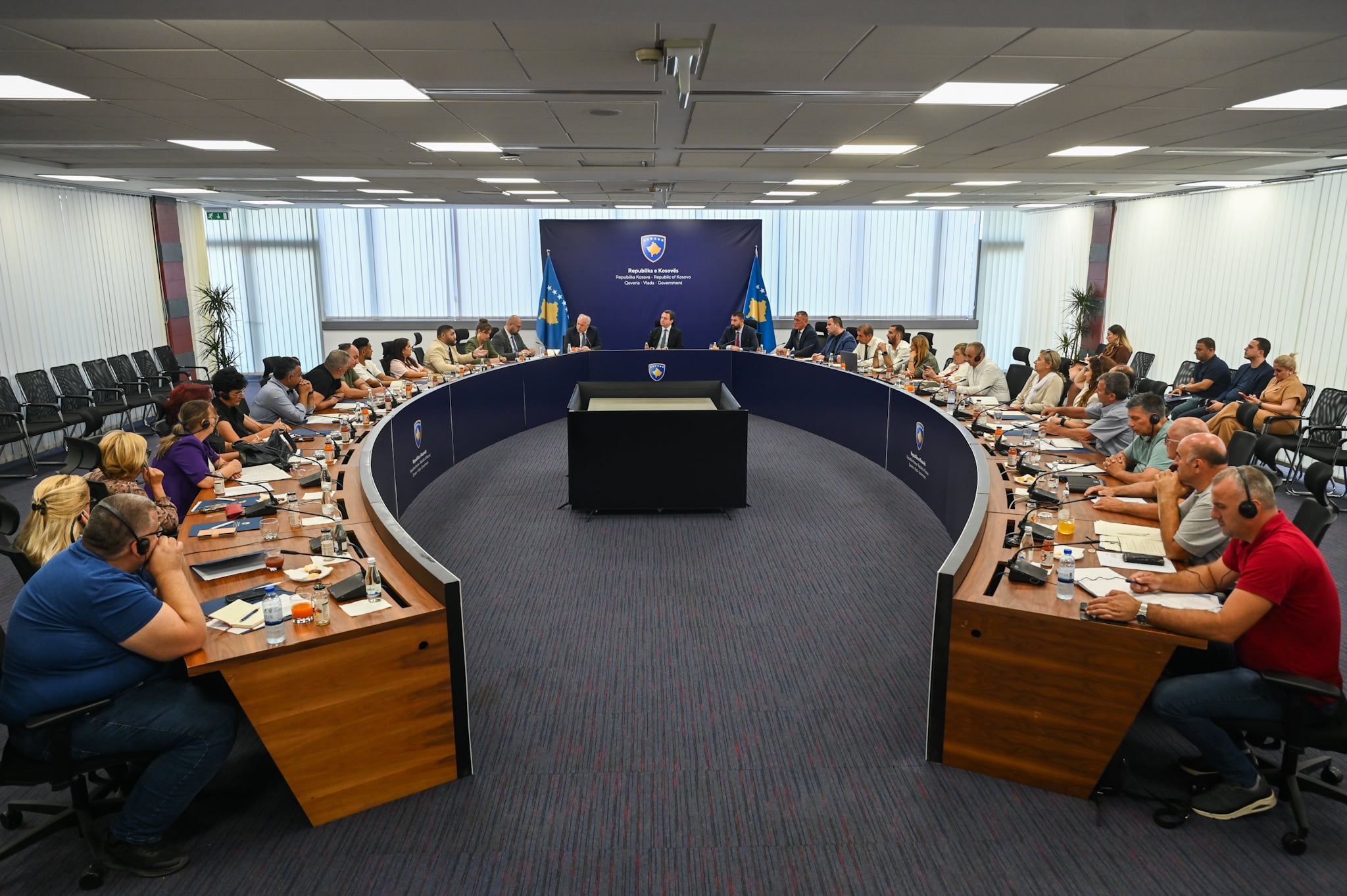
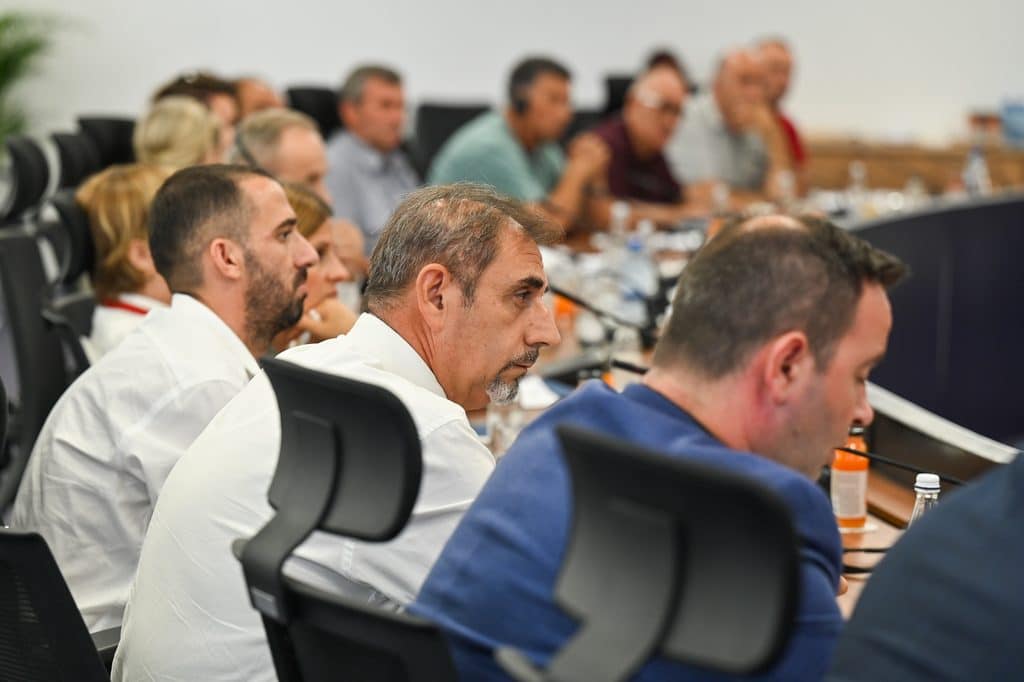
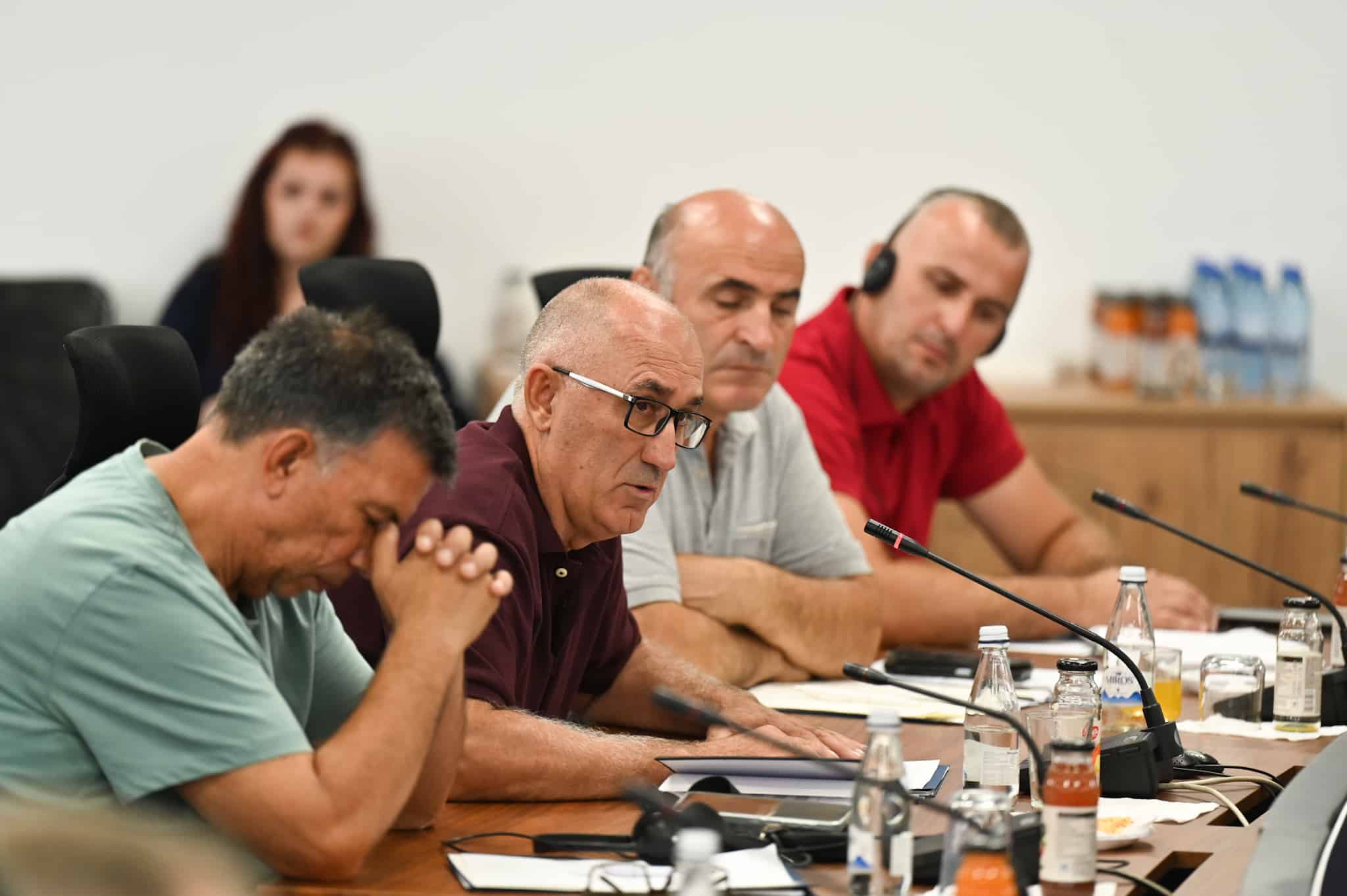
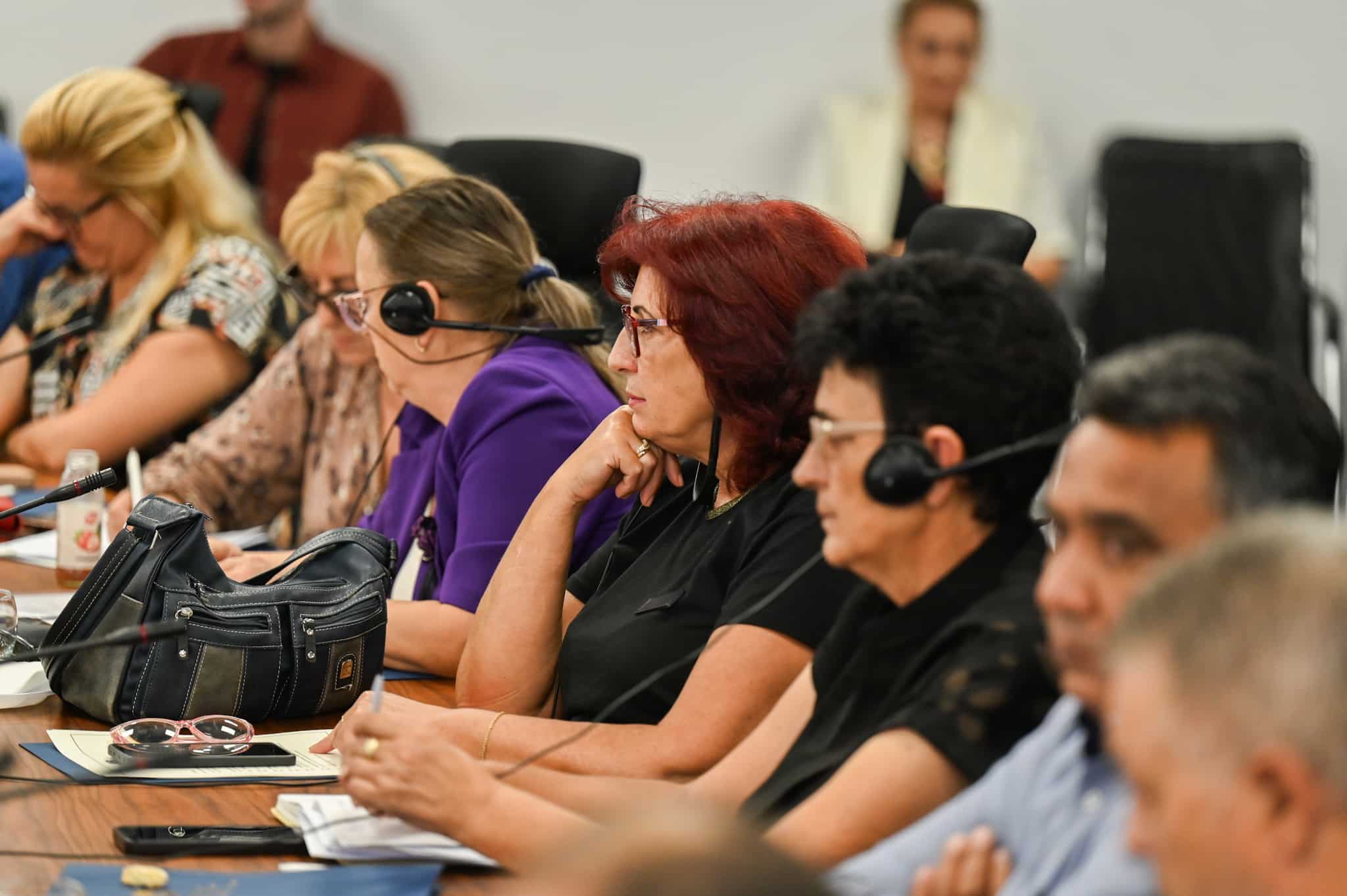
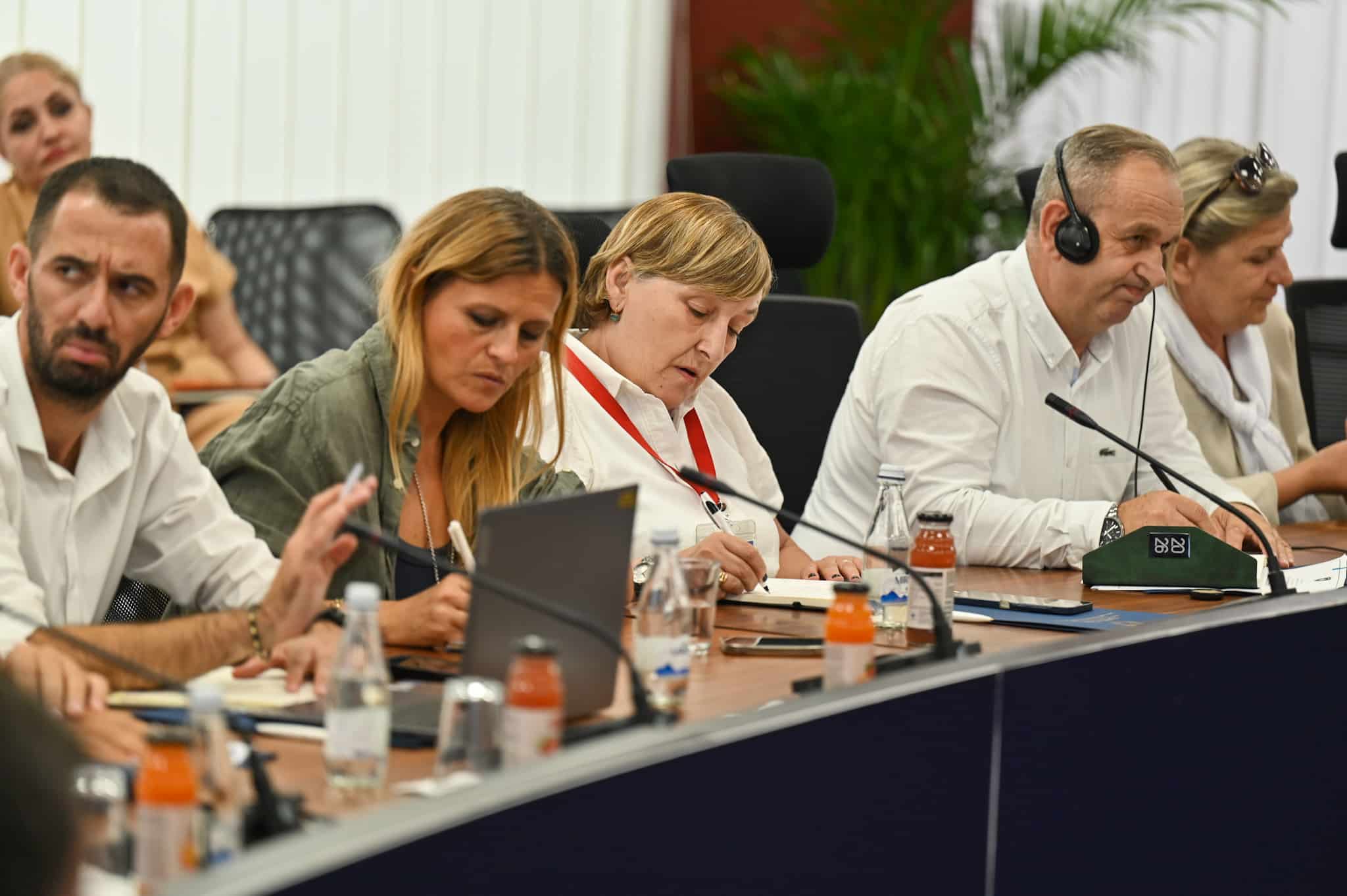
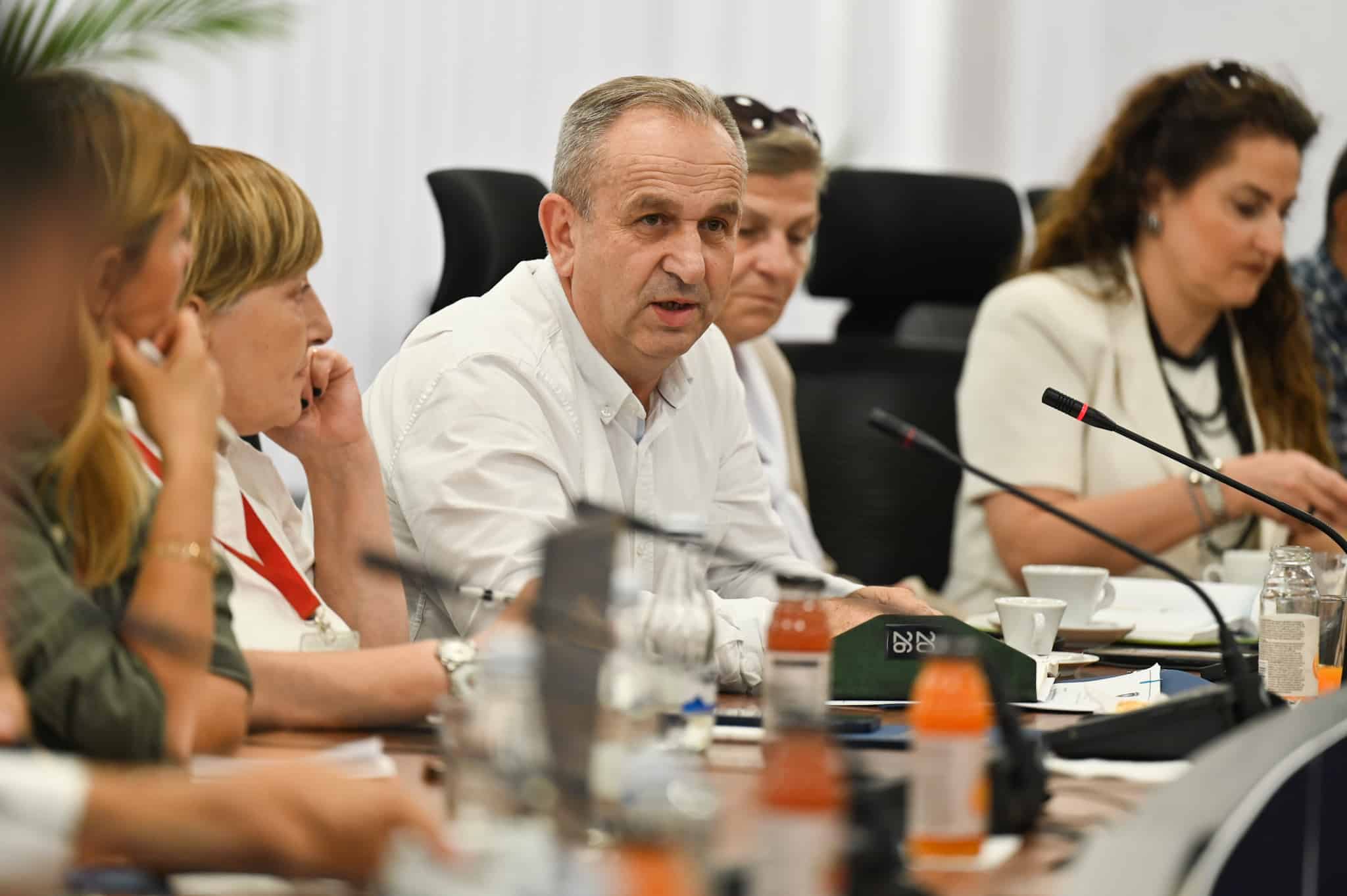
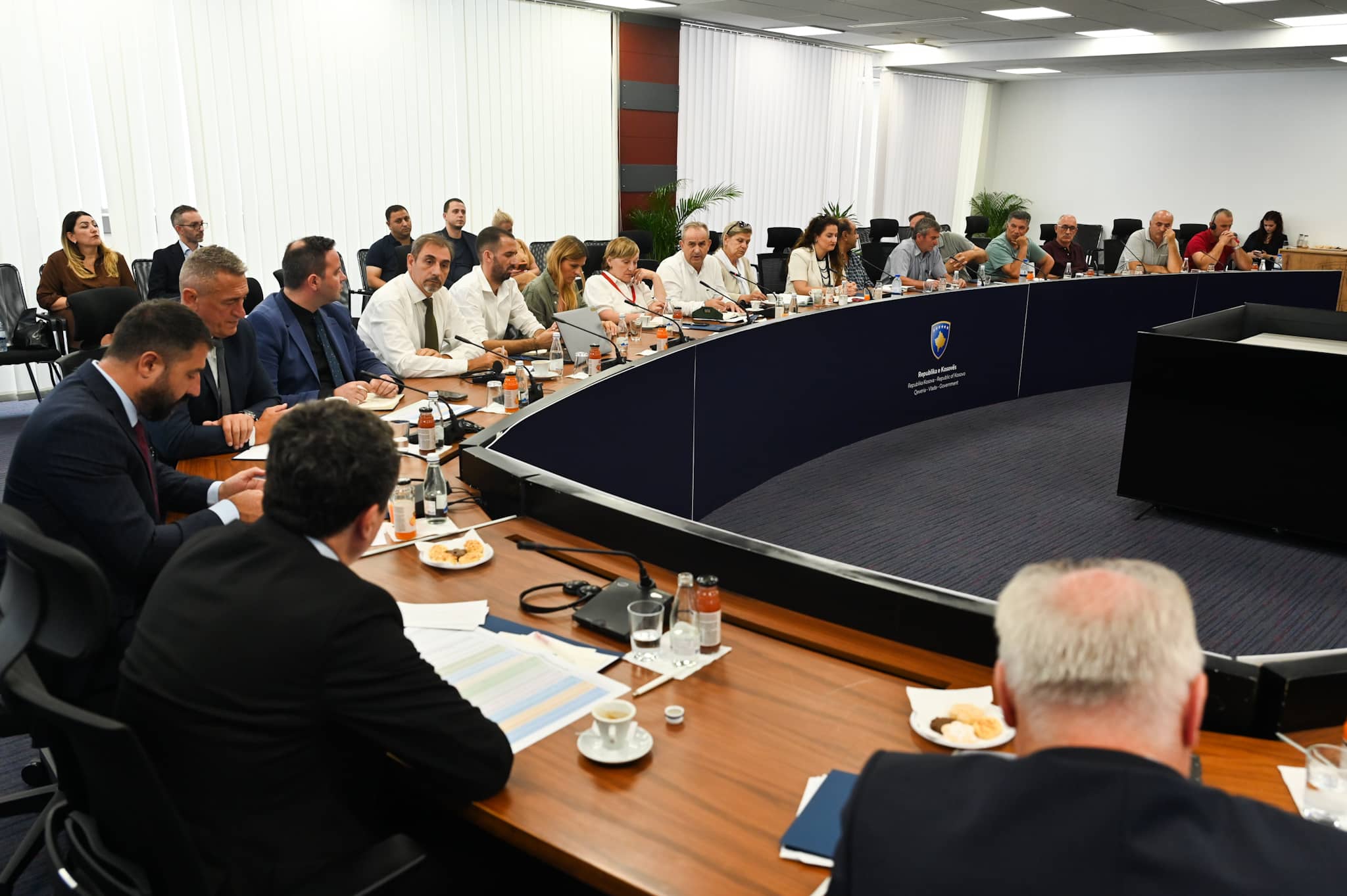
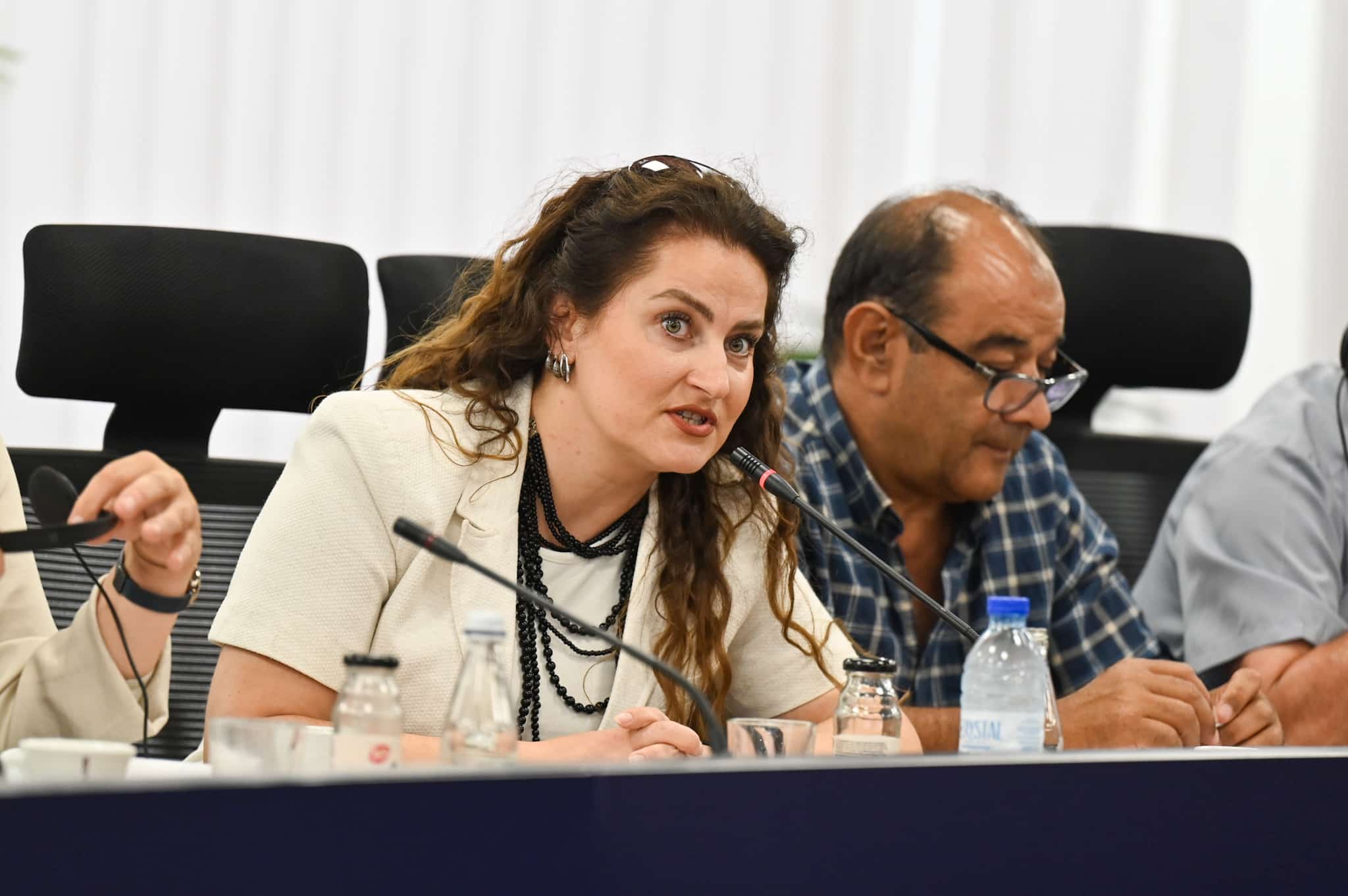
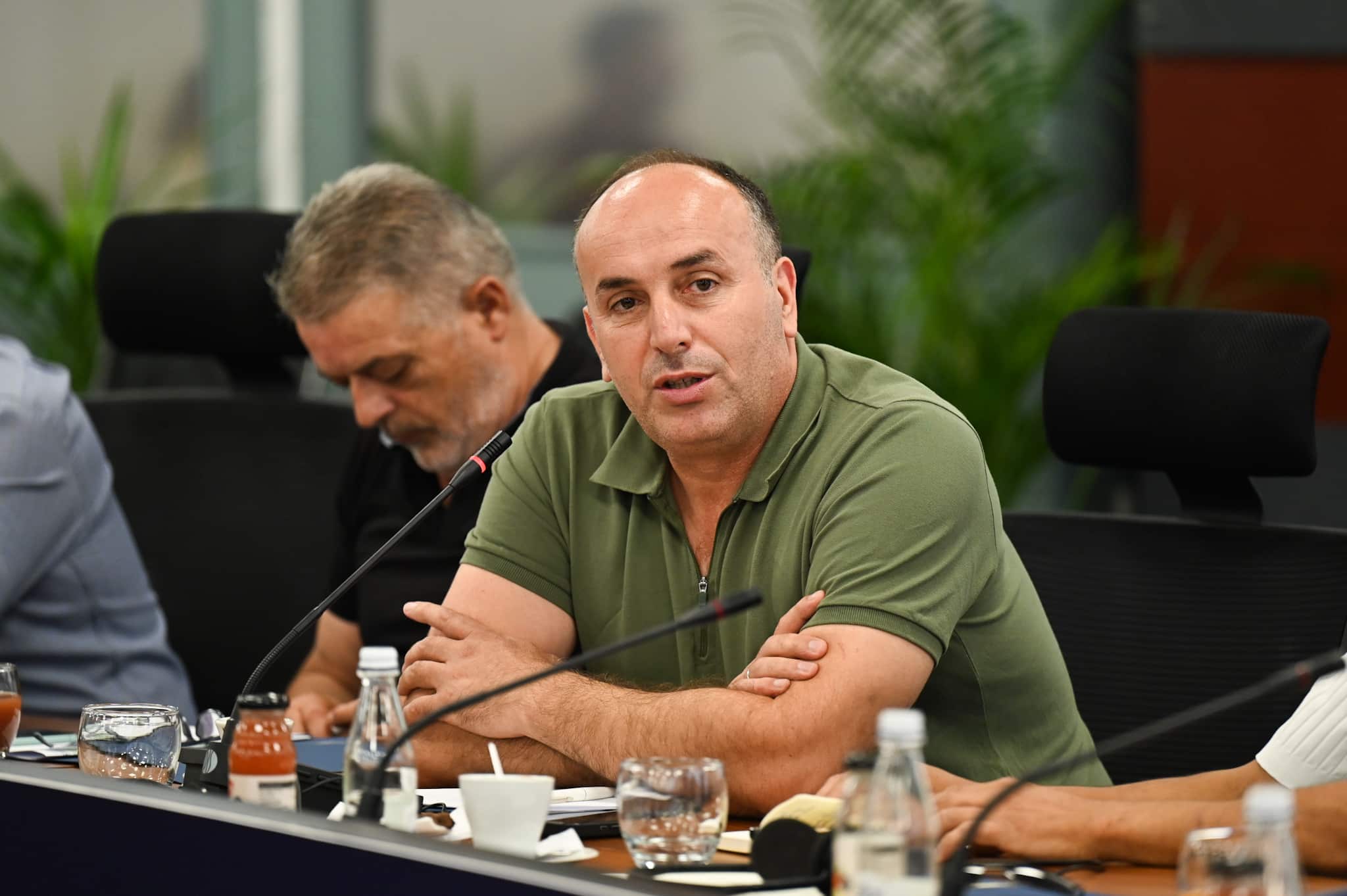
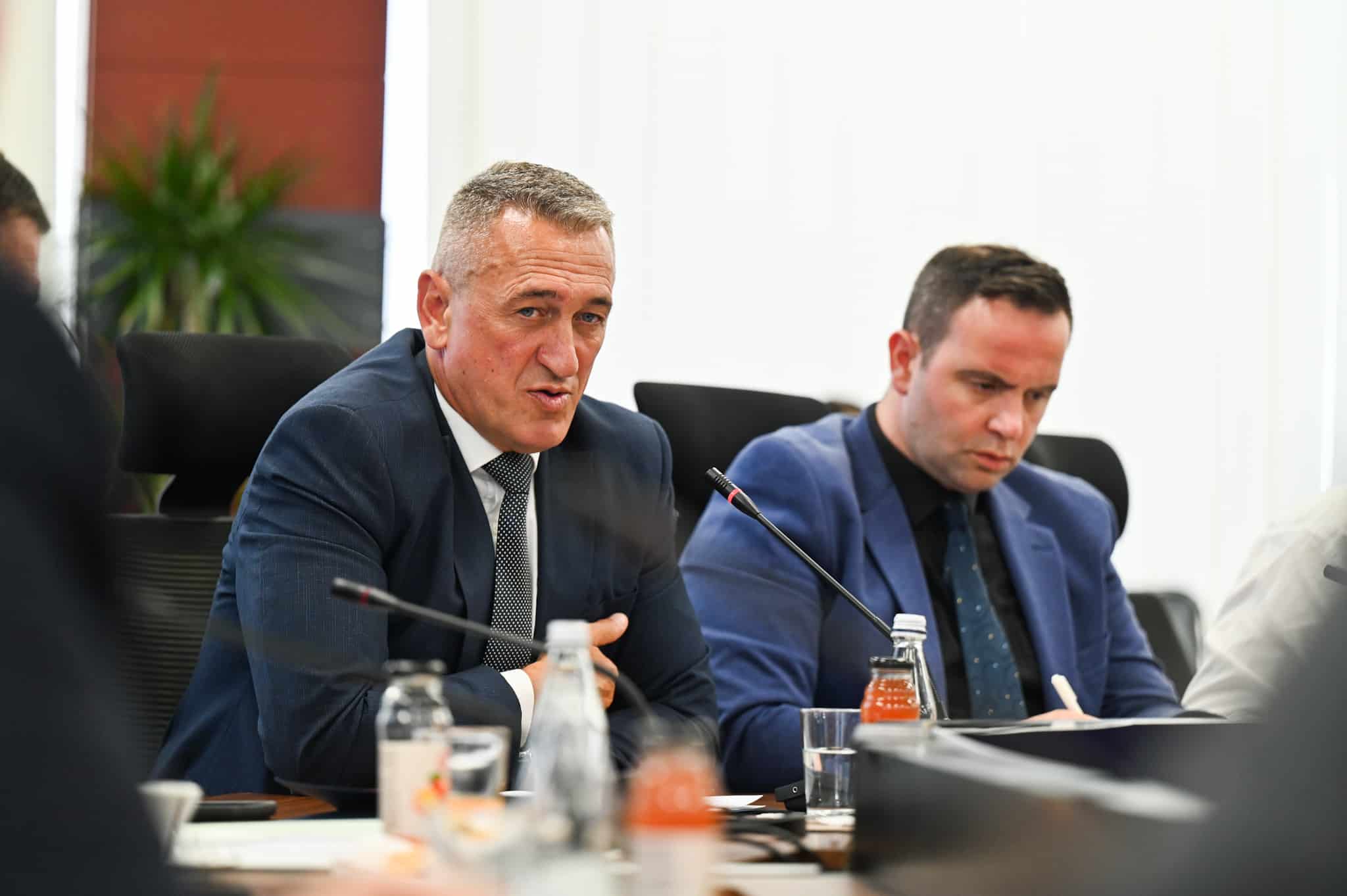
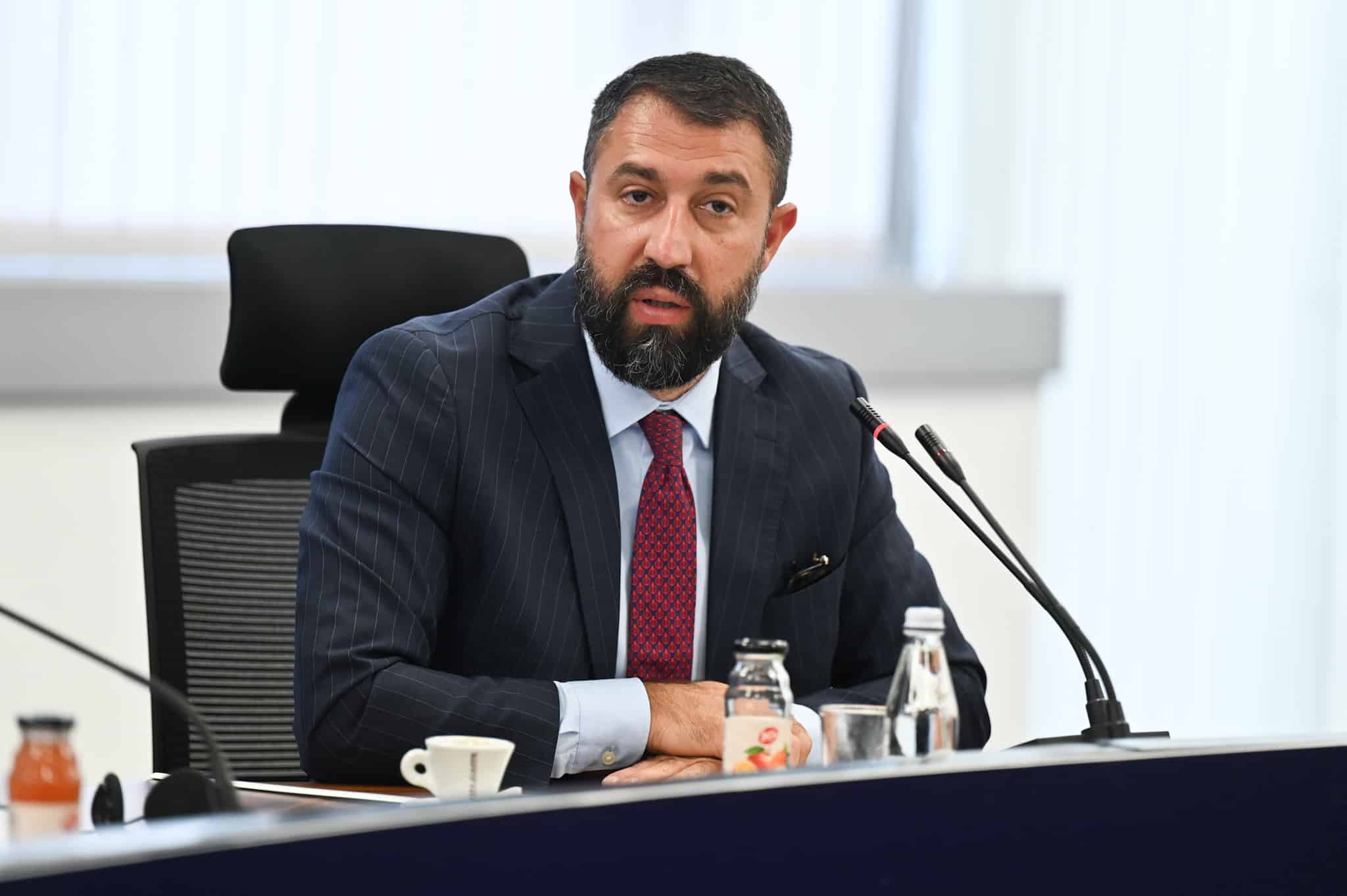
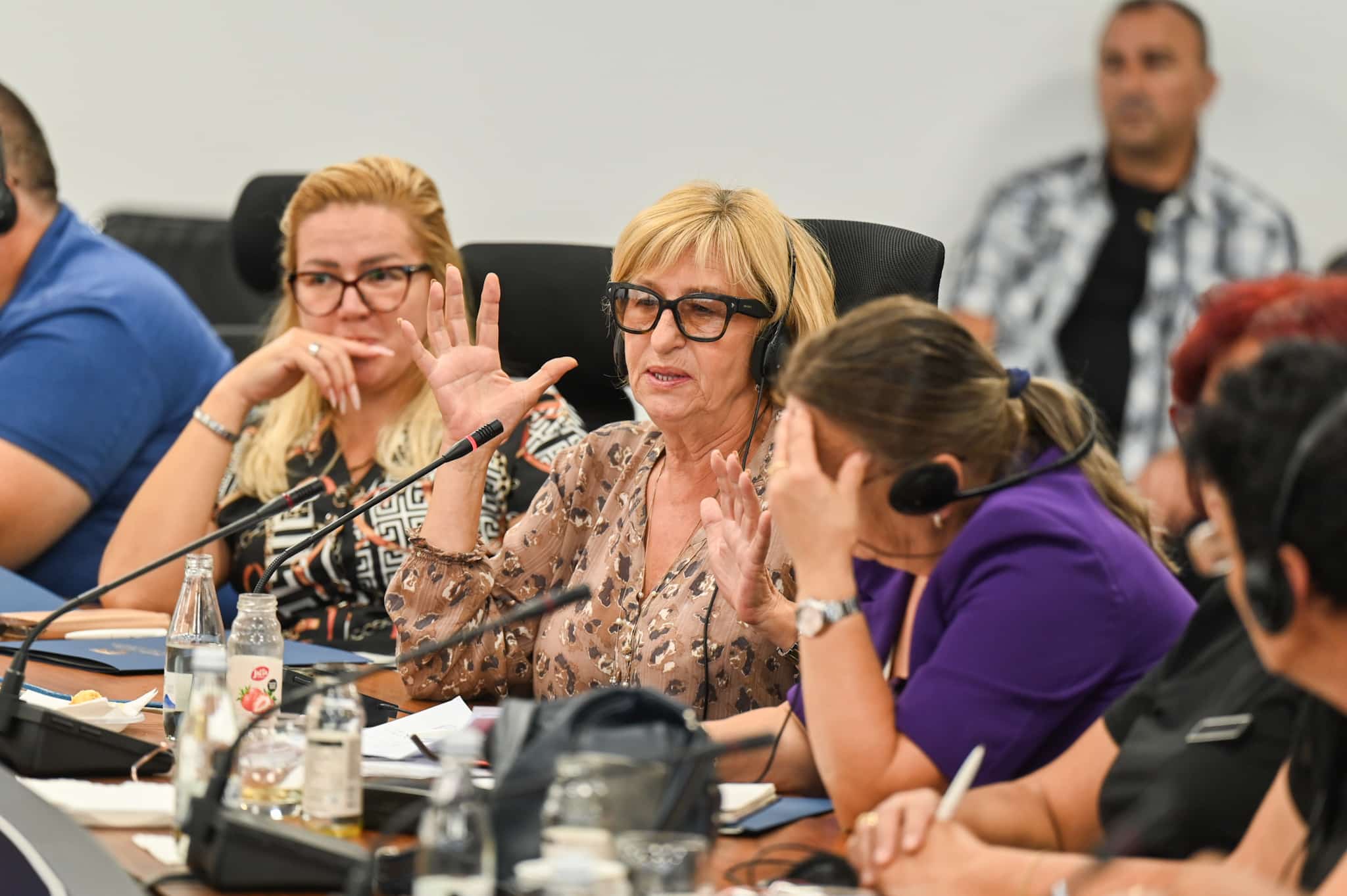
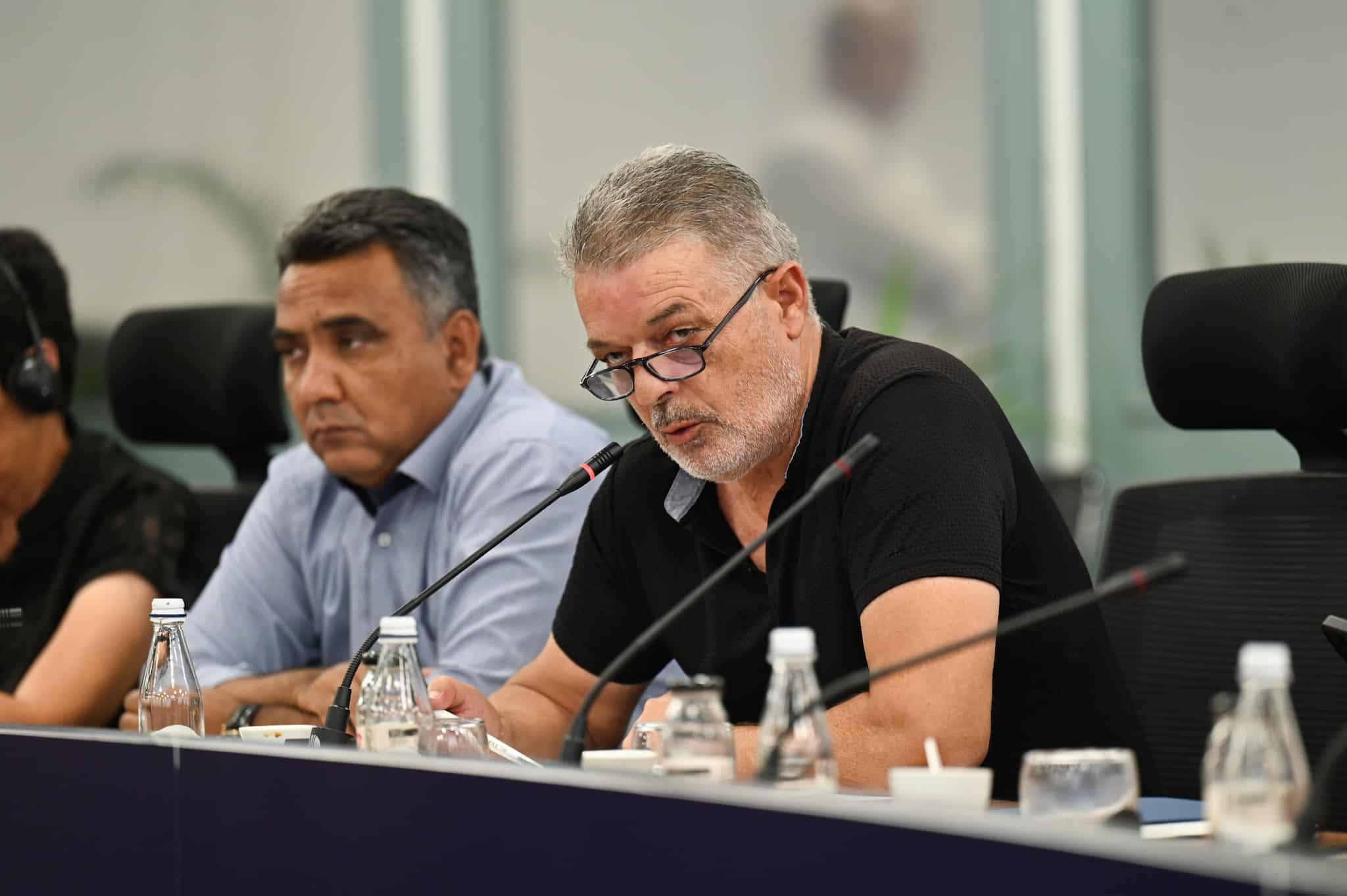
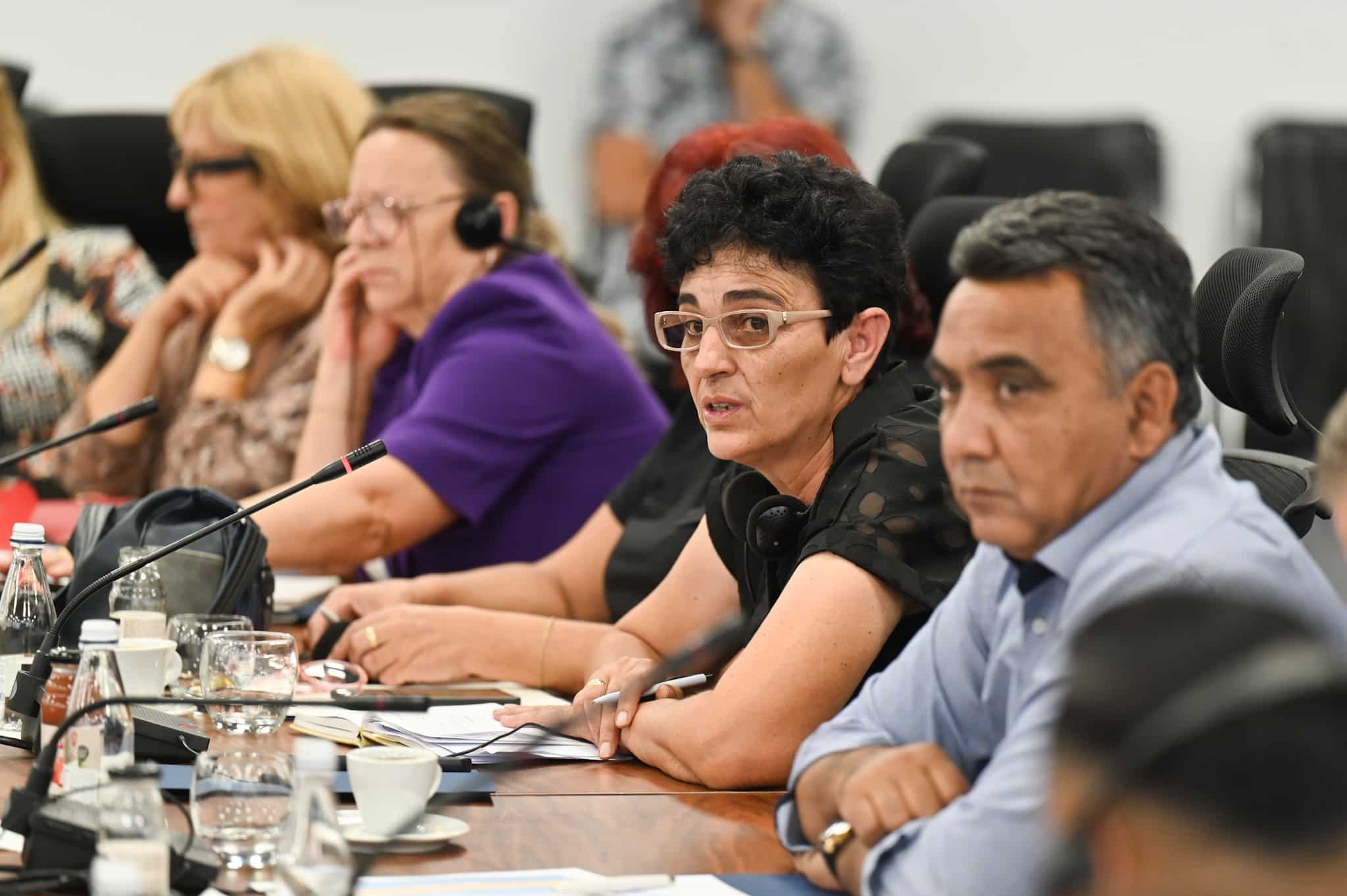
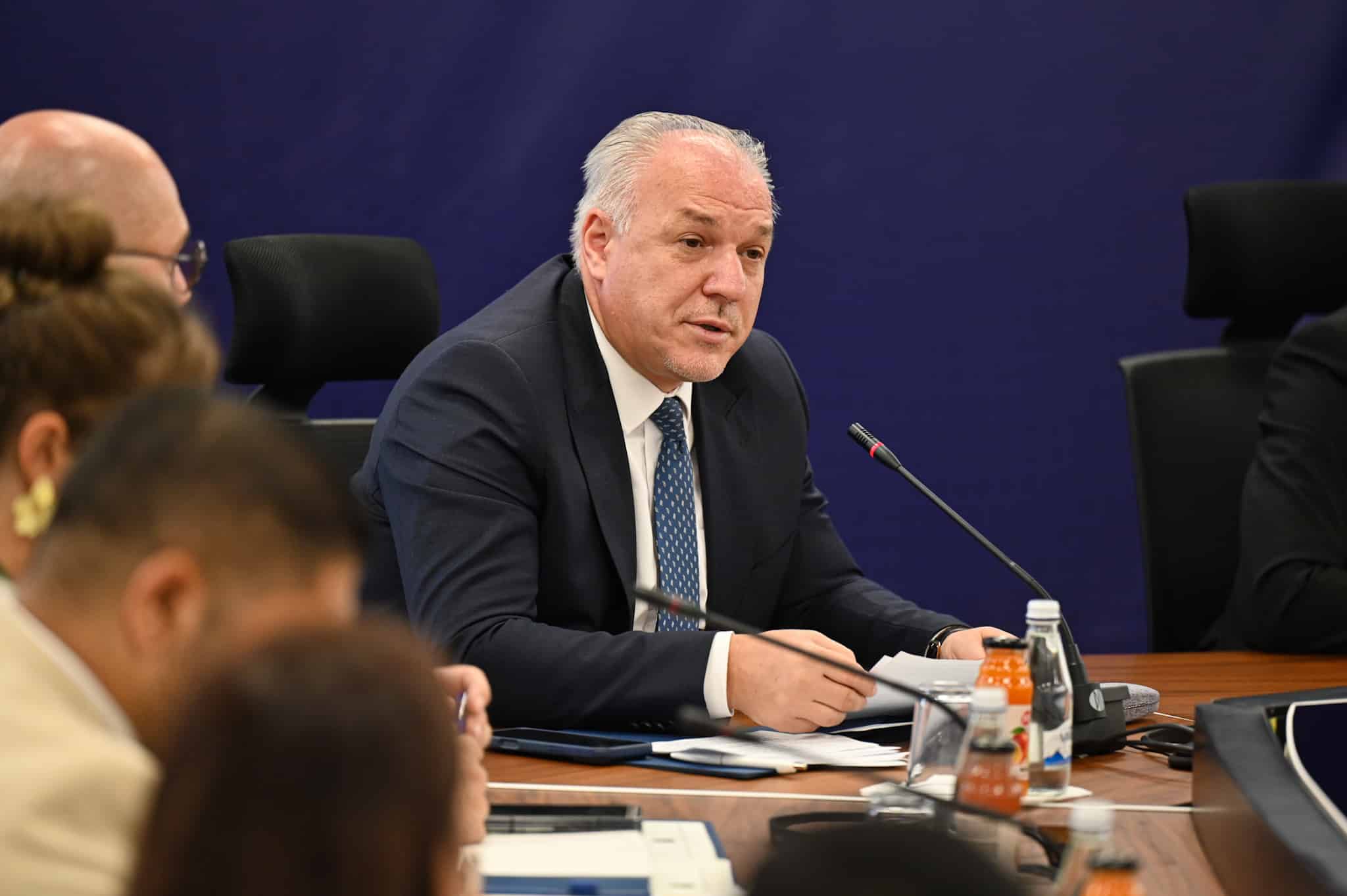
The Acting Prime Minister of the Republic of Kosovo, Albin Kurti, attended a meeting with the Municipal Offices for Communities and Return, organized by the Office of the Third Deputy Prime Minister for Minority Affairs and Cooperation.
Describing the meeting as an opportunity to discuss the role of institutions in implementing community rights, the challenges that arise at the local level, and the need to strengthen coordination between the central and local levels, Acting Prime Minister Kurti said that the Republic of Kosovo is a state of all its citizens. Therefore, the protection and promotion of community rights should not be understood solely through the implementation of the existing legal and institutional framework, but also through the benefits enjoyed by all citizens without distinction.
On this occasion, Acting Prime Minister Kurti mentioned areas requiring continuous coordination between institutions and communities, such as education, employment, access to public services, language rights, healthcare, social protection, housing, infrastructure and participation in decision-making.
“The Offices can and should play an important role in this process, from identifying the problem to addressing it, following up on its handling, and reporting on the results. We need the rights already established by the Constitution and law, we need their implementation, but we also need reporting on the benefits that citizens derive from this implementation, as we all work together in the service of citizens,” said Acting Prime Minister Kurti.
Third Deputy Prime Minister for Minority Affairs and Cooperation, Fikrim Damka, said that the issues affecting communities are numerous: education, healthcare, social services, employment, judicial rights, infrastructure and access to public services.
“Today, together with you, the representatives of the Municipal Offices for Communities and Return, our goal is to hear about your experience on the ground and to examine how we can strengthen cooperation between the local and central levels,” said Acting Deputy Prime Minister Damka.
Full Speech by Acting Prime Minister Kurti:
Honourable Deputy Prime Minister Fikrim Damka,
Honourable Ministers: The Minister of Local Government Administration, Elbert Krasniqi, and the Minister for Communities and Return, Nenad Rašić,
Honourable representatives of central institutions, and in particular, distinguished officials of the Municipal Offices for Communities and Return,
Distinguished guests,
Ladies and gentlemen,
Good morning, Dobro jutro, Günaydın, Lashi diteara,
Let me begin by thanking you for your participation and commitment to the matter we will discuss together.
This meeting is an opportunity to discuss more specifically the role of institutions in implementing community rights, the challenges that arise at the local level, and the need to strengthen coordination between the central and local levels.
The Republic of Kosovo is a state of all its citizens. The protection and promotion of community rights should not be understood solely through the implementation of the existing legal and institutional framework, but also through the benefits enjoyed by all citizens without distinction.
This is precisely where one of the most important issues identified during discussions with communities lies: in many cases, the challenge is not a lack of guaranteed rights, but their practical implementation at the local level and, consequently, the benefits that citizens should derive from them.
In this regard, the Municipal Offices for Communities and Return have an important institutional role.
They are an integral part of municipal administration and are mandated to identify, promote, support, implement and monitor policies and activities related to the protection and promotion of community rights. They also have a role in facilitating equal access to public services and identifying needs at the local level.
Therefore, their role should not be limited merely to transmitting information, but should extend to implementing specific activities.
The Offices should play an active role in maintaining regular contact with communities, identifying problems, referring them to the responsible institutions, following up on the handling of cases, and regularly reporting on developments at the local level.
This is particularly important because a large proportion of issues relating to communities arise precisely at the local level.
Education, employment, access to public services, language rights, healthcare, social protection, housing, infrastructure and participation in decision-making are areas where continuous coordination between institutions and communities is needed. The nature and intensity of these challenges vary from one community to another and from one municipality to another.
For this reason, there cannot be a one-size-fits-all approach for all communities and all municipalities.
General measures are needed for problems that recur across several communities, but at the same time, interventions tailored to the linguistic, socio-economic, geographical and cultural needs of communities are also required.
This requires institutions to have more accurate information about needs on the ground and to establish better mechanisms for monitoring the implementation of policies and services.
Distinguished guests,
One of the challenges we need to address is inter-institutional coordination.
Issues identified at the local level often require the involvement of more than one institution. For this reason, it is important that information does not stop at one institutional level, but that there is a continuous flow of information between municipalities, central institutions and other responsible mechanisms.
The Offices can and should play an important role in this process, from identifying the problem to addressing it, following up on its handling, and reporting on the results.
We need the rights already established by the Constitution and law, we need their implementation, but we also need reporting on the benefits that citizens derive from this implementation, as we all work together in the service of citizens.
For this to work, clear responsibilities, regular coordination, designated contact persons, and appropriate mechanisms for collecting and managing data are needed.
Monitoring should help us understand not only what activities have been carried out, but also whether citizens and communities have genuinely benefited from public policies and services. In other words, we as state or municipal officials should not be the only ones satisfied; citizens should also be satisfied with the services they receive and should be able to thank us, as state or municipal officials, for those services.
In this sense, community participation is just as important as institutional engagement.
Communities cannot be merely parties consulted or beneficiaries of policies. They must have the opportunity to participate in identifying priorities, discussing solutions, and monitoring their implementation.
Citizens of the Republic, the residents of municipalities, are not consumers of services, but people with rights who should participate, including in decision-making. In order to serve citizens properly and adequately, we must make them part of the joint state and democratic undertaking. In other words, the citizen is not merely a beneficiary at the end, but a participant from the very beginning.
Honourable officials of the Municipal Offices for Communities and Return,
Your work is important precisely because you are among the institutional mechanisms that have first-hand knowledge of the situation and needs at the local level.
Today, we want to hear from you about the experiences and challenges you encounter in your work.
What are the issues that arise most frequently?
Where do obstacles to coordination between institutions exist?
Where are additional capacities needed?
Which issues can be addressed at the municipal level, and which require the engagement of central institutions?
These are questions that should help us move from the general identification of problems towards determining concrete actions.
The Government of the Republic of Kosovo will continue to work towards strengthening the implementation of community rights and improving coordination between central and local institutions.
Our goal should be for institutional responsibilities to be clear, interventions to be planned on the basis of concrete needs, and results to be regularly monitored.
Because a state is not a collection of institutions.
The state is always at the service of the citizen, and this is how I view every municipality and every community.
Thank you for your work, commitment, role and contribution, and today, for your participation and attention!