Prishtina, 4 November 2026
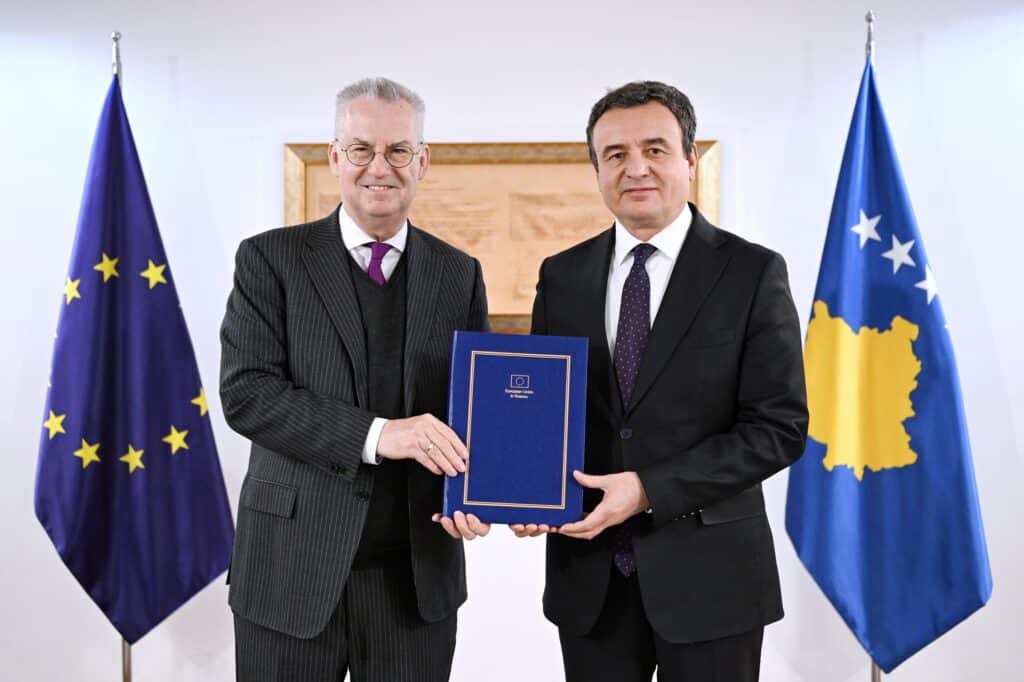
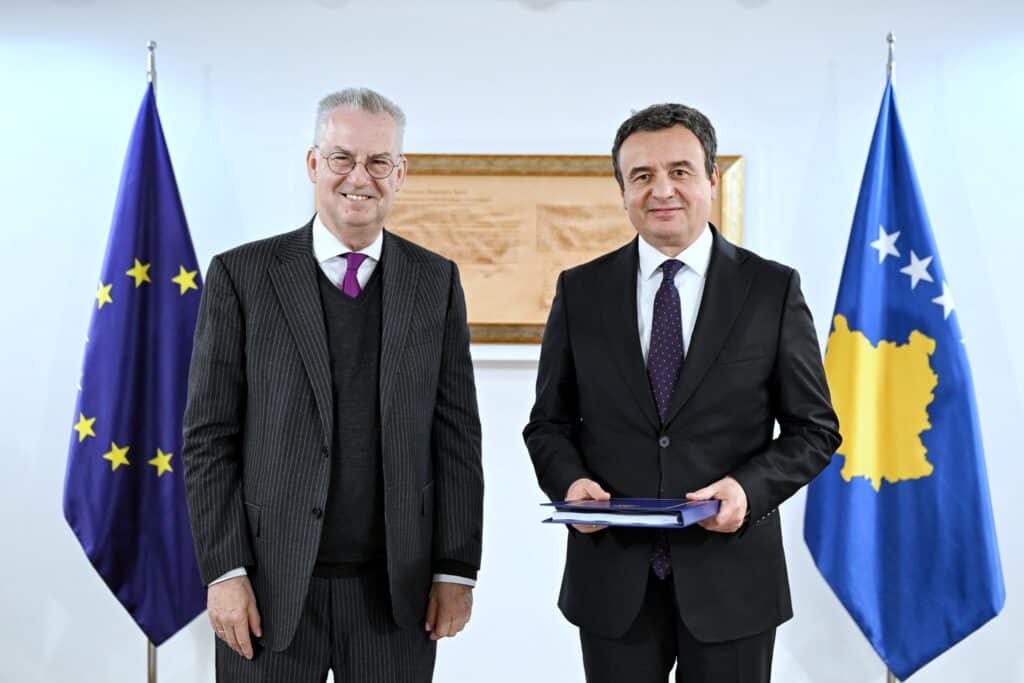
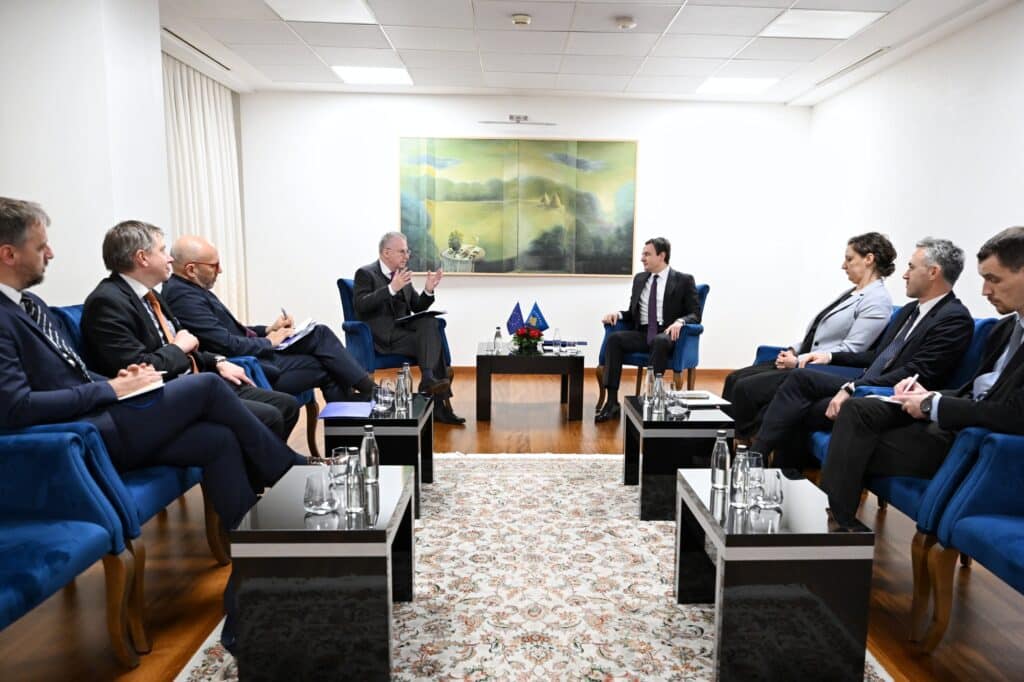
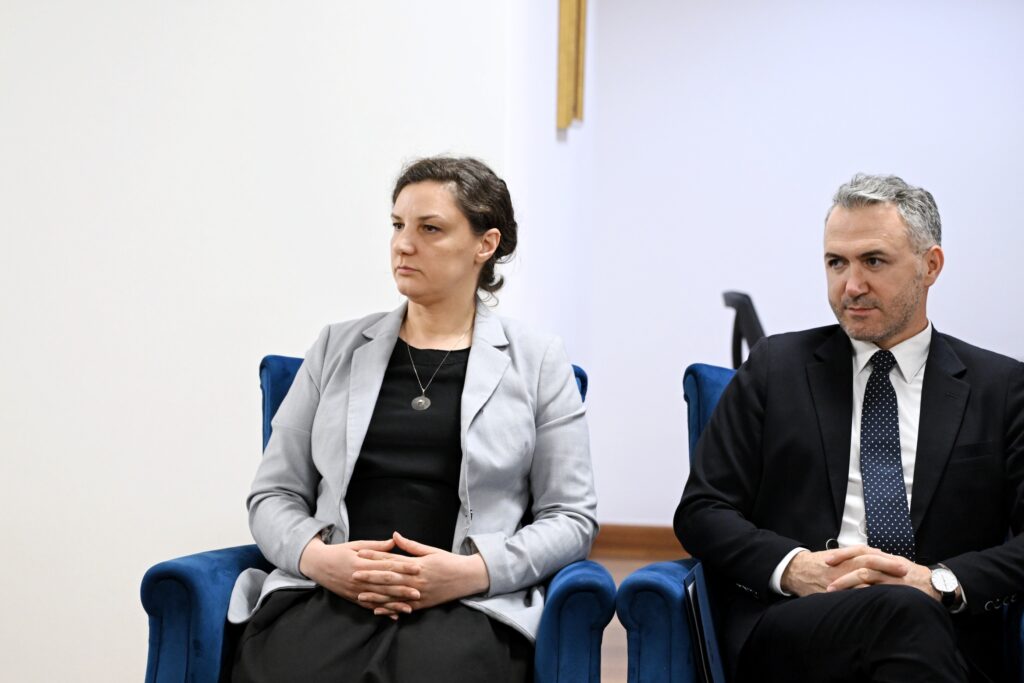
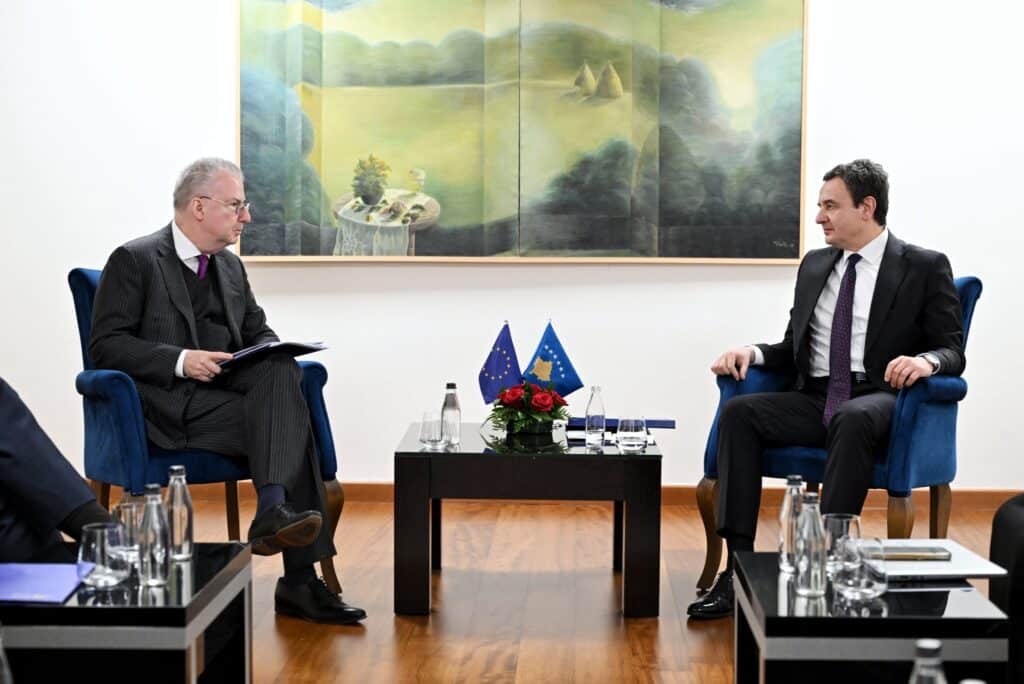
The Prime Minister of the Republic of Kosovo, Albin Kurti, received this year’s European Commission Country Report from the Head of the European Union Office in Kosovo, Ambassador Dirk Schuebel.
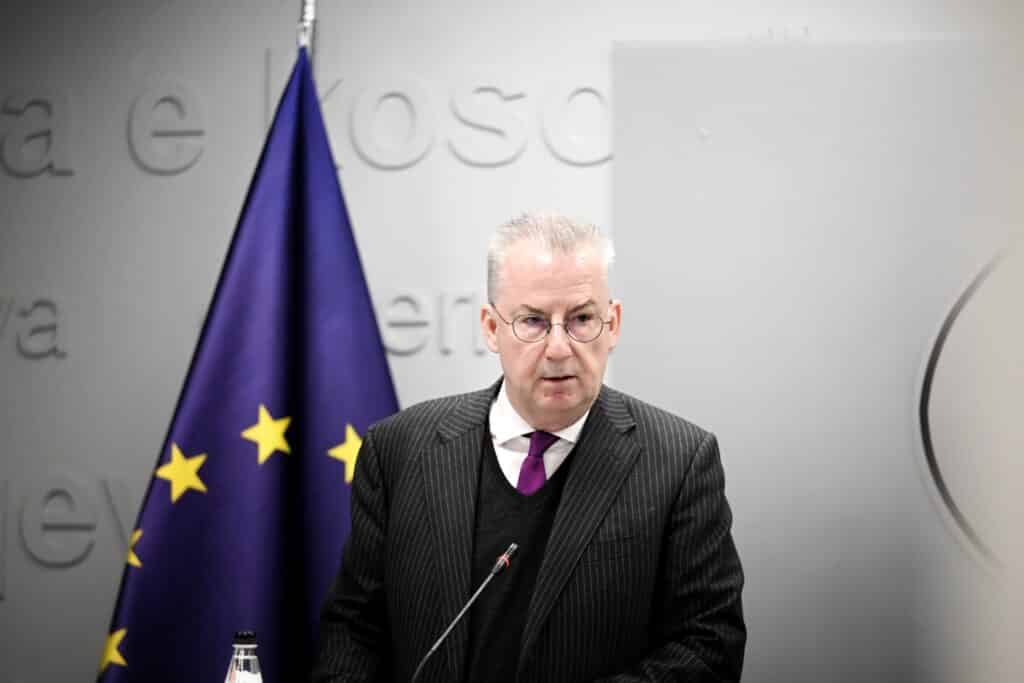
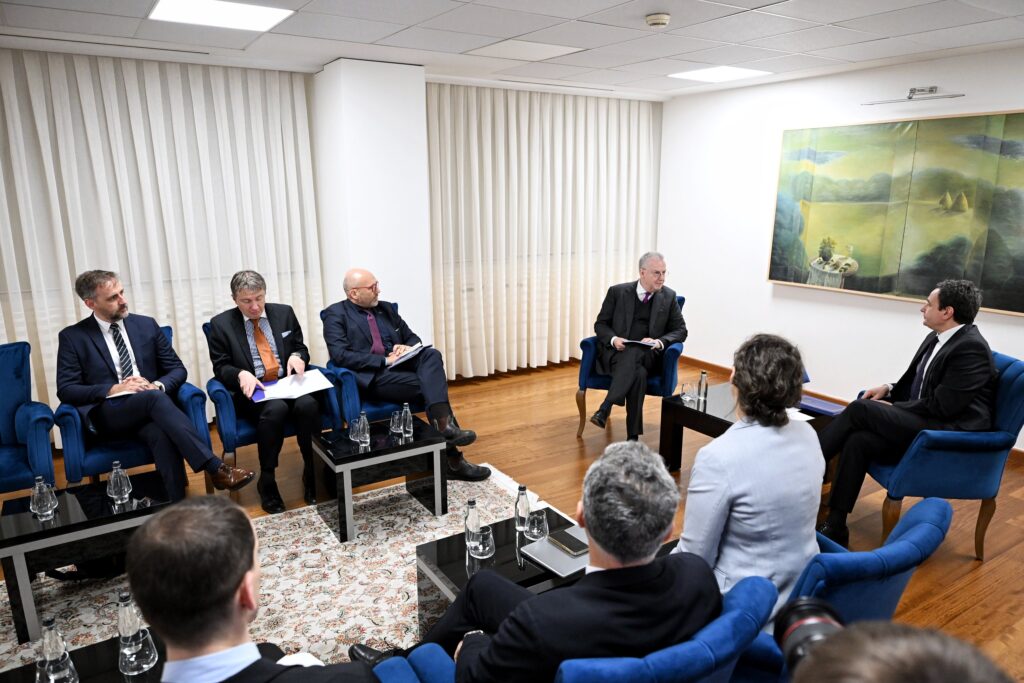
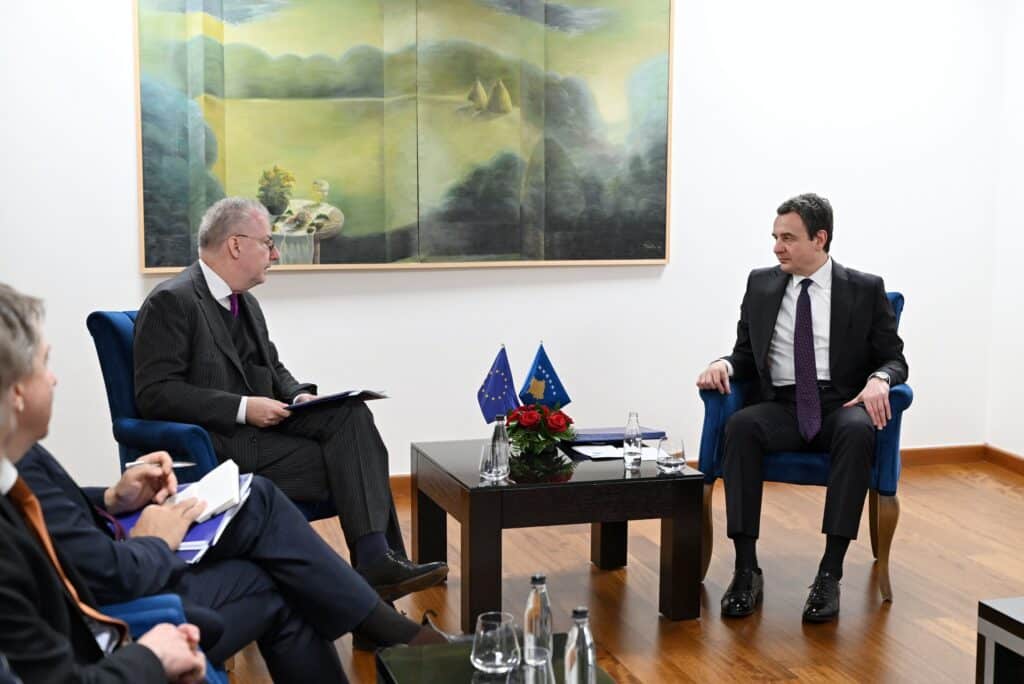
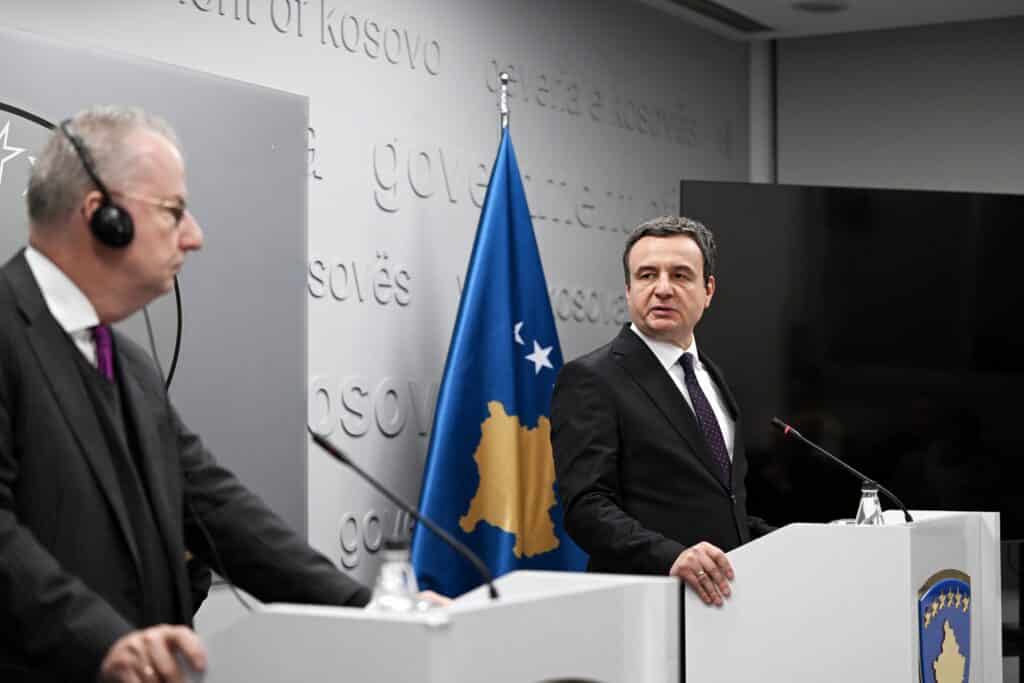
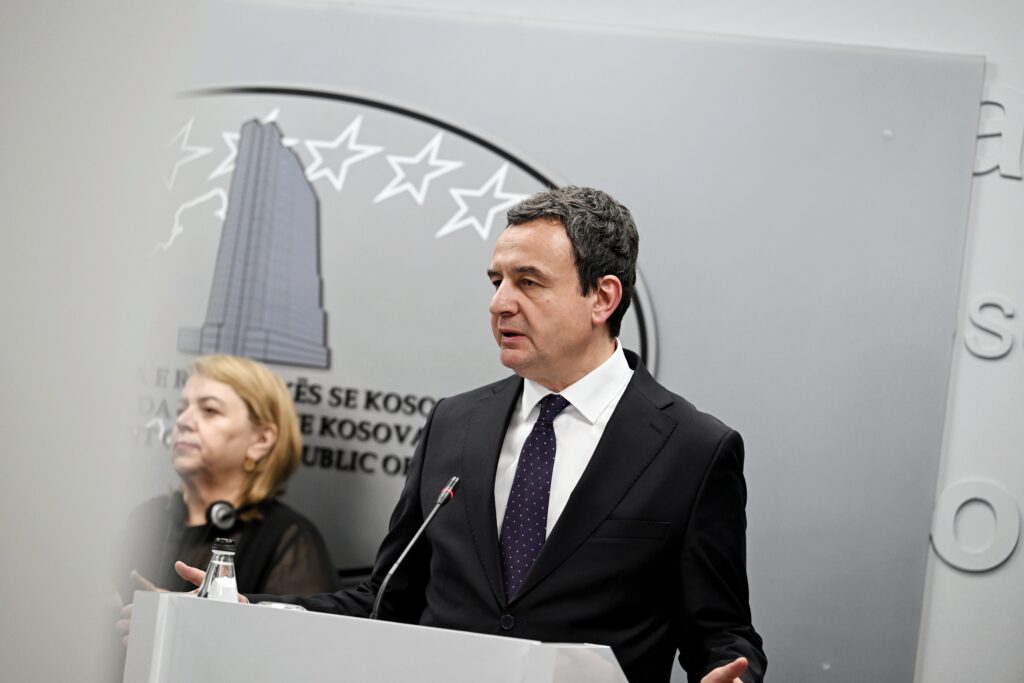
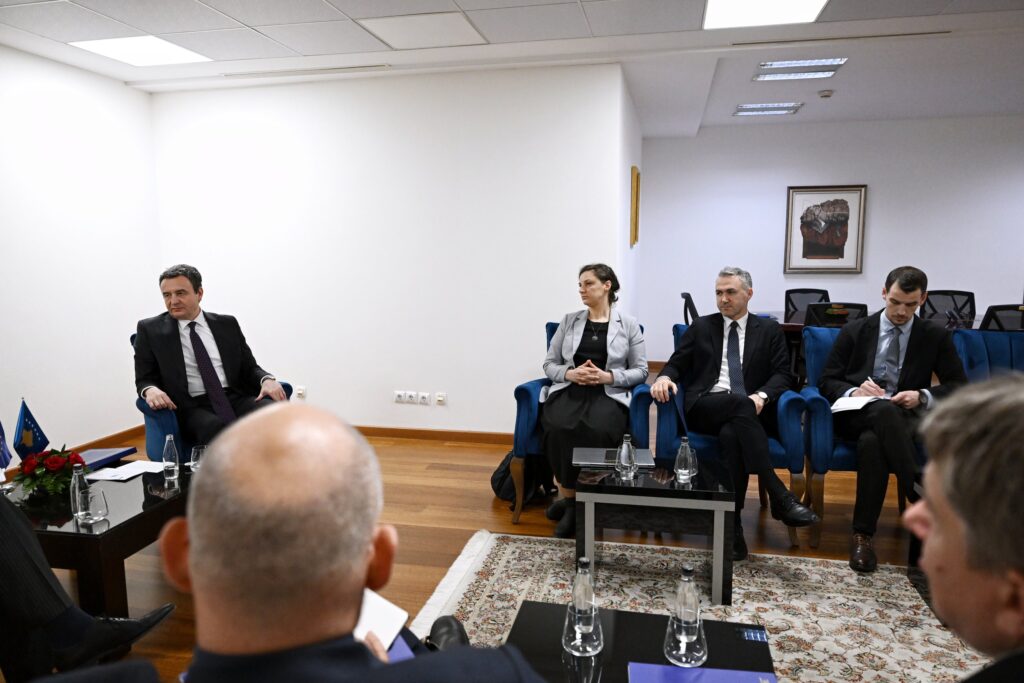
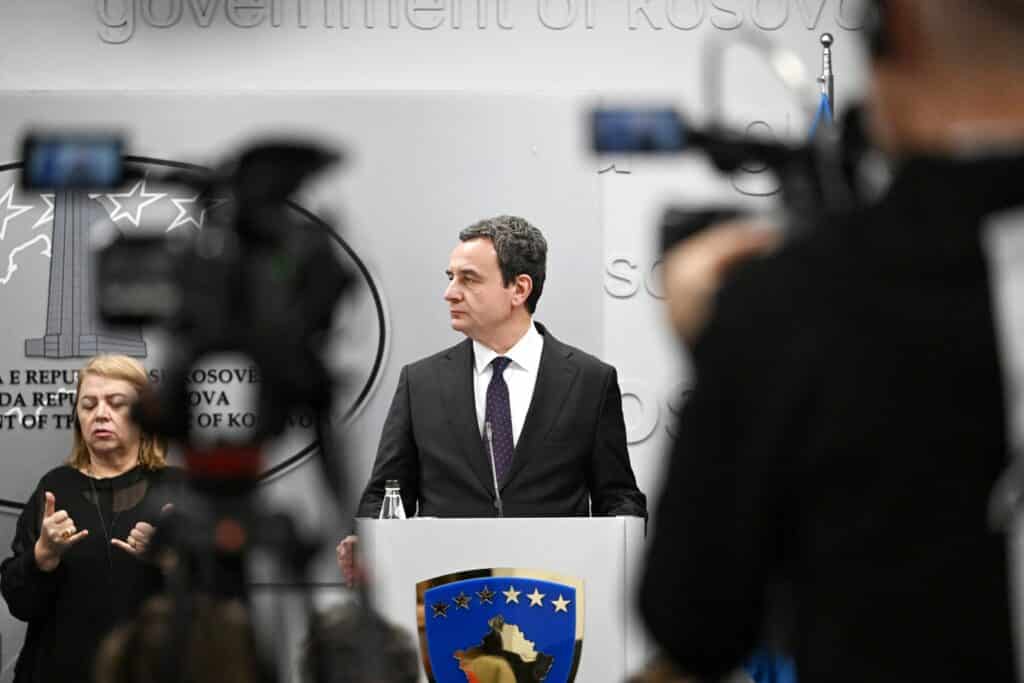
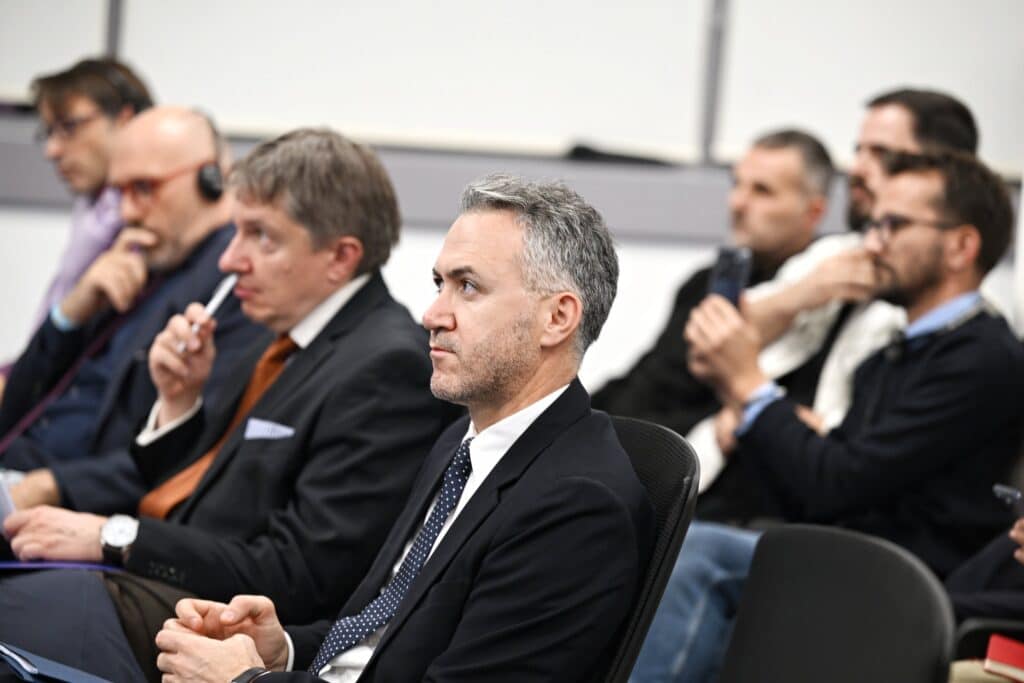
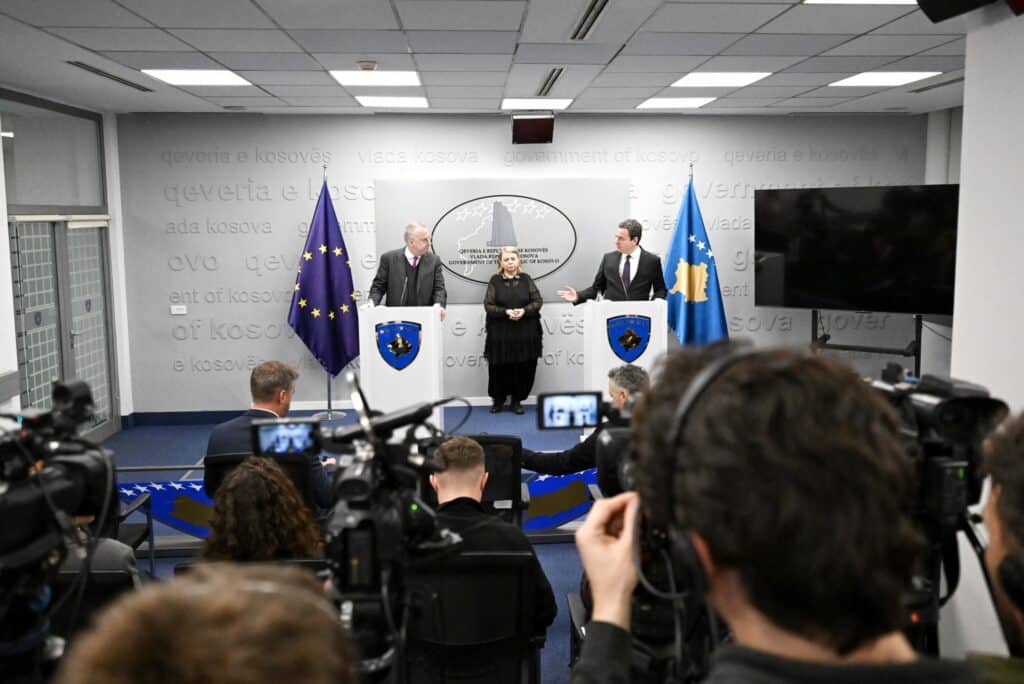
Following the presentation of the Report and a bilateral meeting, Prime Minister Kurti and Ambassador Schuebel held a joint press conference.
Full speech by Prime Minister Kurti at the press conference:
Thank you, Ambassador Schuebel.
A few hours ago, the European Commission published its annual Report on Kosovo as part of the Enlargement Package. I received the Report on Kosovo from the Ambassador at the meeting we held in my office before coming to this press conference, and I would like to thank him for it.
Following a period of political deadlock, which coincided with most of the period covered by this Report, we elected the President of the Republic on 6 October, as you all know, thereby putting an end to the repetition of unnecessary and costly elections. Now that we have fully stable institutions and democratic functioning, we have accelerated the pace of reforms aimed at integration into the European Union, particularly the priority reforms under the Growth Plan.
Allow me to reiterate our commitment, as a government and as a society, to the full membership of the Republic of Kosovo in the European Union. EU integration remains our long-term strategic priority, as the Report also emphasizes. This commitment enjoys strong and sustained public support and broad cross-party consensus.
Nevertheless, we cannot leave unmentioned the fact that Kosovo’s position in the accession process does not reflect the progress we have made. As we have emphasised at all meetings and visits, at every level and on every occasion when we have had the opportunity – particularly in our meetings with President Costa, President von der Leyen, Commissioner Kos, Chancellor Merz, President Macron and many other leaders of EU Member States – Kosovo deserves to be granted candidate country status and to begin negotiations as soon as possible. In one month, it will be four years since we submitted our application for membership of the European Union, on 15 December 2022, in Prague, Czech Republic. Despite this, Kosovo remains the only country in the Western Balkans without candidate country status. Apart from the European Commission’s political support for launching the technical process, there has still been no move by the Member States or the institutions of the European Union to give the Commission the political mandate to initiate this process. Therefore, Ambassador, allow me to reiterate our request for the questionnaire concerning our application to be submitted as soon as possible, so that the way can be paved for candidate country status and the opening of negotiations.
Over the past decade, Kosovo has made measurable progress, as demonstrated by international indices. Gallup ranks us first in Europe in terms of security and citizens’ confidence in law and order. In the World Justice Project’s Rule of Law Index, we rank ahead of most countries in the region. We also climbed 15 places this year in Reporters Without Borders’ Press Freedom Index.
The Commission’s Report, distinguished members of the media, assesses each area in two ways. The first is the level of preparedness, that is, how close our laws and institutions are to European Union standards. The second is the progress made over the one-year reporting period, that is, how far we have advanced over the past 12 months. In this year’s Report, the level of preparedness has not declined in any area, and the Commission identifies no backsliding anywhere.
Our level of preparedness in the fight against organised crime has improved. Progress has been assessed more favorably than last year in public administration reform; justice, freedom and security; the free movement of capital; financial services; statistics; the management of European Union funds; and freedom of expression.
During the reporting period, over the past 12 months, we held three sets of elections: local elections in October 2025, and parliamentary elections in December 2025 and June 2026. The Commission assesses all of them as peaceful, competitive and well managed. Women’s representation in the Assembly reached 34 per cent, exceeding the legal quota. Women also lead the Assembly and seven of its 16 parliamentary committees.
We have made progress in security. The Commission assesses the Kosovo Police as having good operational and investigative capacity. Intelligence structures within the Police have doubled in size, and we have increased the number of neighbourhood police officers, including in the north of our country. Cooperation with European police forces has improved significantly, and the Kosovo Police now co-leads European operations against cybercrime and migrant smuggling. Last year, 742 new cadets graduated, including 90 Serbs, while the Commission assesses the fight against terrorism as generally satisfactory.
In foreign and security policy, we have achieved full alignment with the European Union, including on sanctions against Russia and Belarus.
It is important that, starting this year, we will also be formally assessed under Chapter 31, covering foreign, security and defence policy. Through this, the European Union provides a fairer and more comprehensive reflection of, and recognizes, the internalization by our state and society of fundamental European values, as well as our continued efforts to fully align our foreign policy with the European Union’s Common Foreign and Security Policy, at this critical time for our continent. This also constitutes recognition by all the structures of the European Union of an important element of the sovereignty of the Republic of Kosovo in its political relations with the EU.
We have also achieved results in the fight against organised crime. The Commission has upgraded its assessment of Kosovo in this area and notes that final convictions for organised crime have increased significantly. The Assembly adopted the new Law on the Prevention of Money Laundering and Combating the Financing of Terrorism, while the Government established the Confiscation Fund, so that assets acquired through crime can be returned to citizens and invested in security. The Supreme Court issued guidelines for the adjudication of money-laundering cases, and the Police now have the capacity to seize crypto-assets as well. Last year, the Police destroyed approximately one and a half tonnes of narcotics and confiscated more than 1,900 weapons. In the area of the free movement of capital, the Commission assesses progress as good and notes that last year’s recommendations have been largely implemented.
In the fight against corruption, the Report notes a significant increase in final decisions and convictions in five non-high-level cases, and that reports submitted by whistleblowers to the Anti-Corruption Agency have almost doubled. Almost all officials required by law to declare their assets have done so, and most institutions have adopted integrity plans. The Report also notes that results in high-level cases are not where they should be. We take this observation seriously, but the Report states that “the main weakness lies in implementation and sentencing, not in the legal framework”.
The Government will adopt the National Anti-Corruption Strategy and strengthen the Anti-Corruption Agency and the Police Special Investigation Unit in terms of staffing and budget. The adjudication of cases is the responsibility of independent justice institutions, and we will support them with resources without interfering in their work. After four years with an acting office-holder, the Chief State Prosecutor was elected this year, while the Prosecutorial Council now has its full membership.
We have also made progress in public administration and in services for citizens. I would like to highlight the main achievements:
• Recruitment to the civil service is now centralized.
• We established the Administrative Court, which the Commission describes as an important step towards faster and more predictable administrative justice.
• The range of services available on e-Kosova has expanded. There are now more than 330 services.
• Under the new Law on Citizenship, procedures are shorter, and our compatriots in European Union countries can more easily reacquire Kosovo citizenship.
• The Report also acknowledges progress in advancing measures to reduce the administrative burden and improve public services, steps aimed at reducing procedures for citizens and businesses.
We have also made progress in the economy:
• Public debt remains among the lowest in Europe, at around 16 per cent of gross domestic product, and fiscal rules have been respected.
• Economic growth accelerated to 5.4 per cent at the beginning of this year, specifically in the first quarter, while Fitch Ratings affirmed our credit rating with a stable outlook.
• Budget revenues increased by 8.3 per cent. The Commission notes progress in improving the business environment and reducing the informal economy.
• Customs has completed the transition to public terminals, where customs clearance fees have been removed or reduced in line with the Stabilisation and Association Agreement. Since March, it has also been offering pre-arrival customs clearance.
Employment and labour market participation have increased, partly thanks to the SuperPuna scheme, which, according to the Commission, has delivered very good results. Asylum applications by Kosovo citizens in European Union countries fell by almost half, demonstrating that visa liberalisation has been successful and that we have maintained it responsibly.
In social policy, the Labour Inspectorate doubled its number of inspectors, bringing the total to 120.
Child allowances now cover more than 390,000 children, while the minimum wage increased to 500 euros as of 1 July this year.
In education, enrolment of five-year-olds in pre-primary education reached 87 per cent following the introduction of compulsory pre-primary education, while dual education now offers 16 different qualifications or profiles. The budget for scientific research increased by 35 per cent, and our students received the highest number of Erasmus Mundus scholarships to date.
In the energy sector, the Commission assesses progress as good in energy-efficiency measures for households and businesses, while work on the environmental improvement of the Kosovo B power plant began in April. In the environmental field, with Mount Mokna and Lake Ujman placed under preliminary protection, Kosovo’s protected area reached 12.4 per cent, one of the highest shares in the Western Balkans.
In trade, under our chairmanship, CEFTA adopted 12 decisions; we ratified the new CEFTA protocols; and we finalized the free trade agreement with EFTA, which has now entered into force.
Under the Growth Plan, the Assembly ratified the agreements in February, the Commission released the pre-financing of 61.8 million euros, and in July we submitted our first payment request for the reforms implemented.
Kosovo participates in nine European Union programmes. In 2025, a contribution of approximately 805,000 euros enabled beneficiaries in Kosovo to receive around 6.1 million euros in funding from these programmes. This is a concrete example of the benefits that participation in European programmes brings.
In the dialogue, the only progress this year relates to the 14 March agreement on foreigners, which we reached with the European Union and which the EU has assessed positively, as well as the first meeting of the Joint Commission on Missing Persons.
This reporting year has been challenging because the institutional blockade of the Assembly slowed the pace of reforms, as the Commission itself states. As a result, ratification of the Growth Plan agreements was delayed, reforms in public finances were postponed, and many laws remained pending. Therefore, in some areas, progress this year has been slower than last year. We have not regressed in terms of our level of preparedness; rather, we have moved more slowly because the Assembly remained blocked.
We take the observations in the Report seriously. The package of laws on the justice system will be adopted. We will also adopt the Labour Law, followed by the Law on Occupational Safety, the Law on Electronic Communications and Cybersecurity, the new Law on Public Procurement, the Law on Late Payments in Commercial Transactions, and the Law on Animal Health.
Most of these laws are also part of the Reform Agenda. Therefore, the sooner we adopt them, the sooner we bring Kosovo closer to European standards and funding.
Nevertheless, we believe that Kosovo’s position in the accession process does not reflect the progress we have made.
Almost four years after submitting our application, I reiterate that Kosovo remains the only country in the Western Balkans without candidate country status. Kosovo has demonstrated that democracy, freedoms and human rights, and the rule of law are part of our everyday lives, even in the most institutionally challenging year. The criteria must be the same for everyone, with values at their centre.
We are not asking for preferential treatment or privileges. We are asking only for assessments that reflect what we deserve and are entitled to. Therefore, I reiterate our request for the questionnaire concerning candidate status to be submitted as soon as possible, and for a decision to be taken on opening negotiations without delay.
We will continue with reforms because, first and foremost, we undertake them for our citizens, and we know that the path towards membership of the European Union runs precisely through reforms.
Once again, I thank the European Union for its continued support.
Thank you!