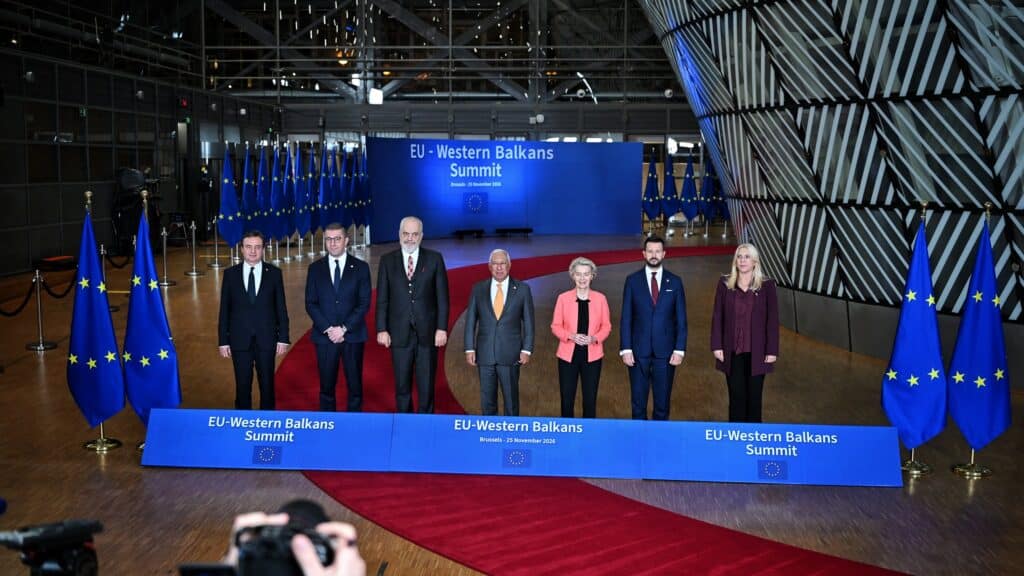
Brussels, 25 November, 2026
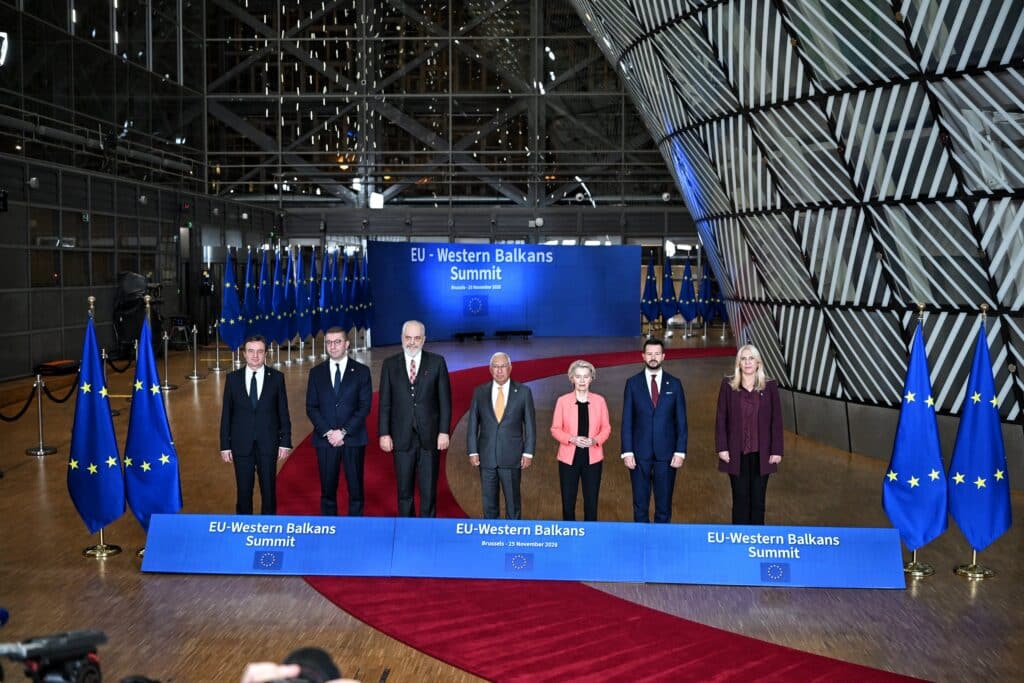
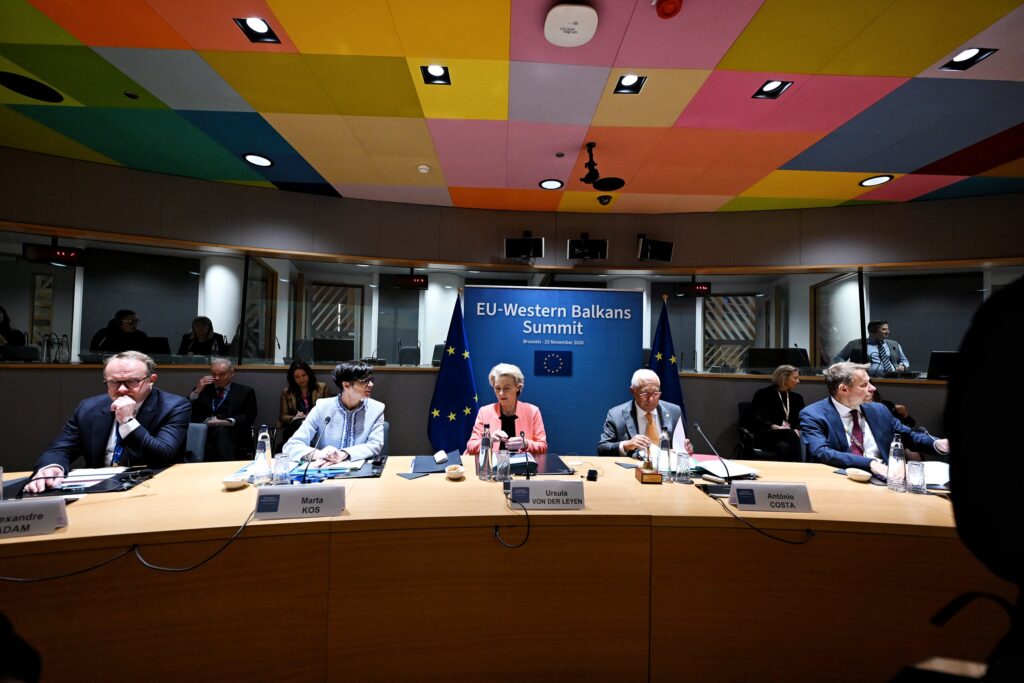
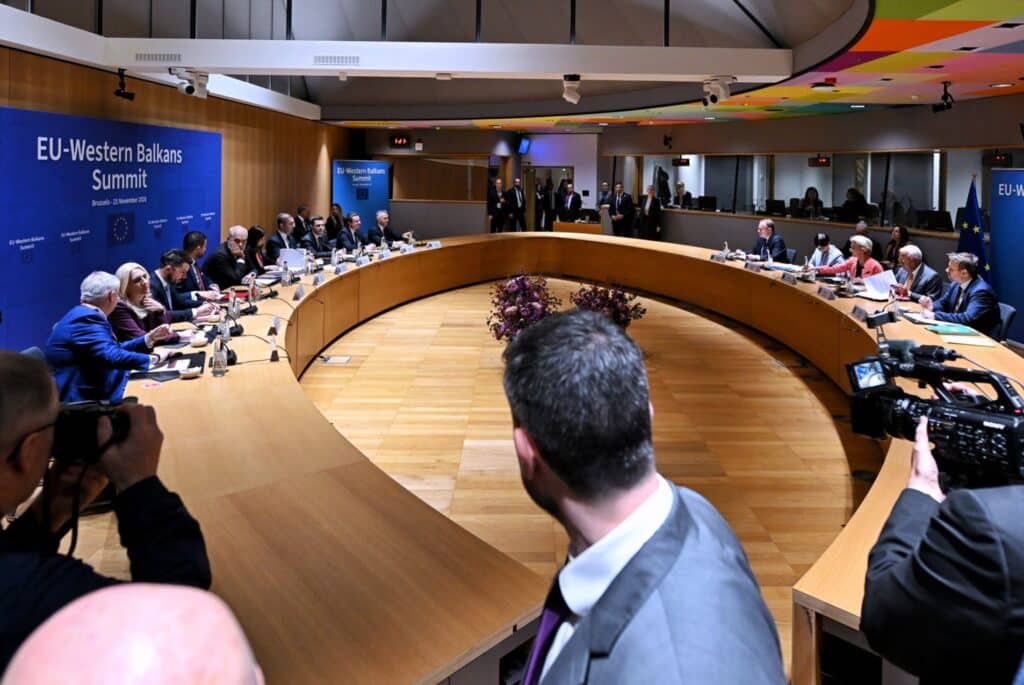
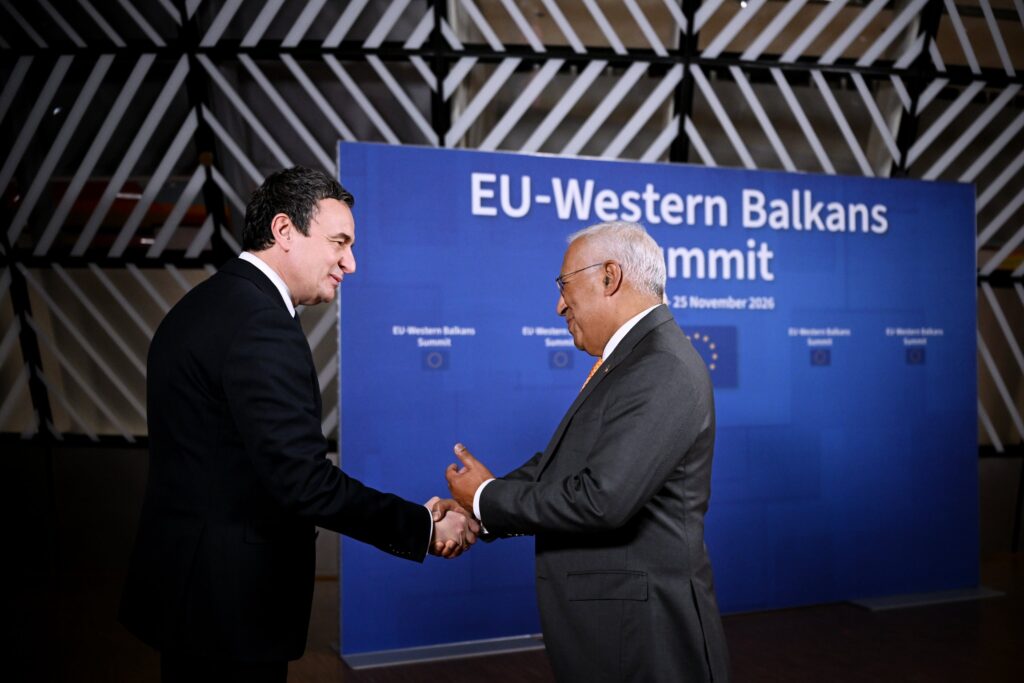
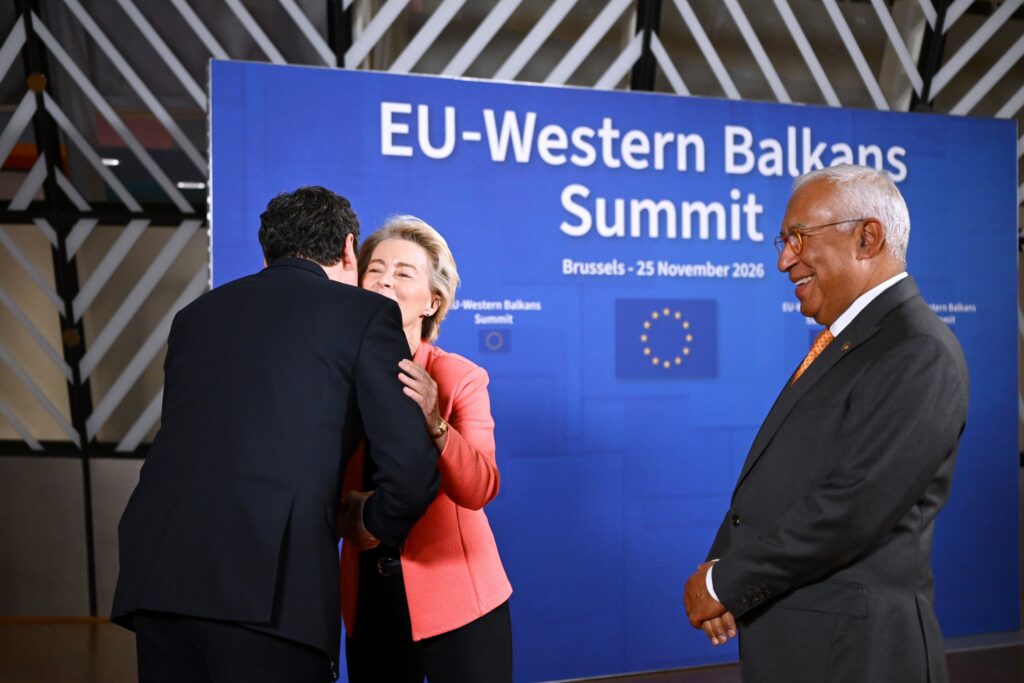
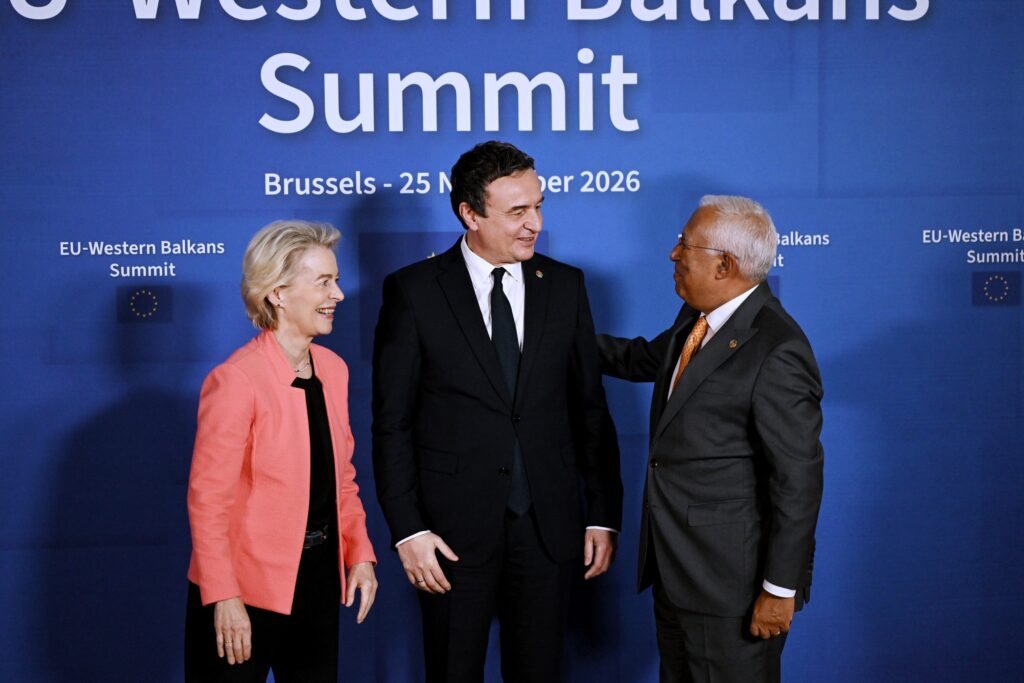
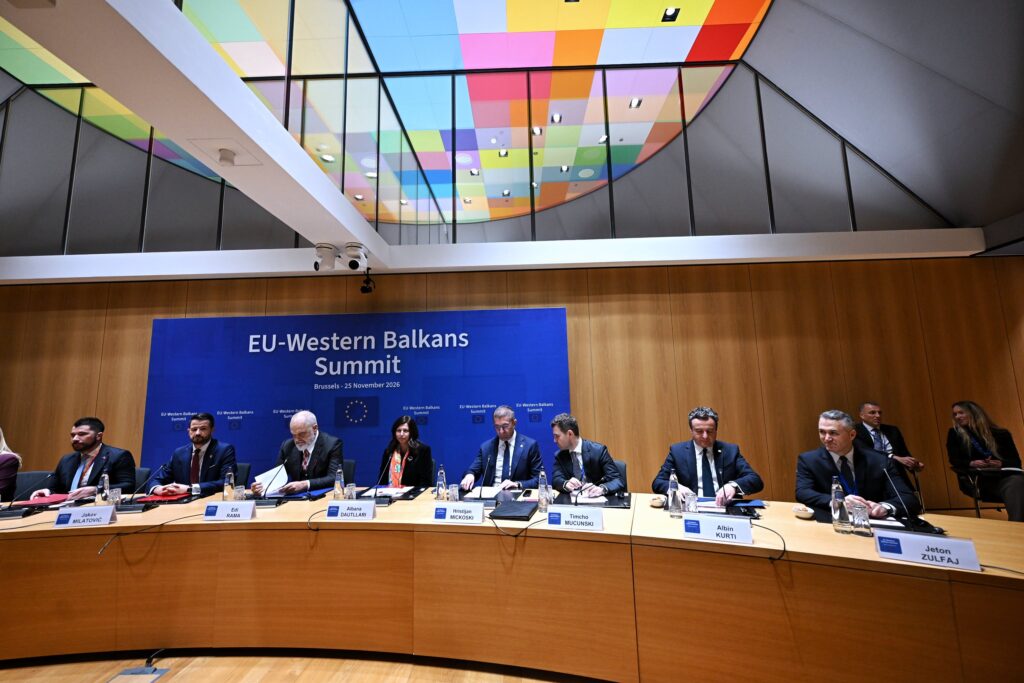
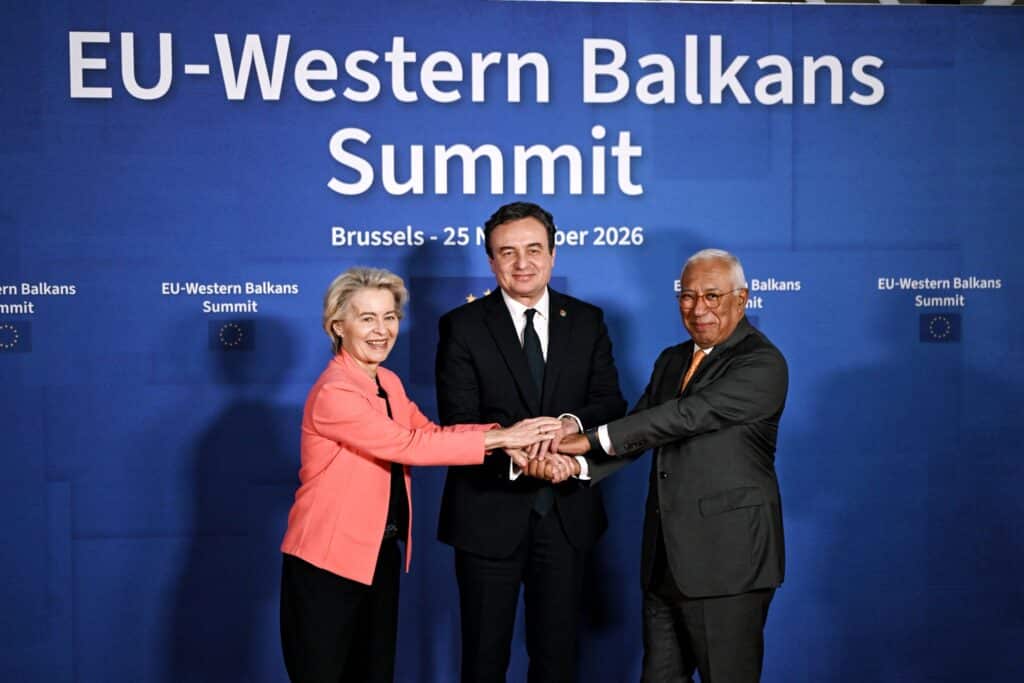
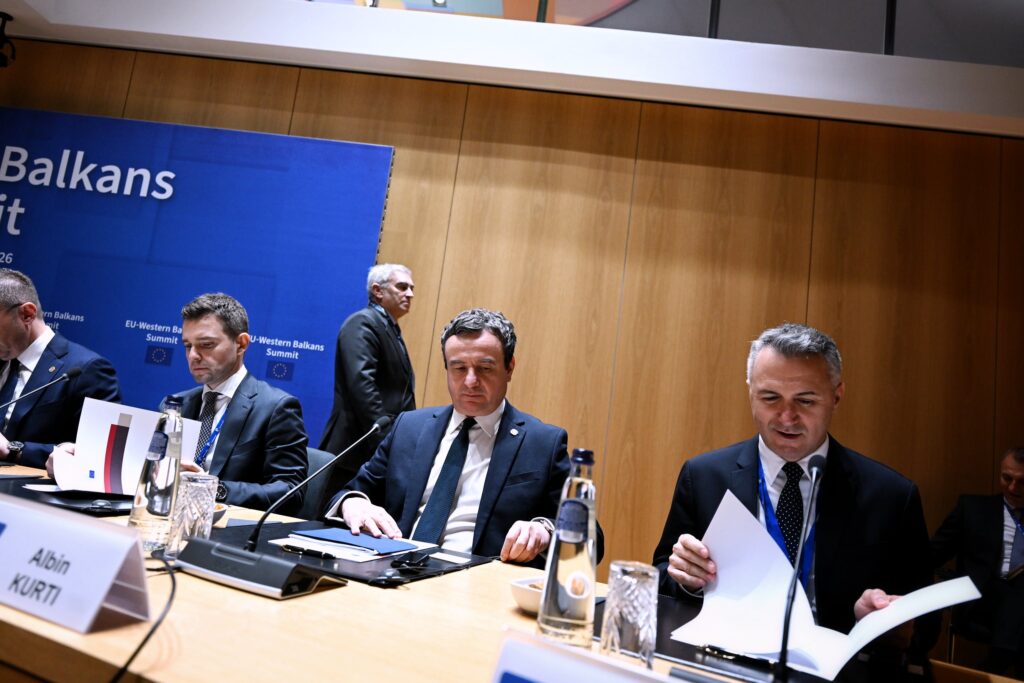
The Prime Minister of the Republic of Kosovo, Albin Kurti, participated today in the European Union–Western Balkans Summit in Brussels, where EU leaders and their counterparts from the region discussed the enlargement process, gradual integration into the common market, and European security.
In his remarks during the plenary session, the Prime Minister highlighted that Kosovo remains the only country in the Western Balkans without candidate status, even though next month will mark four years since it submitted its application for EU membership.
“The European Commission is prepared and is awaiting a request from the Council for its opinion. This decision rests with the governments of the member states. Their ministers are meeting here in Brussels on December 14. Let a message of unity emerge from this summit—that the Council should finally ask the Commission to send us the questionnaire,” the Prime Minister emphasized.
He said that Kosovo’s progress deserves both candidate country status and the opening of membership negotiations. He emphasized that since the main international indices began measuring Kosovo, it has progressed faster than any other country in the region in most of them, and that Kosovo is fully harmonized with the EU’s Common Foreign and Security Policy, including sanctions against the Russian Federation.
The Prime Minister stated that all reforms outlined in the Growth Plan will be implemented, as these represent not only obligations toward the EU but also commitments to our own citizens. He welcomed the gradual integration facilitated through SEPA and the “Roam like at Home” initiative, while raising the issue of Serbia blocking Kosovo’s participation in the Convention on a Common Transit Procedure.
Regarding regional cooperation, the Prime Minister called for the implementation of the mobility agreements signed under the Berlin Process. “Now is the time to demonstrate whether political change in Serbia also signifies a positive shift for the region. A starting point could be lifting the blockade that affects a vast number of students across the region—individuals who are currently denied the recognition of their diplomas, as well as the right to study and work,” he said.