Prishtina, 10 July 2026
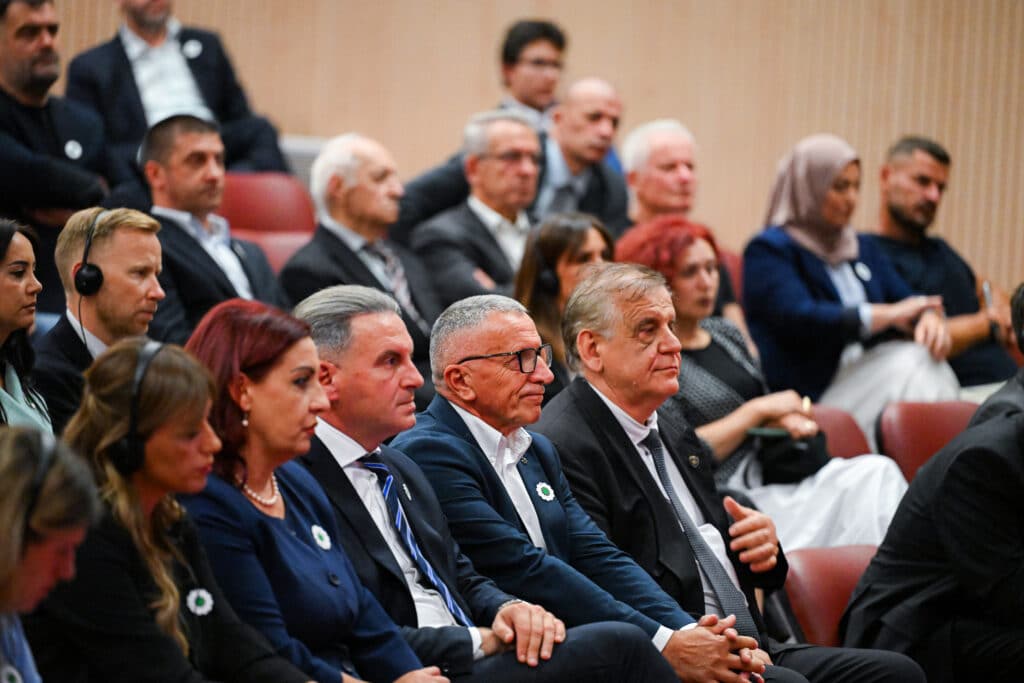
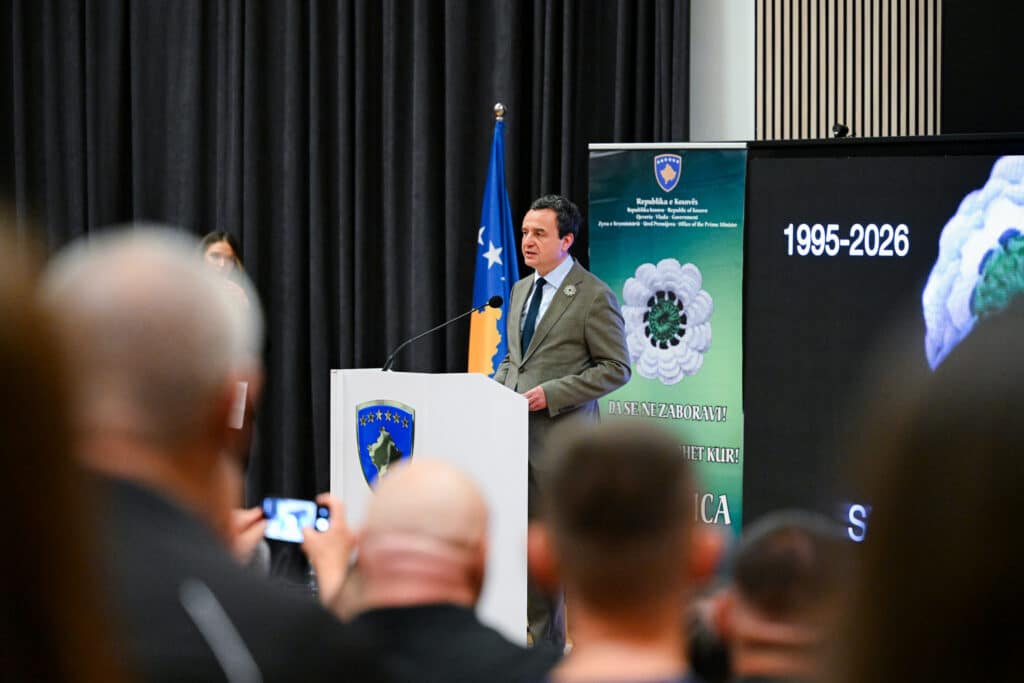
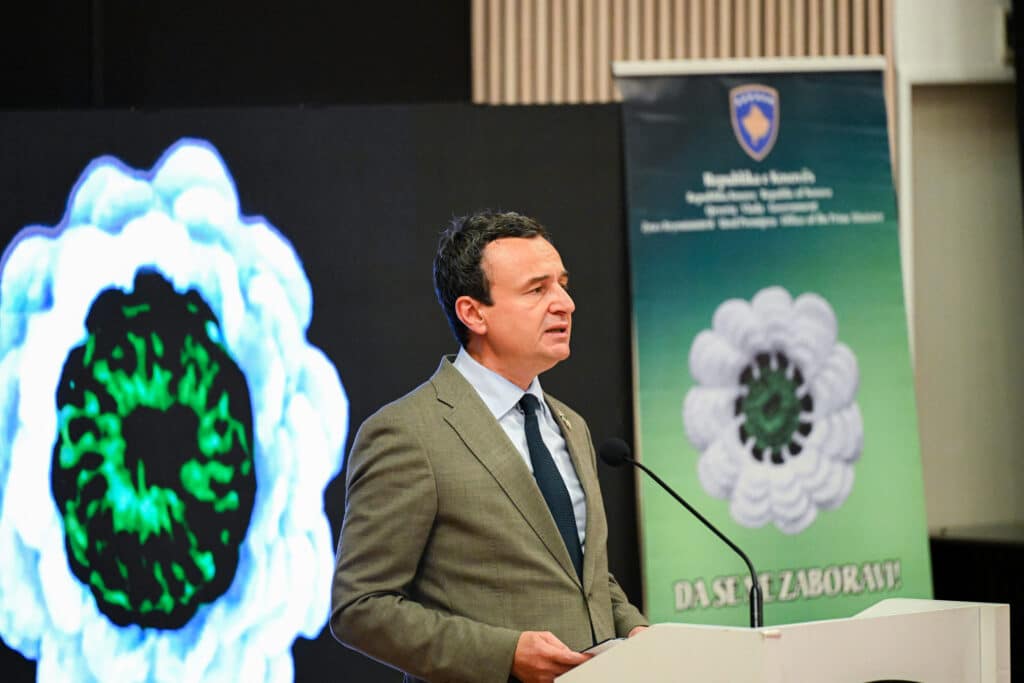
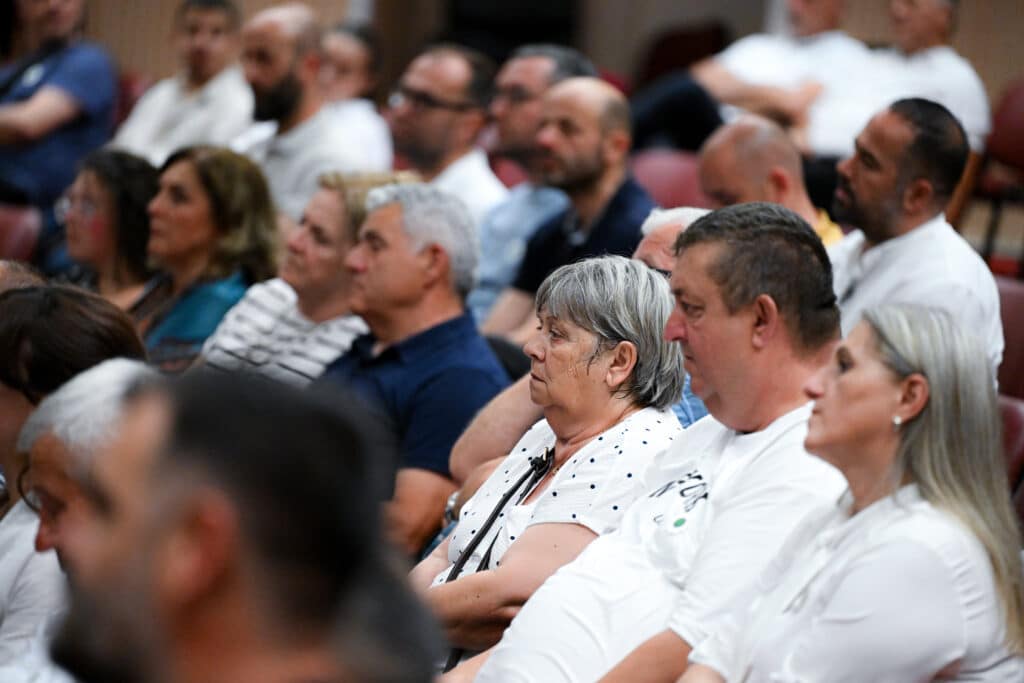
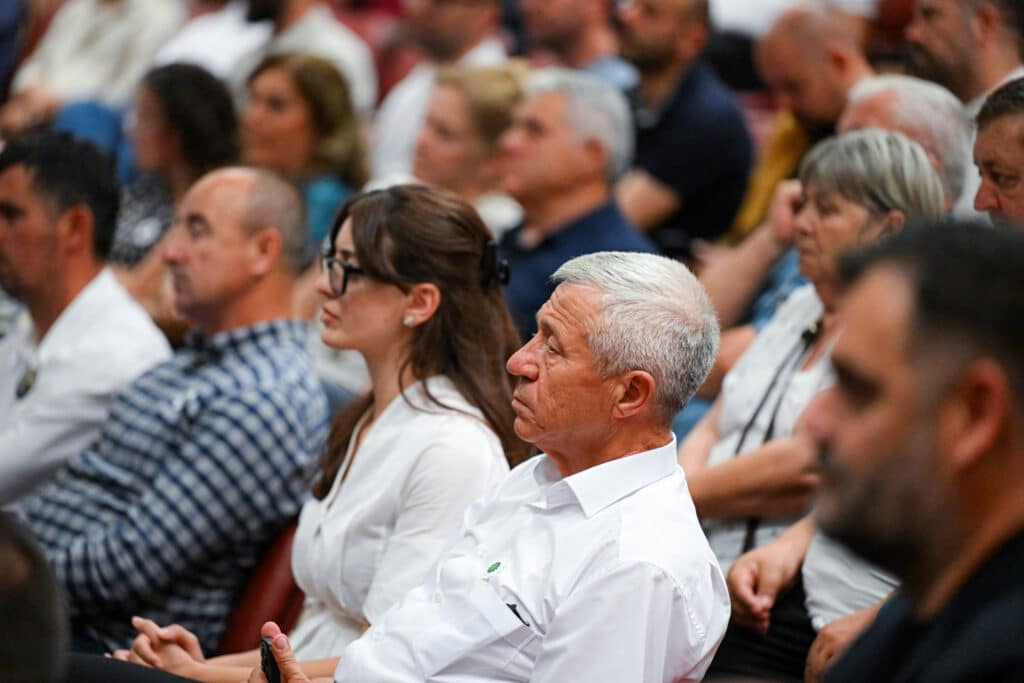
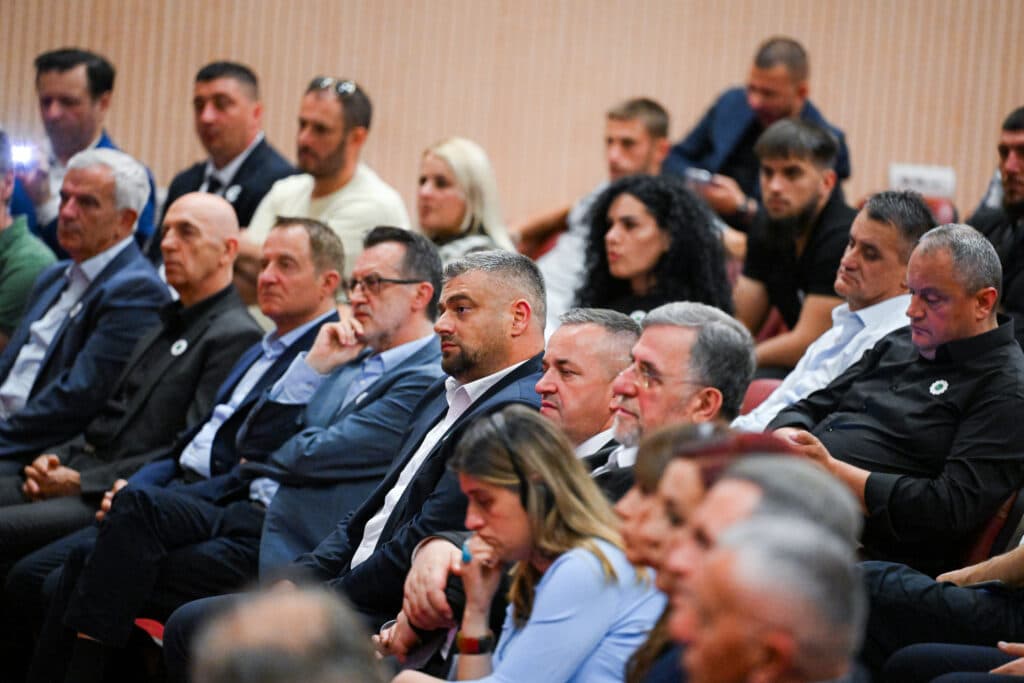
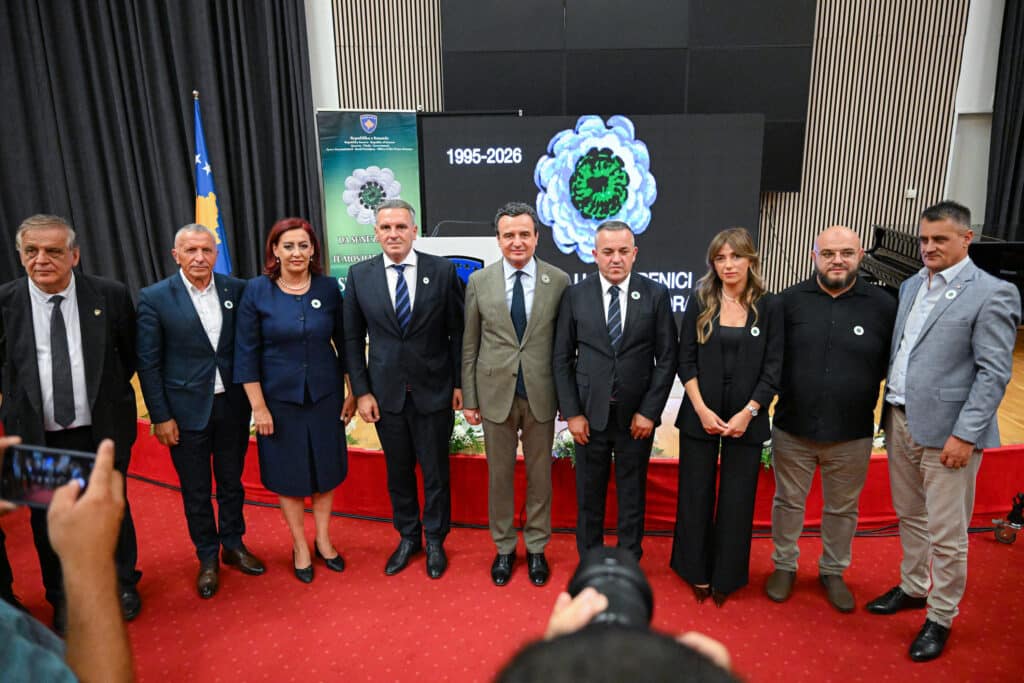
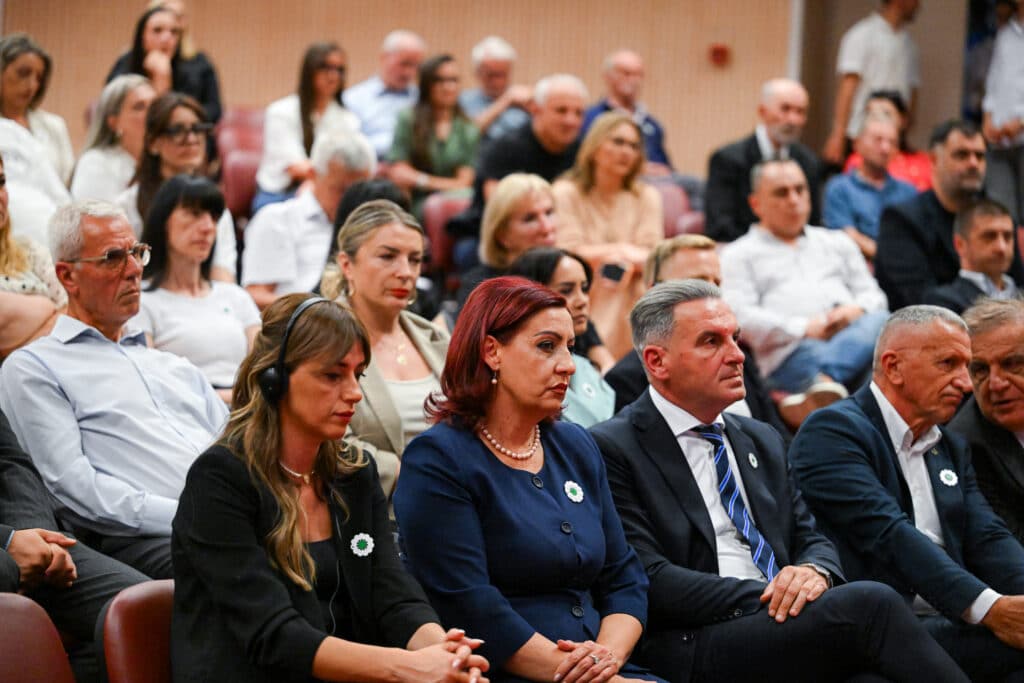
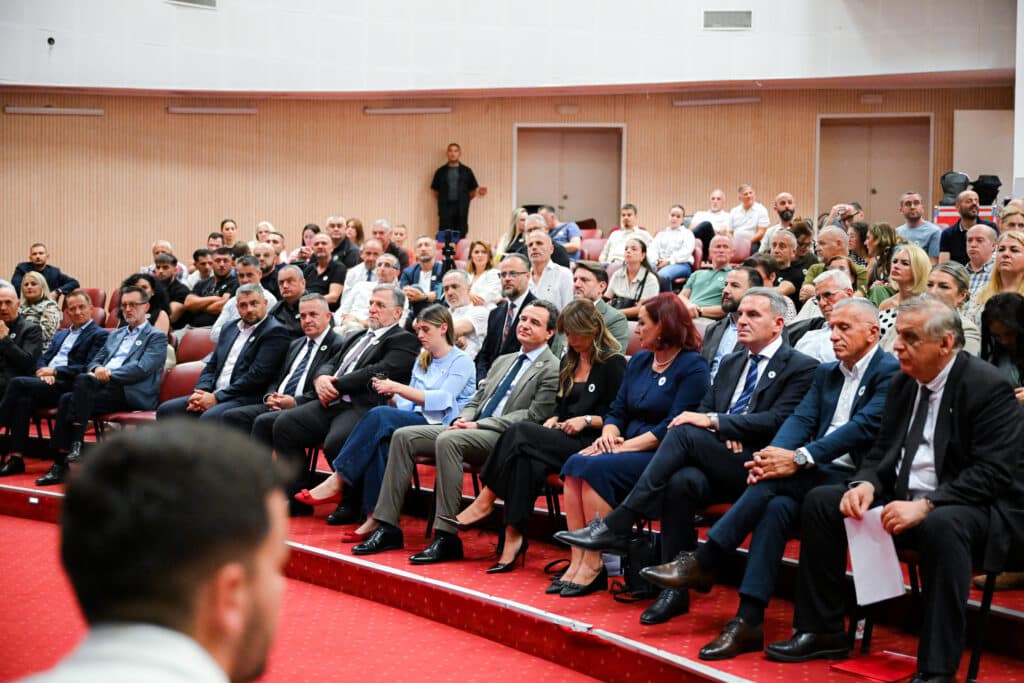
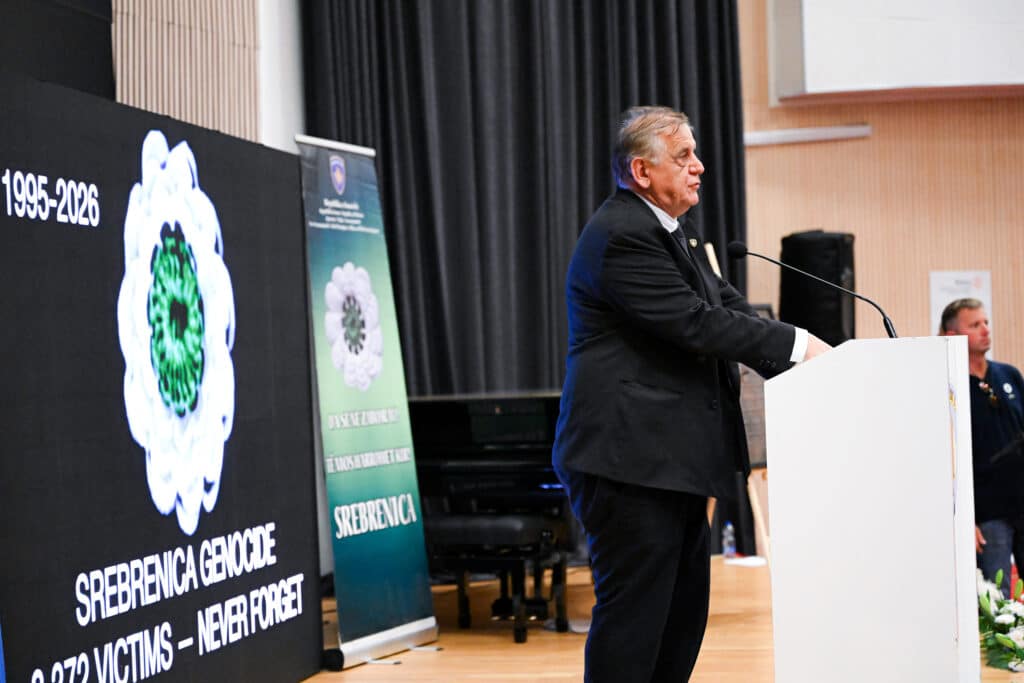
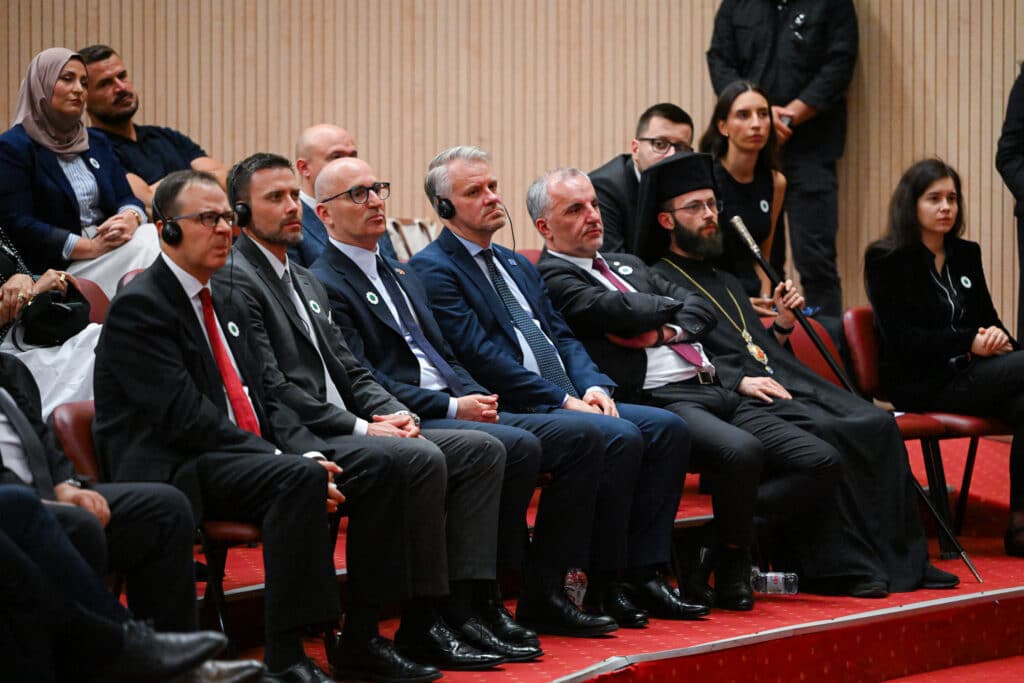
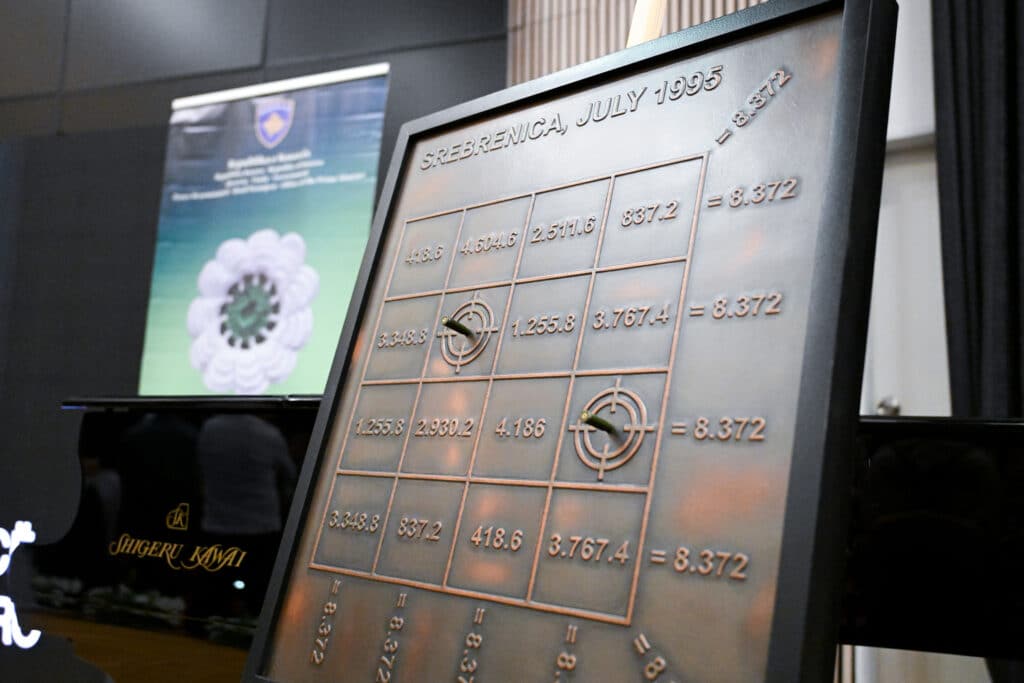
On the eve of 11 July, the Acting Prime Minister of the Republic of Kosovo, Albin Kurti, participated in the commemorative gathering marking the genocide in Srebrenica, organized by the Deputy Speaker of the Assembly, Emilija Rexhepi, and Professor Nexhmedin Spahiu at the Institute of History.
Acting Prime Minister Kurti stated that 11 July 1995 remains a day engraved in Europe’s conscience as testimony to a crime committed against a people, against human dignity, and against the very possibility of coexistence.
“Genocide was committed in Srebrenica. This is the historical, legal and human truth. It is not a matter of opinion, nor a subject that can be softened through diplomatic language. What happened has been established by international justice, including the judgments against Radovan Karadžić and Ratko Mladić, as the political and military leaders of a criminal project. Srebrenica represented the culmination of the systematic violence carried out by Serbia and its political, military and police structures against Bosniaks — violence aimed at ethnic cleansing and the destruction of a people in their own homeland,” said the Prime Minister.
The Prime Minister emphasized that the denial of genocide is neither a political position nor a matter of differing interpretations, but rather an attack on facts, justice, and the possibility of lasting peace.
“The genocide in Srebrenica continues to be denied, despite having been established by international courts, despite the principal perpetrators having been convicted, despite the evidence having been documented and the names of the victims standing in Potočari. When such a crime is denied, it is not only the past that is called into question; the ground is prepared for the same logic to return under a different political language,” he added.
After stating that Serbia does not liberate itself by denying Srebrenica and that denial does not shield the Serbian state from official responsibility, Prime Minister Kurti stressed that the pursuit of truth remains an ongoing obligation.
“We in Kosovo are familiar with the logic of ethnic cleansing, expulsions, mass graves and forcibly disappeared persons. We are also familiar with Serbia’s genocidal intent. Therefore, our solidarity with Srebrenica and with the Bosniak people is not a matter of protocol. It stems from the closeness of experience and from the conviction that the freedom of a people cannot be measured without considering the sacrifices they made for it. Kosovo pays tribute to Srebrenica in order to place truth and justice on the side of those who were targeted for extermination but who nevertheless endured,” Prime Minister Kurti emphasized.
Full Speech by Prime Minister Kurti:
Today we remember Srebrenica. We remember 11 July 1995, a day that remains engraved in Europe’s conscience as testimony to a crime committed against a people, against human dignity, and against the very possibility of coexistence. We bow before a wound that belongs to Bosnia and Herzegovina, yet speaks to the conscience of all humanity.
Genocide was committed in Srebrenica. This is the historical, legal and human truth. It is not a matter of opinion, nor a subject that can be softened through diplomatic language. What happened has been established by international justice, including the judgments against Radovan Karadžić and Ratko Mladić, as the political and military leaders of a criminal project. Srebrenica represented the culmination of the systematic violence carried out by Serbia and its political, military and police structures against Bosniaks — violence aimed at ethnic cleansing and the destruction of a people in their own homeland.
In July 1995, it was not only the lives of thousands of Bosniak men and boys that were targeted. The target was the continuity of a people. The target was their ability to live freely, to be masters of their own land, to have homes, memory, faith and a future. This is precisely what genocide is: the ultimate attack on a people’s right to exist.
Great crimes do not begin on the day they are committed. They begin earlier — in language, in propaganda, in exclusion, in teaching society to view the other as something less than human. Before graves are opened, the road leading to them is opened. Before violence is organized, hatred is organized. Therefore, Srebrenica is not merely the memory of a past tragedy; it is a permanent warning to every society that allows dehumanization to become policy.
This warning carries particular significance today. Political evil rarely returns wearing the same uniform or using the same vocabulary. It learns how to disguise itself. Sometimes it appears as concern for security, sometimes as debate about order, sometimes as the need for stability, and at other times as the defence of national interests. Yet when its essence lies in the denial of the other, when human beings are treated as demographic obstacles, when an entire people is portrayed as a problem that must be removed, new words merely conceal an old danger.
For this reason, democratic societies must be institutionally, morally and politically prepared. They must recognize the language that precedes violence. They must identify actions that may be packaged differently but carry the same logic of ethnic cleansing, subjugation and the elimination of the other. Genocide becomes possible not only when history is forgotten, but also when history is relativized.
The Bosniak people have demonstrated extraordinary dignity. After immense loss, they did not surrender the truth. After injustice, they did not abandon justice. After an attempt at extermination, they persisted in their pursuit of freedom. They did not allow survival to remain merely a wound. They transformed memory into a demand for justice, pain into testimony and loss into resilience. Within that resilience lies moral greatness, the will to live and the conviction that freedom is not a gift of history but a right that must be won, preserved and defended.
The denial of genocide is neither a political position nor a matter of differing interpretations. It is an attack on facts, justice and the possibility of lasting peace. The genocide in Srebrenica continues to be denied, despite having been established by international courts, despite the principal perpetrators having been convicted, despite the evidence having been documented and the names of the victims standing in Potočari. When such a crime is denied, it is not only the past that is called into question; the ground is prepared for the same logic to return under a different political language. Denial distances perpetrators from responsibility, forces victims endlessly to prove their suffering and presents justice as an obstacle to stability. In reality, stability is endangered precisely when crimes are not named and when societies fail to distance themselves from those who committed crimes in their name.
Serbia’s responsibility regarding Srebrenica cannot be closed with silence, nor replaced by a general language of reconciliation. Genocide was not an accidental deviation of history, but the consequence of a policy that transformed domination into a project, propaganda into preparation for violence and the state apparatus into an instrument of ethnic cleansing. The judgments against political and military leaders assigned criminal responsibility where it belongs, but without a clear institutional and societal distancing from the ideology that made the crime possible, justice remains incomplete and peace remains fragile.
Serbia does not free itself by denying Srebrenica. Denial protects neither the state from official responsibility nor the people from collective responsibility; on the contrary, it holds society hostage to a legacy that must be acknowledged in order to be overcome. Accepting the truth is not humiliation, and repentance is not weakness. They are prerequisites for state maturity, moral responsibility and neighbourly relations built not upon fear but upon acknowledgment of the crime, respect for the victims and the guarantee that such a policy will never be repeated.
The pursuit of truth remains an ongoing obligation. After victims have been deprived of the lives and presence of their loved ones, denial seeks to deprive them even of the meaning of what happened. It seeks to leave the crime unnamed, the perpetrator without responsibility and the victim without public truth. Potočari stands in opposition to this every single day. It is not merely a burial site but a place of testimony. There, every name refutes denial and every grave restores the history of responsibility.
The Mothers of Srebrenica have carried this truth upon their shoulders for three decades. They have sought justice without losing their dignity, testified without abandoning humanity and opened the gates of Potočari to all who come with respect, sincere repentance and readiness to accept the truth. Their outstretched hand is not a sign of forgetting. It is a call for repentance, not permission for denial.
We in Kosovo are familiar with the logic of ethnic cleansing, expulsions, mass graves and forcibly disappeared persons. We are also familiar with Serbia’s genocidal intent. Therefore, our solidarity with Srebrenica and with the Bosniak people is not a matter of protocol. It stems from the closeness of experience and from the conviction that the freedom of a people cannot be measured without considering the sacrifices they made for it. Kosovo pays tribute to Srebrenica in order to place truth and justice on the side of those who were targeted for extermination but who nevertheless endured.
Today, on behalf of the Republic of Kosovo, we pay tribute to those killed in Srebrenica. We pay tribute to their families. We pay tribute to the Bosniak people for their dignity, resilience and determination for freedom. We honour their right to live freely, equally and securely in their own homeland.
May Srebrenica remain in our memory as the name of a truth that cannot be extinguished; as a call for justice that does not fade with time; and as proof that a people may be deeply wounded but cannot be defeated so long as it continues to stand upon its dignity.
Thank you!