Prishtina, 11 July 2026
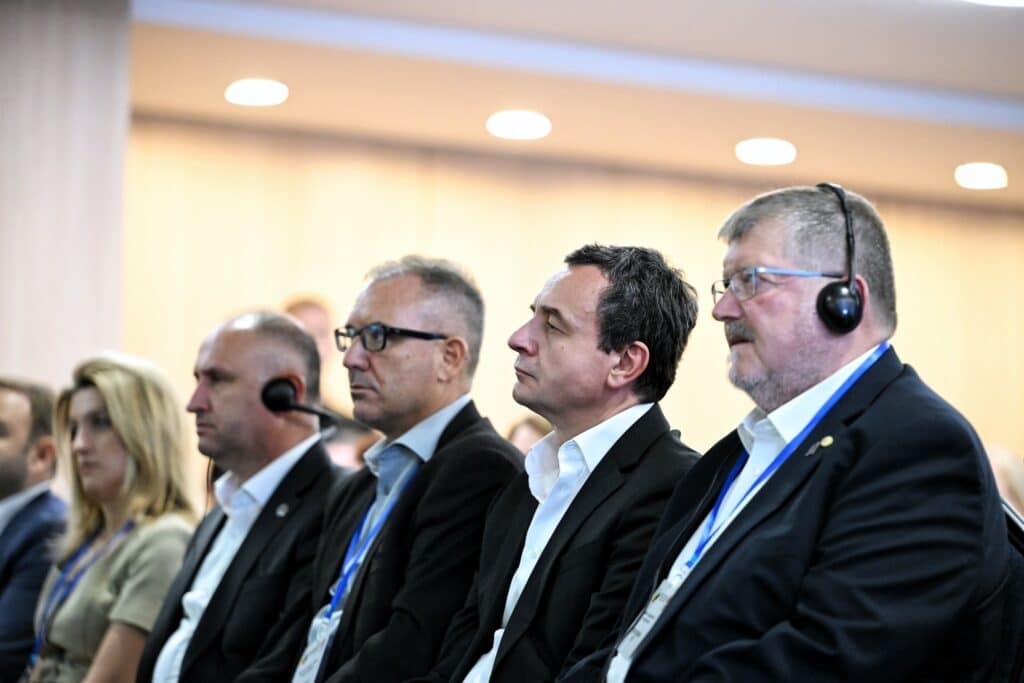
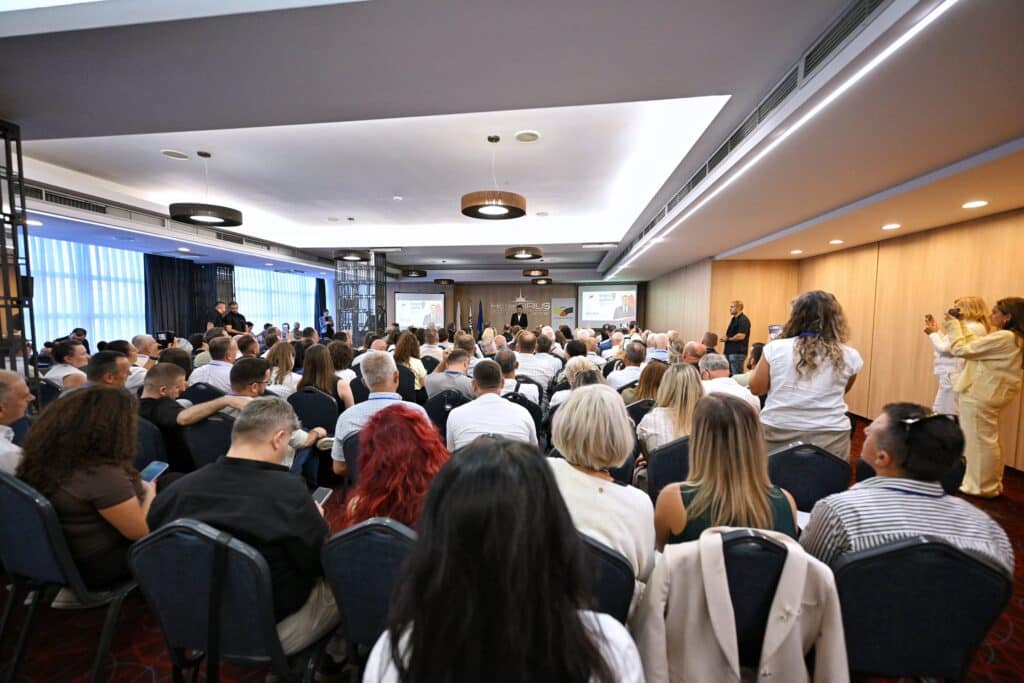
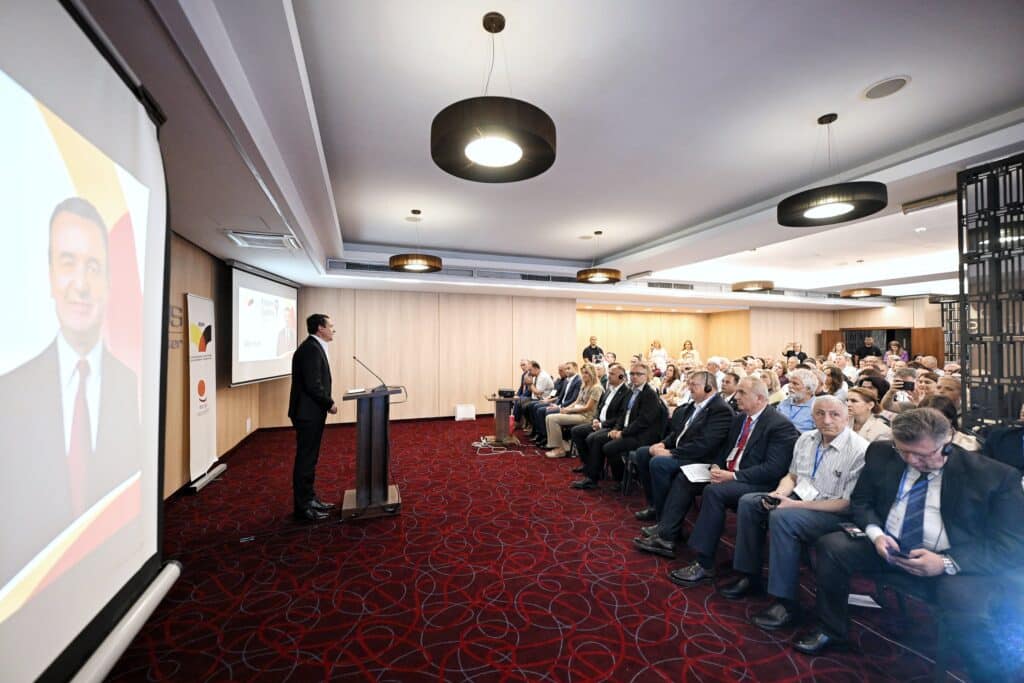
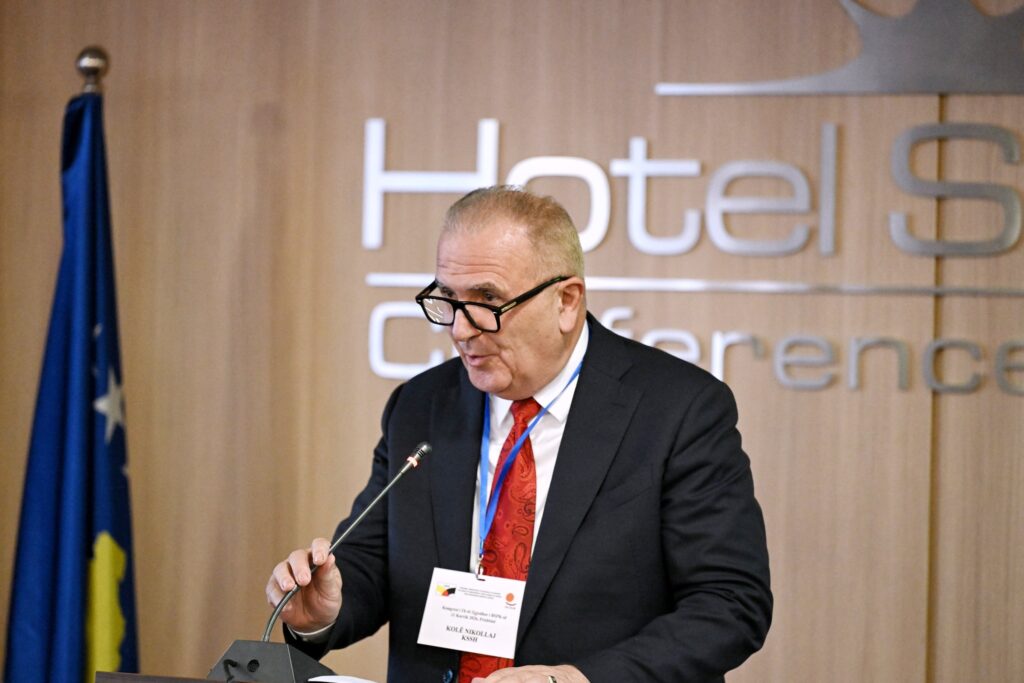
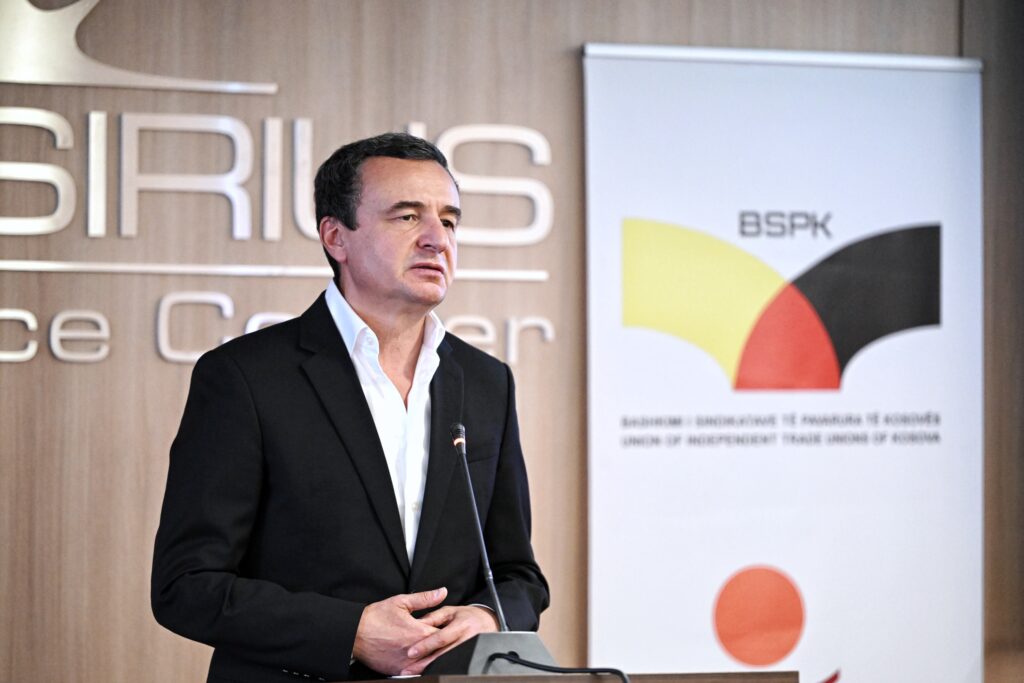
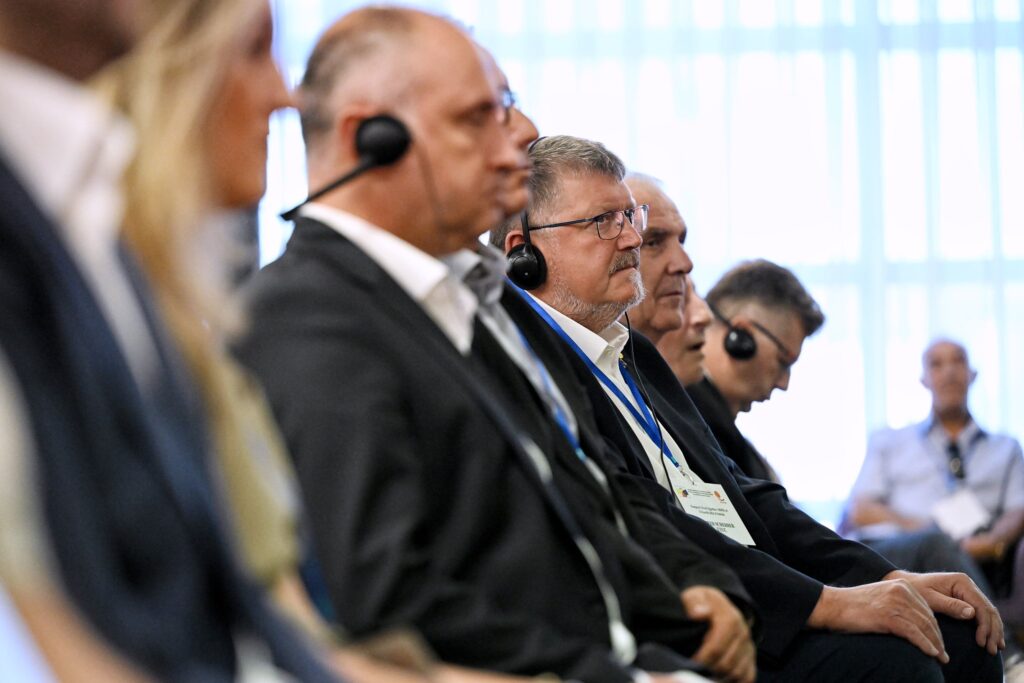
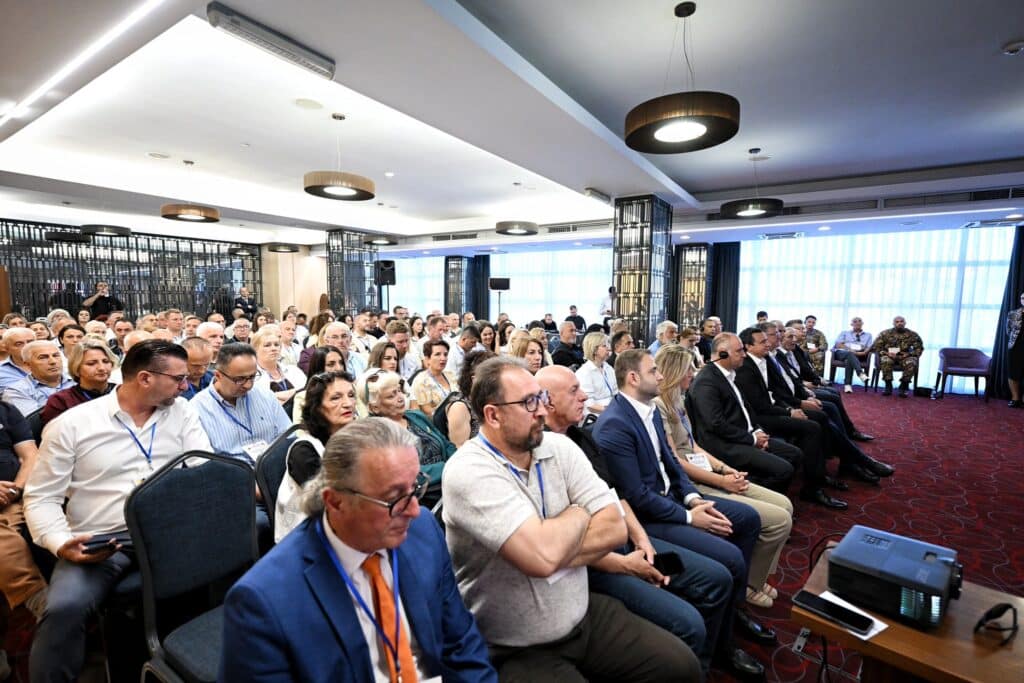
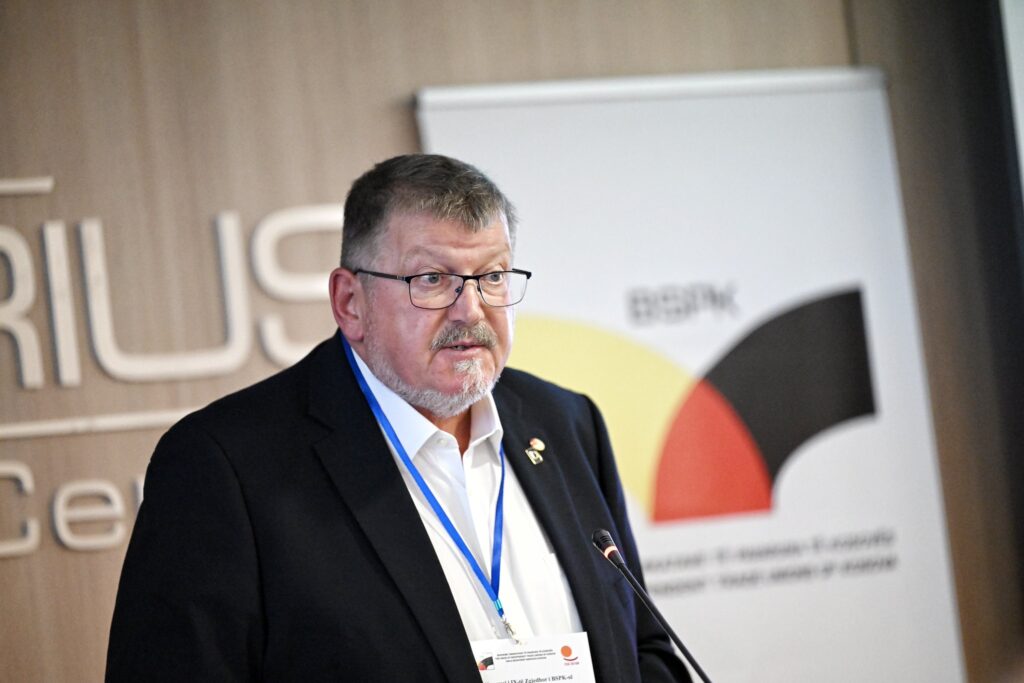
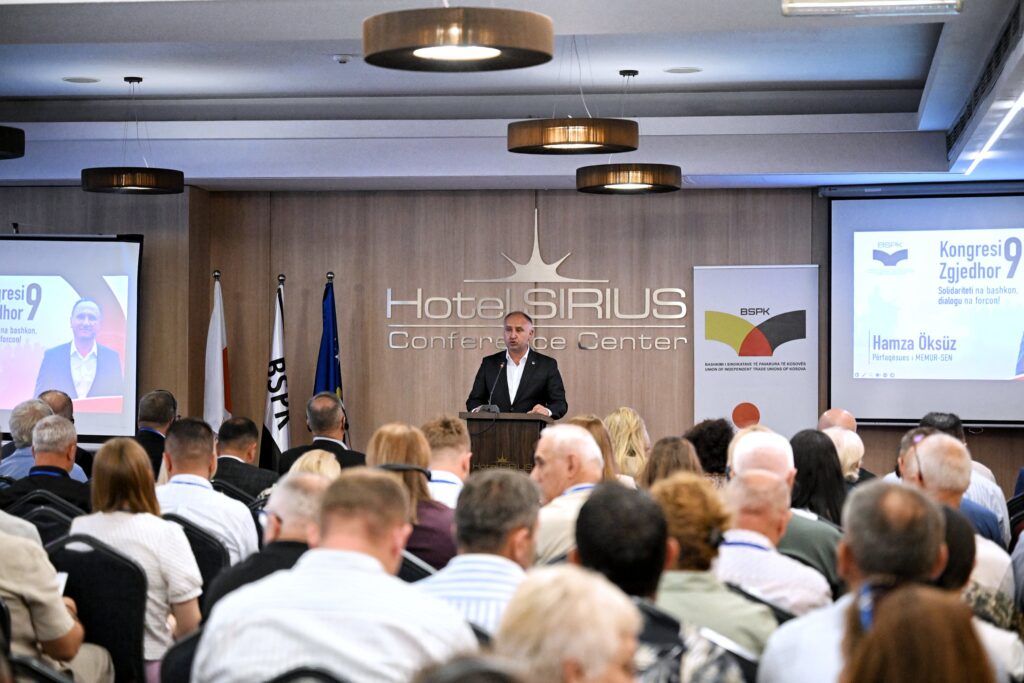
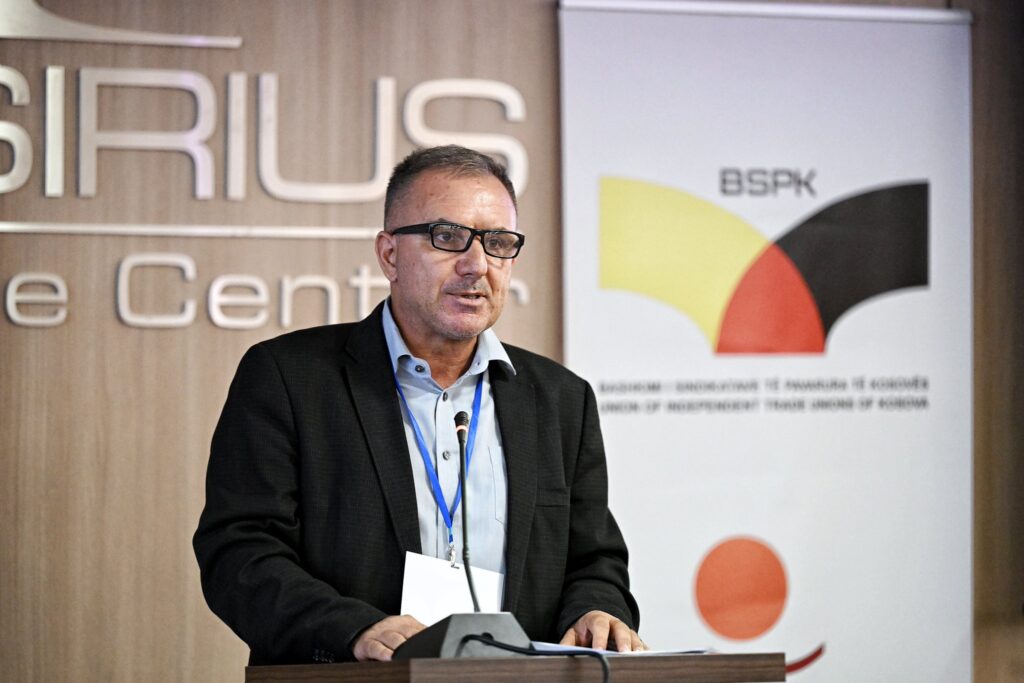
The Acting Prime Minister of the Republic of Kosovo, Albin Kurti, was invited to attend the 9th Electoral Congress of the Union of Independent Trade Unions of Kosovo.
Congratulating the unions for their work in protecting workers’ rights and for their role in strengthening social dialogue in the country, Acting Prime Minister Kurti stated that Kosovo is going through an important phase of economic and institutional consolidation, and that workers remain the main pillar of the country’s development in this process.
On this occasion, he stressed that one of the primary issues of social justice is the minimum wage, noting that for more than a decade the minimum wage in Kosovo remained unchanged.
“Since 2011, the minimum wage had remained at €130 and €170, depending on the age of the worker, namely whether one was above or below the age of 35. This prolonged period of stagnation created serious difficulties for private sector workers,” said Acting Prime Minister Kurti, adding that during our term in office the minimum wage increased from €130 and €170 to €250, then to €350, later to €425, and as of 1 July this year the minimum wage stands at €500 gross, benefiting approximately 150,000 private sector workers.
Addressing those present, he emphasized that a particular priority of the Government remains strengthening institutions that guarantee the implementation of labour legislation. In this regard, the Central Labour Inspectorate is being reinforced, and in June 2026 a recruitment competition was launched for 39 new inspectors, of whom 24 will focus on occupational safety and health and 15 on labour relations.
At the same time, he said that efforts are under way to improve the legal framework in the field of labour, with the aim of ensuring fairer worker representation, expanding social dialogue and creating a more sustainable balance between employees and employers.
Full Speech by Acting Prime Minister Kurti:
Good afternoon everyone,
First of all, allow me to apologize for being late, as we were in the Llapi region as part of the grain harvest campaign, specifically in Shtedim and, more specifically still, with farmer Malësor Sejdiu, who cultivates 140 hectares of land. It is encouraging news that this year we expect yields of between 4 and 5 tonnes per hectare. This will be a year in which production is expected to exceed consumption, and it was precisely in Shtedim, in the Municipality of Podujeva, at farmer Malësor Sejdiu’s farm, that we learned that yields there are expected to reach as much as 6 tonnes per hectare. So, a successful summer harvesting season awaits us throughout July and into early August, so that we may have as much bread on our table as possible from our own land. Compared to five years ago, the number of farmers cultivating wheat and producing yields has quadrupled in 2026, while the budget we have allocated for these farmers has increased sevenfold.
Honourable President of the Union of Independent Trade Unions of Kosovo, Mr. Atdhe Hykolli,
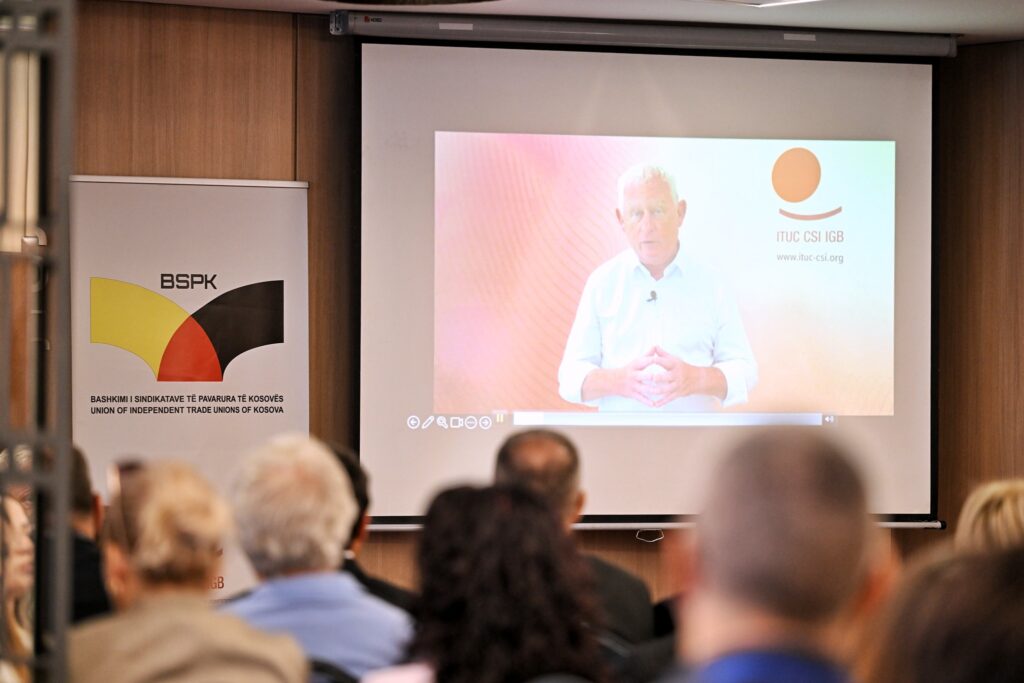
Honourable Mr. Luc Triangle, General Secretary of the International Trade Union Confederation,
Honourable Mr. Peter Scherrer, Deputy General Secretary of the European Trade Union Confederation,
Honourable delegates from the trade union federations of BSPK,
Dear friends from different countries of the world, leaders and representatives of various trade union organisations,
Dear workers,
Distinguished guests,
Ladies and gentlemen,
Welcome to the 9th Electoral Congress of BSPK. I congratulate you on your work in protecting workers’ rights and for your role in strengthening social dialogue in our country.
Our country is going through an important phase of economic and institutional consolidation, and in this process, workers remain the principal pillar of the country’s development. Therefore, our policies are directed towards building a fairer and more dignified labour market for all.
One of the primary issues of social justice is the minimum wage. For more than a decade, the minimum wage in our country remained unchanged. Since 2011, it stood at €130 and €170 depending on the age of the worker, namely whether the worker was younger or older than 35 years of age. This long period of stagnation created severe difficulties for workers in the private sector.
Meanwhile, the minimum wage has increased, as it has been raised gradually and continuously: from €130 and €170, first to €250 during our term in office, then to €350, subsequently to €425, and as of 1 July this year, the minimum wage stands at €500 gross. Approximately 150,000 private sector workers benefit from this increase.
This clearly demonstrates that after a decade of stagnation, the minimum wage has tripled within a much shorter period. It is clear evidence that economic growth must always be accompanied by improved citizens’ welfare and better conditions for workers.
A particular priority of our Government remains strengthening the institutions that guarantee the implementation of labour legislation.
In this regard, the Central Labour Inspectorate is being strengthened. Only a few weeks ago, in June 2026, a recruitment competition was launched for 39 new inspectors, including 24 for occupational safety and health and 15 for labour relations. This is an important step towards increasing inspection capacities and strengthening the implementation of labour legislation on the ground.
At the same time, we are working to improve the legal framework in the field of labour, with the aim of ensuring fairer worker representation, expanding social dialogue and creating a more sustainable balance between employees and employers.
Furthermore, through the Employment Agency of the Republic of Kosovo, we have expanded active employment schemes aimed at creating new jobs. These include the “Superpuna” programme, as well as other support schemes for businesses, with the clear long-term objective of supporting the employment of young people, women and other groups facing difficulties in the labour market. These measures aim not only to increase employment but also to guarantee sustainable and long-term employment. As President Hykolli pointed out, we must reduce unemployment, but we must also improve workers’ security, both in terms of increasingly dignified working conditions and in terms of establishing and strengthening trade unions, especially in the private sector, as well as increasing workers’ incomes.
You are also aware that we now have a ministry that explicitly includes labour in its title — the Ministry of Labour, Family and the Values of the Liberation War. In addition, we have sought to support workers by supporting their family members as well. From child allowances and financial support for mothers on maternity leave, to increases in basic pensions and one-off support payments provided on seven occasions during the last five years for our elderly citizens.
In this way, we are seeking to build a model of cooperation in which institutions and businesses are seen as partners in economic development and job creation. It is true that challenges remain, but the direction is clear: strengthening workers’ rights, improving labour standards and building an economy that works for the citizen.
Social dialogue remains an important instrument for achieving this objective, and we remain committed to continued cooperation with BSPK and other partners.
I am grateful for your contribution and wish you successful proceedings at this Congress, as well as success to the new leadership that will be elected.
Thank you for the invitation and for your attention.