Prishtina, 16 April 2026
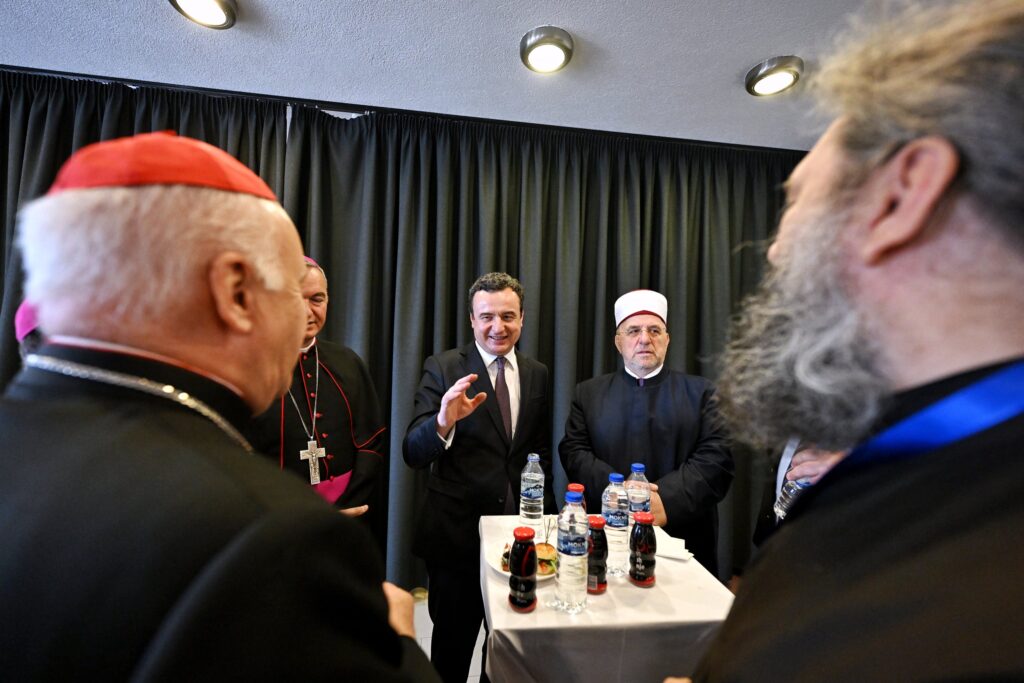
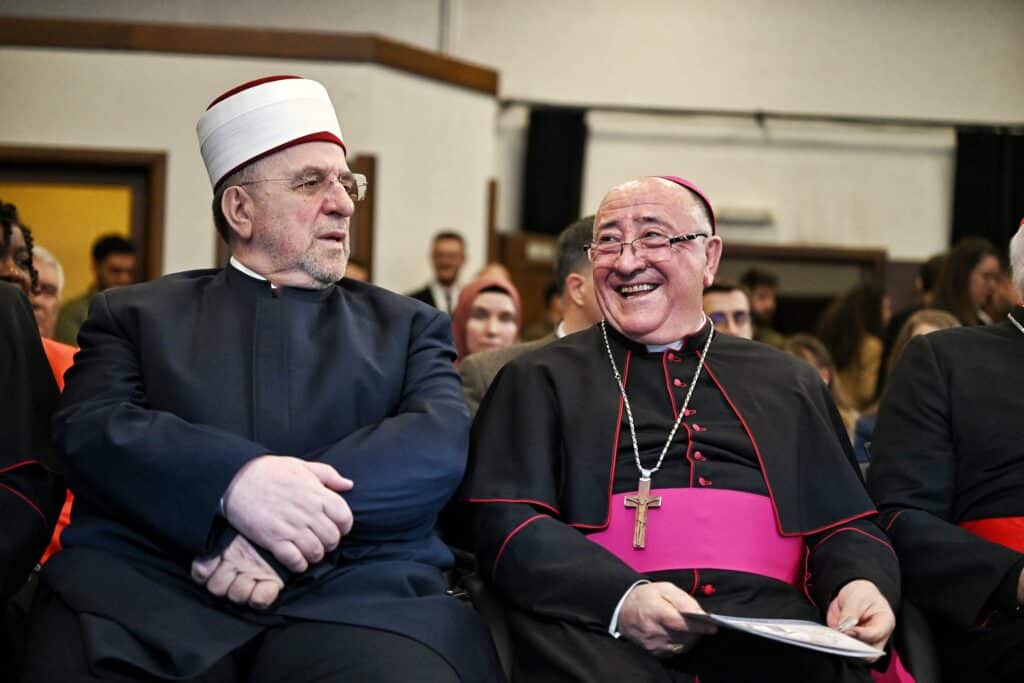
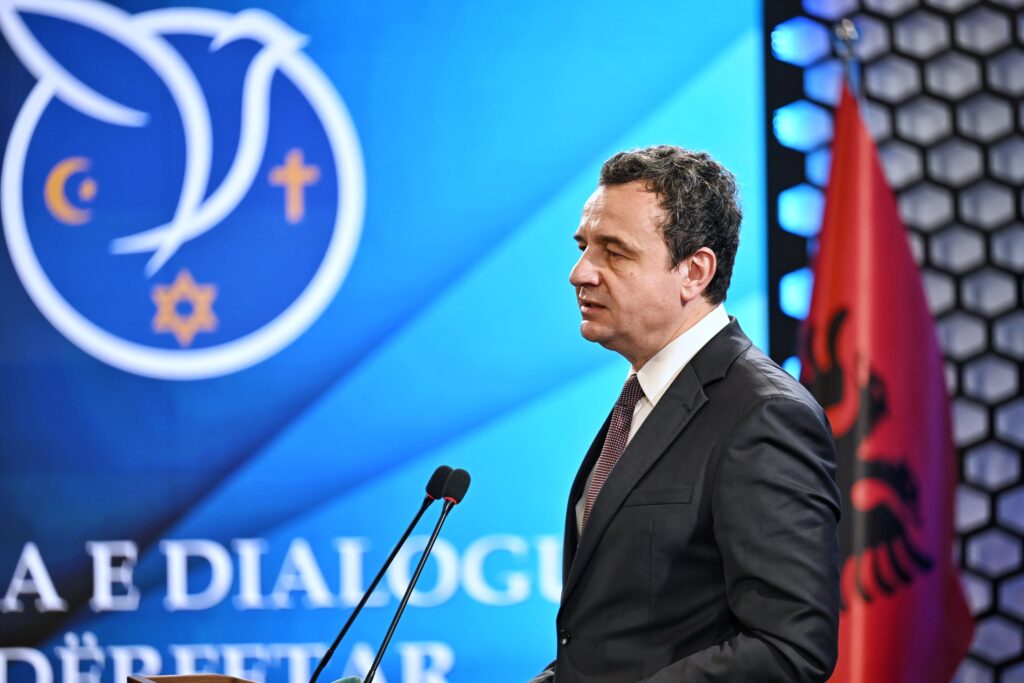
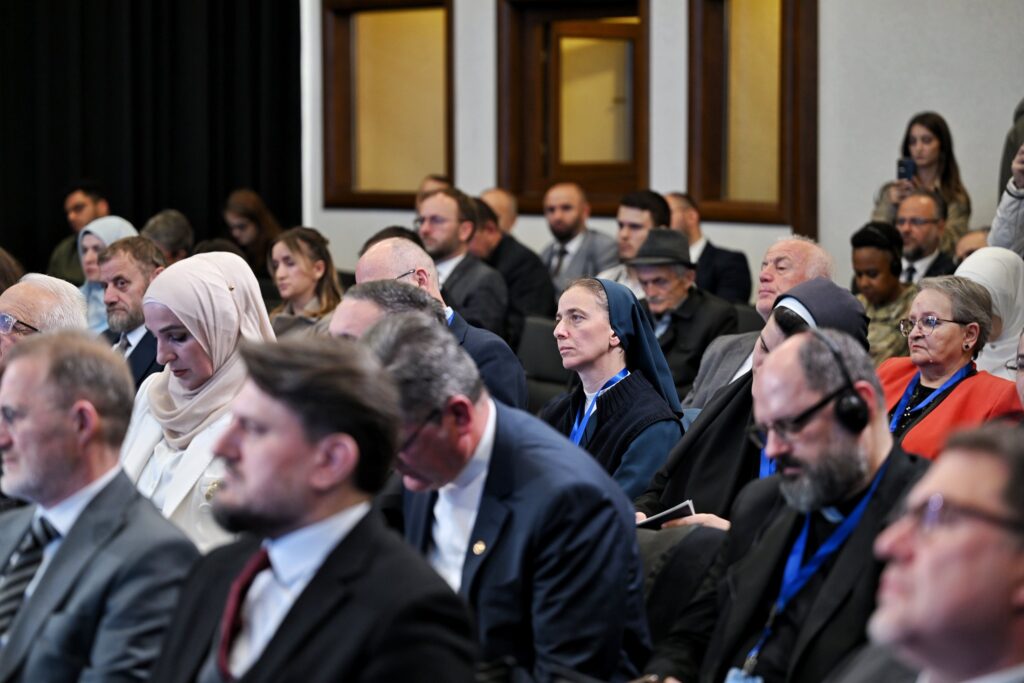
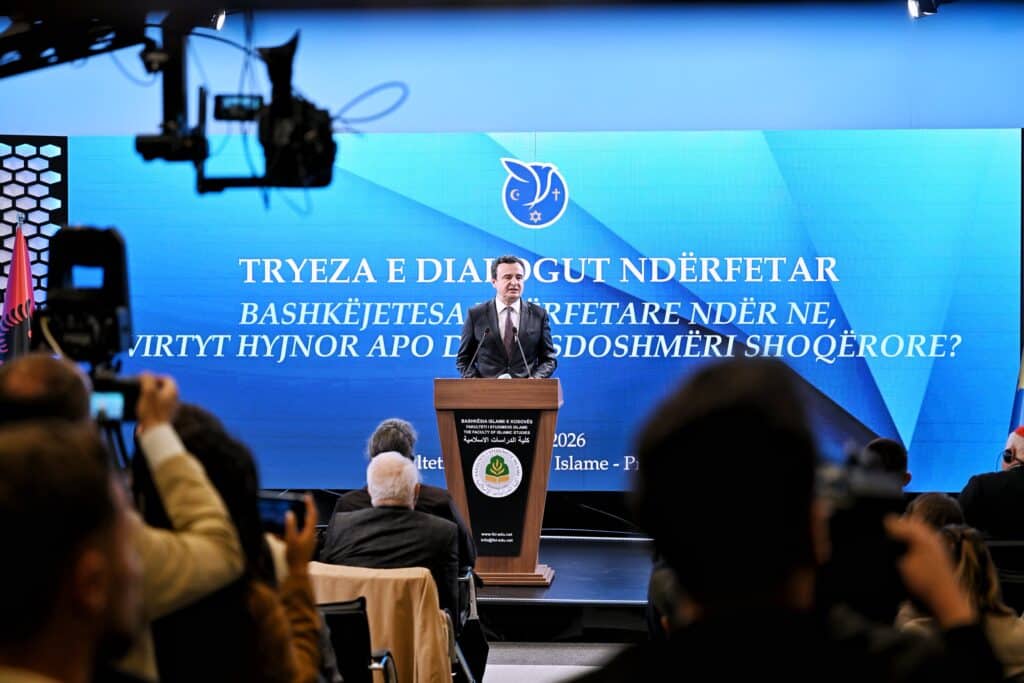
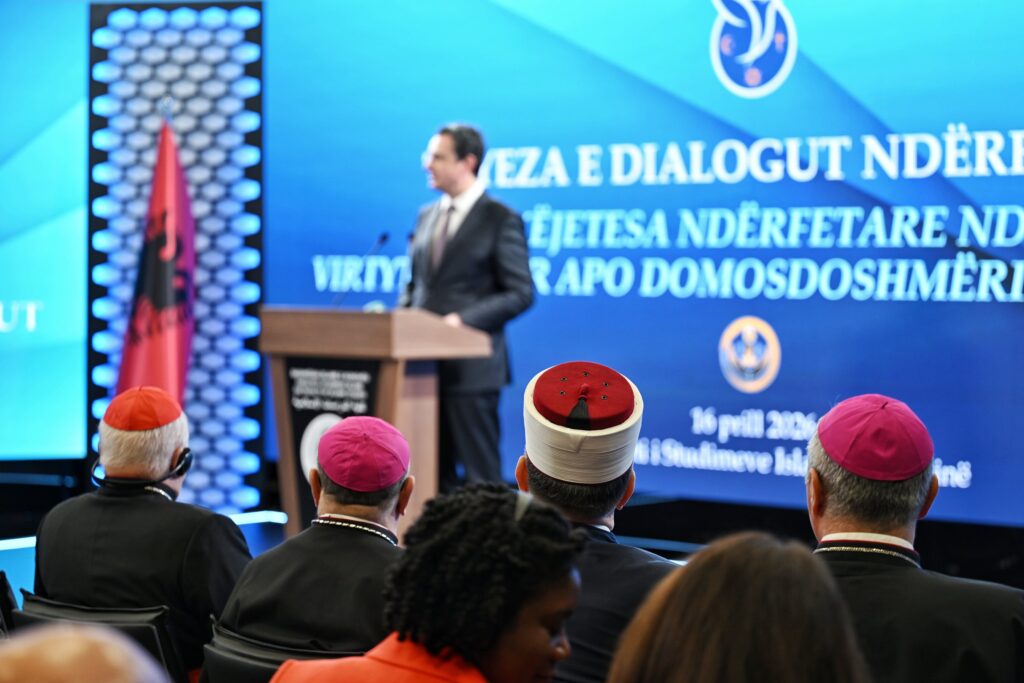
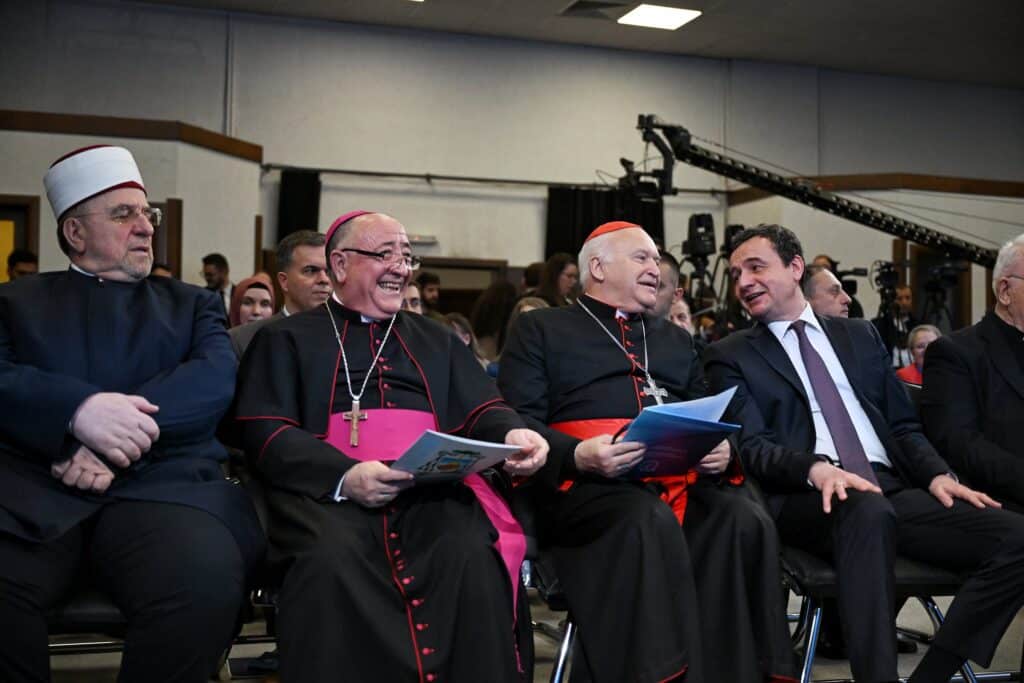
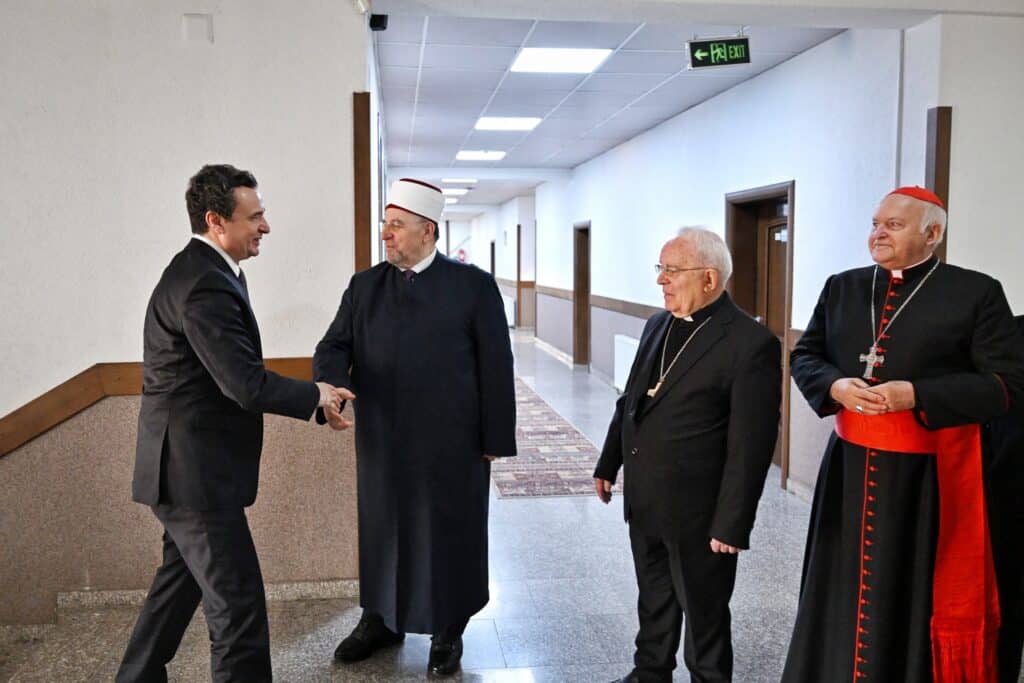
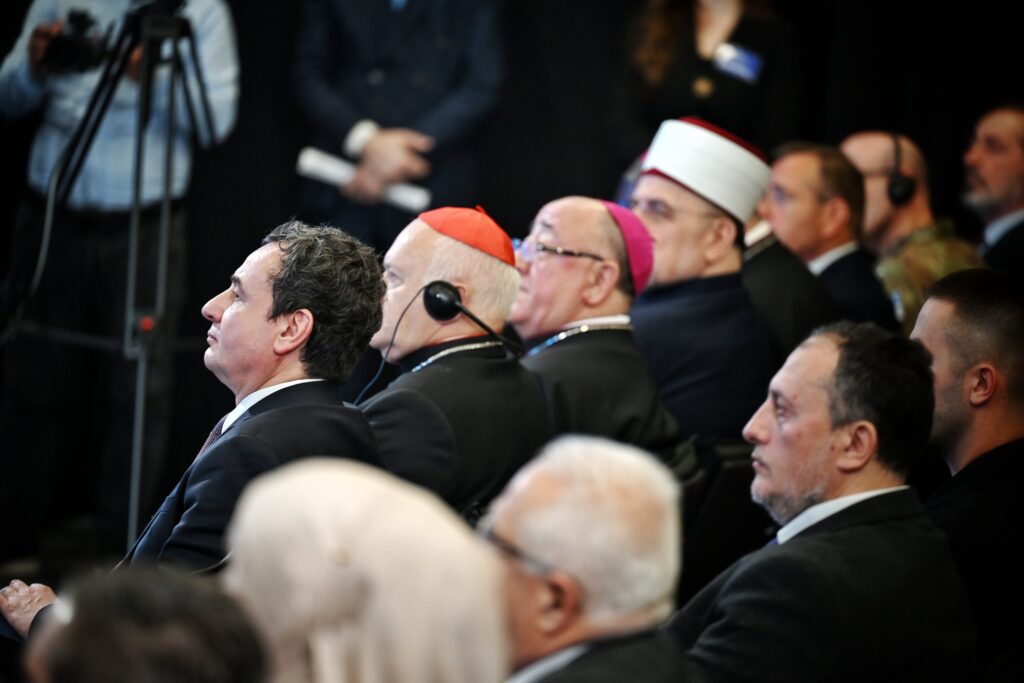
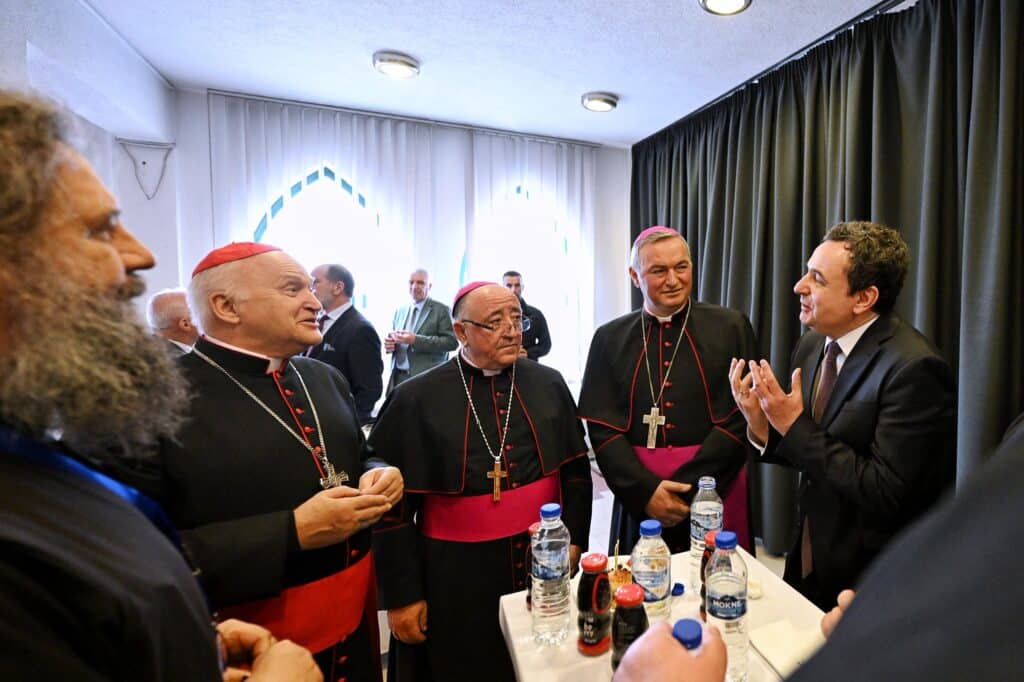
The Prime Minister of the Republic of Kosovo, Albin Kurti, participated in the interfaith dialogue roundtable “Interreligious Coexistence Among Us: Divine Virtue or Social Necessity?”
Full speech of Prime Minister Kurti:
Honourable Mr. Zef Gashi, President of the “Drita” Foundation,
Honourable religious leaders: Bishop Dodë Gjergji, Mufti Naim Tërnava, Pastor Artur Krasniqi, Abbot Andrej Sajc,
Honourable Cardinal Mr. Ladislav Nemet,
Honourable Archbishop of the Metropolitan Archdiocese of Tirana–Durrës, Arjan Dodaj,
Honourable representatives of religious communities,
Honourable institutional representatives and international partners,
Honourable participants,
Sisters and brothers,
Ladies and gentlemen,
I am honored to be among you today at this interfaith dialogue roundtable. This is an important way for us to understand one another, and also to better understand ourselves.
I would like to thank the organizers for the invitation and for their commitment in bringing together key actors and institutions—from religious communities to institutional representatives and international partners—in order to strengthen ties and cooperation for the advancement of diversity and mutual understanding.
Considering the circumstances created in recent years—as a result of the global pandemic, bloody conflicts, environmental challenges, and energy and economic crises—we are becoming increasingly aware of, and responsible for, the importance of solidarity and coordination among countries and institutions in addressing the challenges facing our societies in these times of major global change.
Religious freedom undoubtedly remains one of the fundamental universal human rights, serving as a foundation of a democratic and inclusive society, and it will always help us overcome difficulties more easily and more swiftly. At the same time, cultural and religious heritage represents a shared wealth that connects communities, strengthens identity, and fosters mutual understanding. Therefore, our policies aim to protect cultural heritage and place it in the service of peace, coexistence, and social development, while always respecting and implementing religious freedom as a fundamental human right.
In Kosovo, interreligious coexistence is not only a modern aspiration but also a historical tradition built over centuries on respect and coexistence. It remains a core value of our society, contributing to the preservation of cohesion and stability, and demonstrating that diversity is not a source of division, but a shared asset that must be preserved and cultivated for future generations.
In this regard, the Government of the Republic of Kosovo has undertaken concrete steps to protect, preserve, and promote cultural and religious values throughout our country for all communities, without excluding any citizen. Mosques, hammams, tekkes, Catholic and Orthodox churches, Jewish cultural centres—as well as other monuments of historical value—have been and continue to be restored, transforming them into vibrant spaces of memory, faith, and dialogue among communities. Where people come together, the government will always stand close to them.
Furthermore, continuous measures have been taken to ensure the functionality of these sites so that they serve both believers and the broader community, while strengthening communication and interreligious coexistence in our country. You may have noticed that I use the term coexistence rather than tolerance, because we are beyond tolerance—we are at coexistence, interaction, cooperation, coordination; in other words, we are at true interreligious coexistence.
These efforts reflect our commitment to ensuring that religious heritage remains a bridge of dialogue, respect, and coexistence among communities.
In the Republic of Kosovo, cultural and religious diversity remains one of the fundamental pillars of our democratic and inclusive state. The contribution of all religious communities to social, educational, and cultural life is invaluable and constitutes an important part of our shared development and progress.
In line with the theme of this roundtable—“Interreligious Coexistence Among Us: Divine Virtue or Social Necessity?”—I believe that the answer lies within the question itself, in the intersection of the two. It is a virtue that comes from above, but at the same time a necessity that arises from below—for the peace and development of our societies.
In this spirit, religious communities in Kosovo remain indispensable partners in building a future based on trust, respect, and harmony for sustainable societies.
Thank you!