Prishtina, 4 November 2026
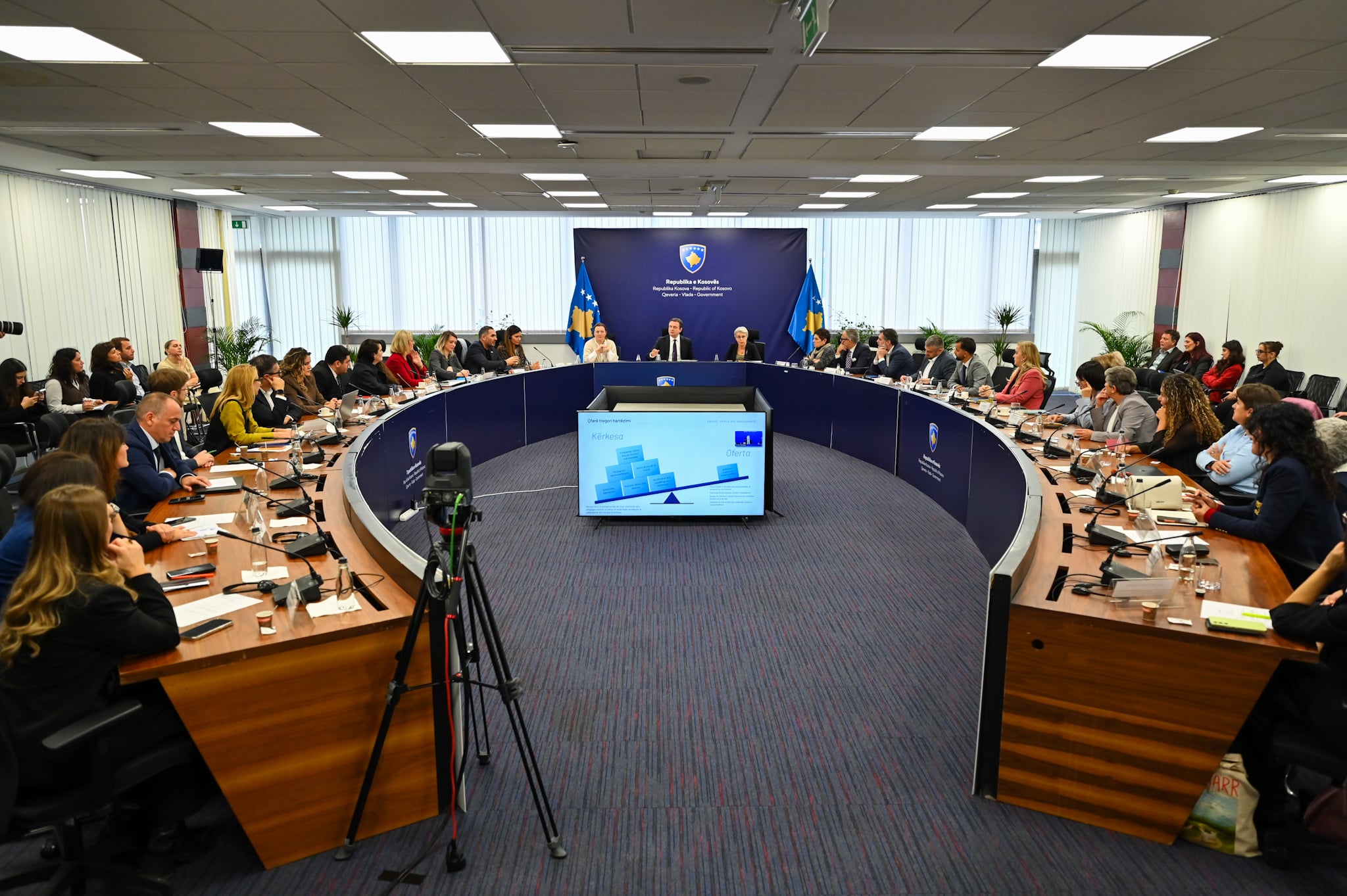
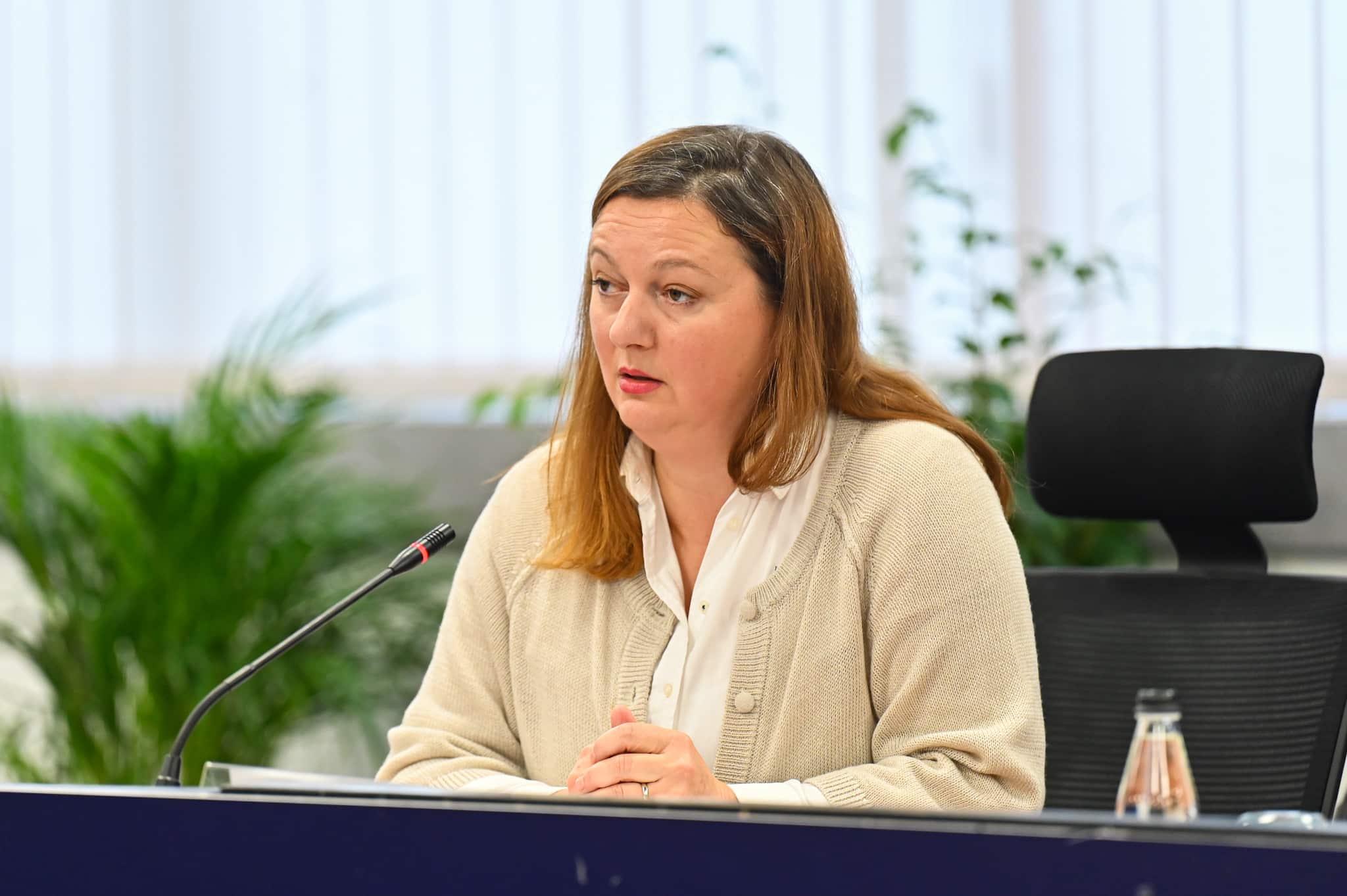
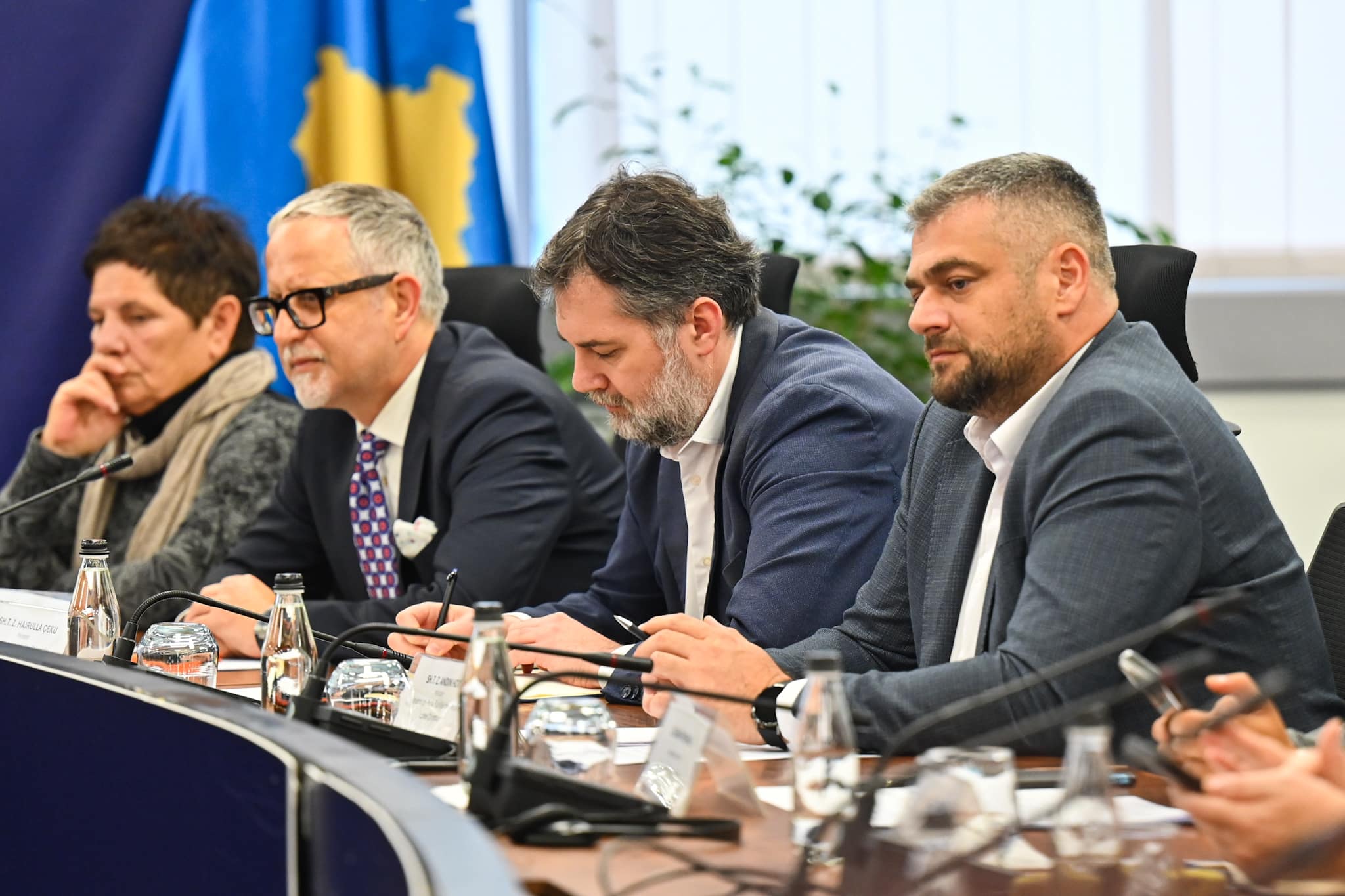
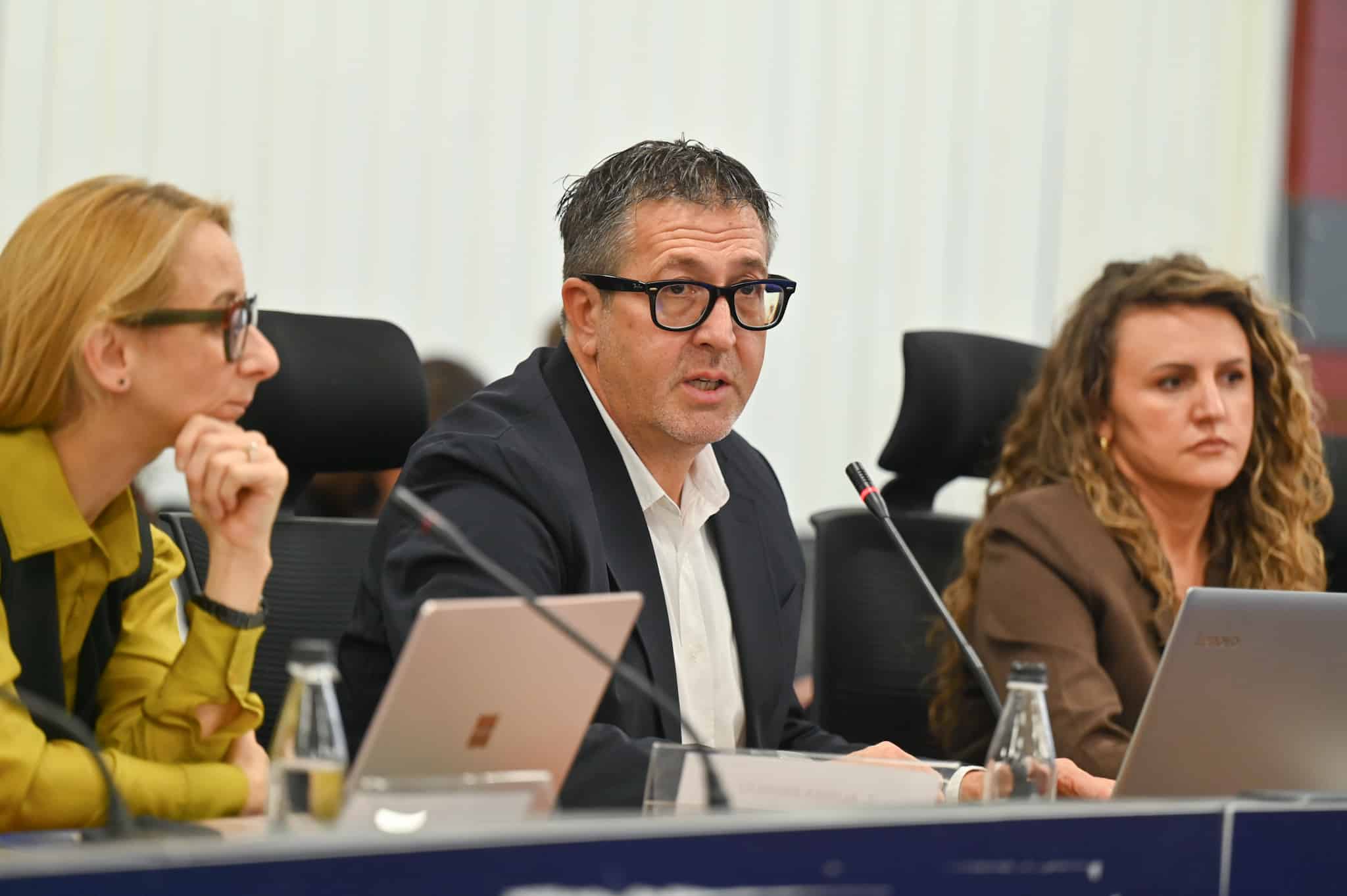
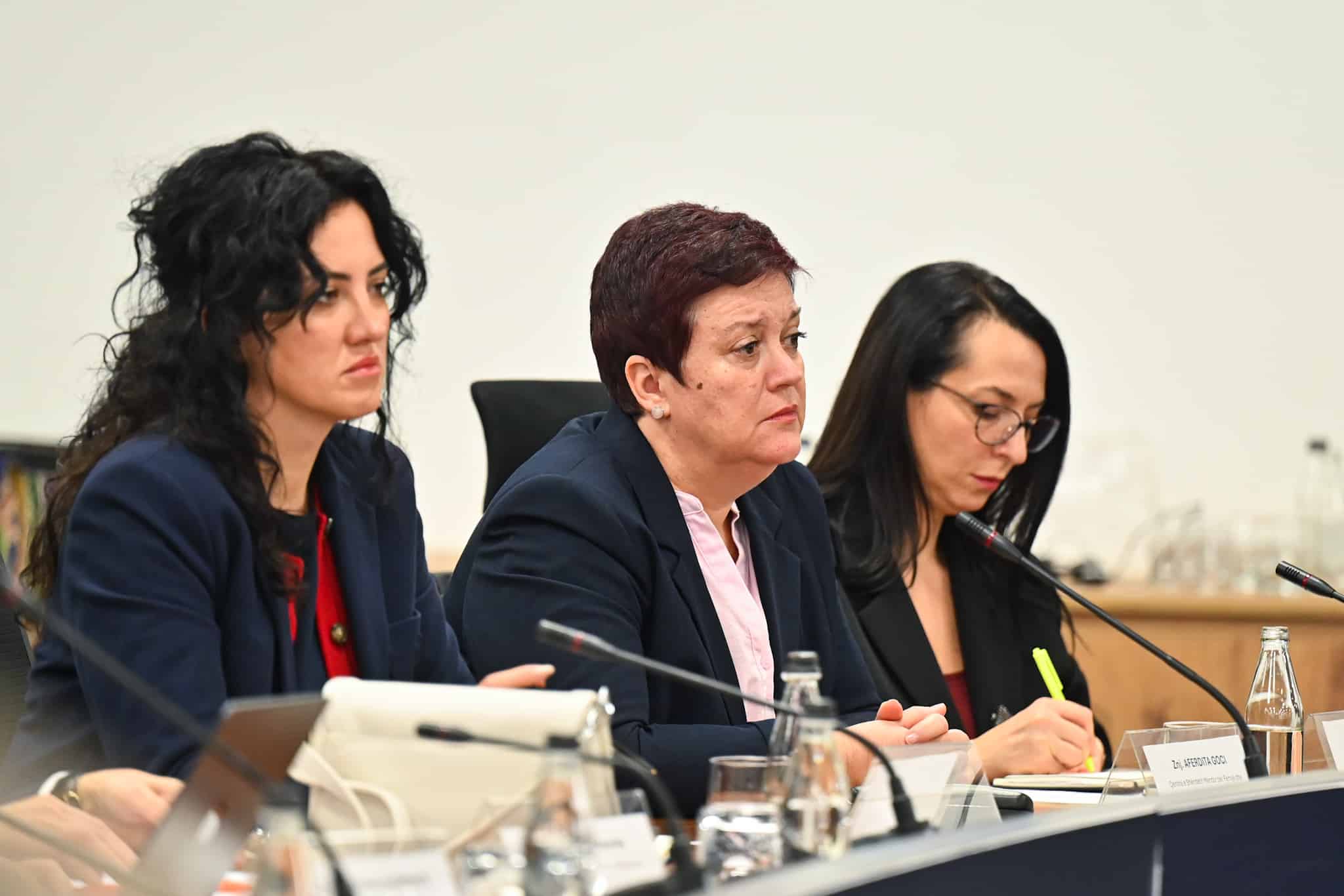
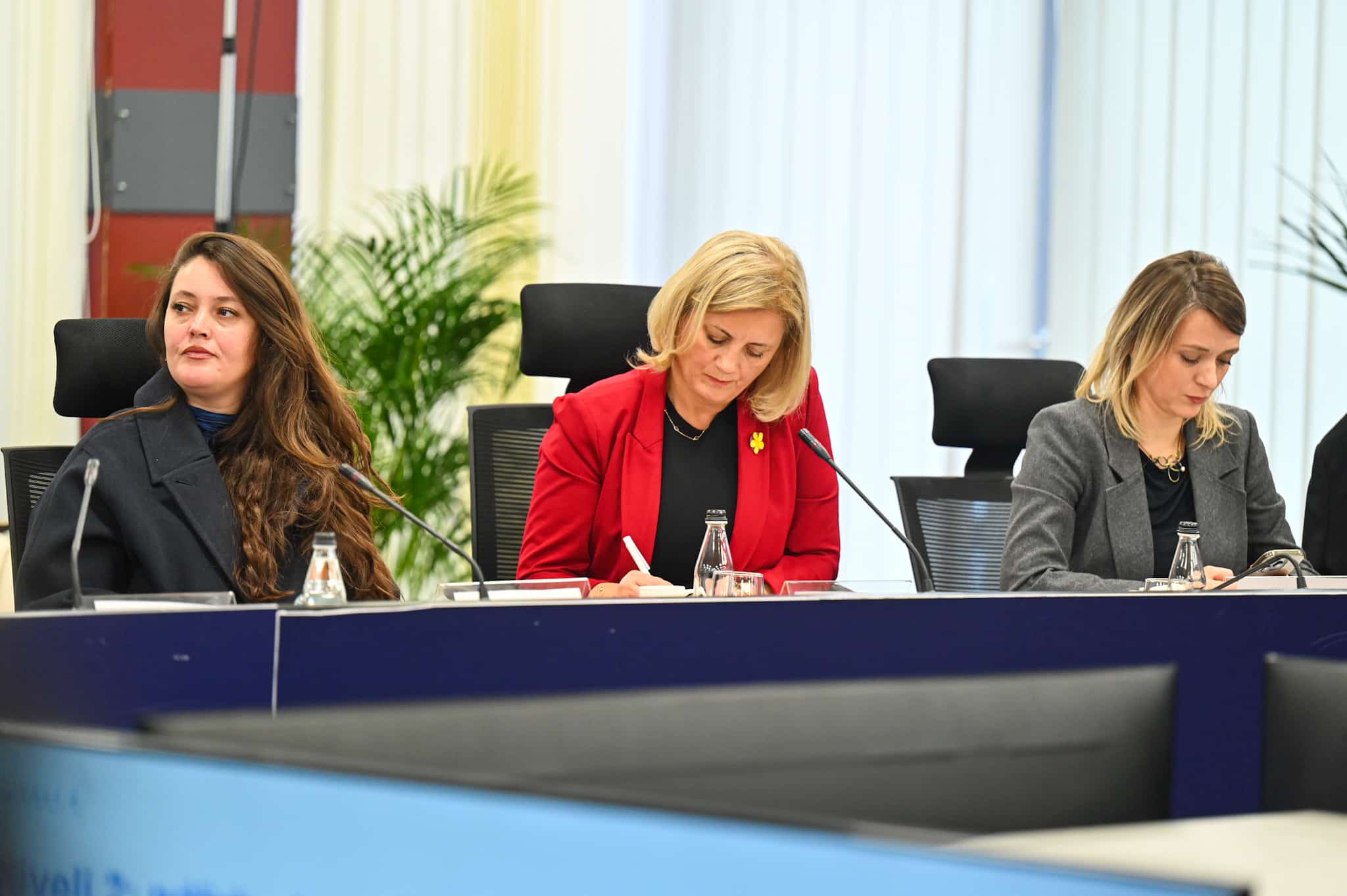
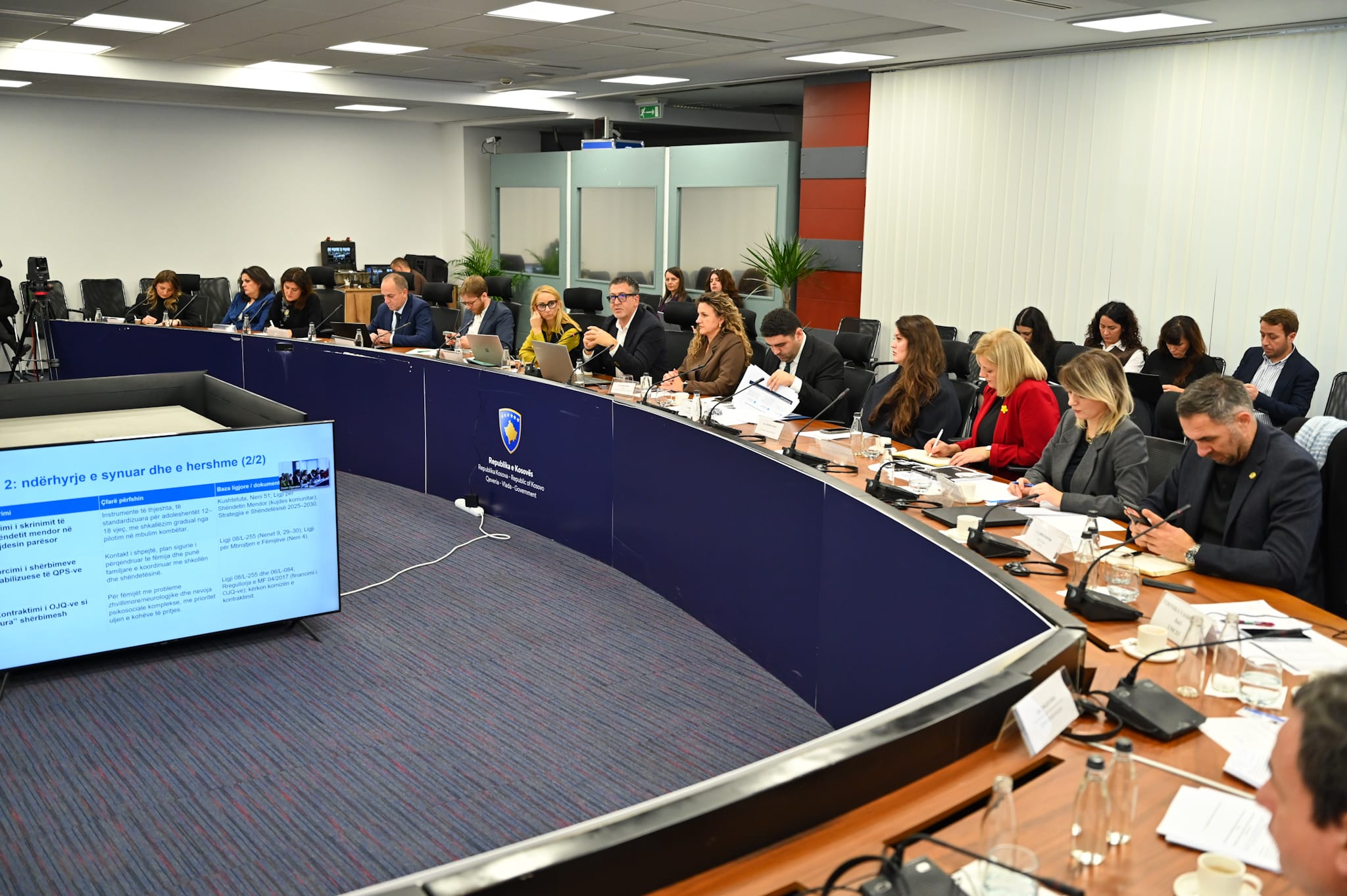
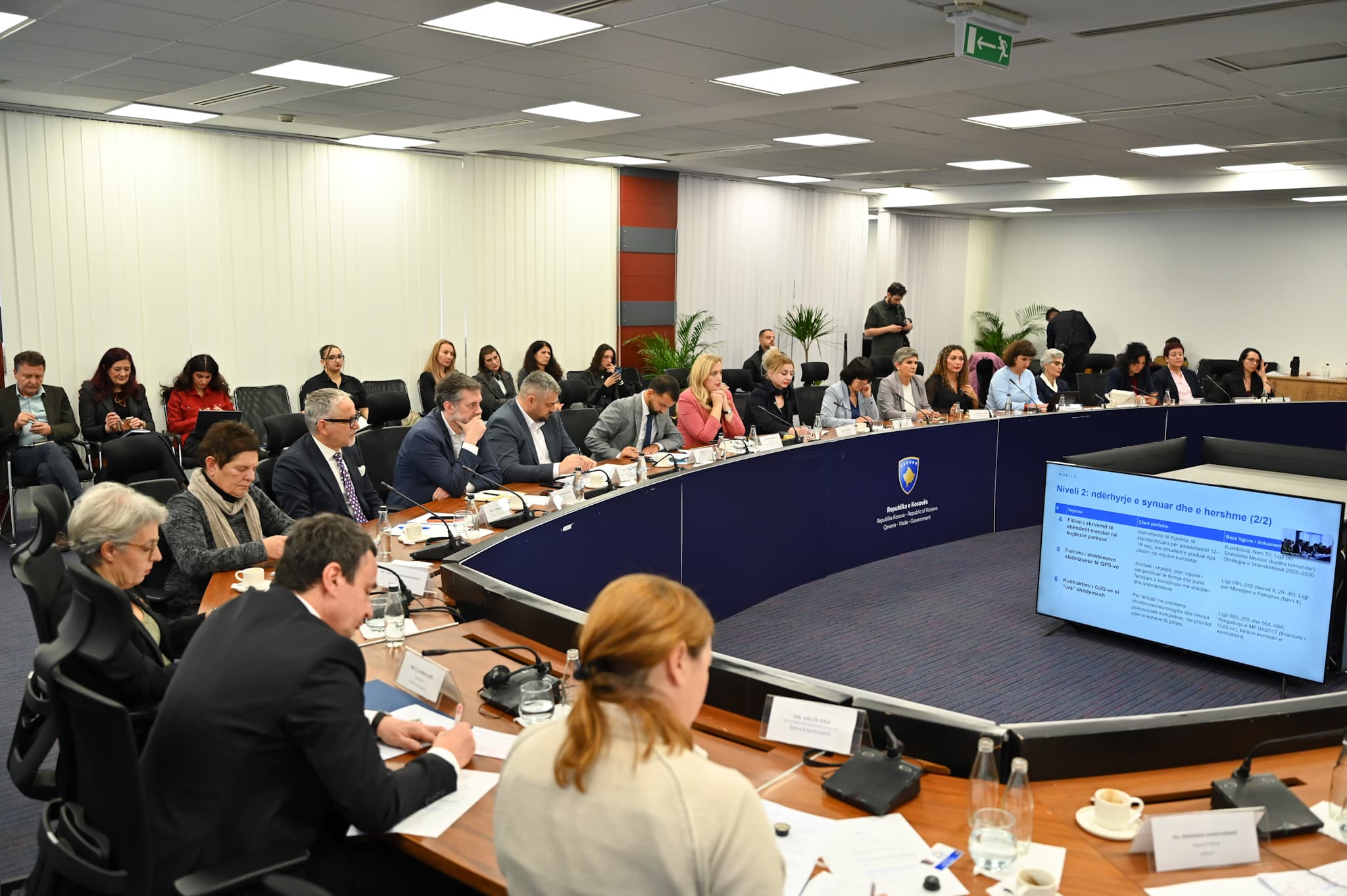
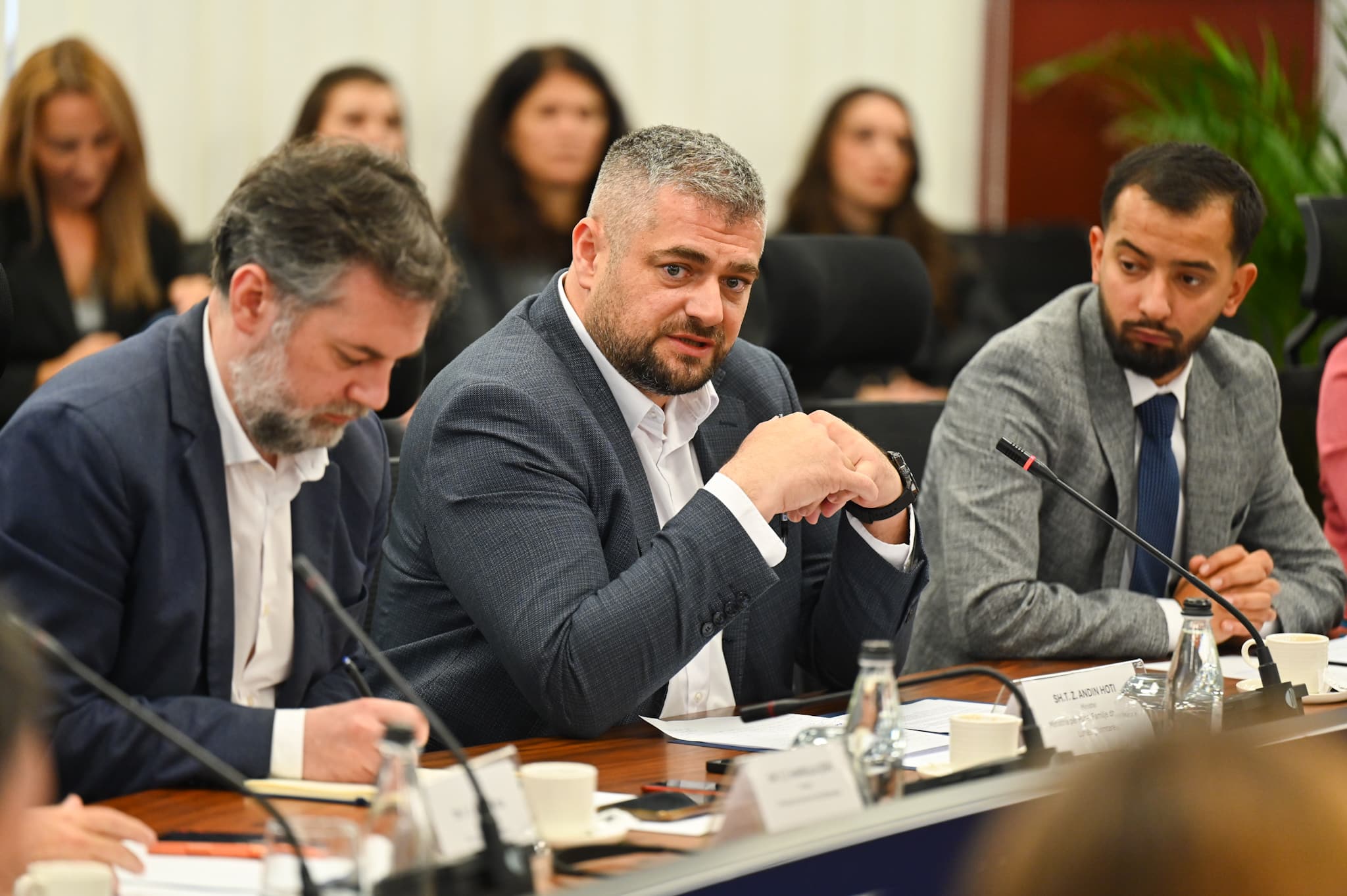
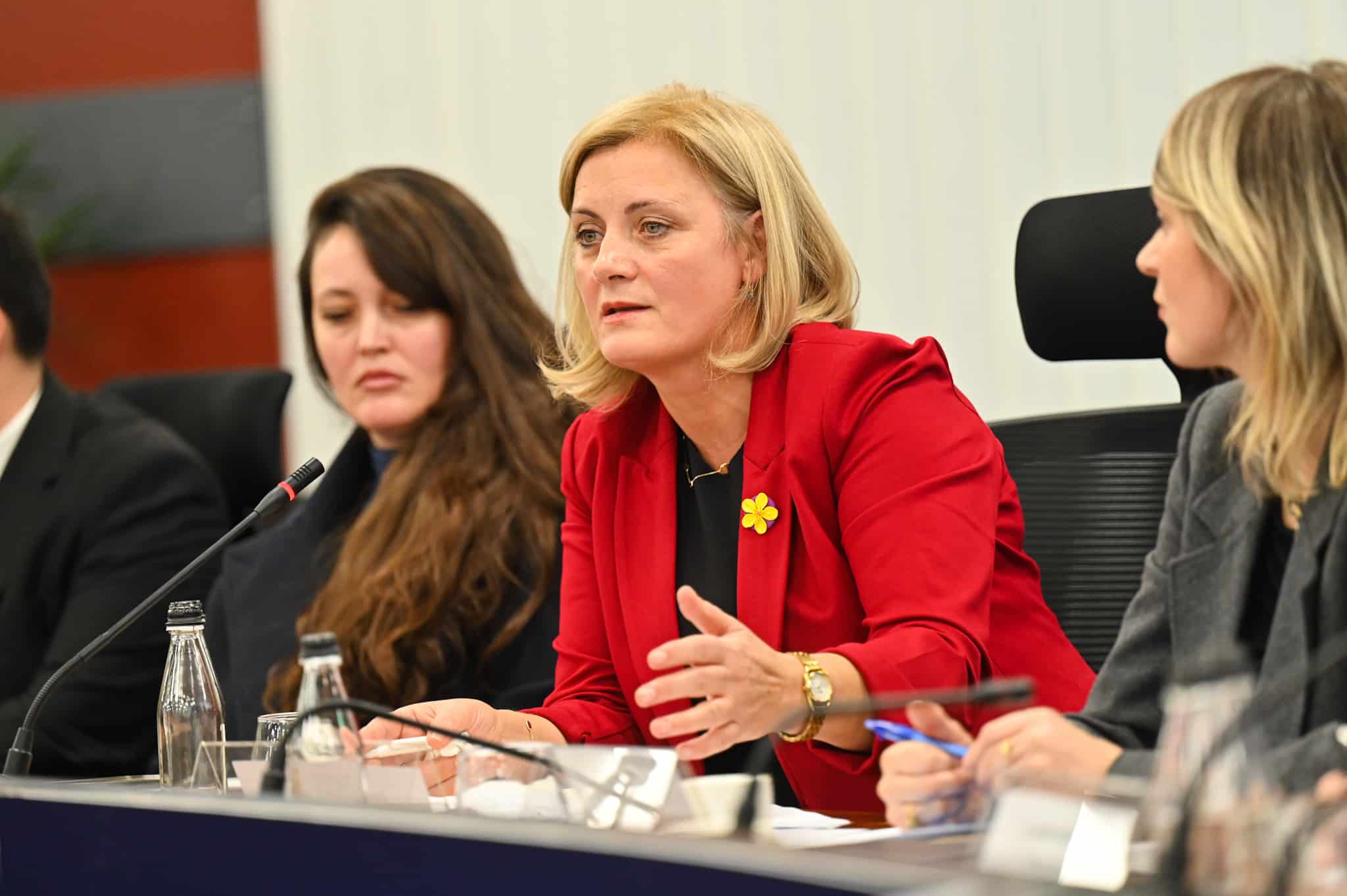
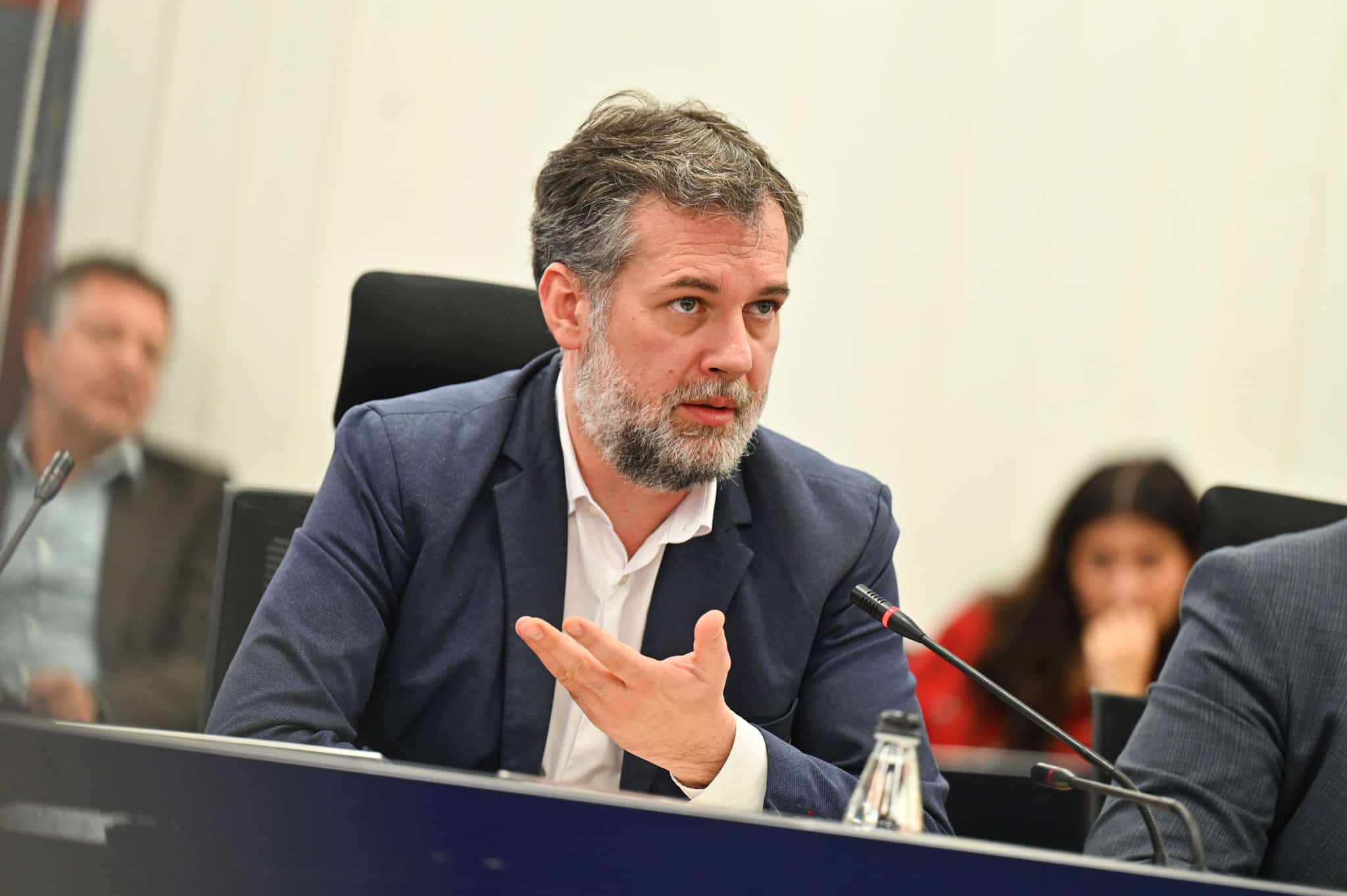
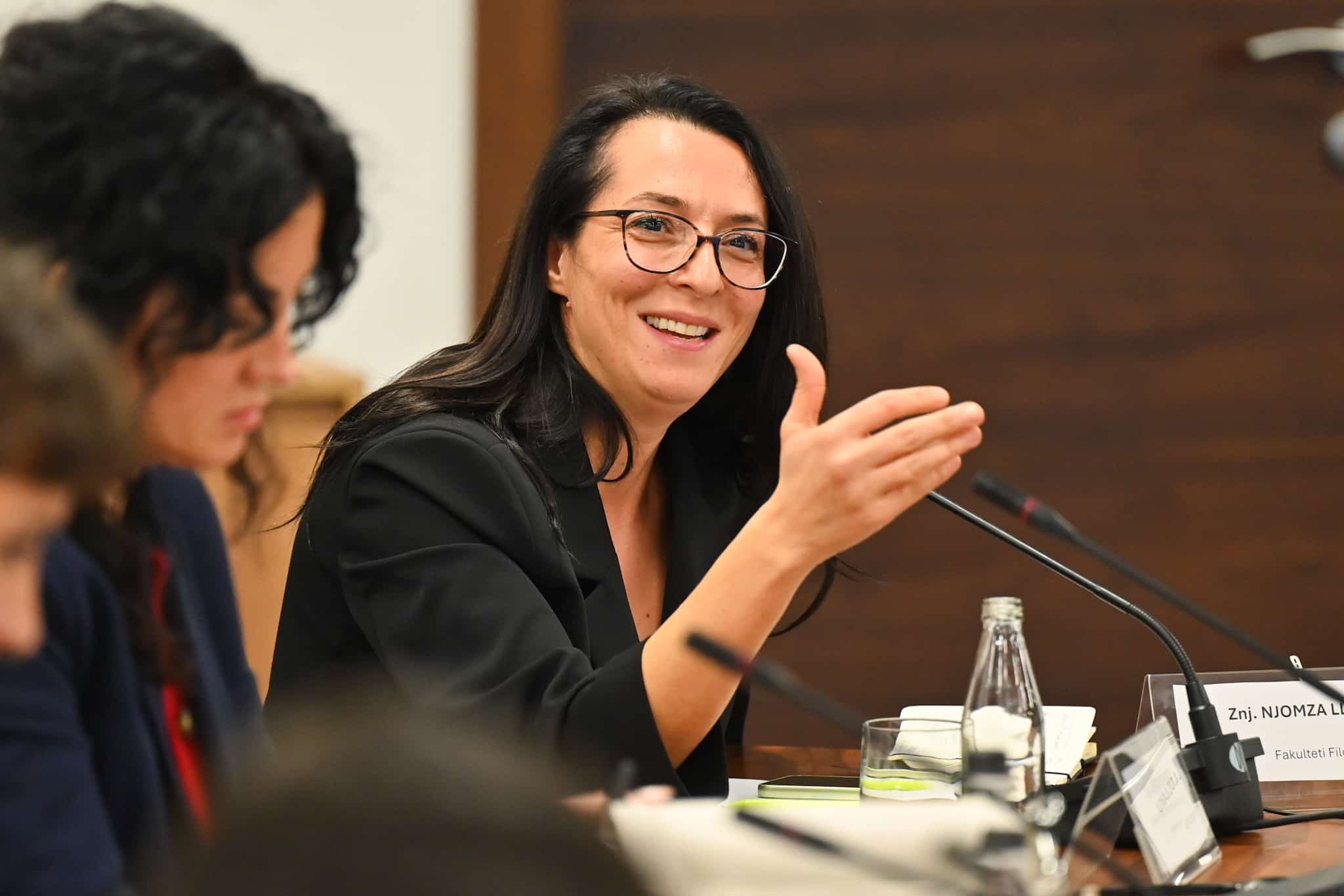
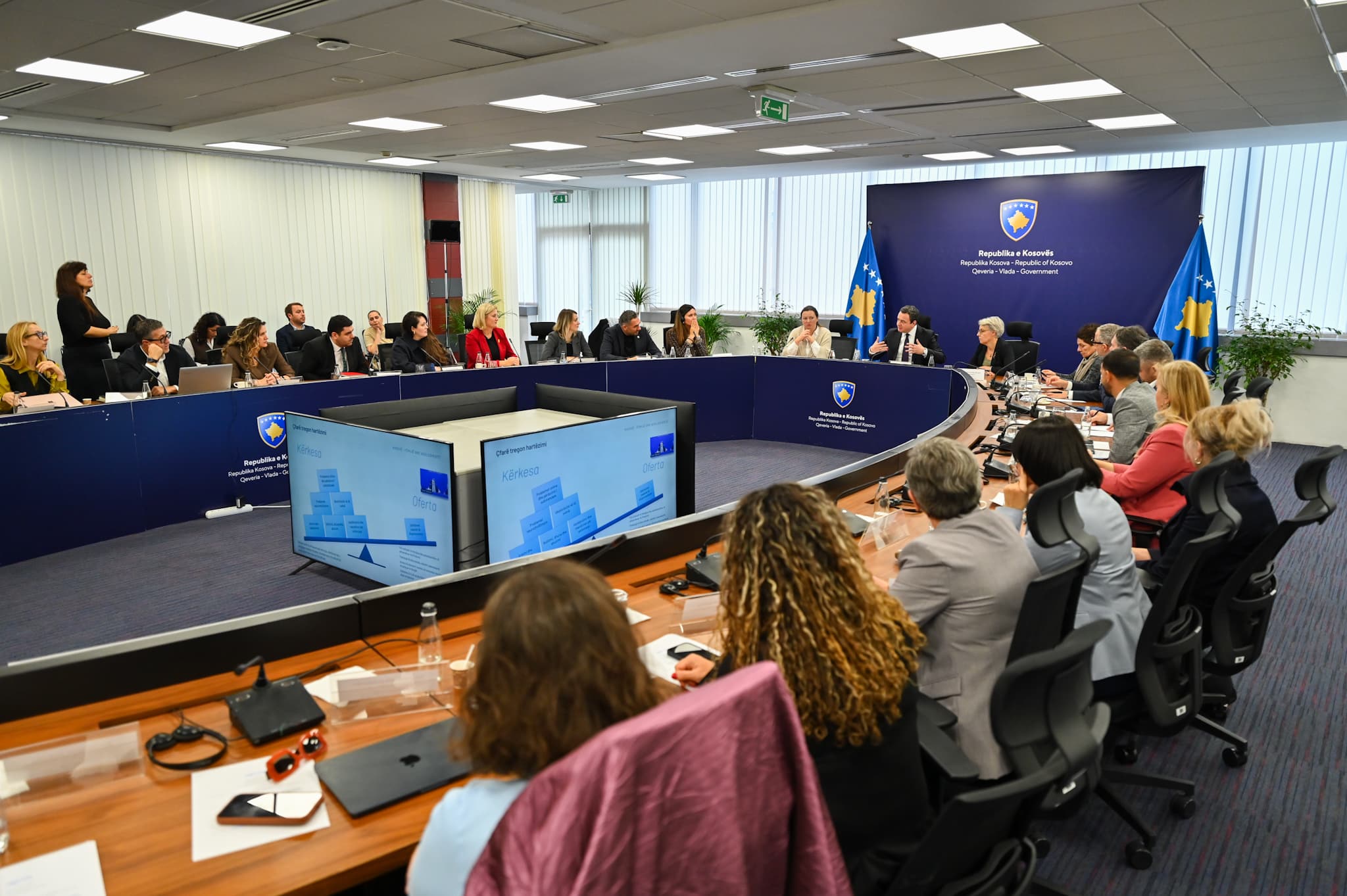
Under the auspices of the Office of the Prime Minister of the Republic of Kosovo, in partnership with UNICEF, the roundtable discussion entitled “Strategic Dialogue on Mental Health and Psychosocial Support for Children and Adolescents” was held.
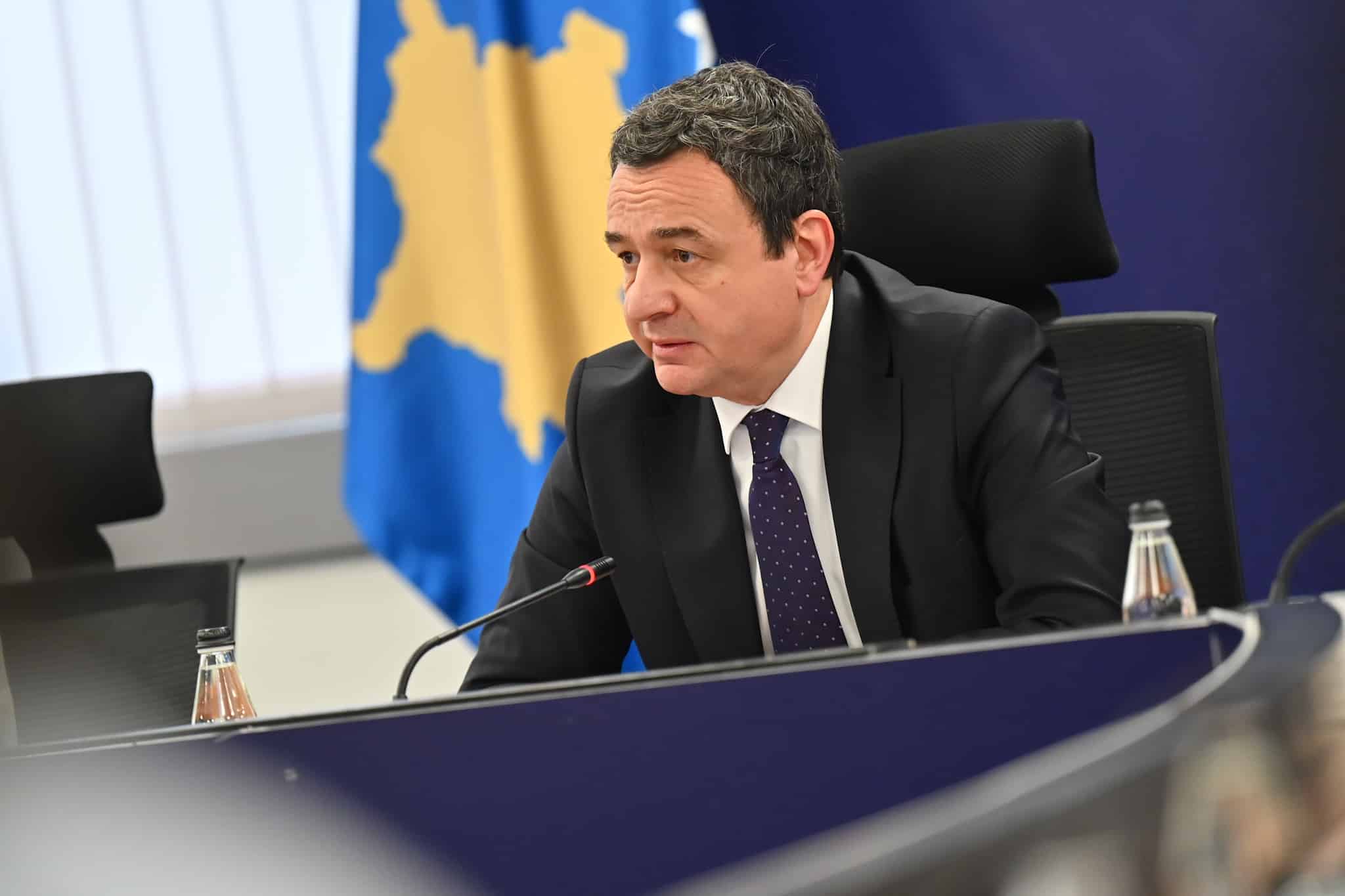
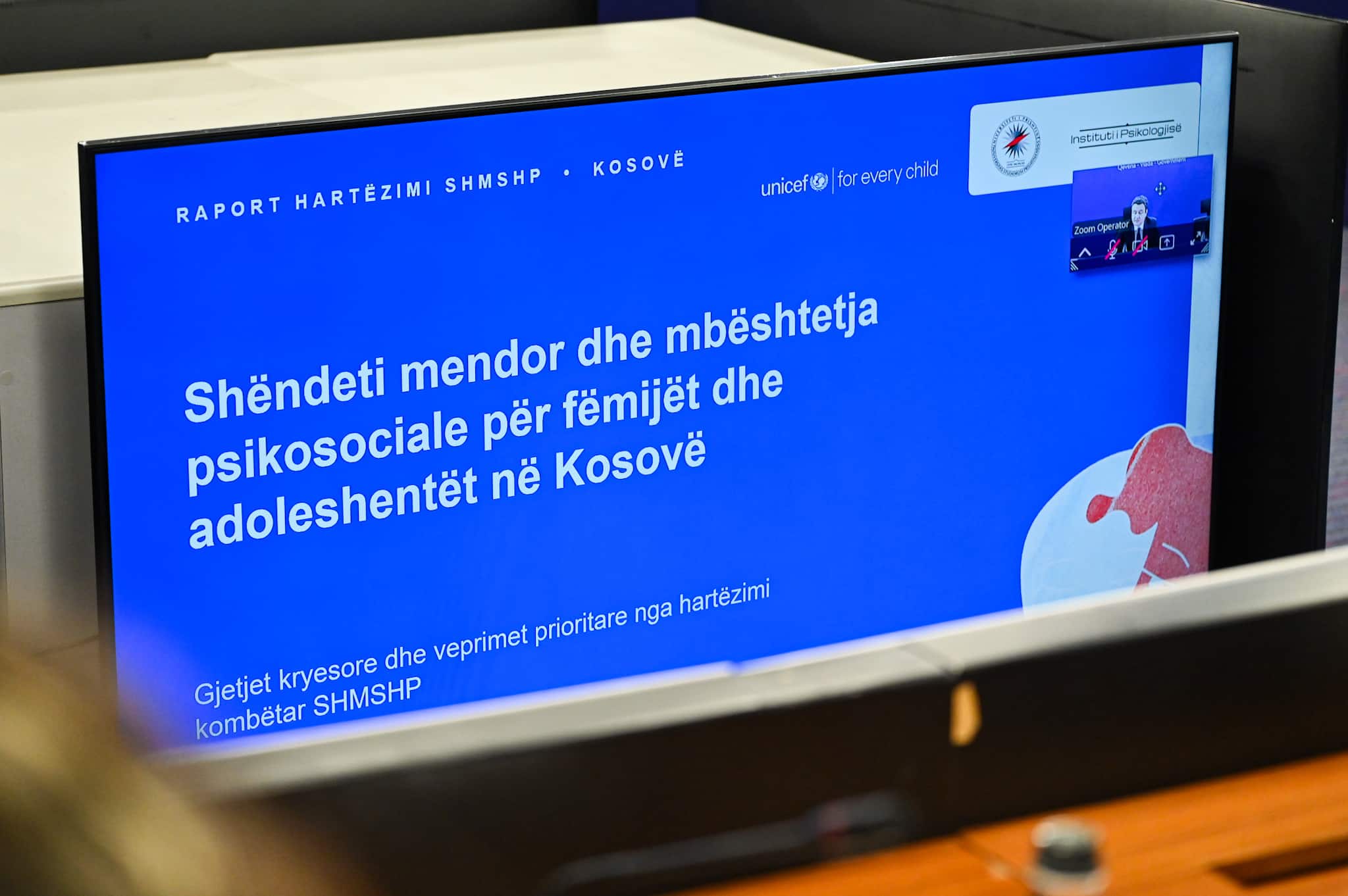
Recalling the recent meeting marking the launch of the report “Mapping of Mental Health and Psychosocial Support Services for Children and Young People in Kosovo”, Prime Minister Kurti said in his opening remarks that the report provided an important overview of the situation, as well as a set of recommendations for the way forward.
“Following the launch, I asked UNICEF that we meet again to jointly reflect on the findings, discuss the recommendations in depth and, above all, determine the steps we need to take as a country to advance the mental health agenda in Kosovo. Therefore, today’s meeting should take us from evidence to action. We now have a very clear document to help us understand the challenges and needs. Our responsibility now is to determine where we should focus our efforts, which measures require priority action, and how we can work to build a more sustainable and accessible system for mental health support,” said the Prime Minister.
Prime Minister Kurti said that mental health is not, and cannot be, the responsibility of just one sector or institution, stressing that it is connected to health, the environments in which children learn, the families in which they grow up, social and healthcare services, security, the communities in which they live, and the opportunities created for them.
“As a government, we have placed children and young people at the center of our policies. They are both our present and our future. During our term in office, we have taken important steps to support families and children in our country, without distinction. We began by introducing child allowances and support for new mothers, gradually increasing the level of this support over the years. We have also launched the early intervention programme for children with disabilities and created more opportunities for the empowerment and employment of young people.
Significant progress has also been made in child survival, with neonatal mortality decreasing by 27 per cent since 2020, while the enrolment of children in early childhood education has more than doubled. However, well-being and mental health must be an integral part of this investment in children and young people,” he added.
Prime Minister Kurti said that the aim was not to conclude the discussion with merely a list of challenges, but rather to gain a clearer understanding of shared priorities, the steps that need to be taken, and the responsibilities each institutional stakeholder must assume to take these recommendations forward.
In closing his remarks, the Prime Minister thanked the partners, UNICEF and the University of Prishtina, for their work on the mapping exercise, as well as the ministries and institutions, mental health professionals, academia, non-governmental organizations and all partners who had contributed to this process.
Full Speech by Prime Minister Kurti:
Honourable colleagues from the Government of the Republic of Kosovo,
Honourable Deputy Prime Minister and Minister of Justice, Donika Gërvalla-Schwarz,
Minister of Health, Arben Vitia,
Minister of Education and Science, Hajrulla Çeku,
Minister for Labour, Family and the Values of the Liberation War, Andin Hoti,
Deputy Minister of Sport and Youth, Sejnur Veshall,
Honourable Chief of Staff of the Prime Minister’s Office, Flora Macula,
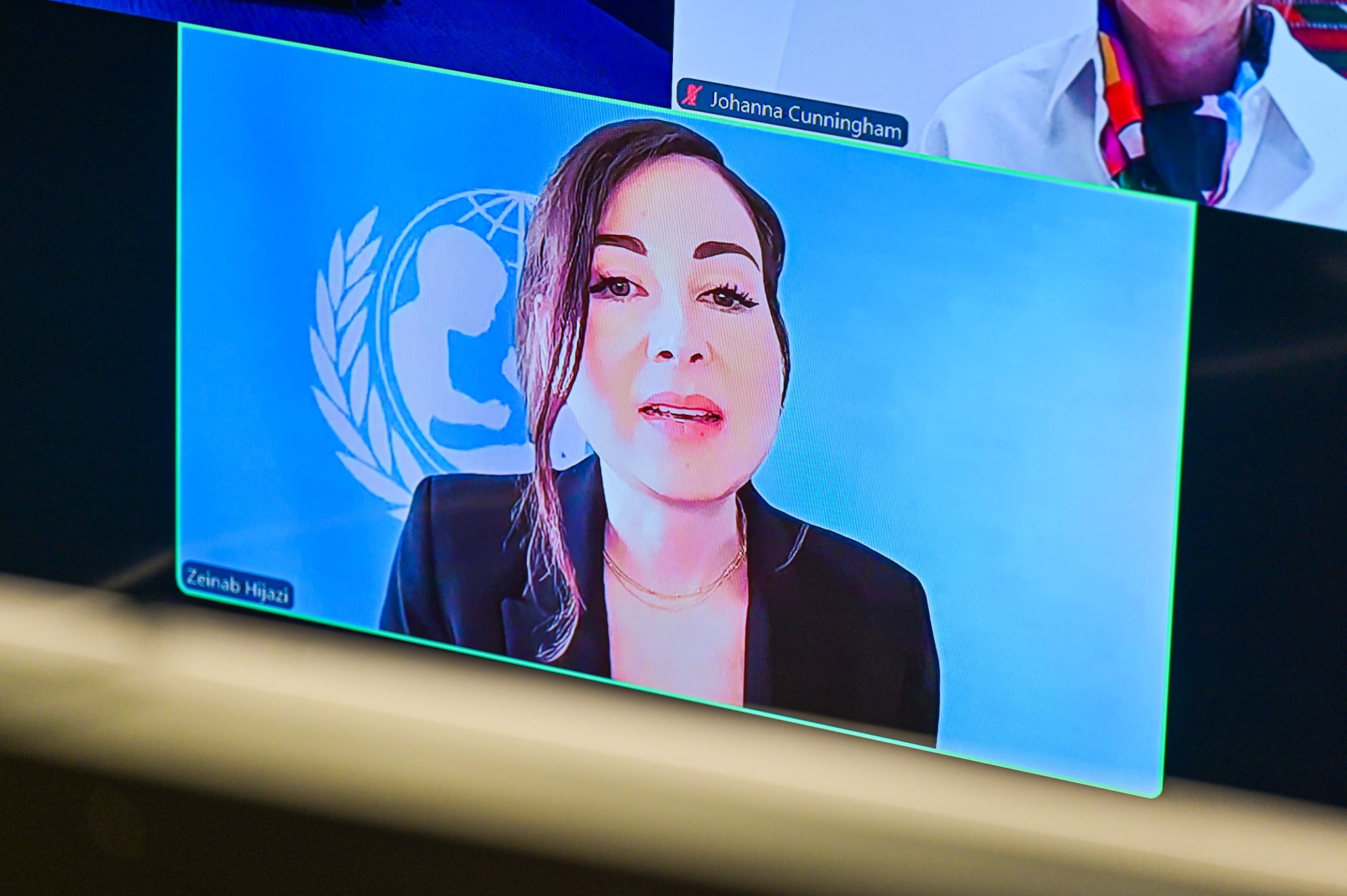
Honourable Ms Zeinab Hijazi, Global Lead for Mental Health at UNICEF,
Honourable Ms Veronika Vashchenko, Head of the UNICEF Office in Kosovo,
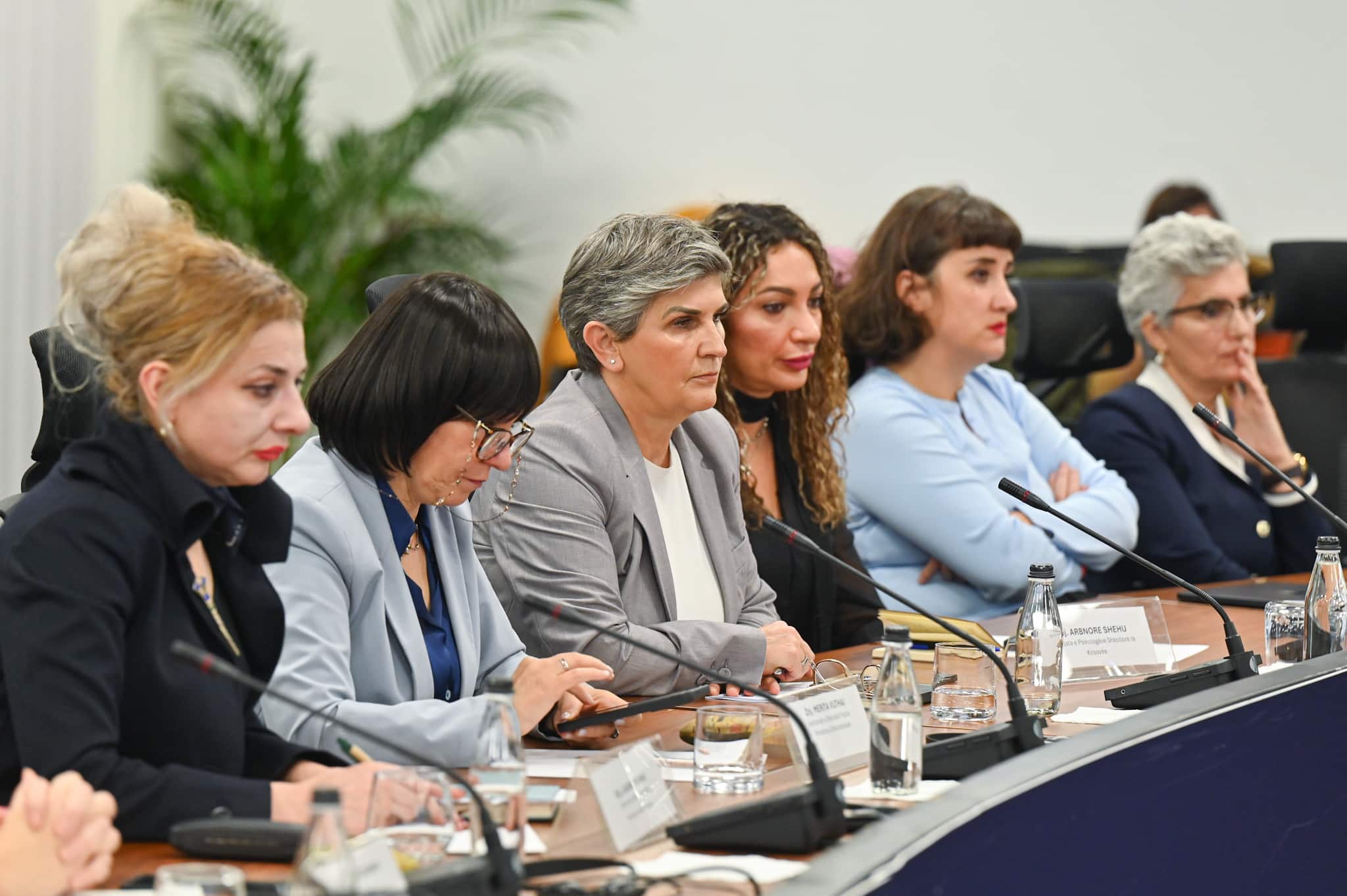
Honourable professors and researchers, representatives of state institutions, educational institutions, academia and civil society,
Honourable experts and partners,
In August this year, we gathered in this very hall for the launch of the report “Mapping of Mental Health and Psychosocial Support Services for Children and Young People in Kosovo”, prepared by UNICEF in cooperation with the Institute of Psychology within the University of Prishtina. On that occasion, we emphasized that we cannot speak about the future of our independent state, the Republic of Kosovo, or the development of our human capital, without addressing the well-being and mental health of children and young people.
The report provided us with an important overview of the situation, as well as a set of recommendations for the way forward. Following its launch, I asked UNICEF that we meet again to jointly reflect on the findings, discuss the recommendations in depth and, above all, determine the steps we need to take as a country to advance the mental health agenda in Kosovo.
Therefore, today’s meeting should take us from evidence to action. We now have a very clear document to help us understand the challenges and needs. Our responsibility now is to determine where we should focus our efforts, which measures require priority action, and how we can work to build a more sustainable and accessible system for mental health support.
Mental health is not, and cannot be, the responsibility of just one sector or institution. It is connected to health, the environments in which children learn, the families in which they grow up, the social and healthcare services that support them, security, the communities in which they live, and the opportunities we create for them. This is precisely why representatives of different sectors and institutions are gathered here today, and why our response must also be as integrated as possible, so that services and support for children and young people can advance to a new level as part of our shared future.
As a government, we have placed children and young people at the center of our policies. They are both our present and our future. During our term in office, we have taken important steps to support families and children in our country, without distinction. We began by introducing child allowances and support for new mothers, gradually increasing the level of this support over the years. We have also launched the early intervention programme for children with disabilities and created more opportunities for the empowerment and employment of young people.
Significant progress has also been made in child survival, with neonatal mortality decreasing by 27 per cent since 2020, while the enrolment of children in early childhood education has more than doubled. However, well-being and mental health must be an integral part of this investment in children and young people.
Our ambition is clear: to build a system that not only responds to crises but also invests proactively in prevention, identification and early support. A system in which children, young people and their families know where to turn and where they can receive the appropriate support at the right time.
To achieve this, we must carefully consider how to strengthen cooperation between the health, education, social services, justice and other sectors; how to strengthen professional capacities; and how to ensure that support is accessible to children and young people wherever they live, regardless of their circumstances.
Our aim today is not to conclude the discussion with merely a list of challenges, but to leave this meeting with a clearer understanding of our shared priorities, the steps we need to take, and the responsibilities each of us must assume to take these recommendations forward.
The report prepared by UNICEF does not provide a comprehensive assessment of the mental health of adults, older persons or the population of Kosovo as a whole. Nevertheless, it offers important evidence and concrete recommendations concerning two particularly important groups in our society: children and adolescents.
It is now our responsibility to turn this evidence into policies, services and tangible outcomes for children and young people, and beyond.
Following the formation of the Government, or rather its re-election on 13 September, and the election of the new President of the Republic on 6 October, we now have full institutional stability to plan, prepare and deliver.
We are now past the emergencies that were holding us back in every other respect, and we believe that this is the time to think not only in the short term, but also in the medium and long term. This is all the more important because, when it comes to mental health and public health, particularly for children and adolescents, there are no uniform, immediate solutions. We must therefore prepare and work towards results that will not materialize in 2026, nor even in 2027, but in the years that follow. This is precisely our institutional commitment and responsibility. In other words, we must think beyond the current year, indeed beyond the current decade, so that we can deliver results that are both our responsibility and a necessity for our citizens.
Finally, I would like to thank our partners, UNICEF and the University of Prishtina, for their work on the mapping exercise, as well as our ministries and institutions, mental health professionals, academia, non-governmental organizations and all partners who have contributed to this process.
Thank you!