Prishtina, 15 September 2026
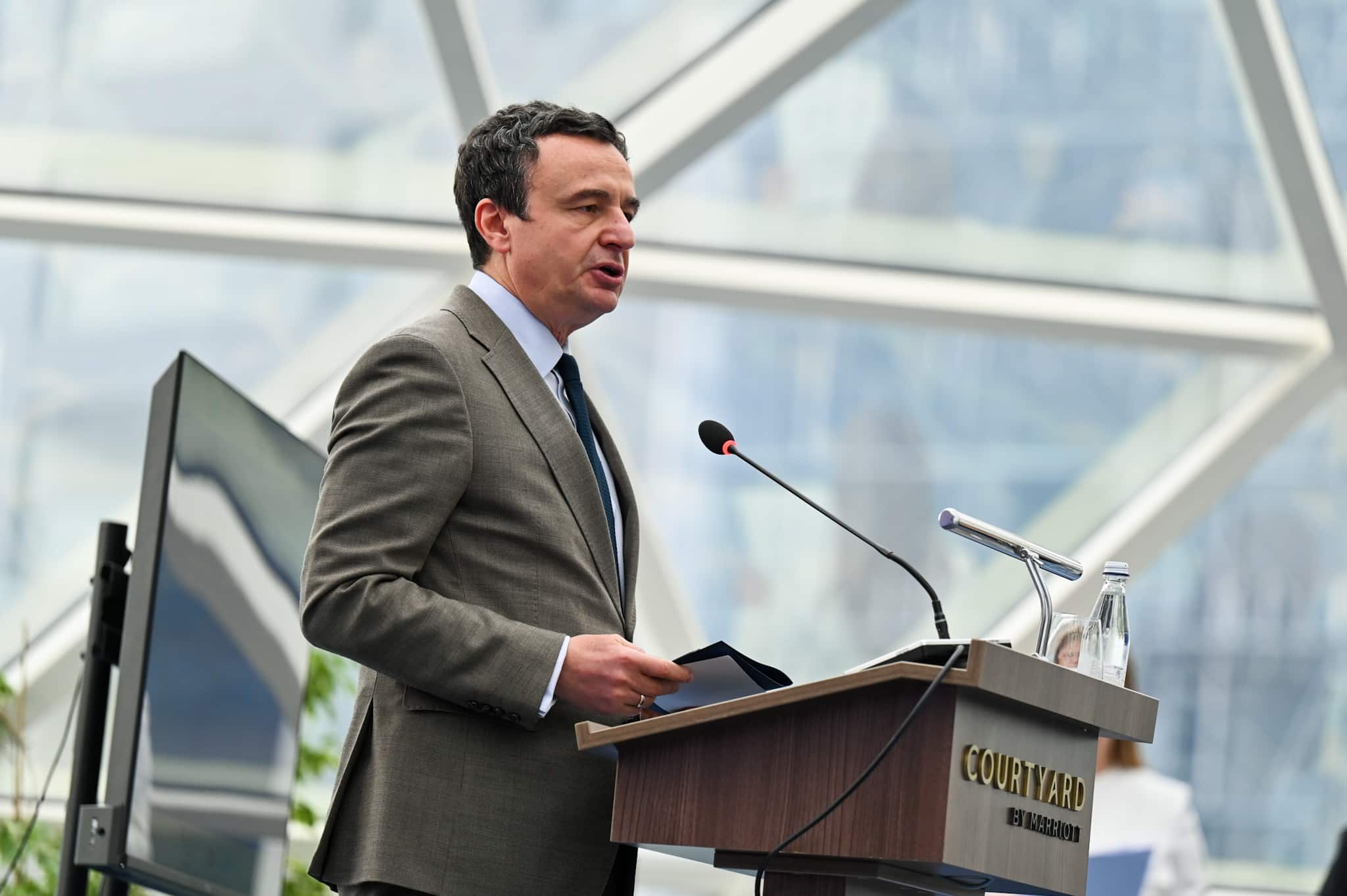
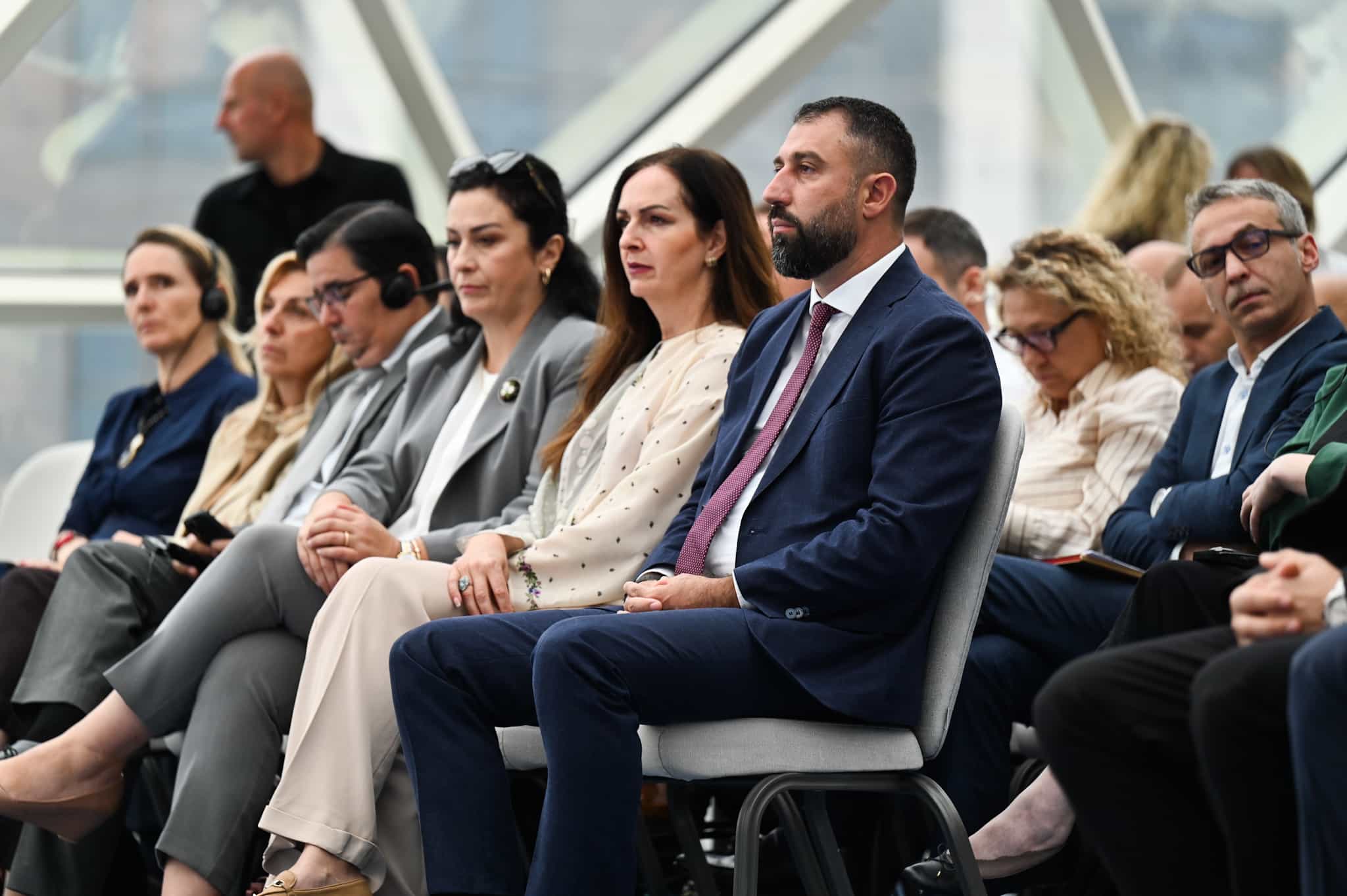
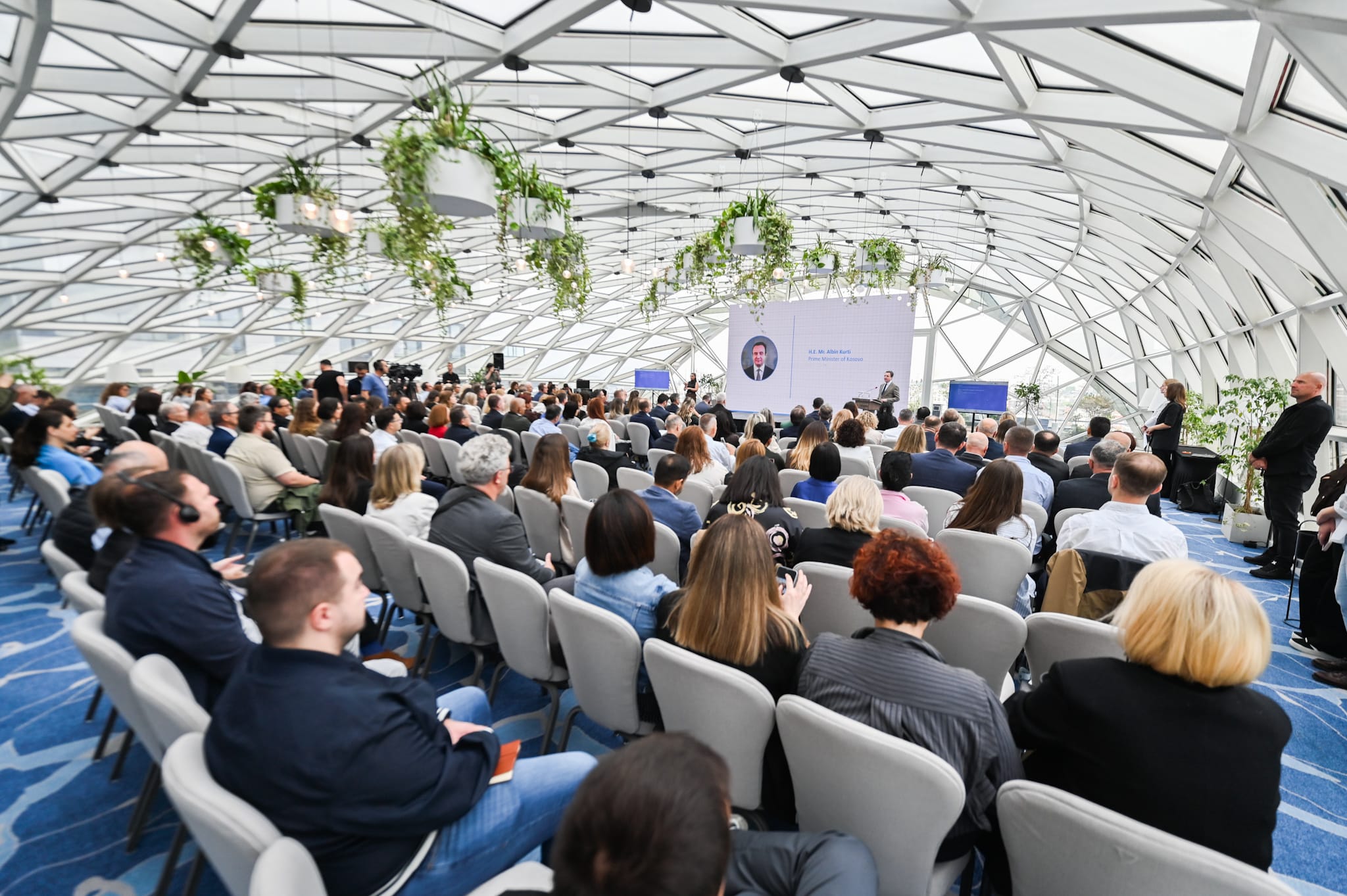
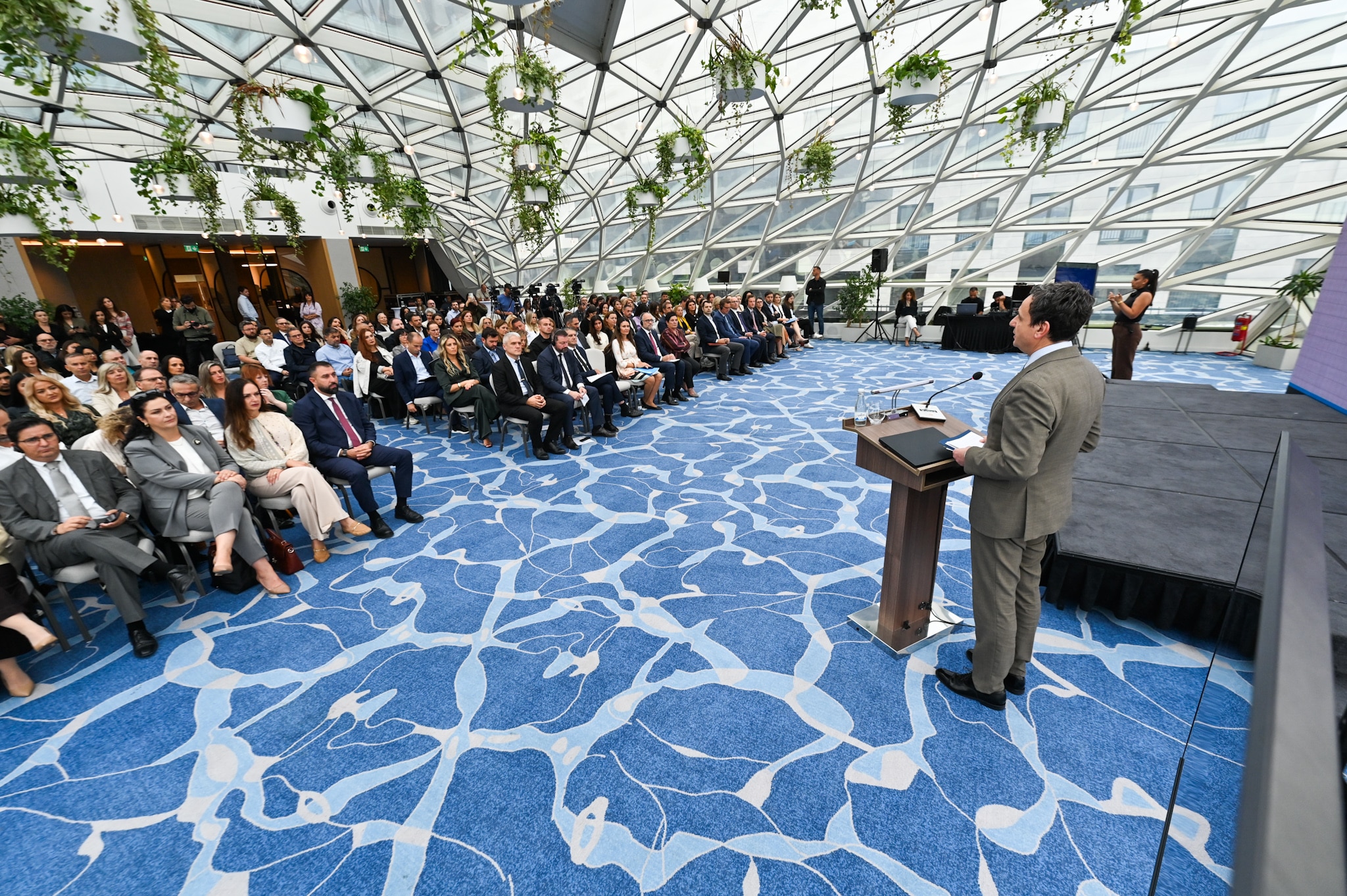
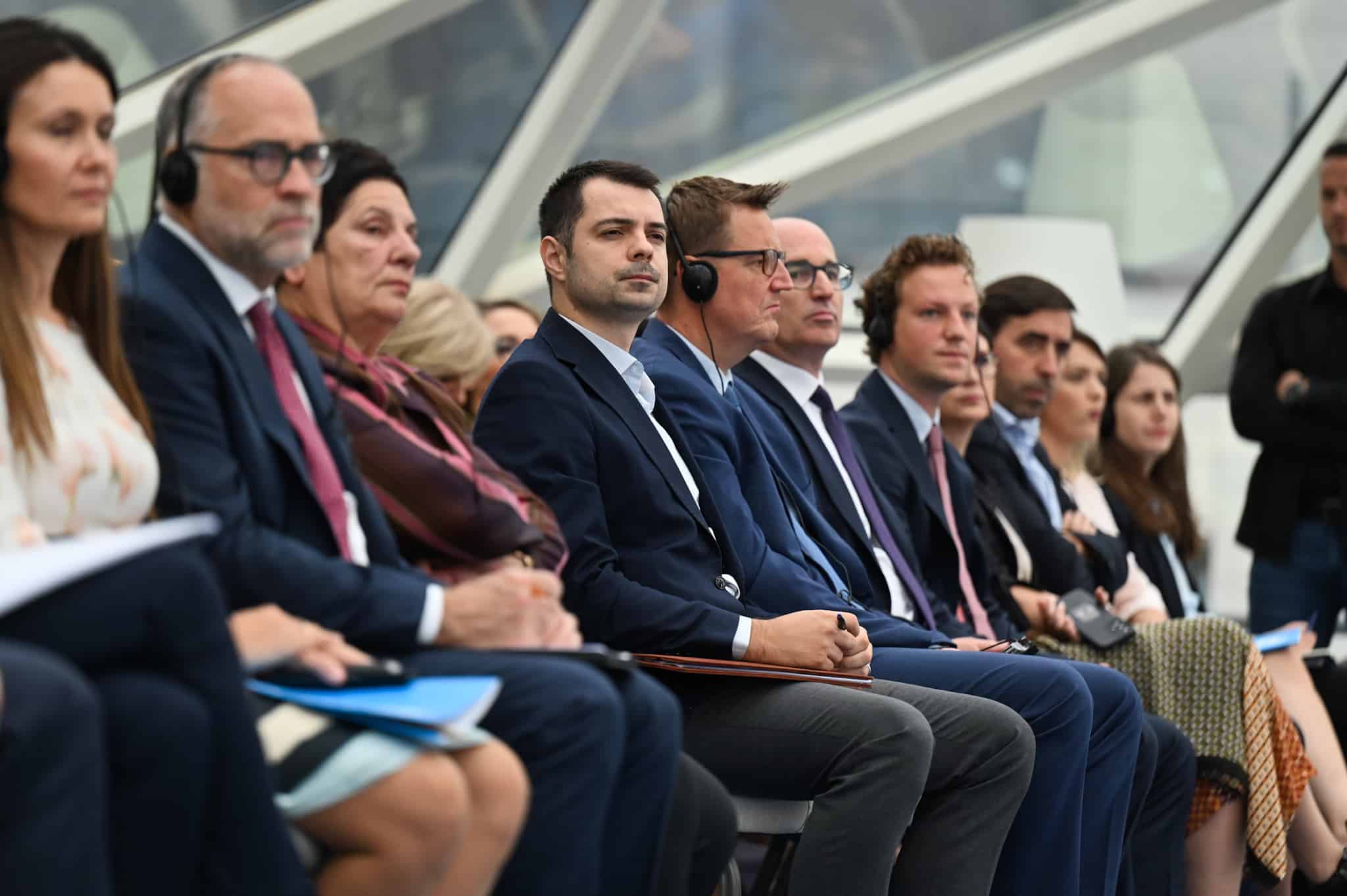
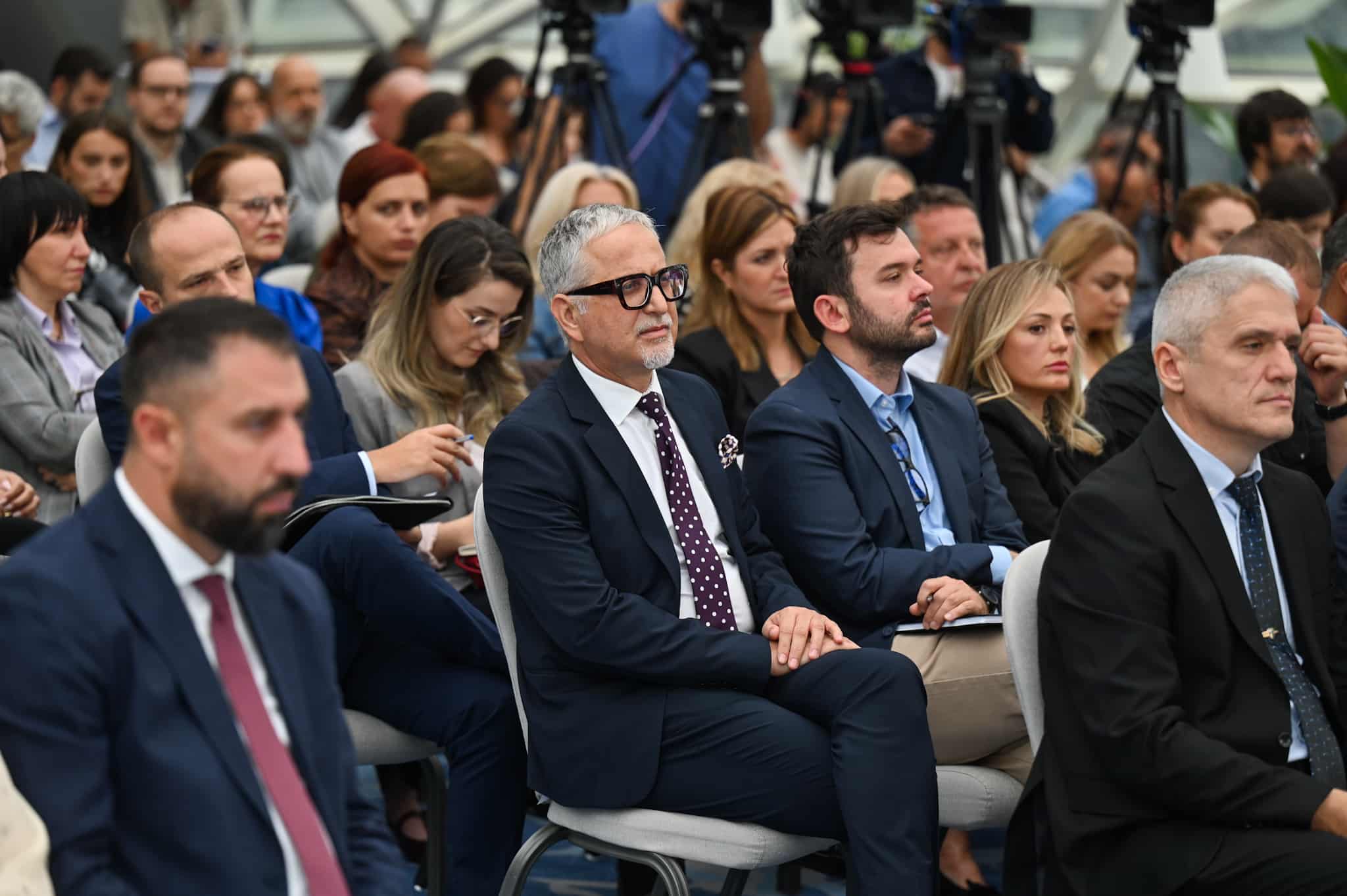
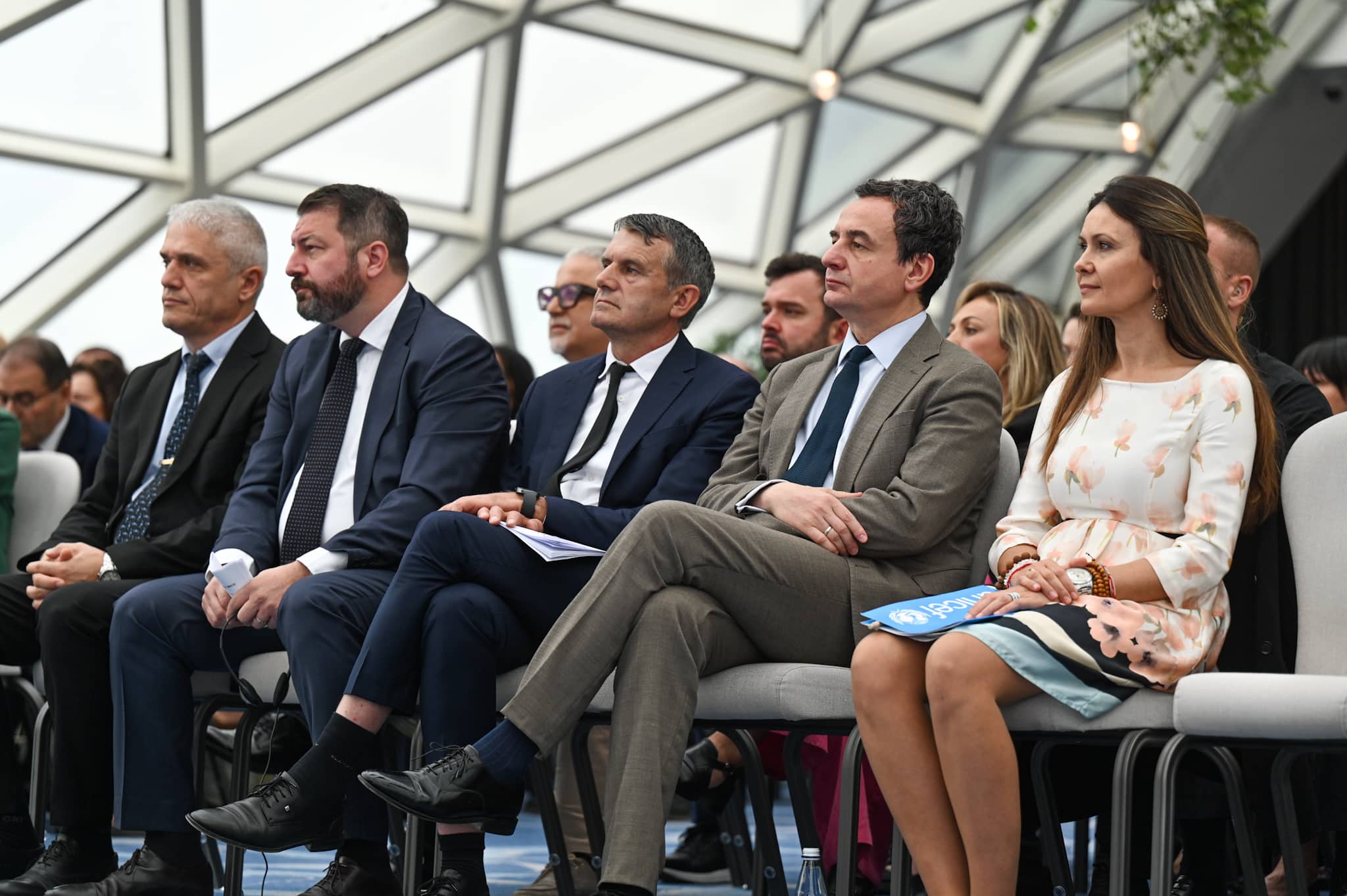
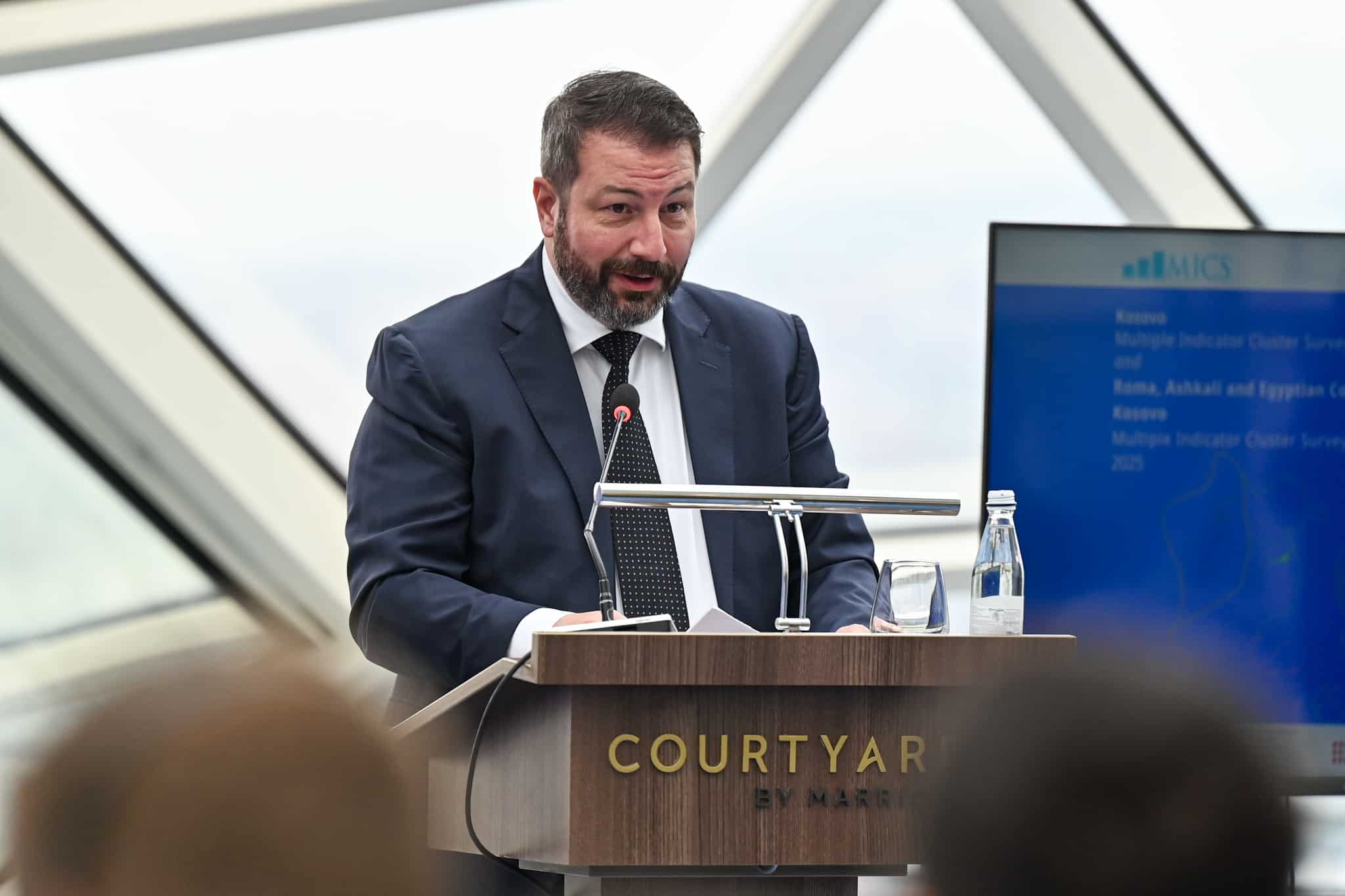
Prime Minister of the Republic of Kosovo Albin Kurti attended the presentation of the findings of the 2025 Multiple Indicator Cluster Survey (MICS) in Kosovo, conducted by the Kosovo Agency of Statistics (KAS) in partnership with UNICEF.
In his opening remarks, Prime Minister Kurti thanked everyone involved in conducting the survey, saying that it provides a much clearer picture and comprehensive data on how our children are growing up, what opportunities they have, where progress has been made, and where disparities that should not be accepted as inevitable continue to exist.
“We may have good intentions, programmes and investments, but without reliable data, we cannot know for certain whether they are reaching the people who need them most,” he said, adding that this is precisely where the importance of this survey lies.
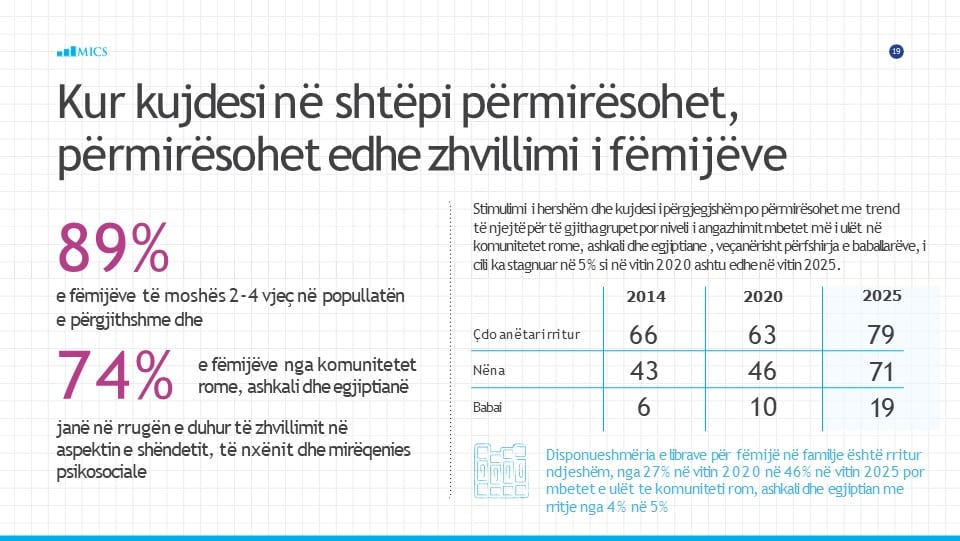
Comparing the years 2014, 2020 and 2025, he said that the data presented today give us reason to be optimistic, as Kosovo has made significant progress in many indicators related to the health, development and well-being of children and families.
“But the data also show us that our work is by no means finished. There are still disparities that we need to reduce and areas where we can and must move faster. Our aim should be for the progress we are seeing today to reach every child, every family and every part of our country. Our task ahead is to ensure that progress continues to grow and reaches everyone,” he said, adding that, as a government, we have placed the well-being of children and families at the center of our public policies.
Prime Minister Kurti highlighted the Government’s support over the years for new mothers and child allowances, saying that it has invested in early childhood education, supported programmes for early development and intervention, and created more opportunities for young people through employment and skills development policies.
“When we invest in children, families, education, healthcare and social protection, we address today’s needs while also creating opportunities for a healthier, better-educated and more economically active society,” the Prime Minister said.
The survey results will inform the development of policies in the areas of social policy, education, healthcare and employment, as well as the planning of future investments for families, particularly children.
Full speech by Prime Minister Kurti:
Dear Director of the Kosovo Agency of Statistics, Avni Kastrati,
Dear United Nations Development Coordinator, Stephen O’Malley,
Dear Head of the Swiss Cooperation Office, Mattia Poretti,
Dear United Nations Resident Coordinator, Nuno Queirós,
Dear UNICEF Representative in Kosovo, Veronika Vashchenko,
Dear Minister of Health, Arben Vitia,
Dear Deputy Minister of Education and Science, Përparim Kryeziu,
Dear representatives of institutions and civil society partners,
Ladies and gentlemen,
Thank you for the invitation and, above all, I am grateful for the work that has gone into conducting the 2025 Multiple Indicator Cluster Survey – MICS 2025.
Today, we have a much clearer picture of Kosovo of how children are growing up, what opportunities they have, where we have made progress, and where disparities continue to exist that we should not accept as inevitable.
Good policies begin with an accurate understanding of reality. We may have good intentions, programmes and investments, but without reliable data, we cannot know for certain whether they are reaching the people who need them most. This is precisely where the importance and value of this survey lies.
Kosovo now has three points of comparison: 2014, 2020 and 2025. For the first time, we can see not only a snapshot of a particular moment, but also the direction in which our society is moving.
And the data presented today give us reason to be reasonably optimistic.
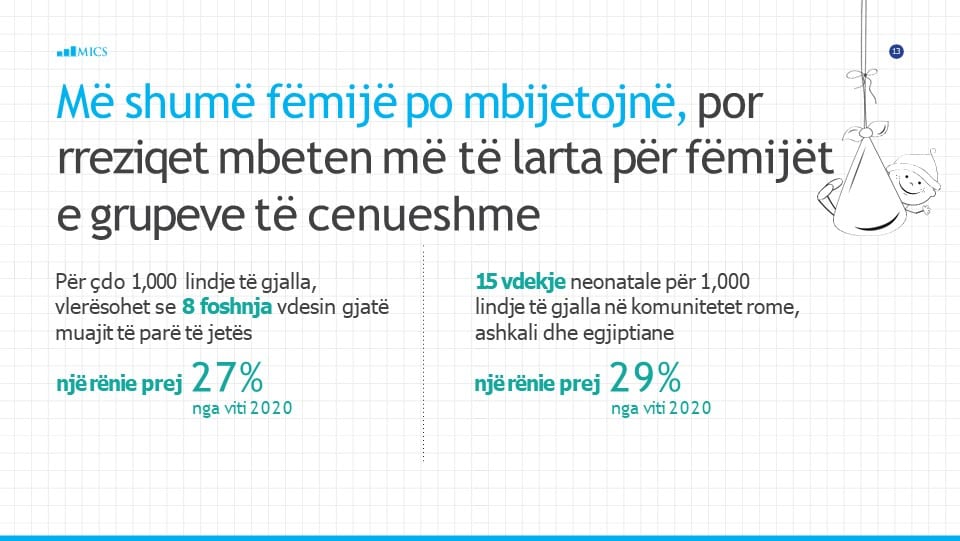
In many of the indicators related to the health, development and well-being of children and families, Kosovo has made significant progress.
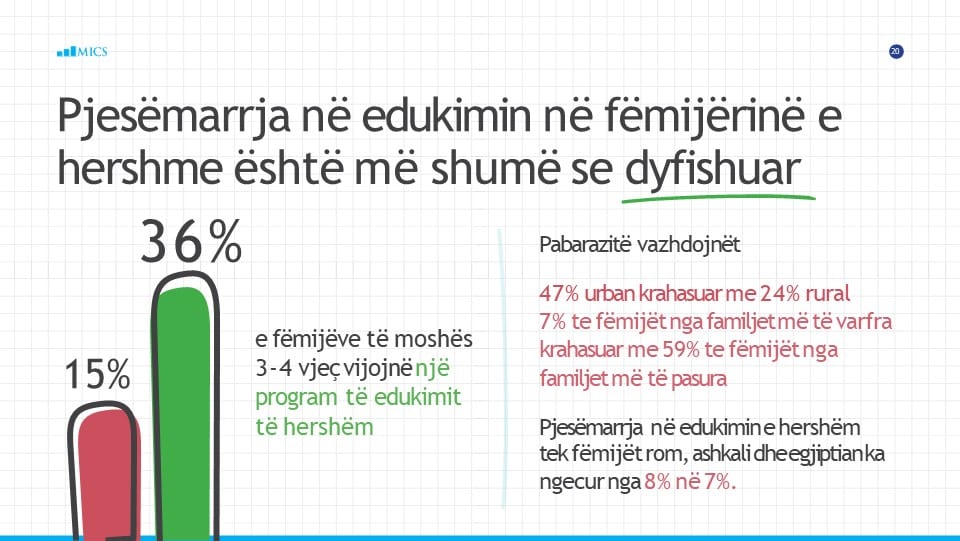
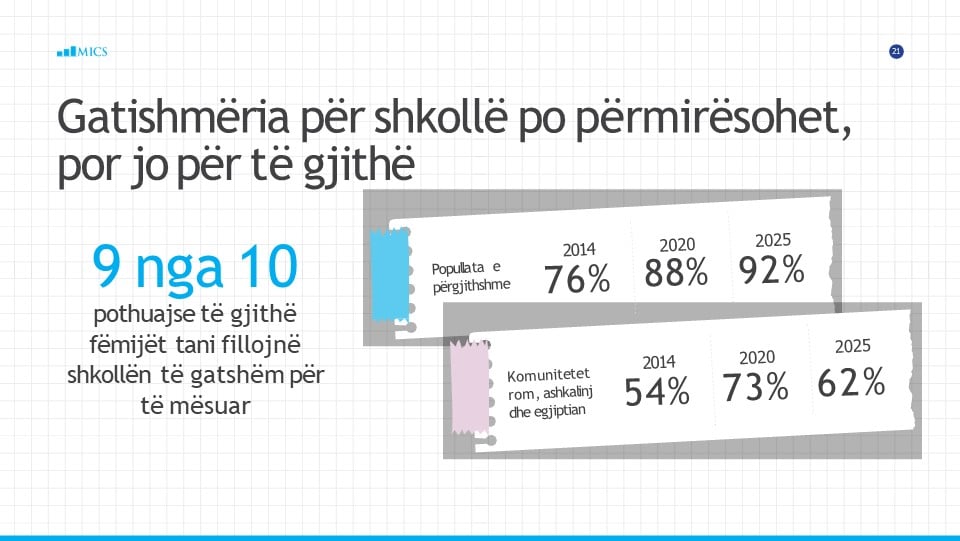
Healthcare for mothers during pregnancy is almost universal. The participation of children in early childhood education has more than doubled, while children’s readiness for the start of school has reached 91 per cent.
These are significant results.
This progress shows that investments, public policies and the work of our institutions are delivering results.
But the data also show us that our work is by no means finished.
There are still disparities that we need to reduce and areas where we can and must move faster. Our aim should be for the progress we are seeing today to reach every child, every family and every part of our country. Our task ahead is to ensure that progress continues to grow and reaches everyone.
Therefore, as a Government, we have placed the well-being of children and families at the center of our public policies.
We have introduced child allowances and support for new mothers. We have increased and expanded this support over the years. We have invested in early childhood education, supported programmes for early development and intervention, and created more opportunities for young people through employment and skills development policies.
MICS data give us an opportunity to assess these policies more effectively, with data showing us what has worked.
They also tell us something else that is important: social investment is an investment in Kosovo’s human capital. When we invest in children, families, education, healthcare and social protection, we address today’s needs while also creating opportunities for a healthier, better-educated and more economically active society.
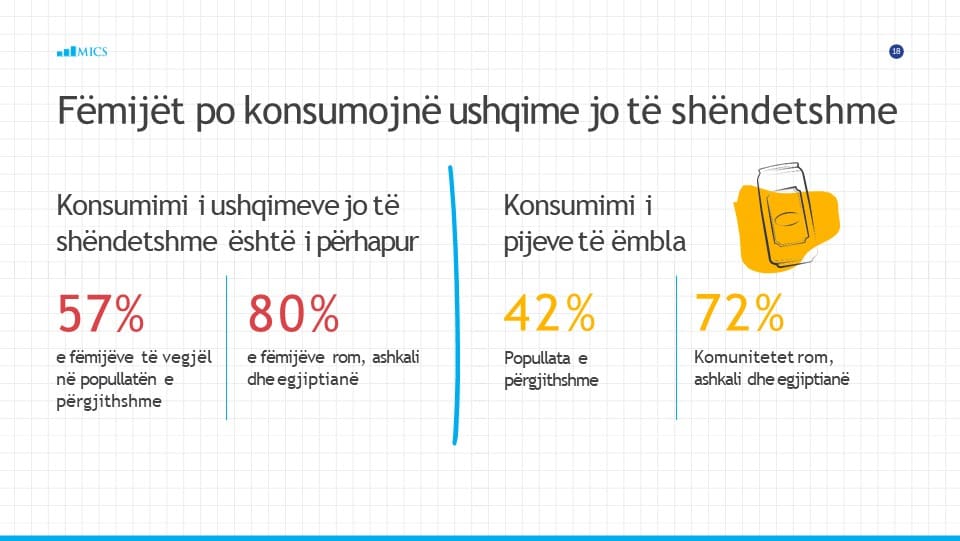
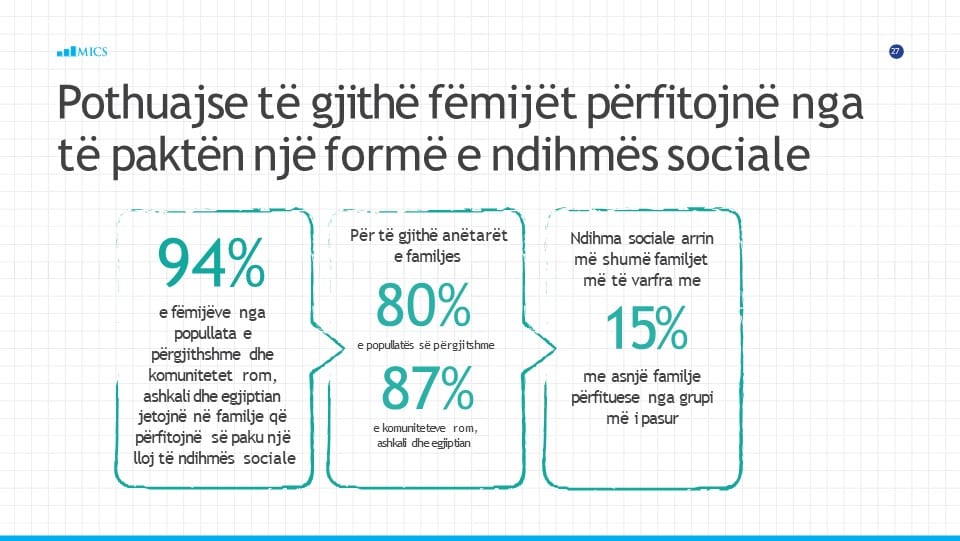
This is even more valuable when we talk about non-majority communities, such as Roma, Ashkali and Egyptians. The separate data on these communities enable us to see disparities and specific needs more clearly and to develop policies that respond to them in a genuinely relevant and practical way. This is also one of the key lessons of MICS: social protection and employment should not be viewed as separate policies. Social support should go hand in hand with education, skills development, employment services and economic inclusion, so that we can create as many opportunities as possible, reduce poverty and prevent it from being passed on from one generation to the next.
The survey results will inform the development of policies in the areas of social policy, education, healthcare and employment, as well as the planning of our future investments for families, particularly children.
This is evidence-based policymaking. And this is how we want to govern: preserve what delivers results, improve what is insufficient, and intervene where there is a need.
I would like to thank the Kosovo Agency of Statistics, UNICEF, the United Nations, the Swiss Cooperation Office, and all the experts and professionals who have worked on this process.
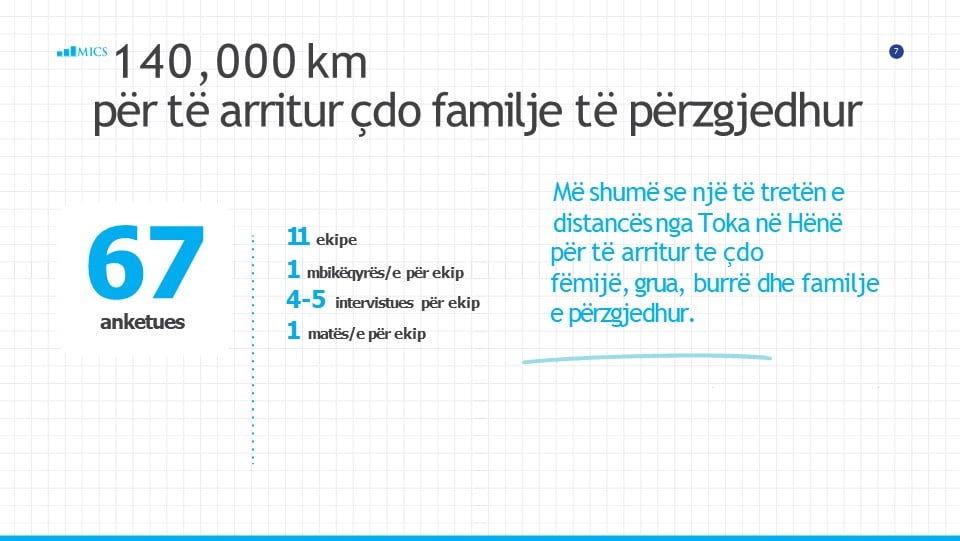
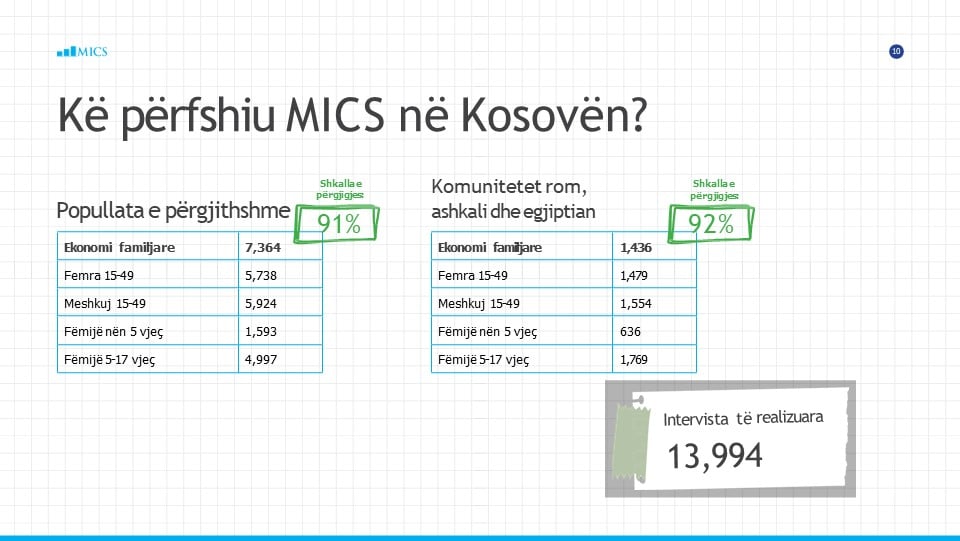
A special thank you goes to the thousands of families across Kosovo who participated in this process and opened the doors of their homes, sharing their time, information and personal experiences with our interviewers.
Thousands of interviews were conducted with families, women, men and children across the country. Indeed, as with every success, countless activities and so many people have contributed to reaching the culmination that we are all celebrating today. Without the participation and trust of these people, we would not have this valuable picture of our society today.
And now, after the picture comes the responsibility. We have the data. They show us where we have made progress. They also show us where we need to do more.
Our task is to turn these data into decisions, decisions into projects, and, at the same time, into even better opportunities for every child and every family in the Republic of Kosovo.
Thank you for your contribution and attention, and I wish you ever-greater success in the future.