Prishtina, 25 September 2026
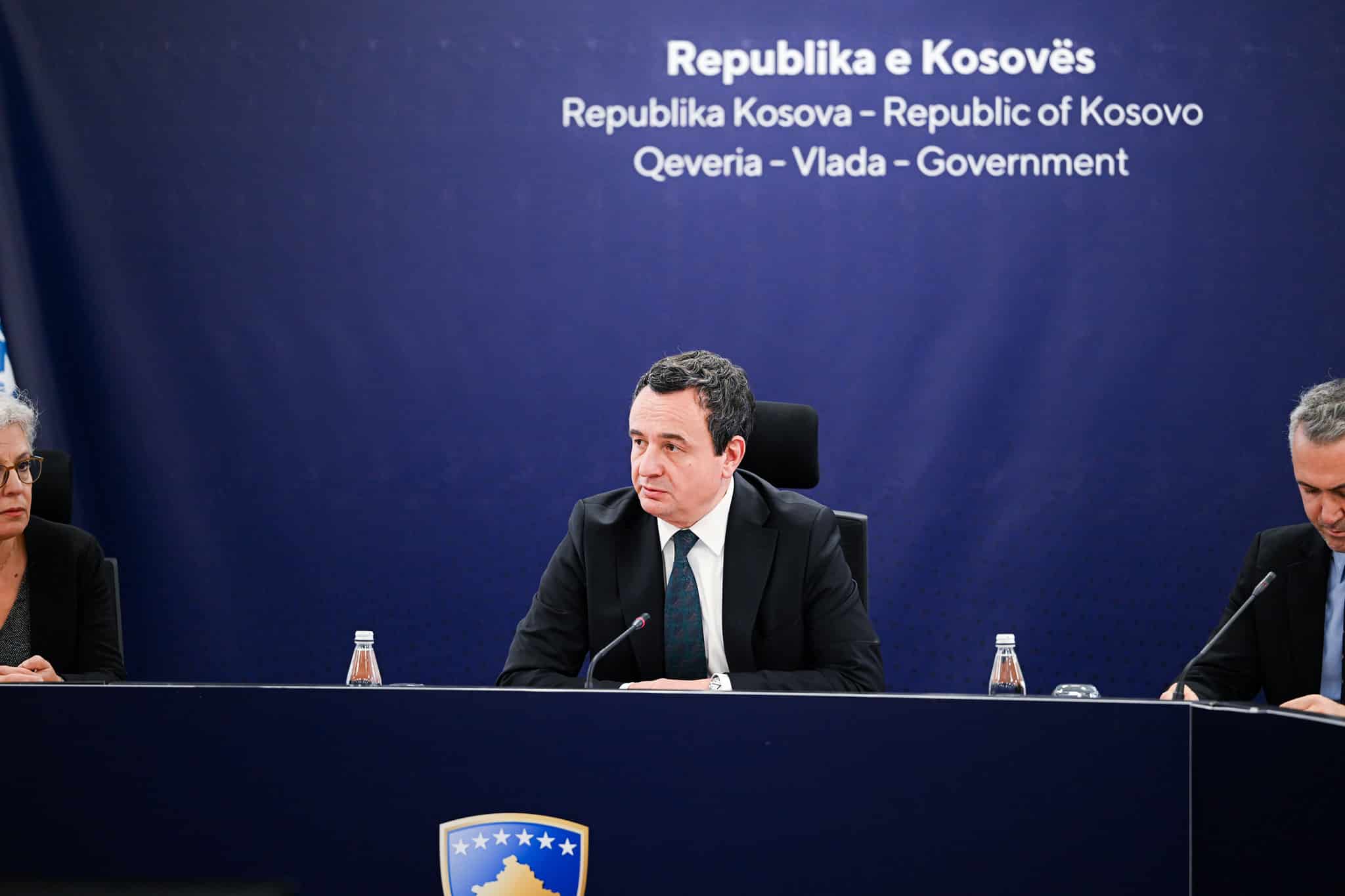
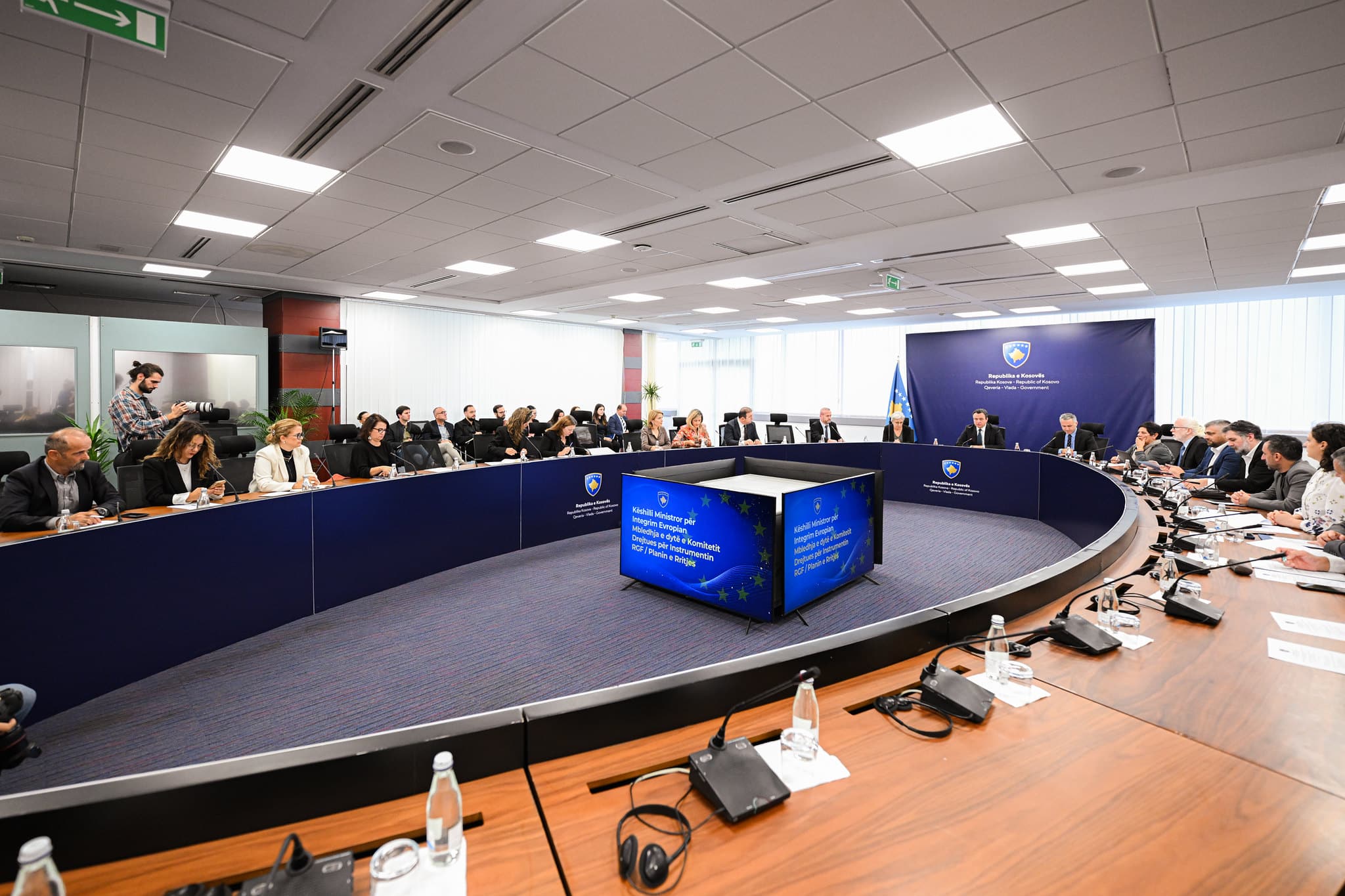
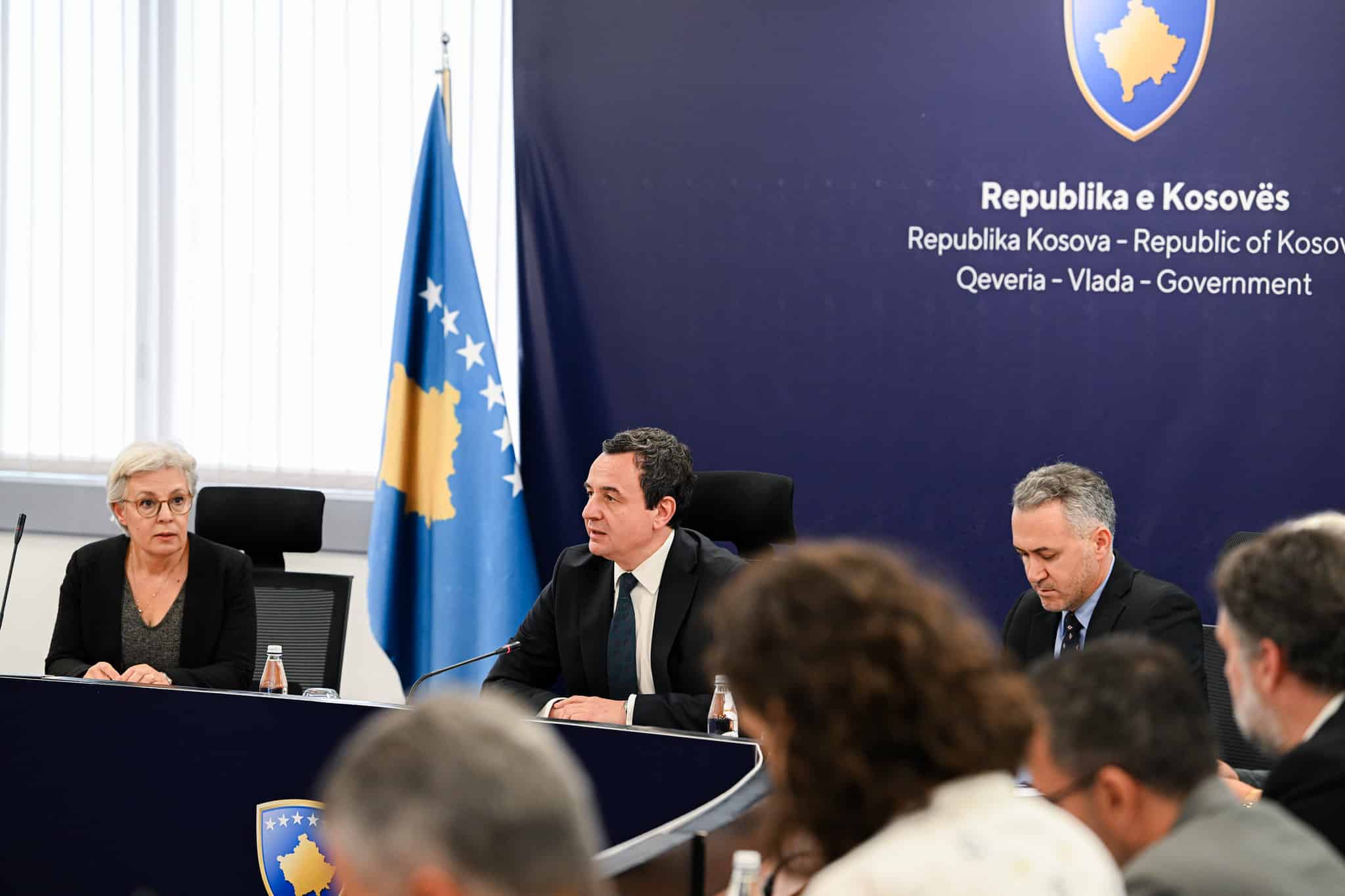
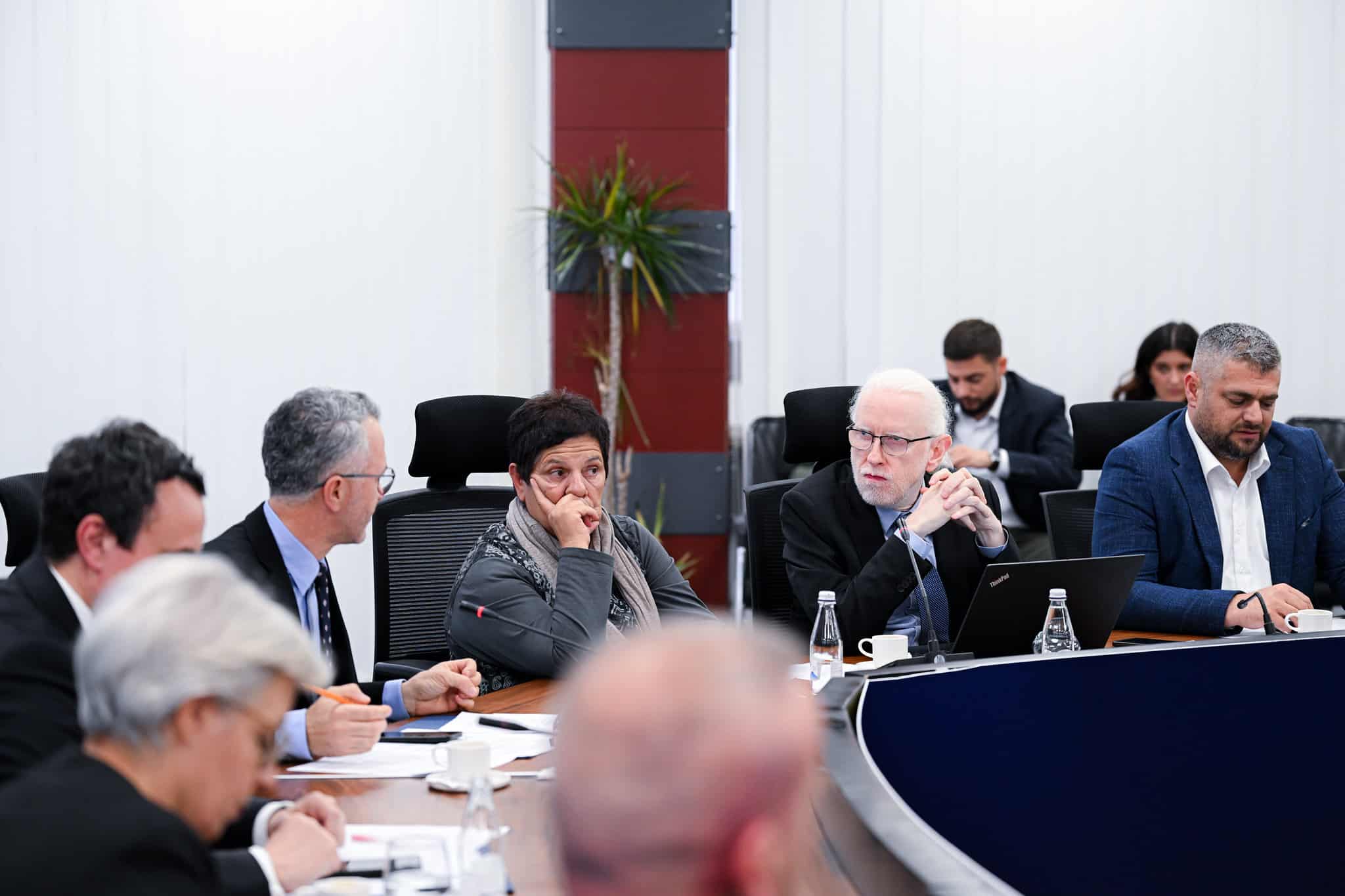
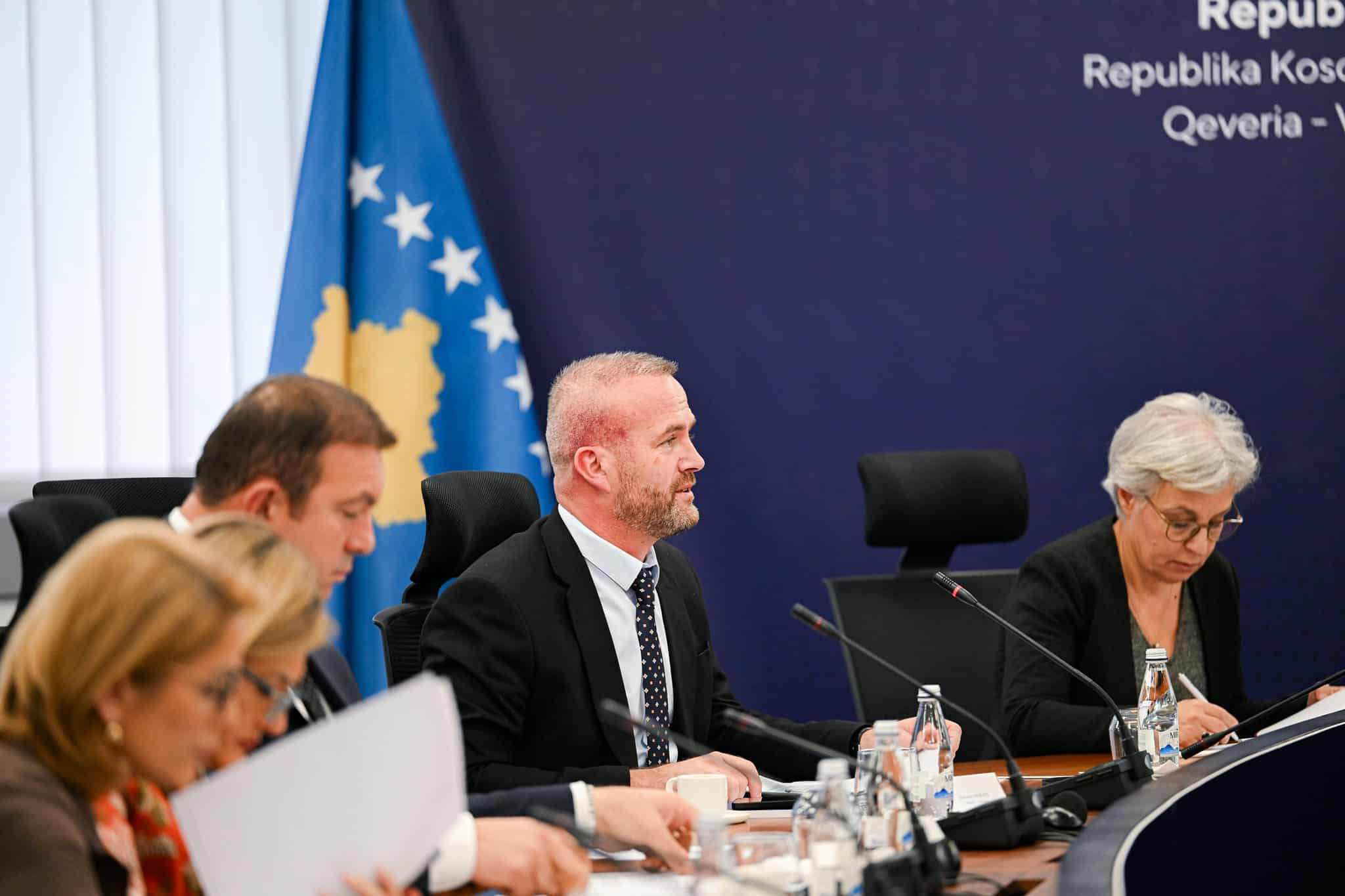
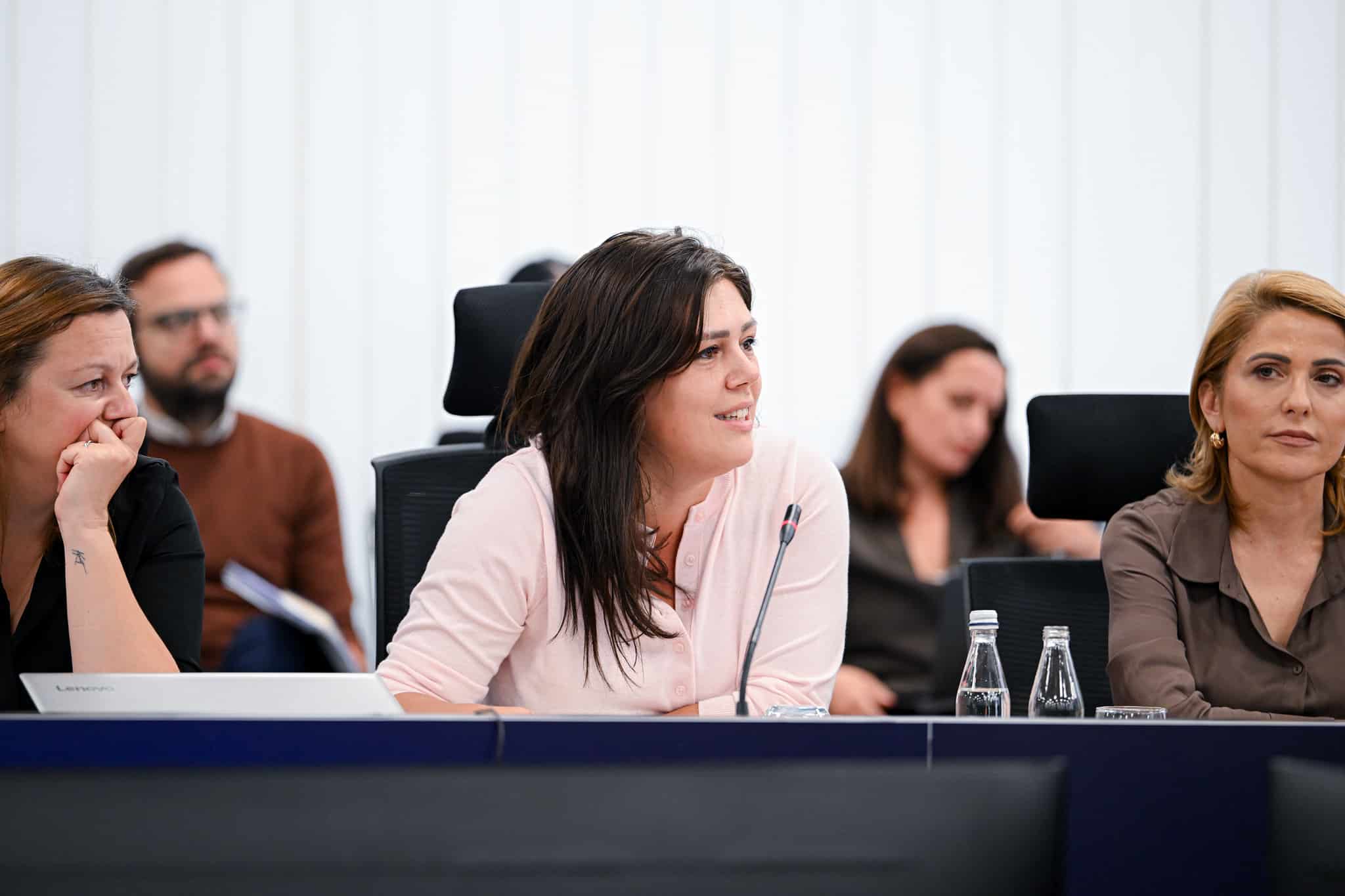
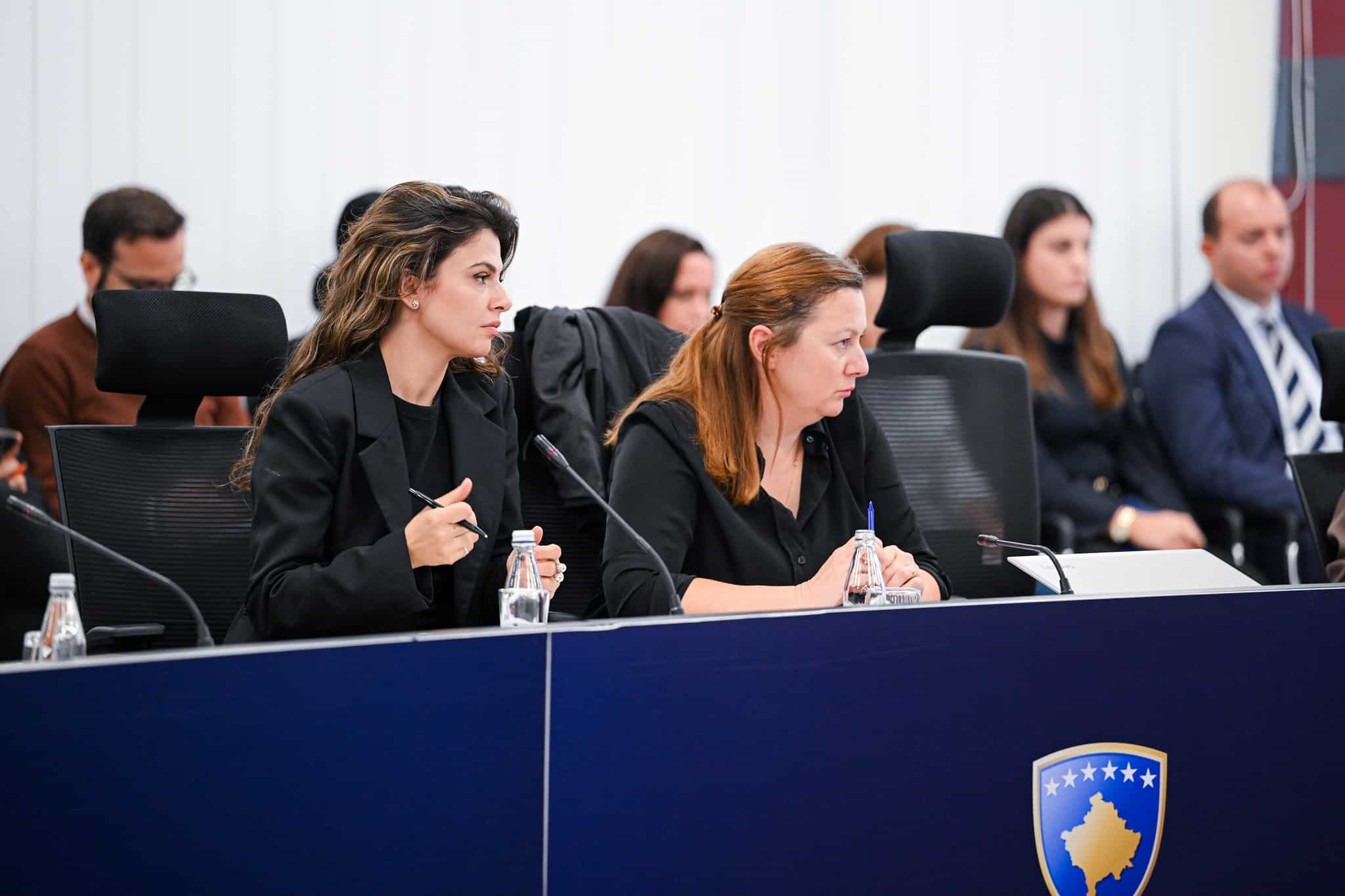
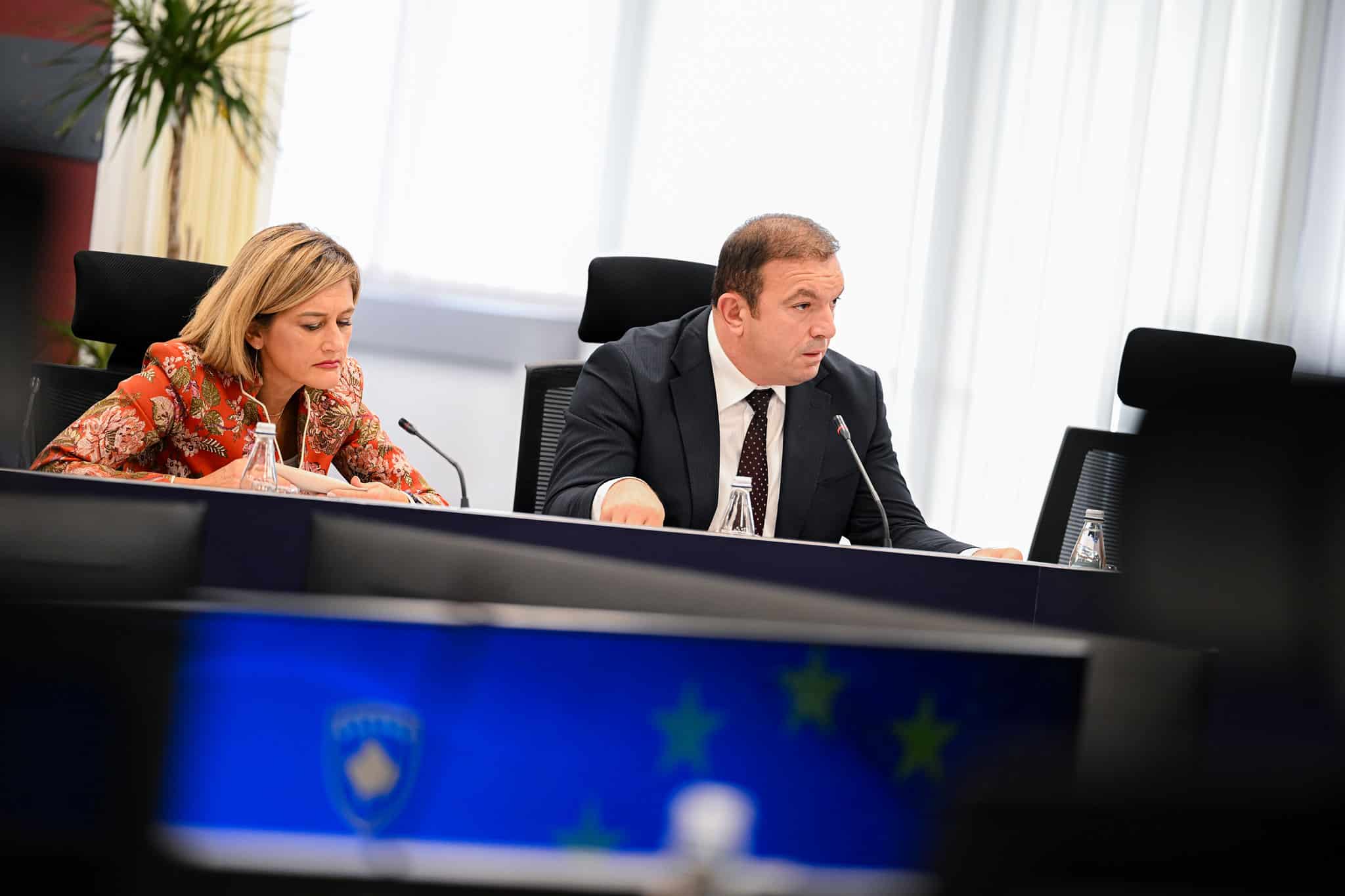
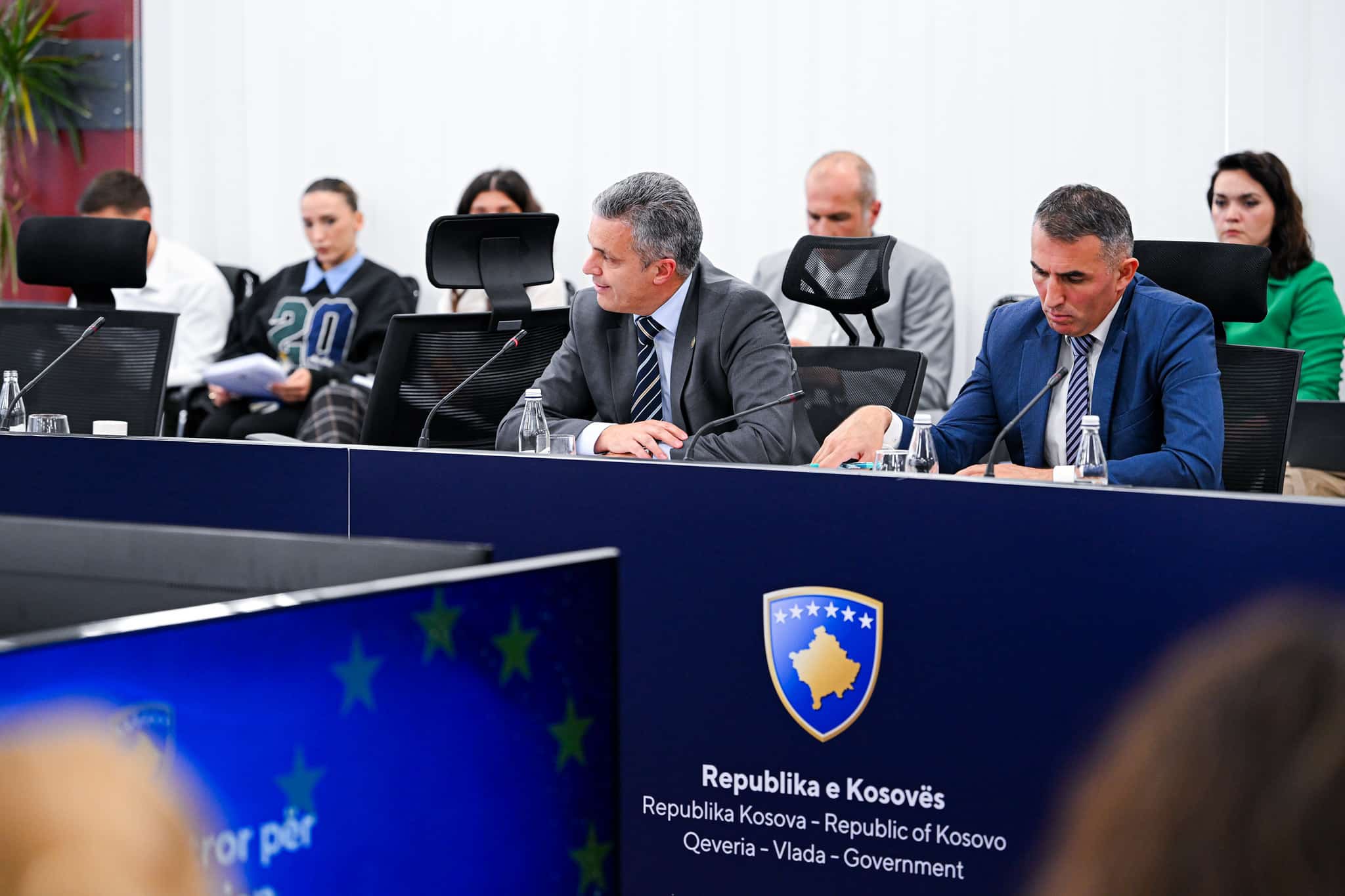
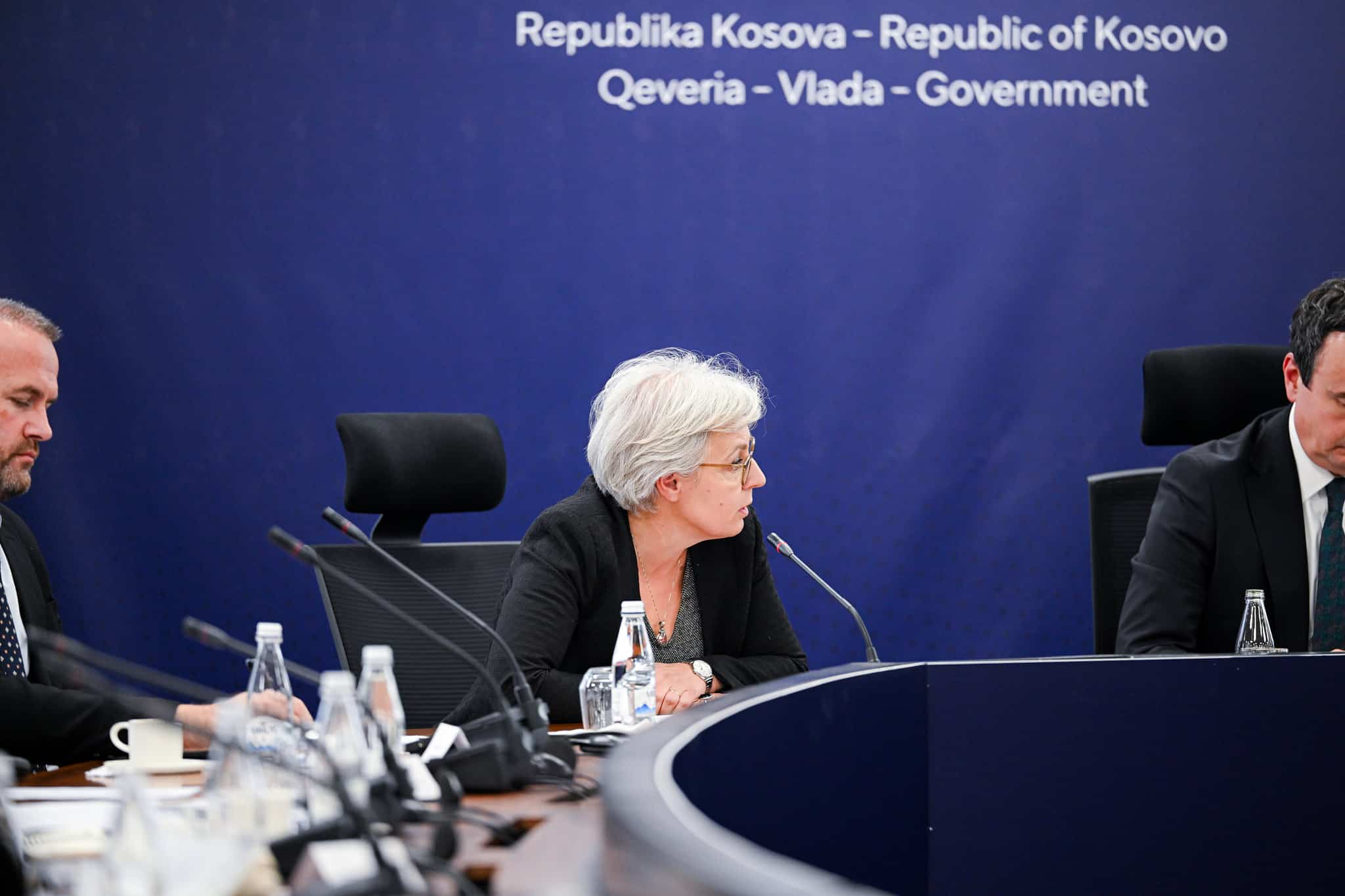
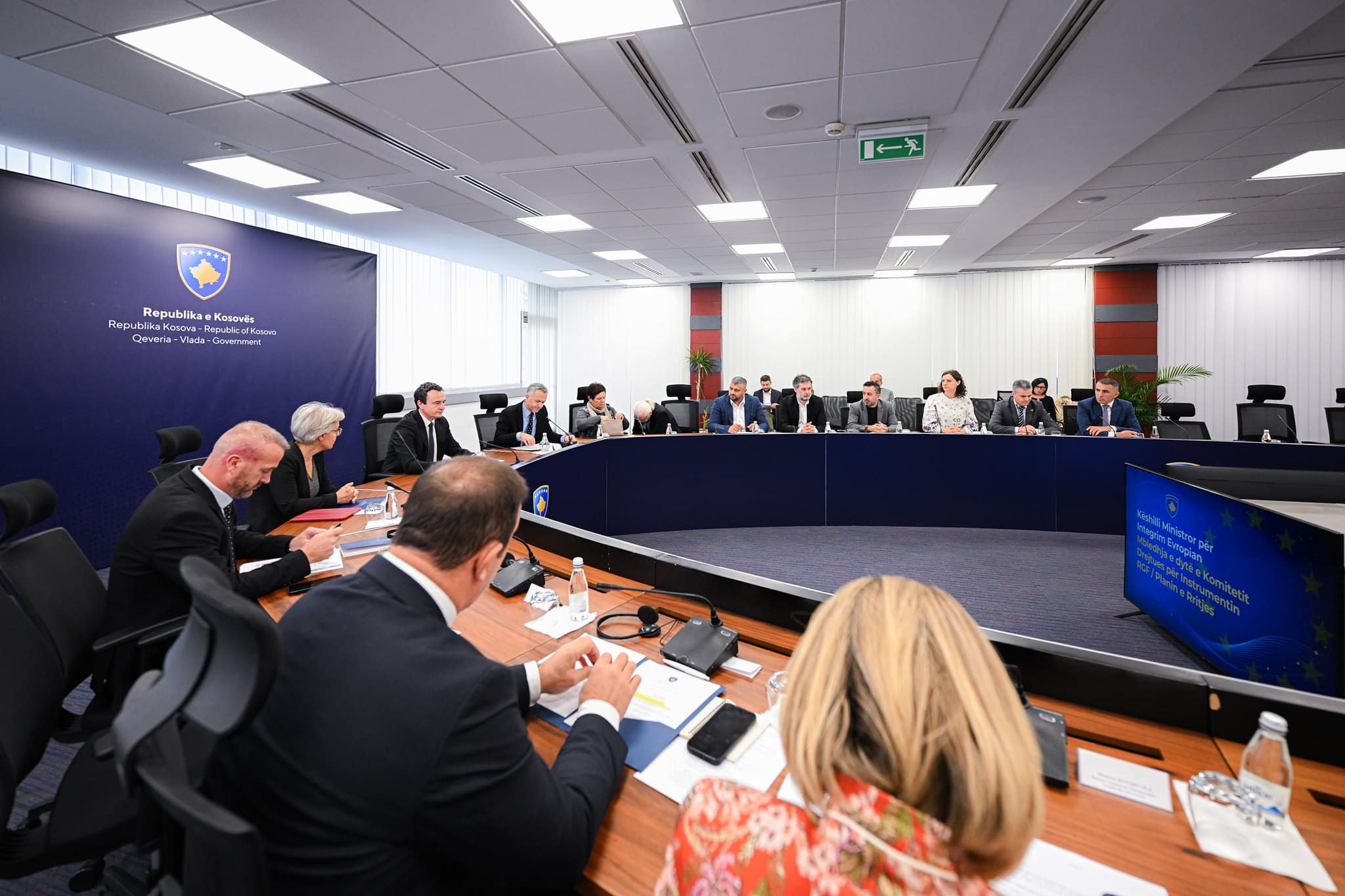
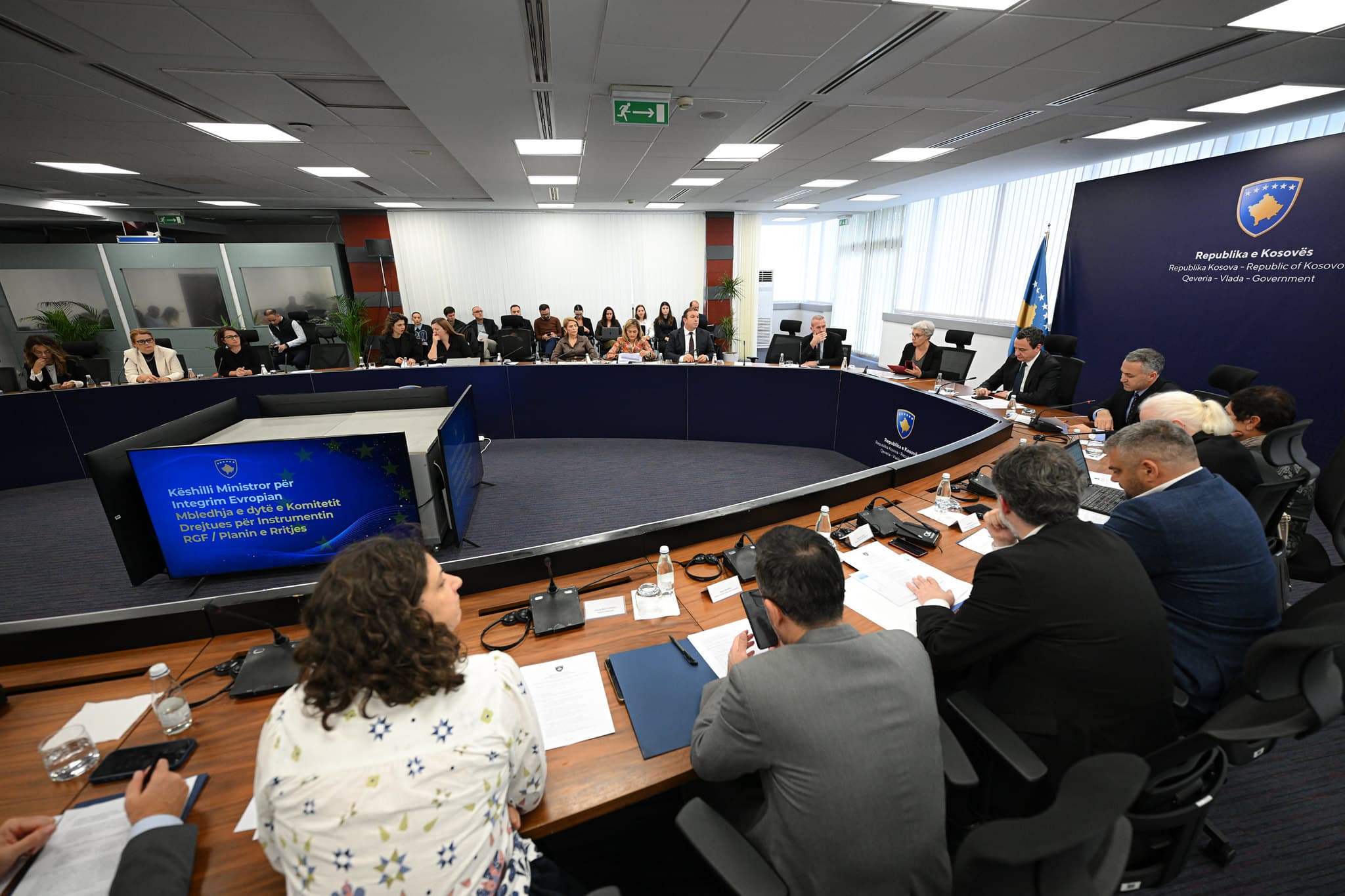
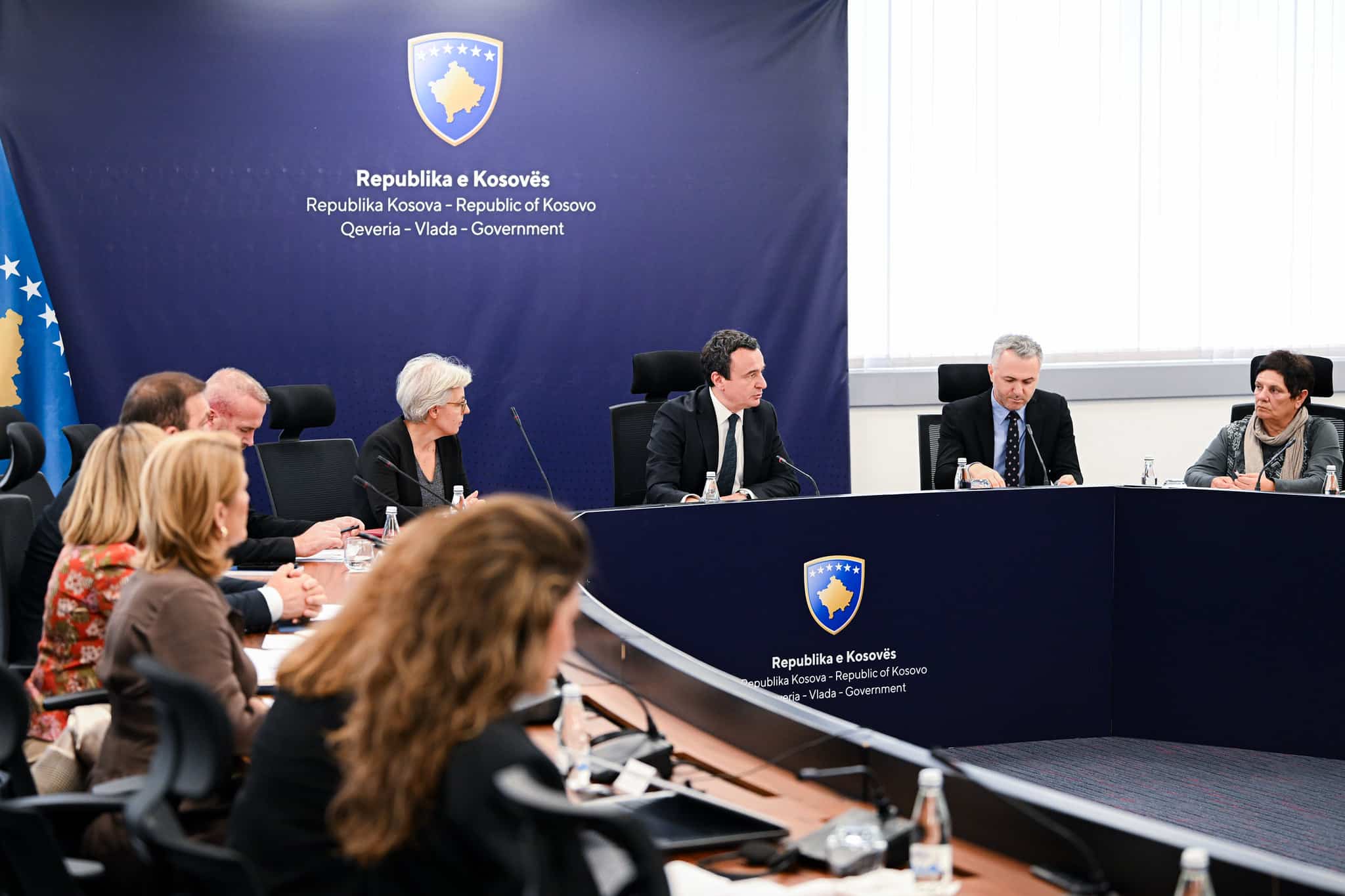
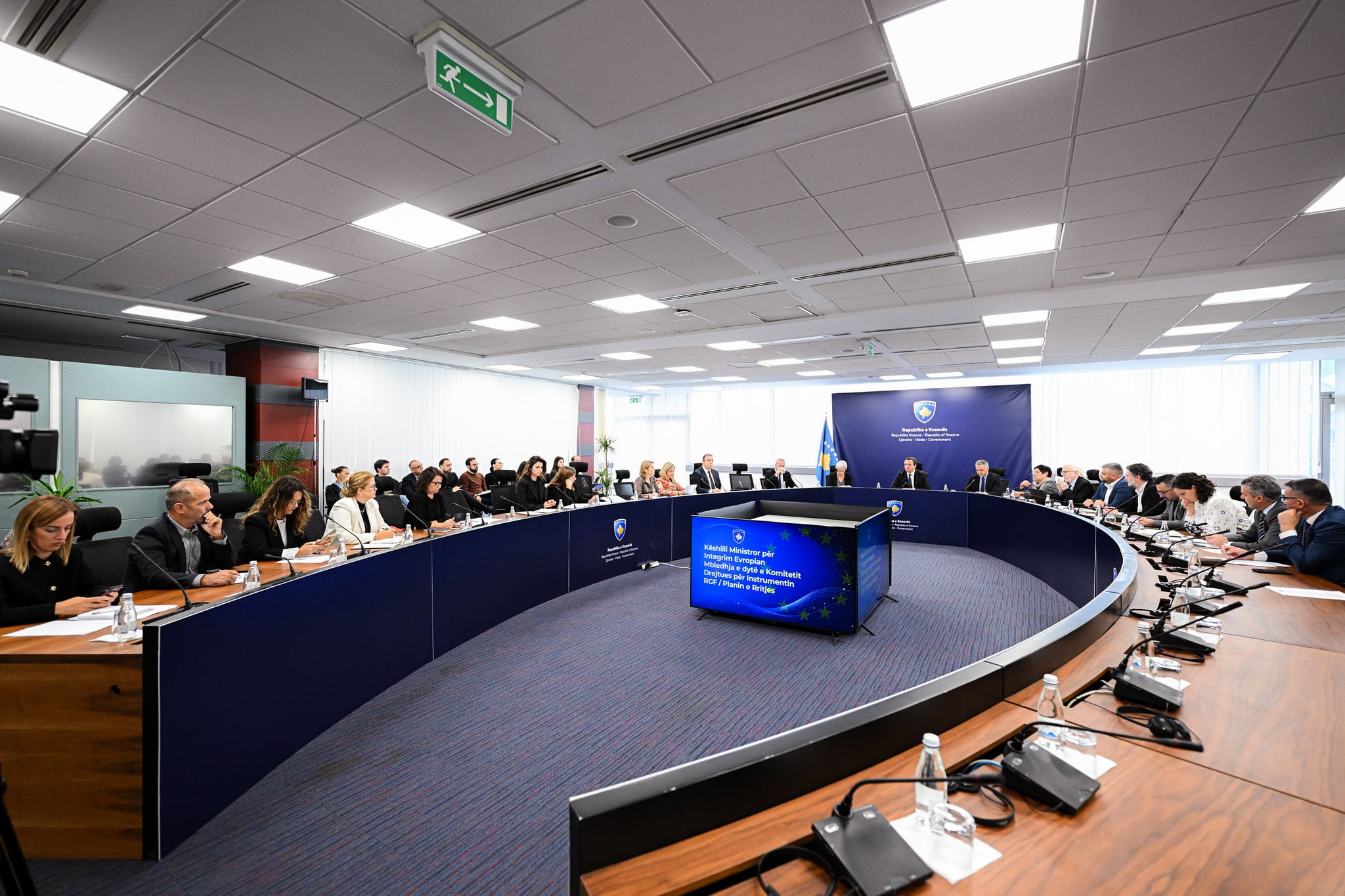
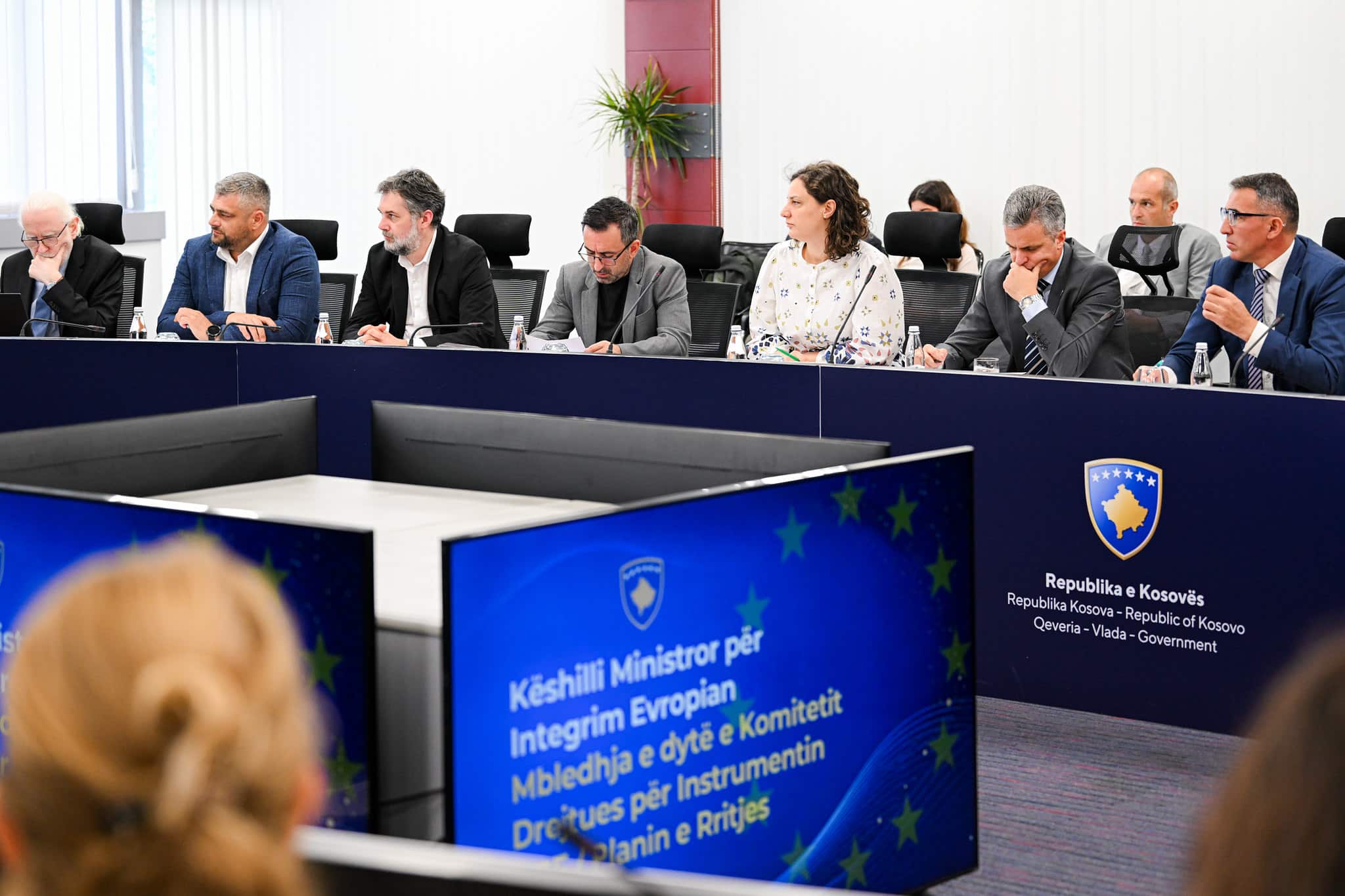
Prime Minister of the Republic of Kosovo Albin Kurti attended the Second Meeting of the Ministerial Council for European Integration in its capacity as the Steering Committee for the Growth Plan, where discussions focused on progress in implementing reforms, the status of ongoing projects, and IPA programmes.
On this occasion, Prime Minister Kurti said that, on 15 July, Kosovo had submitted its first official report on the implementation of the Reform Agenda and its first request for the release of funds under the Growth Plan to the European Commission.
“By 30 June, we had implemented and reported to the European Commission (EC) on 20 reform steps, worth a total of €153.3 million in European Union funds. The EC is currently conducting its assessment. Following the assessment, the Commission will adopt a decision on the release of funds, after which Kosovo will receive the corresponding funds in accordance with that decision,” the Prime Minister said.
He announced that, early next week, three international agreements concerning IPA programmes would be submitted to the Assembly. These include two amendments to projects under IPA 2021 and IPA 2022, as well as the IPA 2026–2027 Financial Agreement, from which Kosovo is expected to benefit by €258 million.
Prime Minister Kurti emphasized that, taken together, the Growth Plan and IPA would provide Kosovo with more than €400 million to support good governance and the implementation of reforms on its path towards European Union membership.
“Attention must now focus on implementing the 22 reforms whose deadlines expire at the end of December this year, worth €131.4 million in EU funds. More than one-third of these reforms, or precisely eight, require the Assembly to approve draft laws. This concerns 10 draft laws with a deadline of 31 December 2026. These draft laws are being finalized, and we will adopt them in the Government within this timeframe. To this end, we have also worked with the European Commission to expedite consultations with the European Union on draft laws whose deadline is 31 December. If the Assembly is functional, neither the reforms nor the funds allocated to them will be lost,” he said.
Full speech by Prime Minister Kurti:
Honourable Ms Donika Gërvalla-Schwarz, Deputy Prime Minister and Minister of Justice,
Honourable Mr Jeton Zulfaj, Chief Negotiator of the Republic of Kosovo with the European Union and National Coordinator for the Reform and Growth Facility,
Honourable ministers and deputy ministers,
Honourable representatives of state institutions,
It is my pleasure to open the second meeting of the Ministerial Council for European Integration in its capacity as the Steering Committee for the Growth Plan, at which we will discuss progress in implementing reforms, the status of ongoing projects, and IPA programmes.
On 15 July, we submitted to the European Commission (EC) our first official report on the implementation of the Reform Agenda and our first request for the release of funds under the Growth Plan.
By 30 June, we had implemented and reported to the EC on 20 reform steps, worth a total of €153.3 million in European Union (EU) funds. The EC is currently conducting its assessment. Following the assessment, the Commission will adopt a decision on the release of funds, after which Kosovo will receive the corresponding funds in accordance with that decision.
Meanwhile, early next week, three international agreements concerning IPA programmes will be submitted to the Assembly. These include two amendments to projects under IPA 2021 and IPA 2022, as well as the IPA 2026–2027 Financial Agreement, from which Kosovo is expected to benefit by €258 million. We expect the Legal Office and the Ministry of Finance to finalize the required opinions without delay.
Taken together, the Growth Plan and IPA will provide Kosovo with more than €400 million to support good governance and the implementation of reforms on its path towards EU membership.
On the other hand, as you have also been informed by the National Coordinator, of the 13 reforms scheduled for the 30 June deadline, six could not be implemented on time. Consequently, of the €90.7 million allocated for the June deadline, more than €40 million was not received.
The reason these funds were not received was the blockade in the Assembly, which prevented the adoption of the laws.
Nevertheless, all draft laws scheduled for the 30 June deadline will be submitted for consideration at the next Assembly session.
Thus, the Assembly’s blockade does not mean that the reforms envisaged under the Growth Plan have failed or that the Government’s good work has been in vain; rather, the funds allocated to those reforms will be lost.
Attention must now focus on implementing the 22 reforms whose deadlines expire at the end of December this year, worth €131.4 million in EU funds. More than one-third of these reforms, or precisely eight, require the Assembly to approve draft laws.
This concerns 10 draft laws with a deadline of 31 December 2026. These draft laws are being finalized, and we will adopt them in the Government within this timeframe. To this end, we have also worked with the European Commission to expedite consultations with the European Union on draft laws whose deadline is 31 December.
If the Assembly is functional, neither the reforms nor the funds allocated to them will be lost.
Let me reiterate: because of the blockade in the Assembly, none of the envisaged reforms will be lost, but the funds allocated to those reforms under the Growth Plan will be.
The Assembly is a branch of government separate from the Government. It is one of the three branches of power in a democratic state. The Assembly’s primary responsibilities are to pass laws and oversee the Government. To fulfil these functions, the Assembly must be functional. We are a democracy characterized by social and political pluralism, and we share responsibility for the Assembly as the highest representative and legislative institution.
Citizens have determined the share of responsibility of each political entity in the Assembly. They have given no entity absolute responsibility; consequently, each entity bears responsibility in proportion to the share of votes it received from citizens.
According to the Constitutional Court’s announcement the day before yesterday, the deadline for electing the President is 6 October. If we fail to elect a new President, we will have to hold elections again, which would be the fourth election in less than two years.
New elections are unnecessary and costly. We already have a Speaker of the Assembly and an elected Government, and this Assembly can elect a President for the country.
We must understand that Kosovo does not hold presidential elections. Any new elections would once again be for the Assembly and the Government, not for the President, since the President is elected by the Assembly.
Why should we hold elections again to constitute an Assembly that is unable to elect a President? We should not keep holding elections simply to confirm the same results.
I will now give the floor to the National Coordinator for Growth Plan Reforms to present the status of the reforms and investment projects under the Western Balkans Investment Framework.
Thank you for your participation and attention.