Prishtina, 14 April 2026
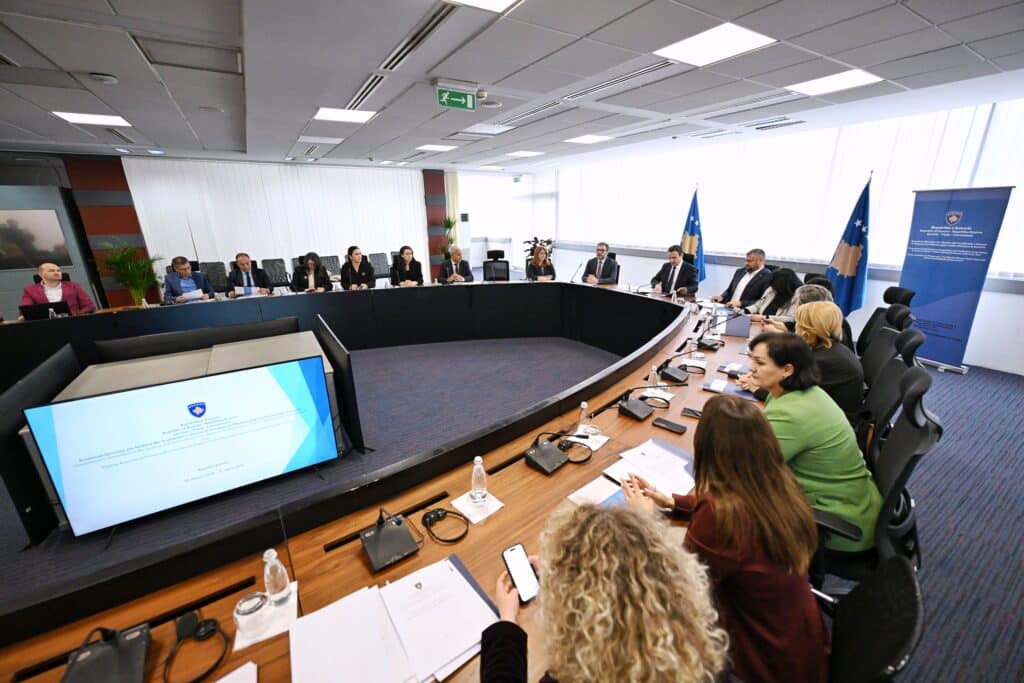
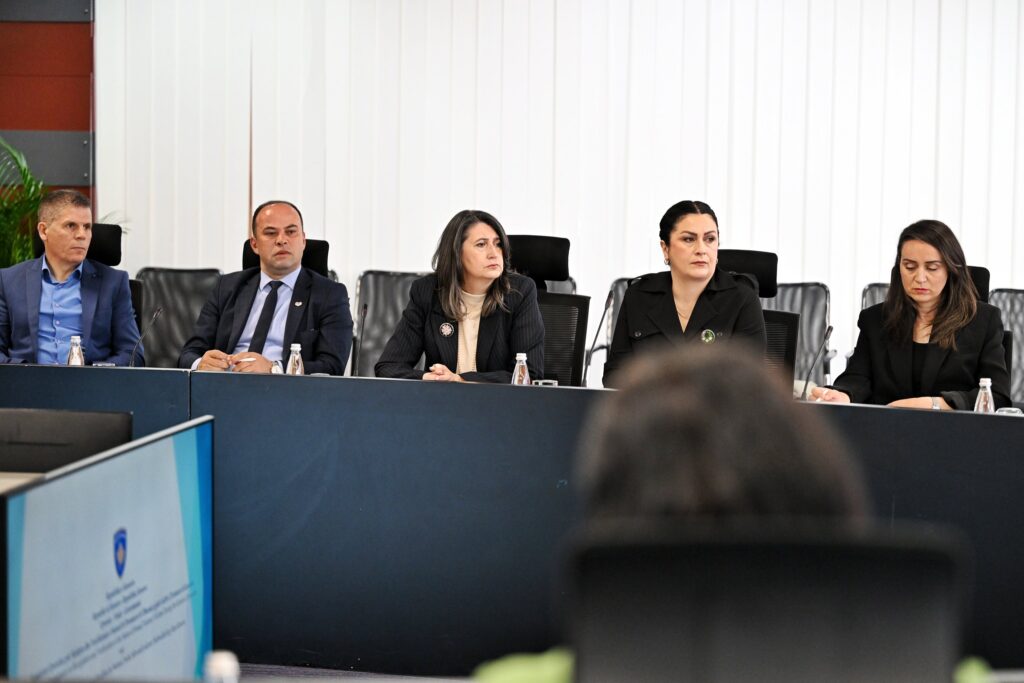
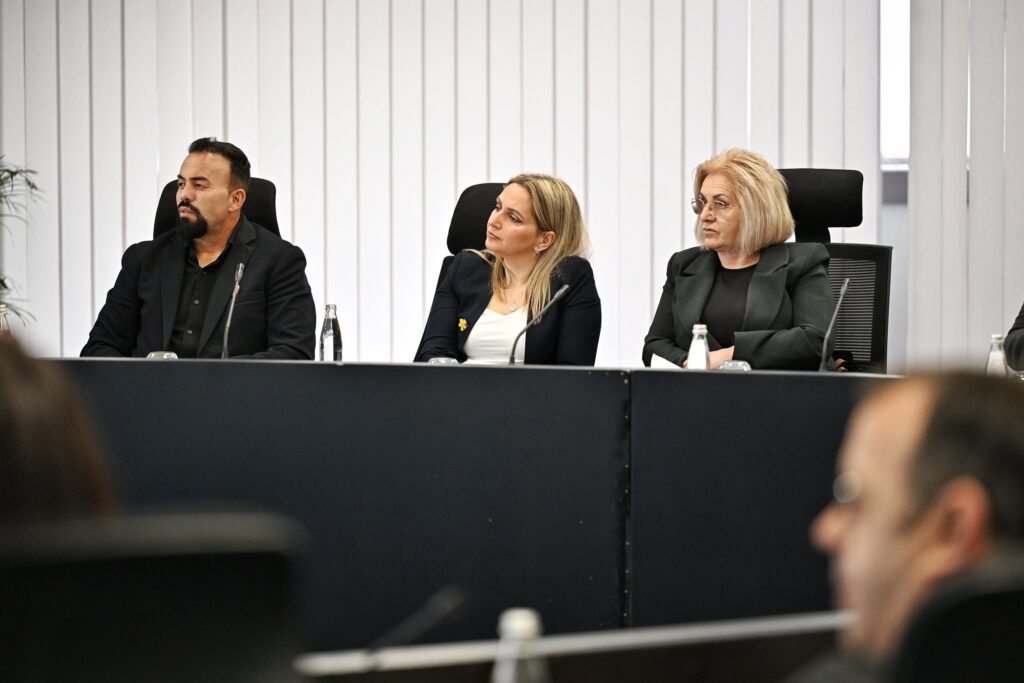
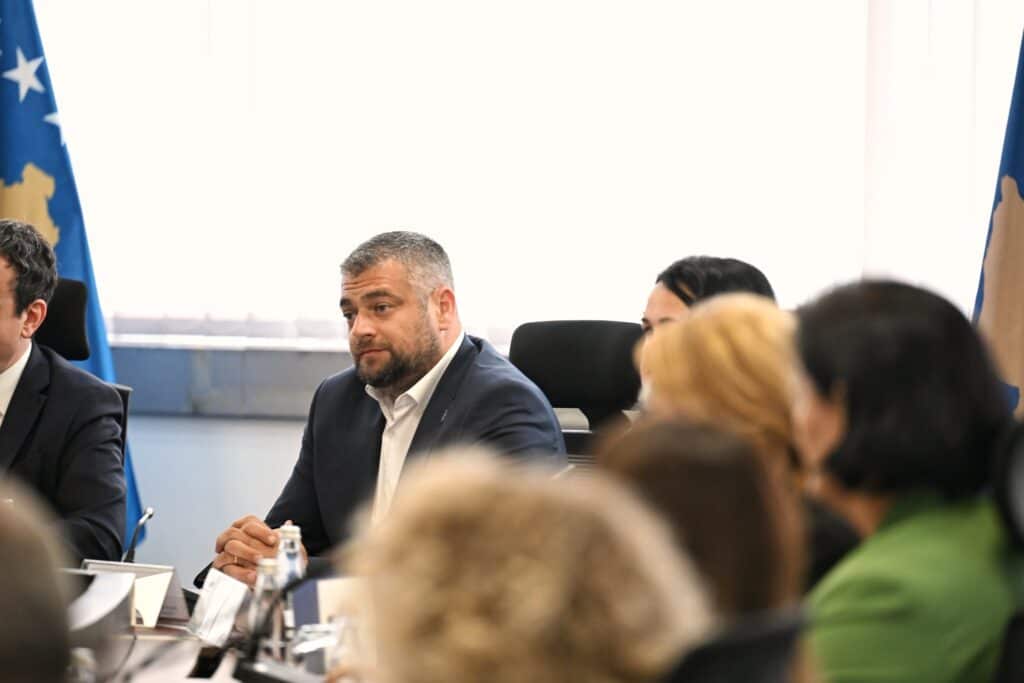
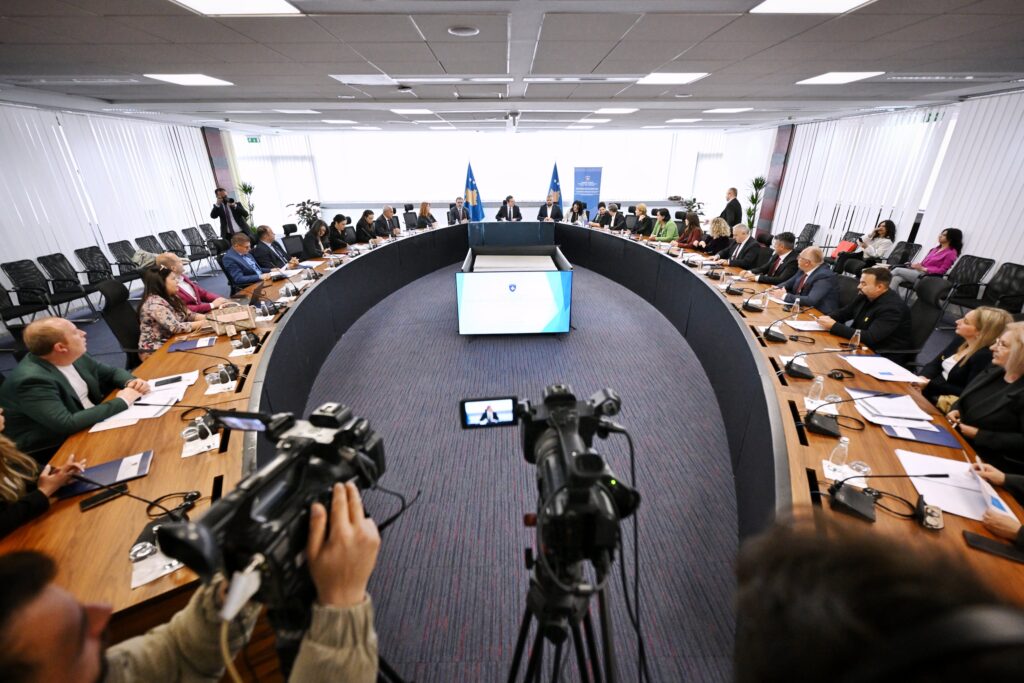
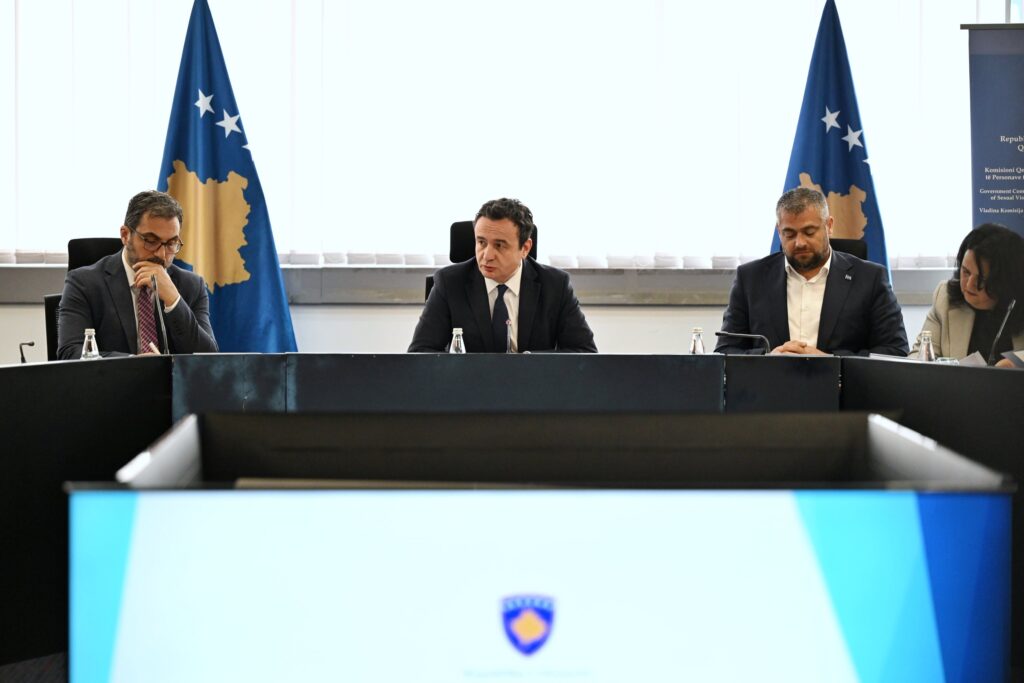
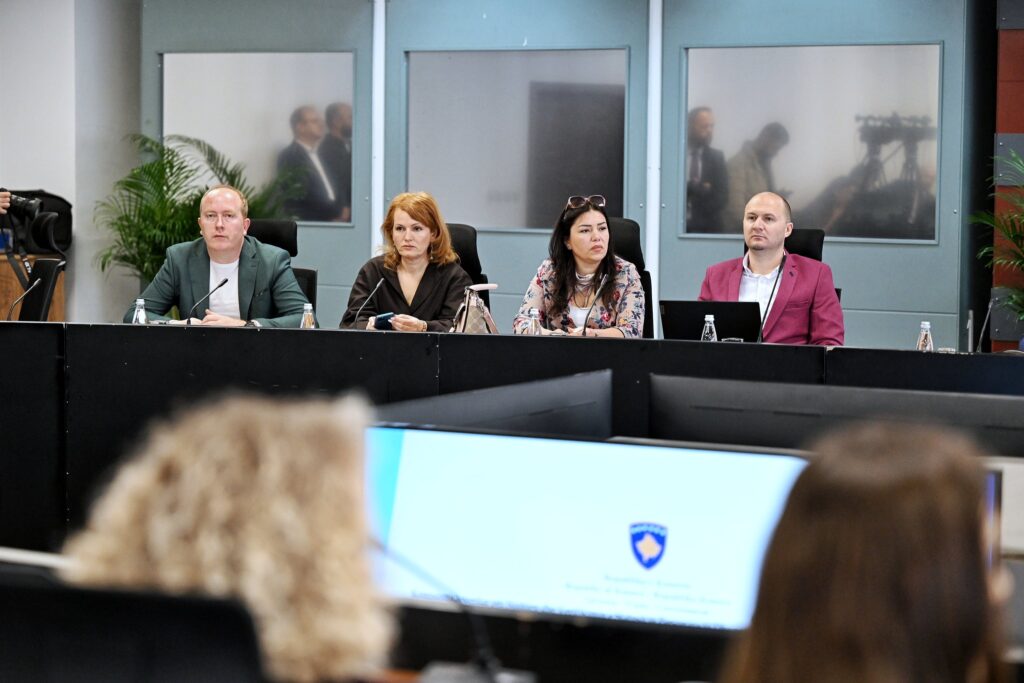
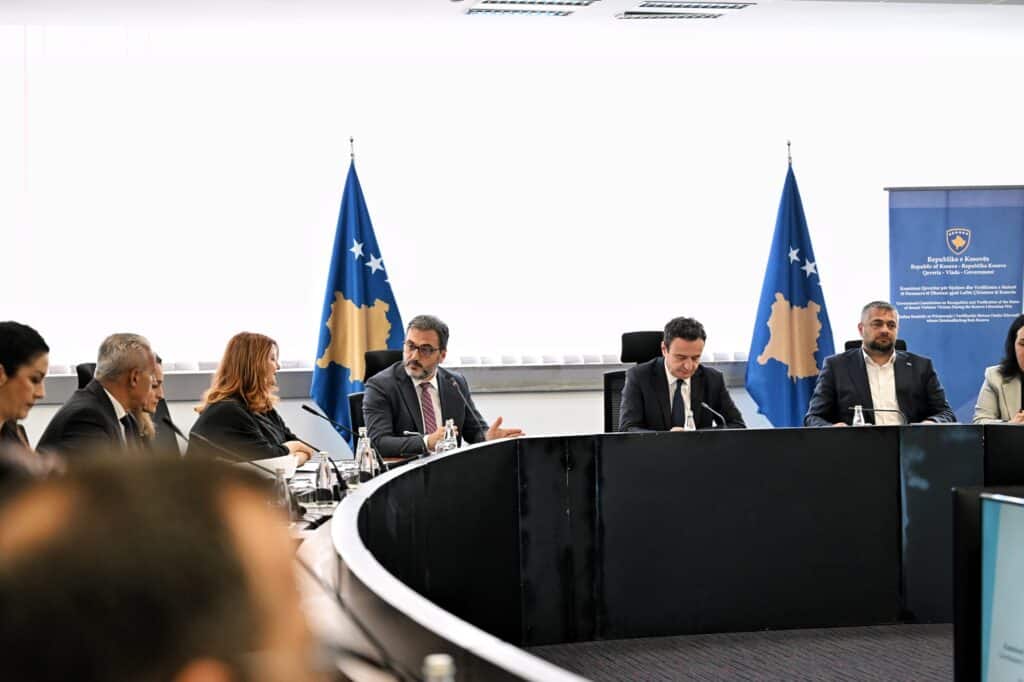
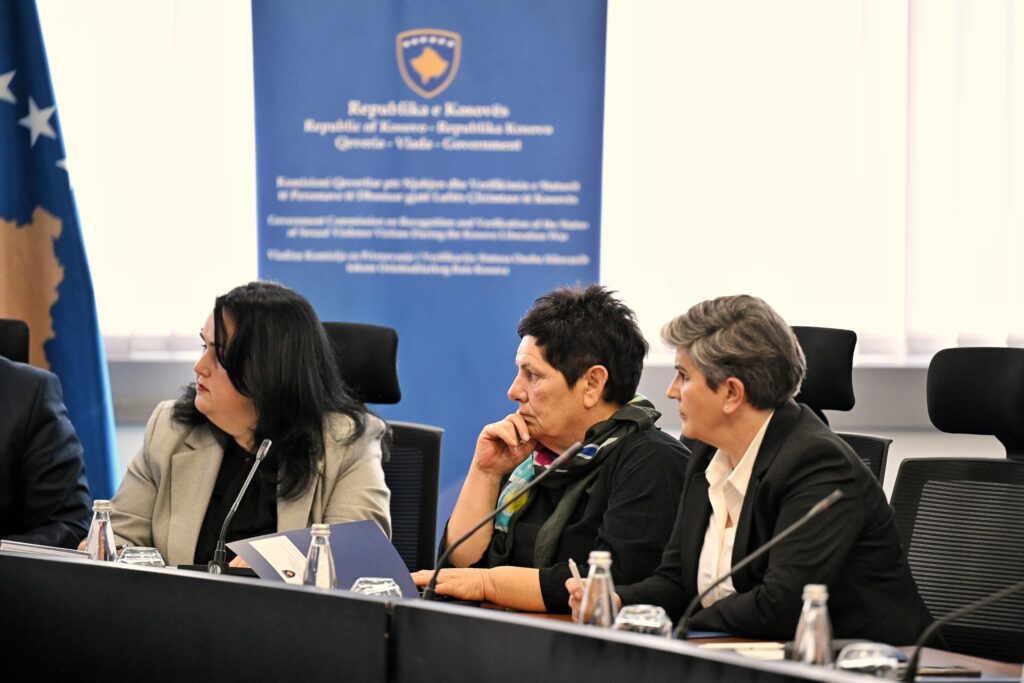
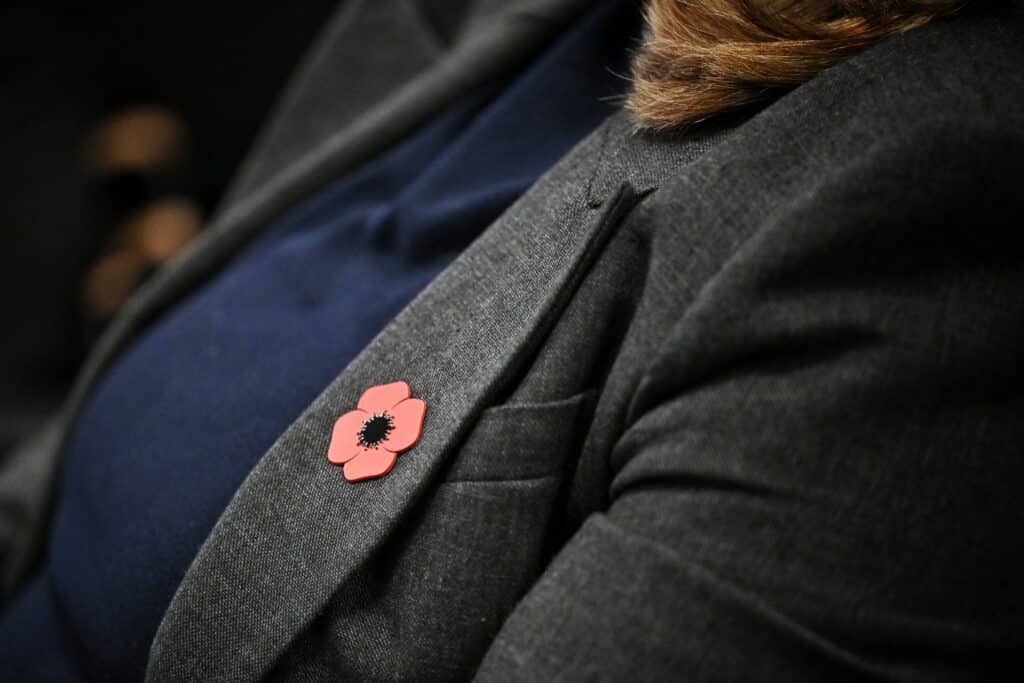
The Prime Minister of the Republic of Kosovo, Albin Kurti, took part in the roundtable organised to mark 14 April – the Memorial Day of Survivors of Sexual Violence from the last war in Kosovo.
In his opening remarks, Prime Minister Kurti said that, on a day of remembrance and responsibility, on 14 April, we honour all those women and men who experienced sexual violence during the war in Kosovo, one of the gravest and most silent wounds of the war, a pain that for so many years was hidden because of fear, stigmatisation and the lack of space to speak.
“The Government Commission for the Recognition and Verification of Status exists precisely for this purpose, to ensure that every survivor, man and woman alike, has the opportunity to be recognised, heard and treated with the respect they deserve. So that every woman survivor has a door she can knock on without fear, a process that guarantees confidentiality, and a state that listens seriously,” he said, noting that to date 1925 cases have had their status recognised by the Commission.
Prime Minister Kurti further stressed that the testimonies of women and men who survived sexual violence during the war in Kosovo show that all wounds require both social care and state justice, and also remind us that support for survivors is a shared obligation and duty of all of us, one that requires lasting commitment. “Their voice is essential in our transitional justice processes, which acknowledge the sufferings of the past and encourage hope for the future,” he said.
Full speech by Prime Minister Kurti:
Honourable Mr Ardian Gola, Deputy Speaker of the Assembly of the Republic of Kosovo,
Honourable Mr Andin Hoti, Minister of Labour, Family and the Values of the Liberation War,
Honourable Ms Fatmire Mulhaxha-Kollcaku, MP and Chair of the Committee on Human Rights, Gender Equality, Labour, Family, the Values of the Liberation War and Petitions,
Honourable Ms Leonora Selmani, Chair of the Government Commission for the Recognition and Verification of the Status of Persons Subjected to Violence during the Liberation War in Kosovo,
Honourable representatives of the institutions of the Republic of Kosovo,
Honourable representatives of civil society organisations and international organisations,
Dear women and men who survived sexual violence during the war,
Ladies and gentlemen,
Honourable attendees,
Welcome to the Office of the Prime Minister, on a day of remembrance and responsibility. On 14 April, we honour all those women and men who experienced sexual violence during the war in Kosovo, one of the gravest and most silent wounds of the war.
For many years, this pain was somehow hidden: because of fear, stigmatisation and the lack of space to speak. And today, as institutions of the Republic of Kosovo, with both a moral and an institutional obligation, we reiterate that we will not allow this pain to remain invisible.
The Government Commission for the Recognition and Verification of Status exists precisely for this purpose, to ensure that every survivor, man and woman alike, has the opportunity to be recognised, heard and treated with the respect they deserve. So that every woman survivor has a door she can knock on without fear, a process that guarantees confidentiality, and a state that listens to her seriously. The Commission, together with partner organisations and institutions, is committed to further improving the status recognition process, ensuring that it is safe and sensitive to the experiences of each applicant.
To date, 1925 cases have had their status recognised by the Commission. But many survivors still live in suppressed silence as they face stigma. They still hesitate to seek what is rightfully theirs: justice, recognition and support.
And this is where our responsibility lies: to continue further strengthening our joint efforts to bring information closer to every person who has the right to apply. We must further intensify our engagement, and we must work more closely with citizens, organisations and partners to ensure that no one remains uninformed or unsupported.
The testimonies of women and men who survived sexual violence during the war in Kosovo show that all wounds require both social care and state justice. They remind us that support for survivors is a shared obligation and duty, requiring lasting commitment. Their voice is essential in our transitional justice processes, which acknowledge the sufferings of the past and encourage hope for the future.
We have now adopted, and together we are implementing, the Strategy on Transitional Justice, for the first time since the end of the war in Kosovo. Likewise, we are documenting the crimes committed during the war in Kosovo through the Institute that has been established. We are supporting survivors’ applications to the Government Commission by financing four authorised organisations: the Kosovo Rehabilitation Centre for Torture Survivors, the Centre for the Promotion of Women’s Rights in Drenas, Medica Gjakova and Medica Kosova, to which we are grateful for their dedication and efforts.
Our joint commitment must continue further through building trust. Through the further improvement of this confidential process, sensitive to the experience of each individual. By bringing institutions closer to citizens who still hesitate to speak out. Because beyond an administrative procedure, applying for recognition is a step towards acknowledging the truth, towards healing and justice.
Honourable attendees,
The voices of survivors, women and men, have challenged silence and contributed to the collective courage to confront the bitter past. Today and every day, we honour the courage of those who spoke out, who bore witness, who refused to remain invisible. Because through them, hundreds of others have found strength.
Therefore, as we mark this memorial day, we remember all the victims and survivors, and honour the resilience of those who, upon the destruction of war, are building the peace of the present and the future.
Honourable representatives of institutions and organisations,
Your presence today reminds us of the power of cooperation and solidarity in confronting these wounds of society and in healing them. Therefore, let us continue on this path together, with the conviction that the future we are building will be far better for everyone.
We stand side by side and steadfast on the path of justice and equality, which are our shared ideals, transformed into daily work.
Thank you.