Prizren, 28 September 2026
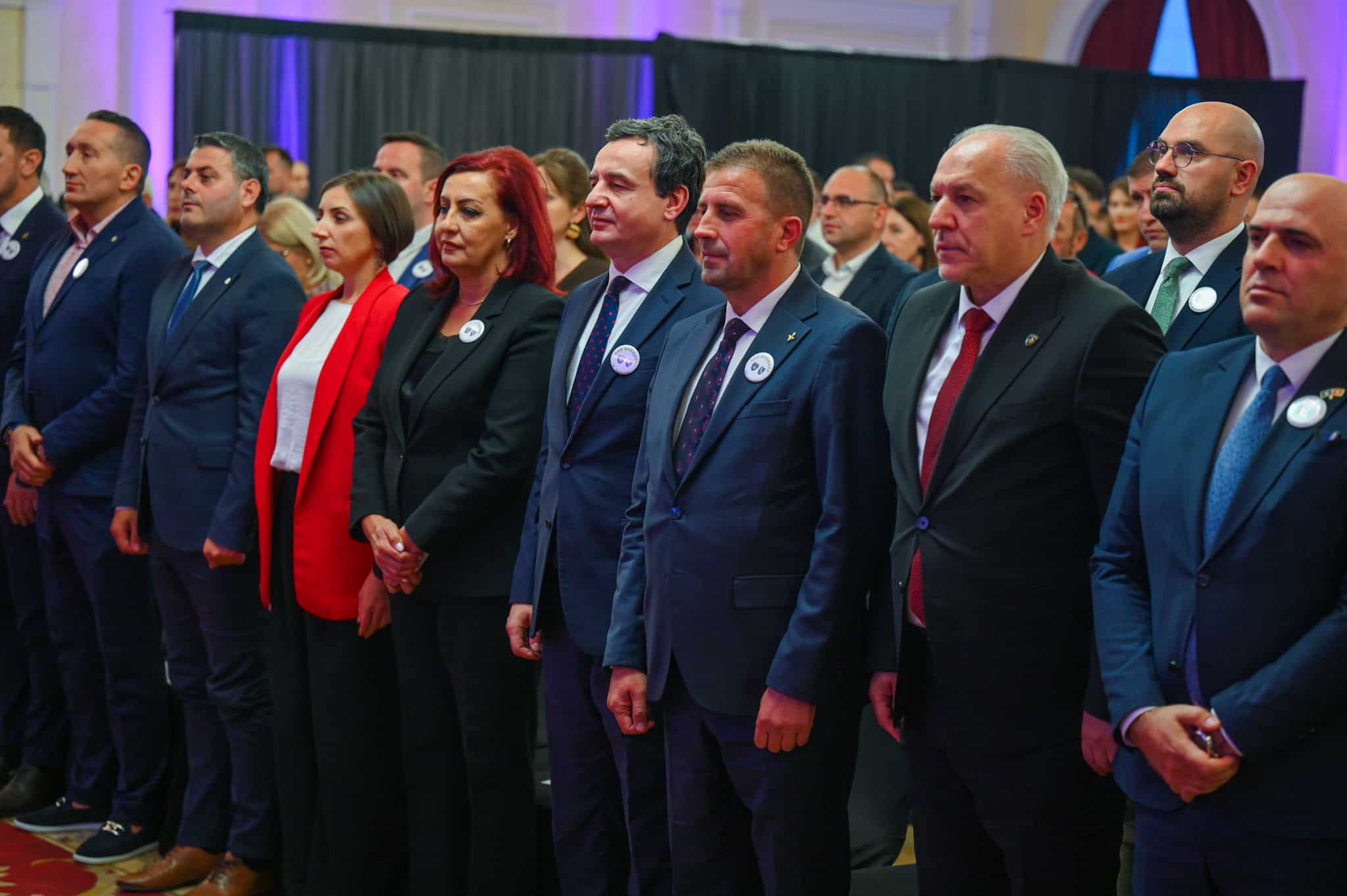
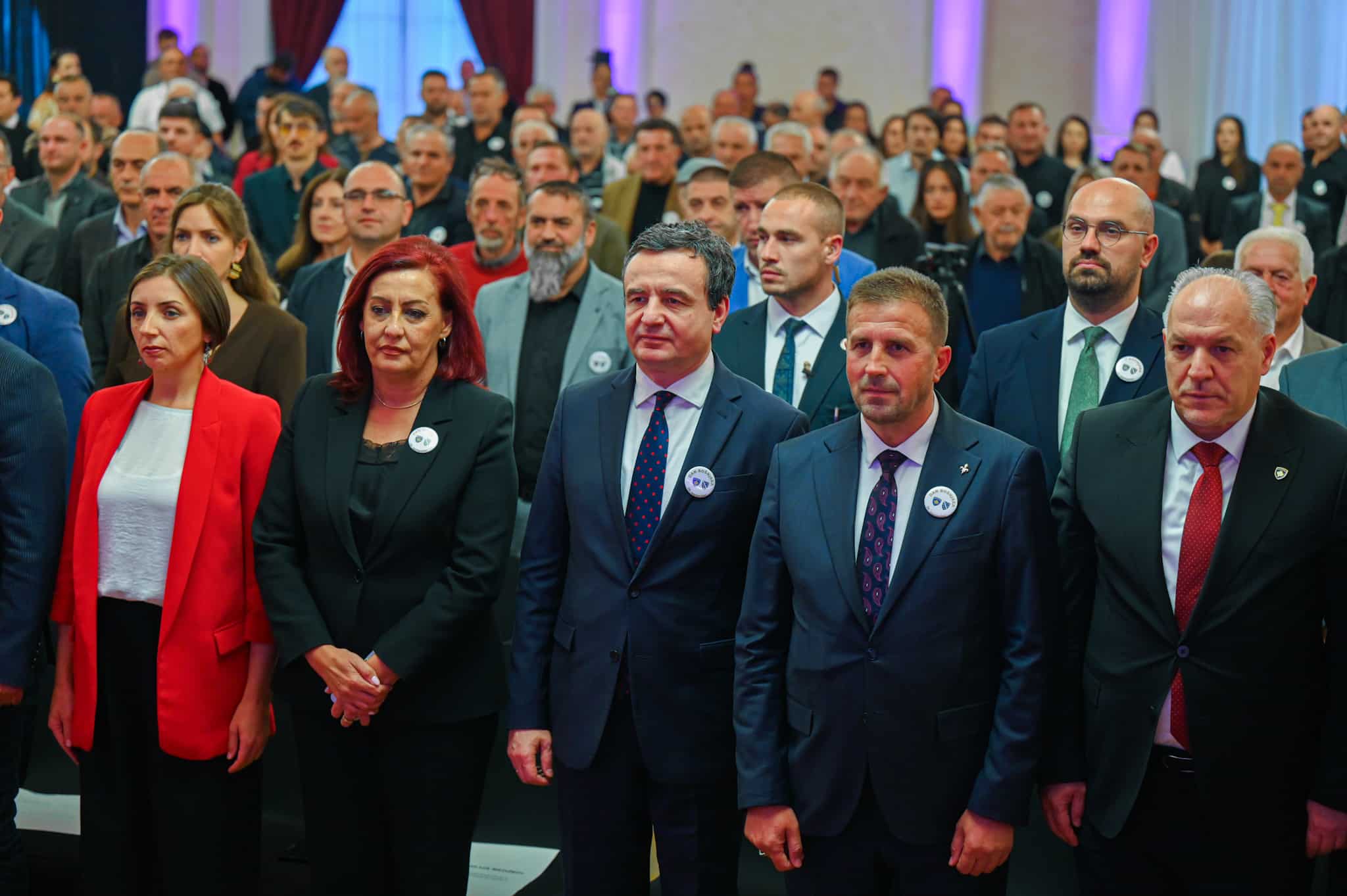
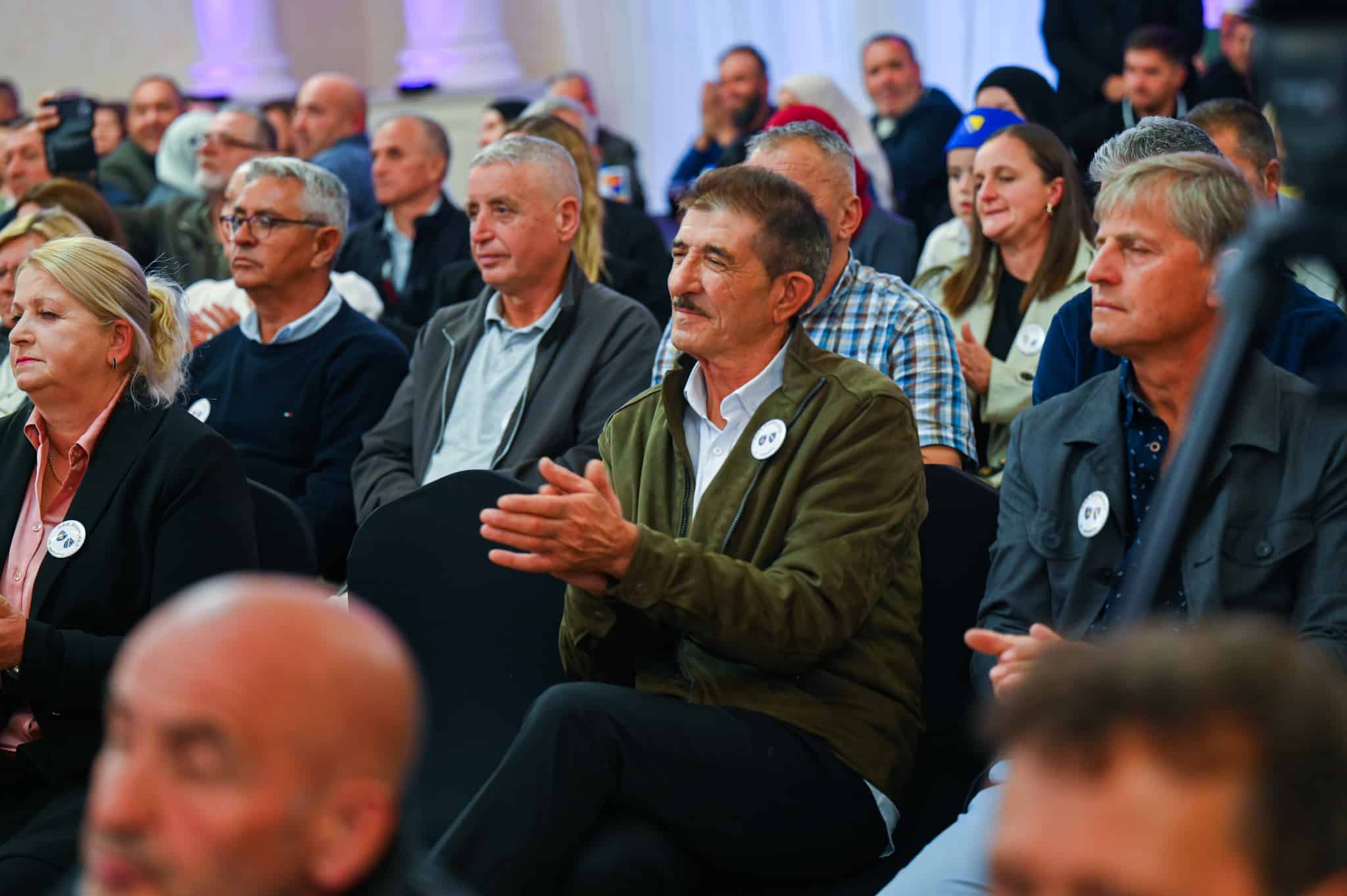
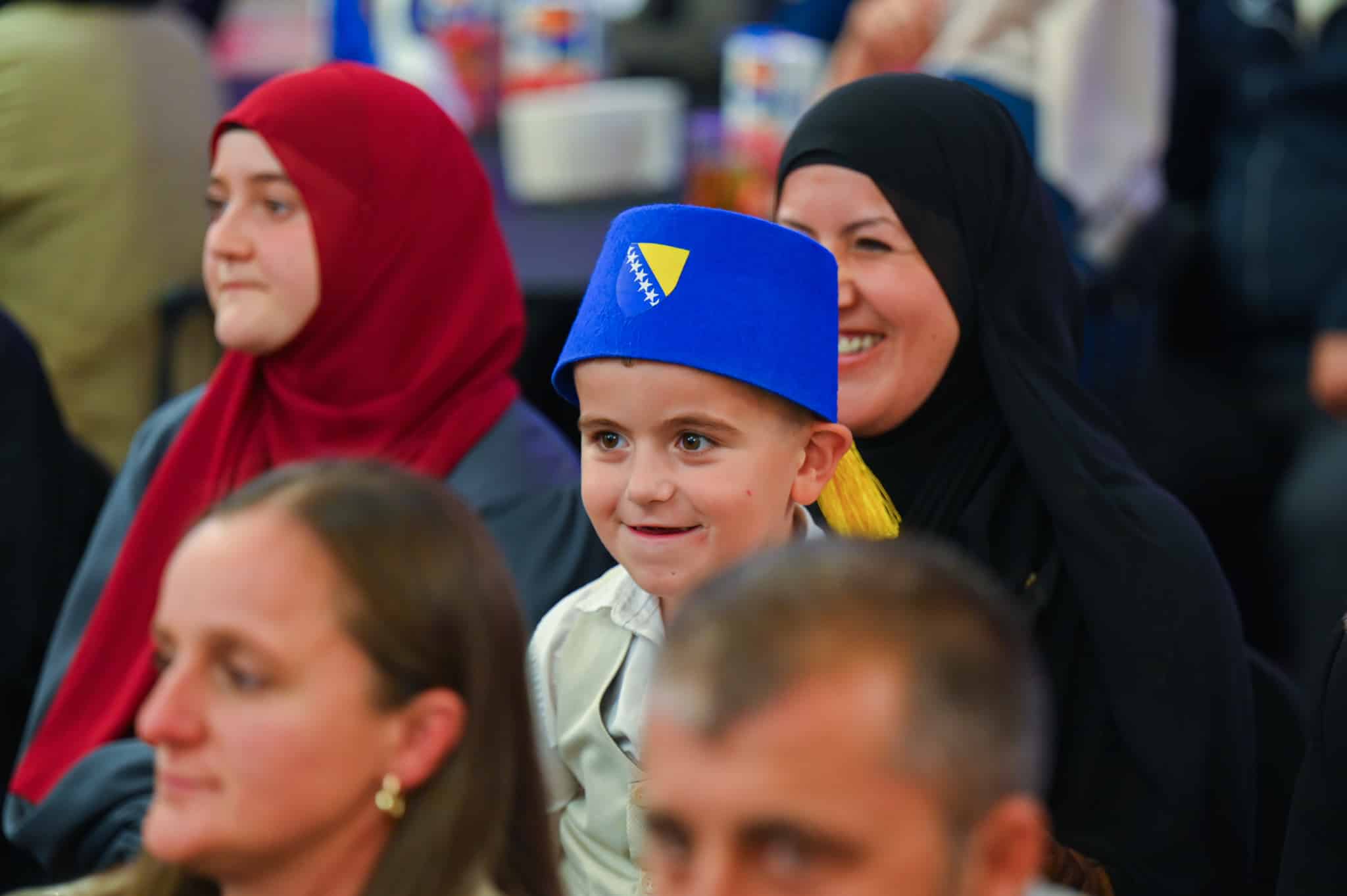
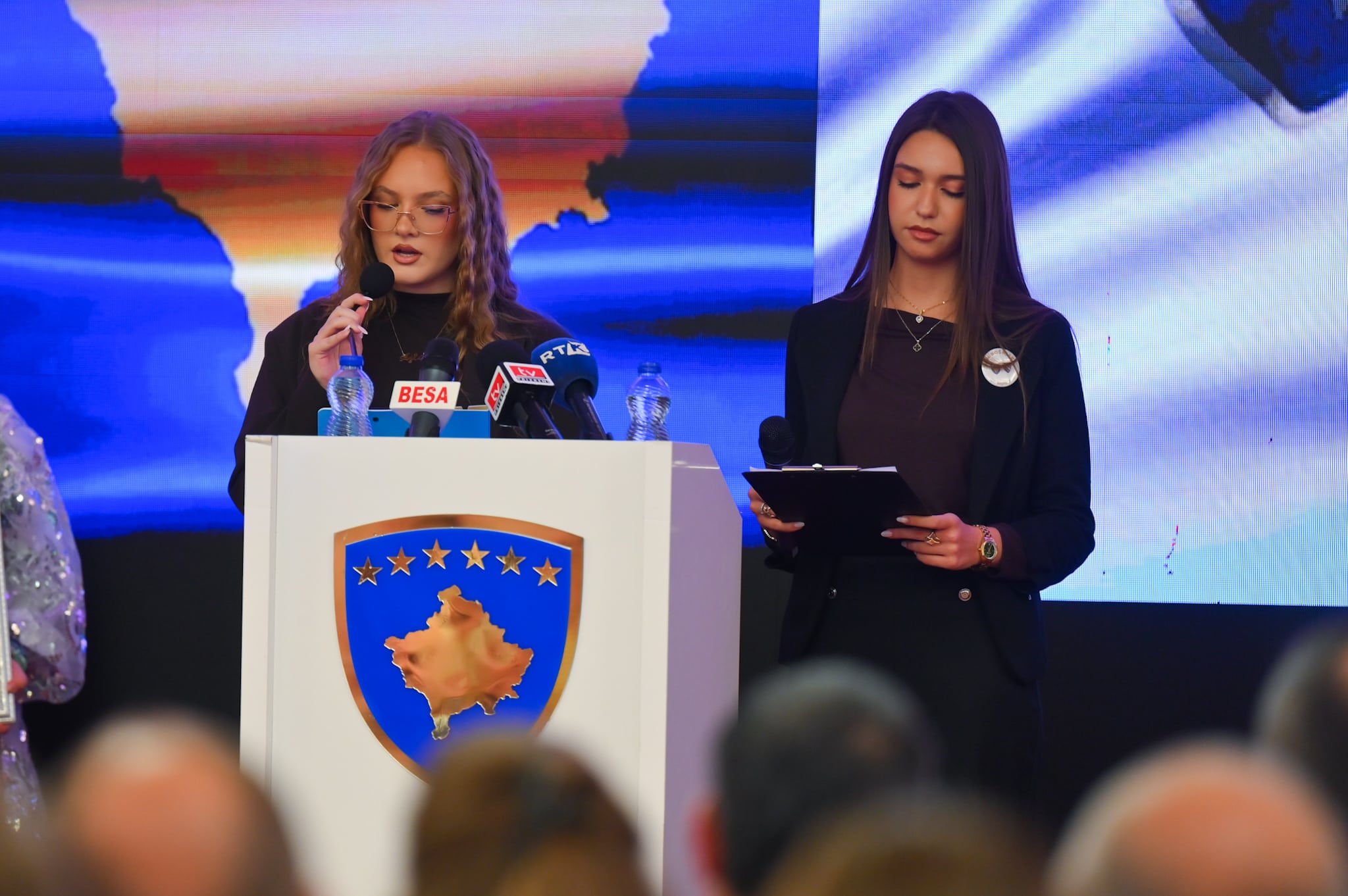
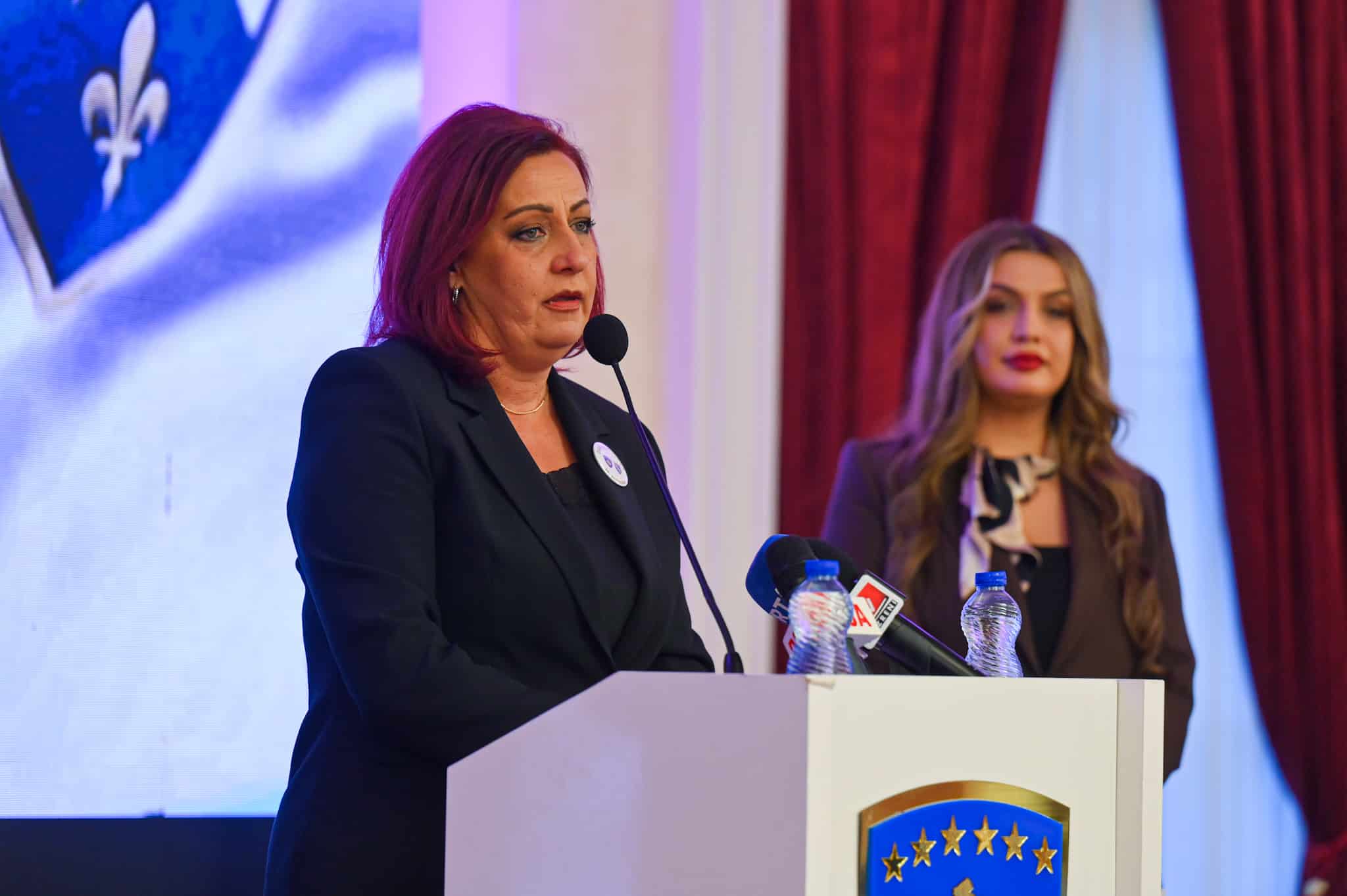
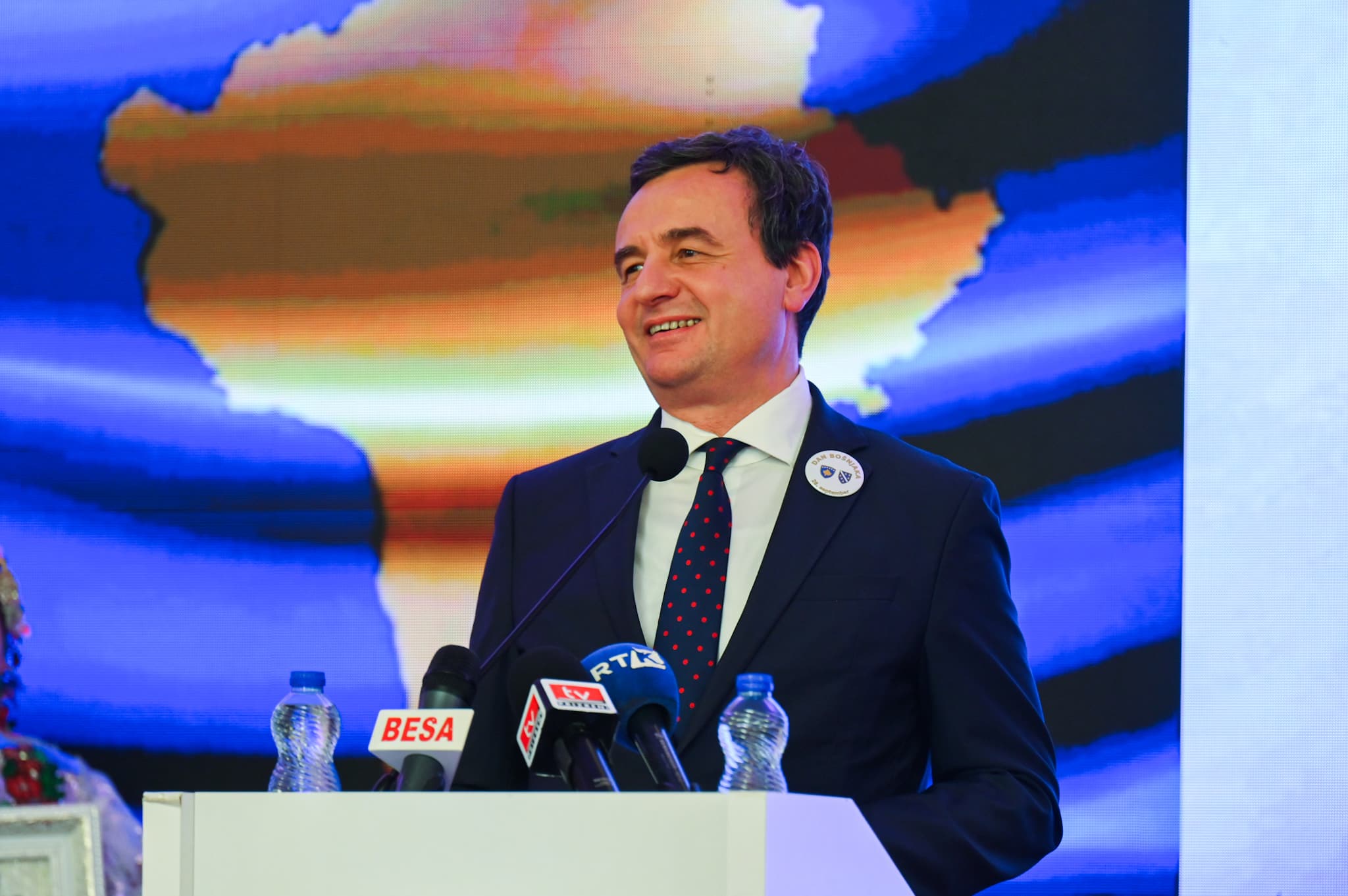
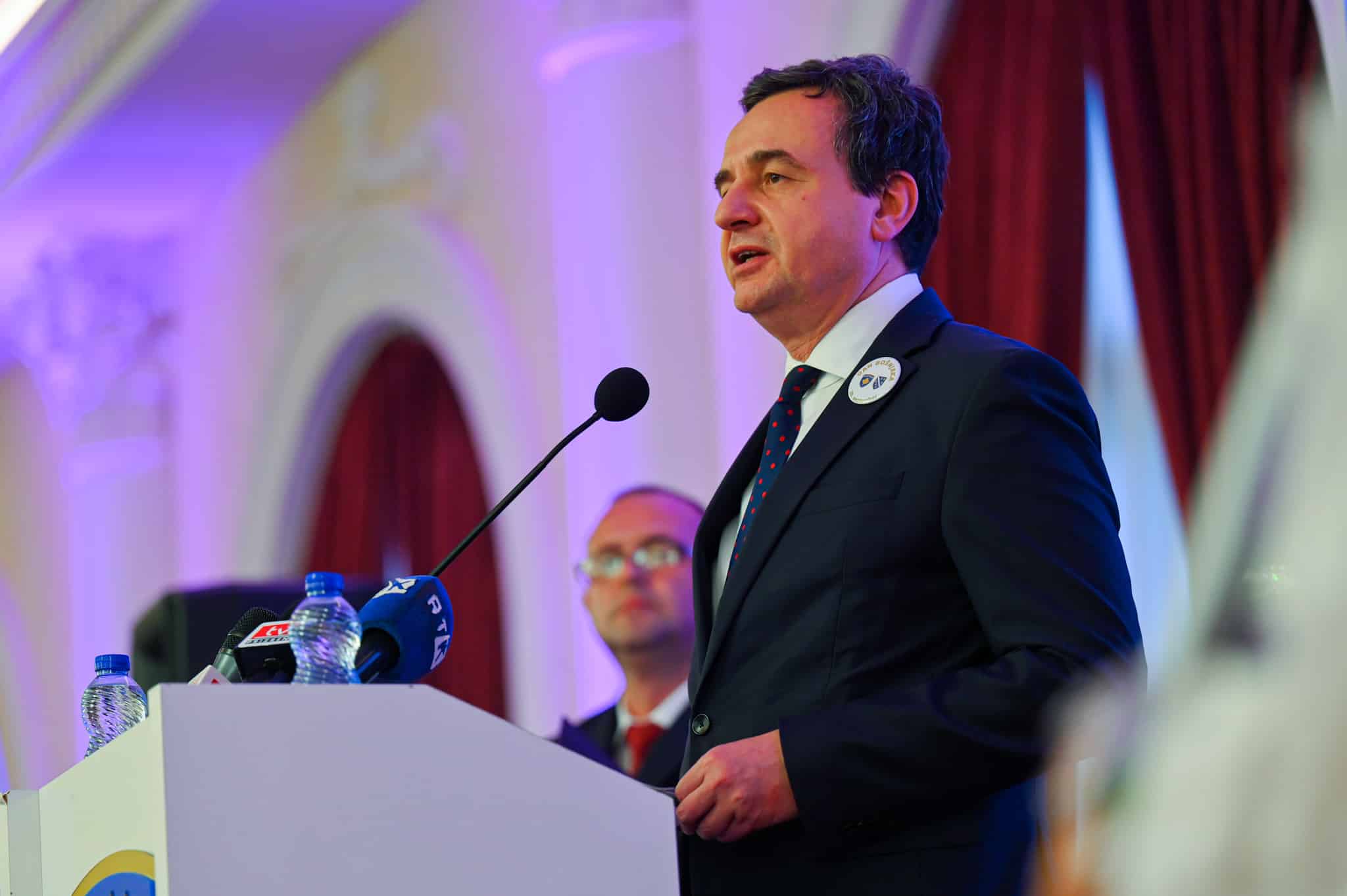
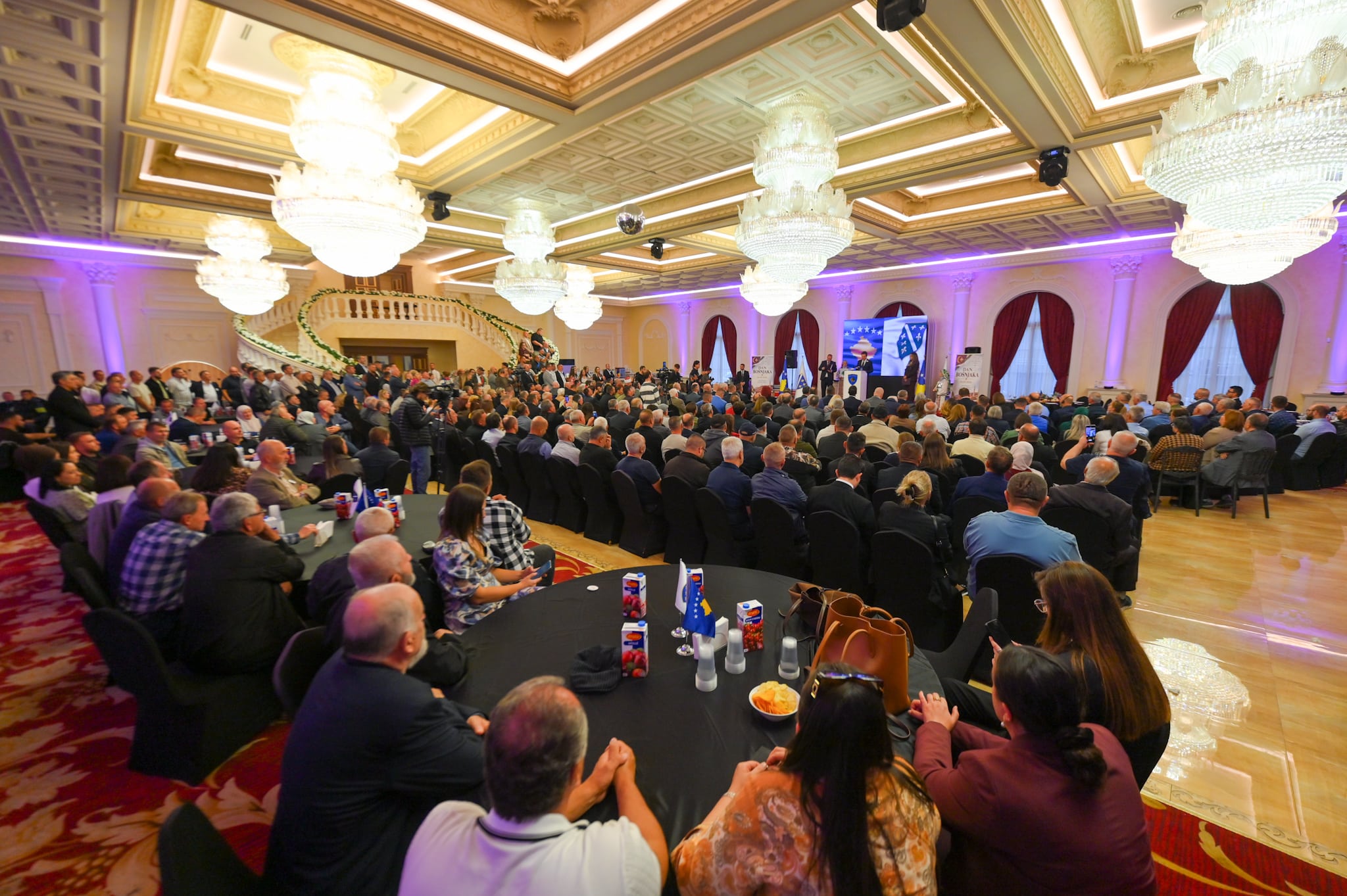
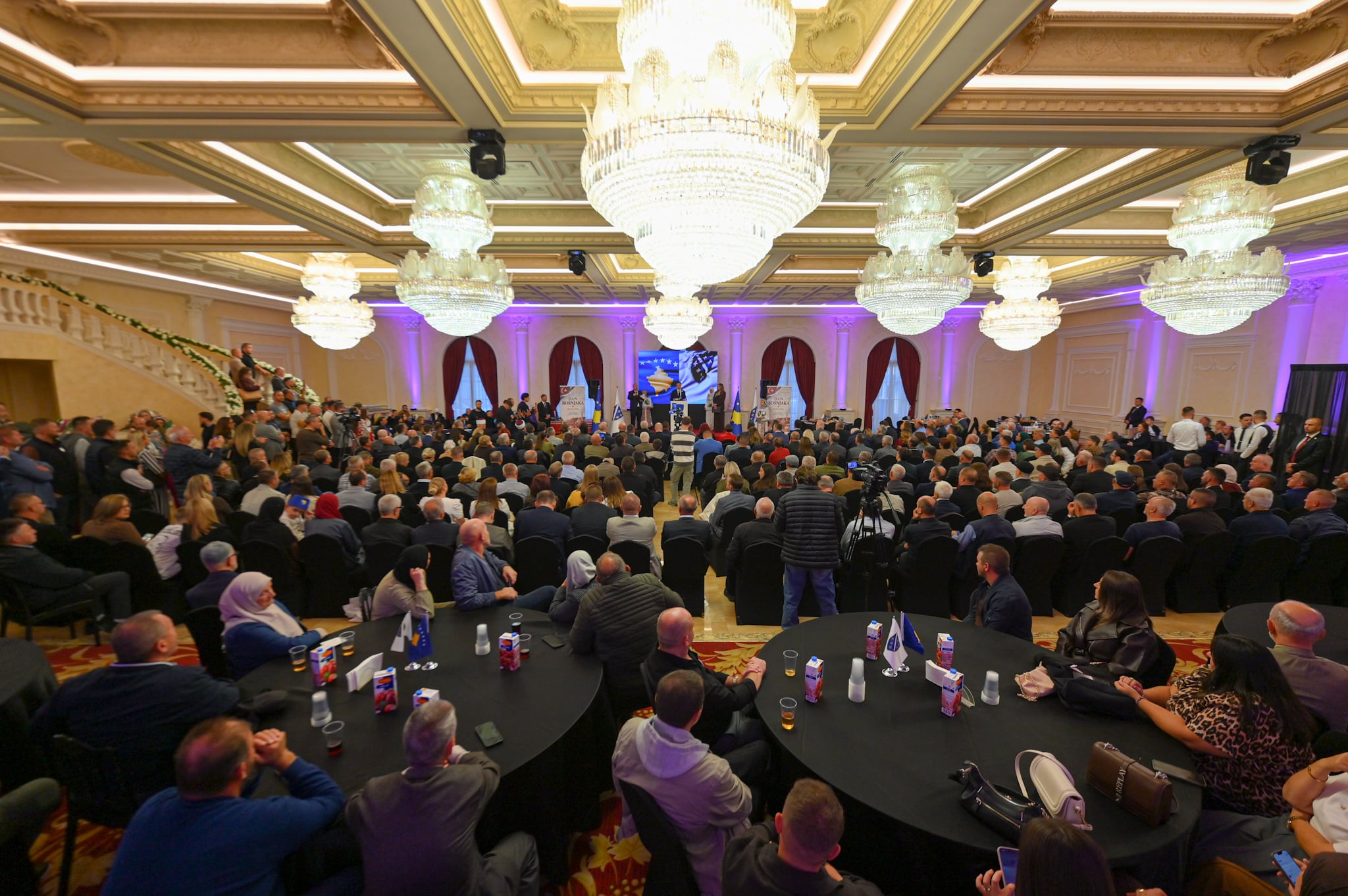
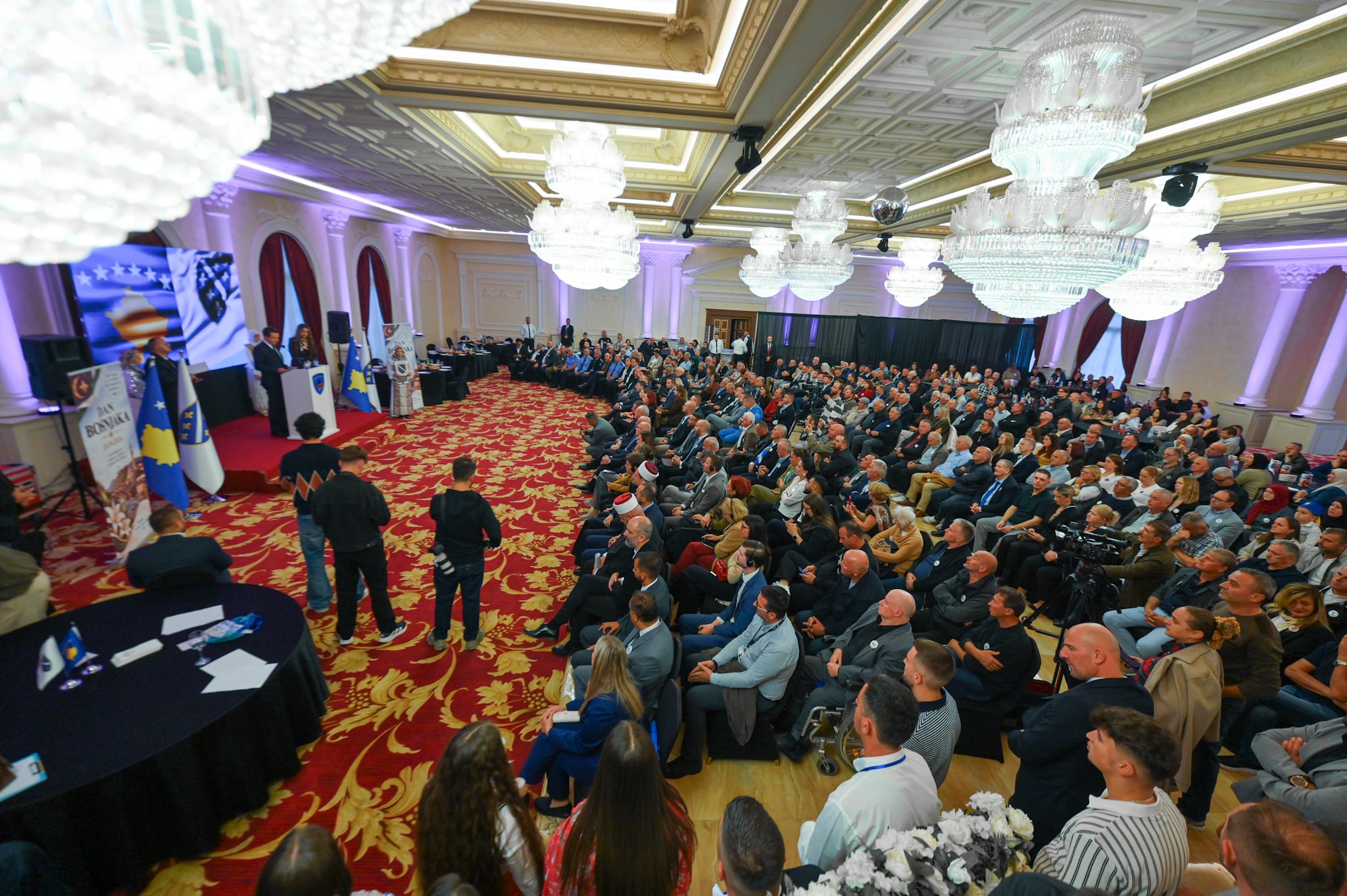
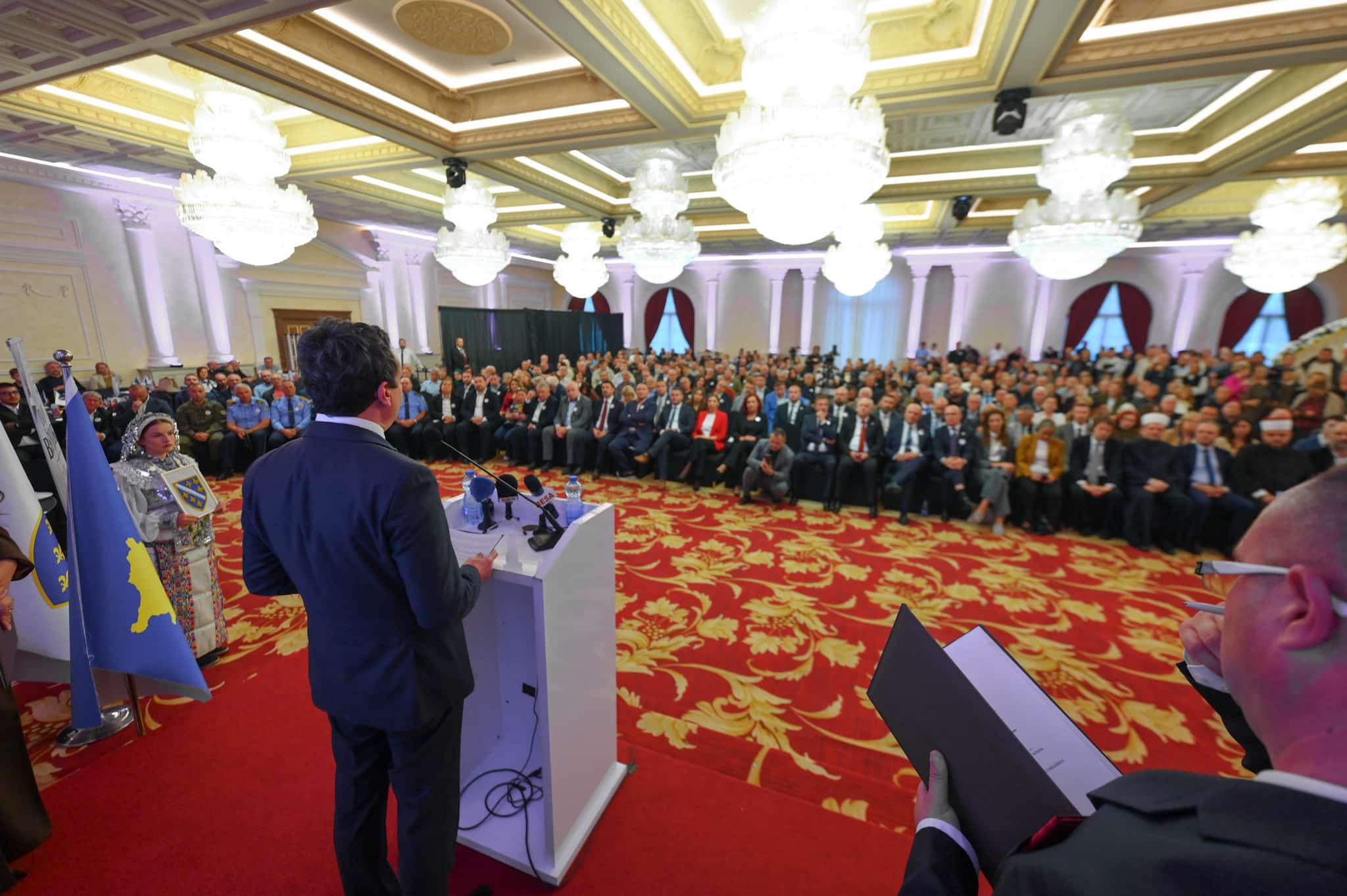
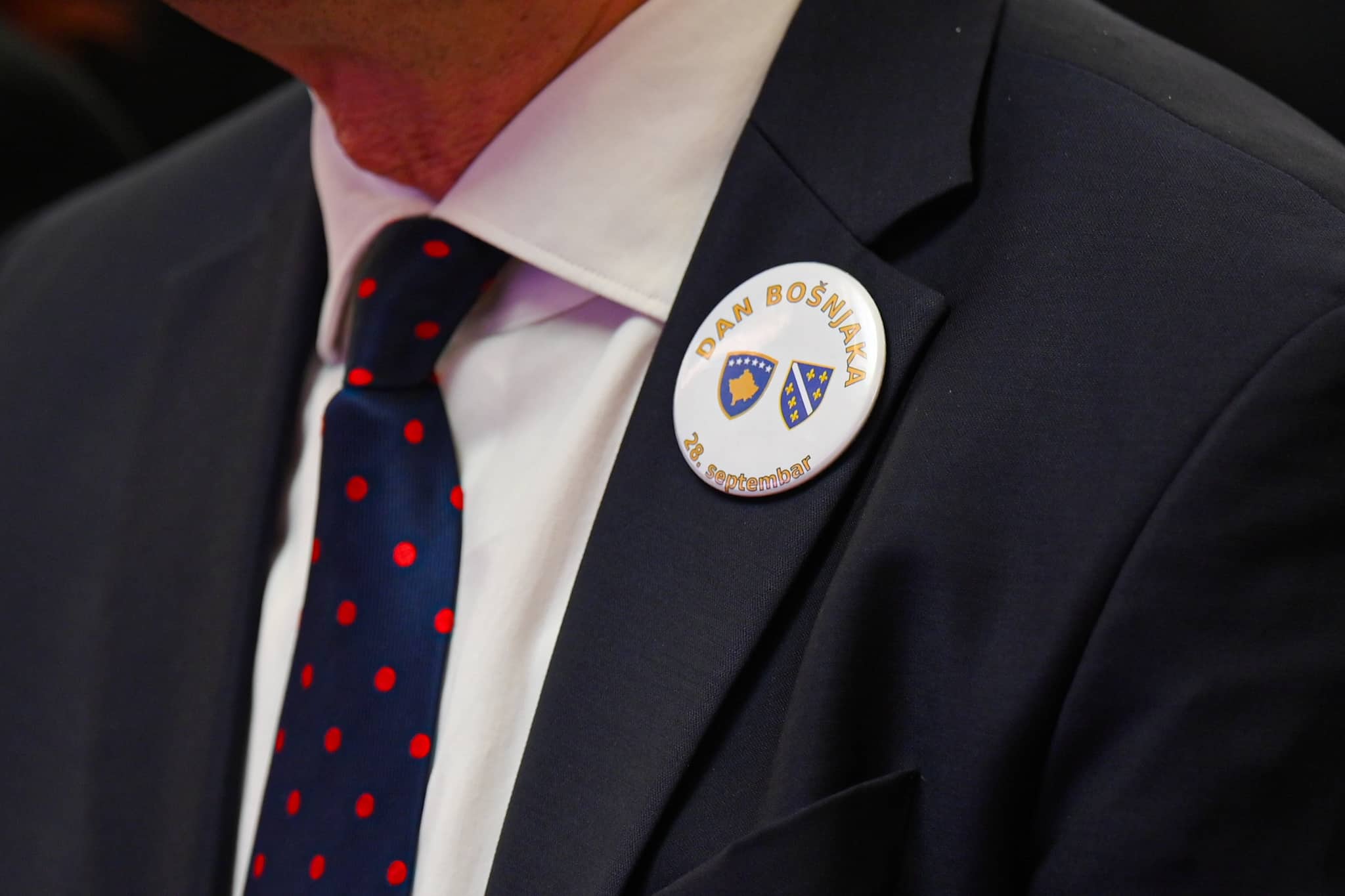
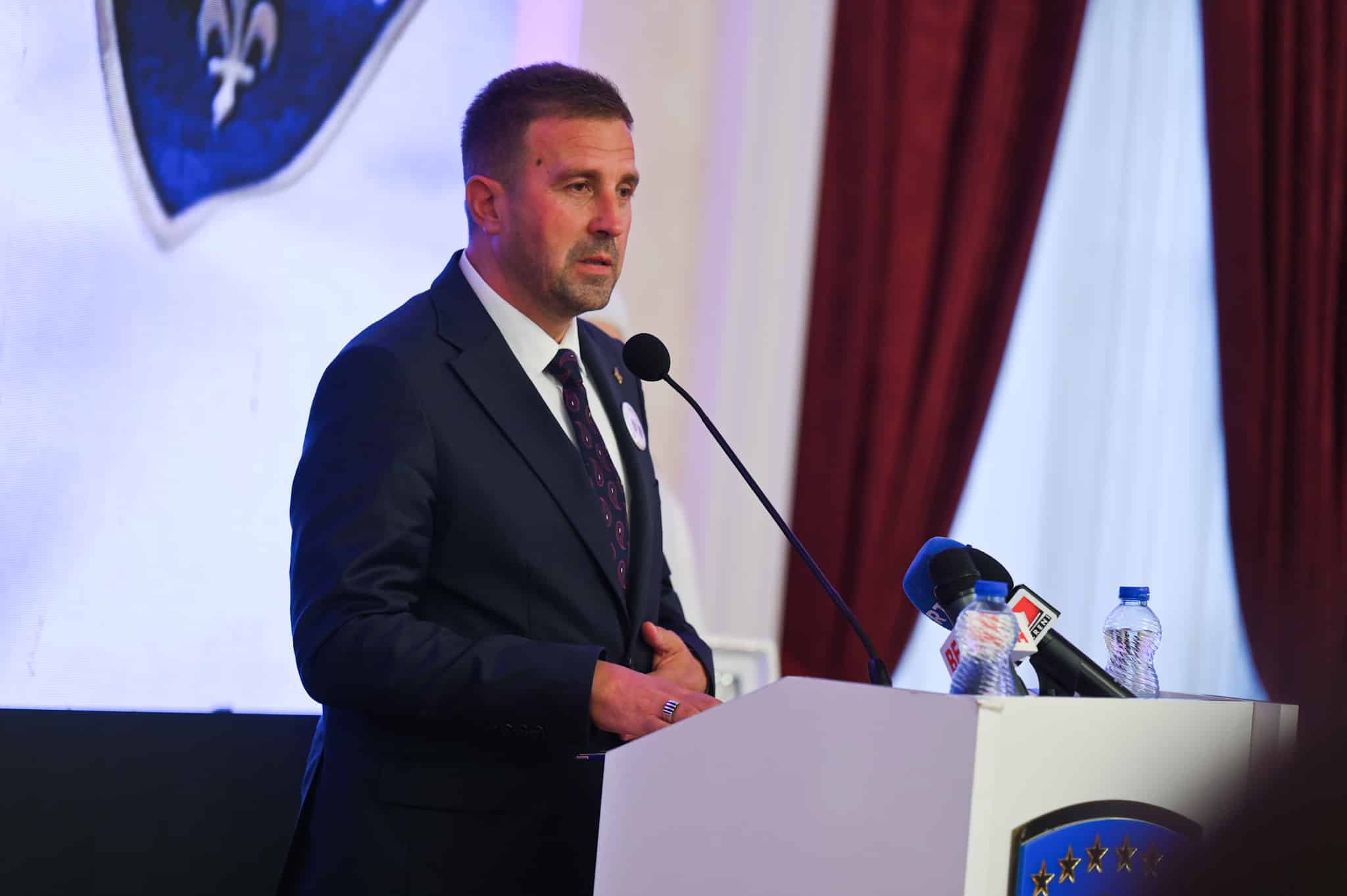
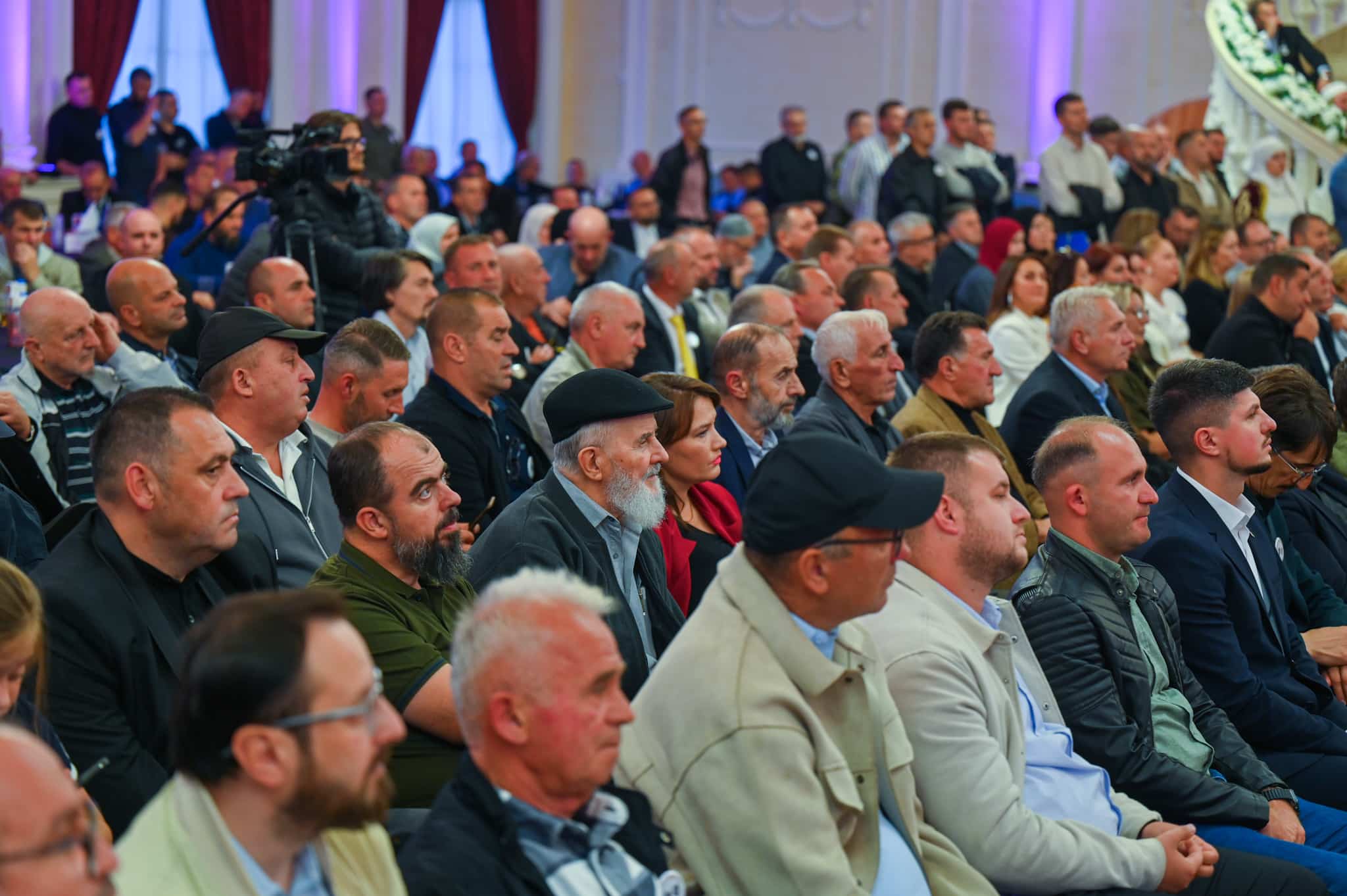
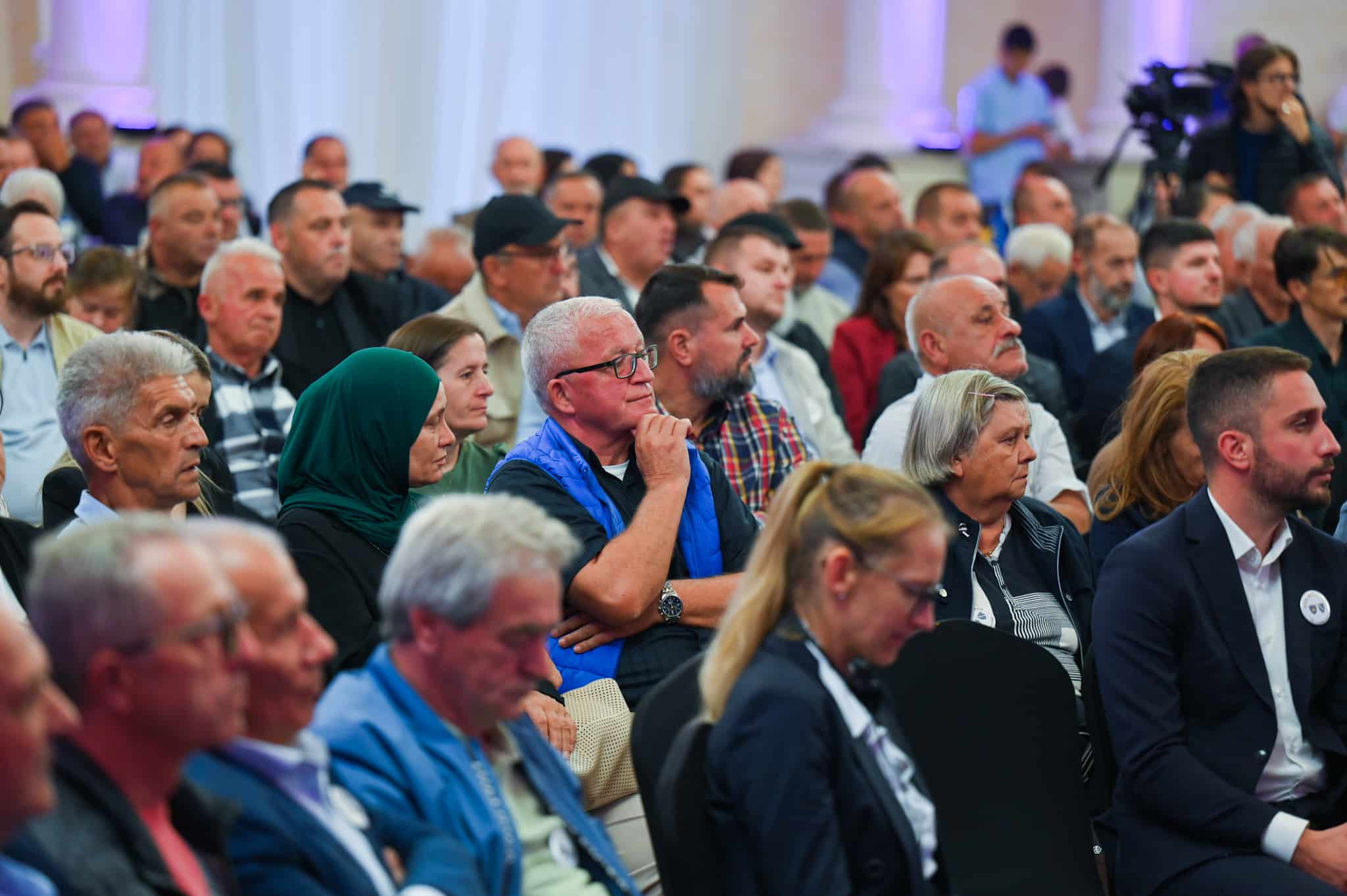
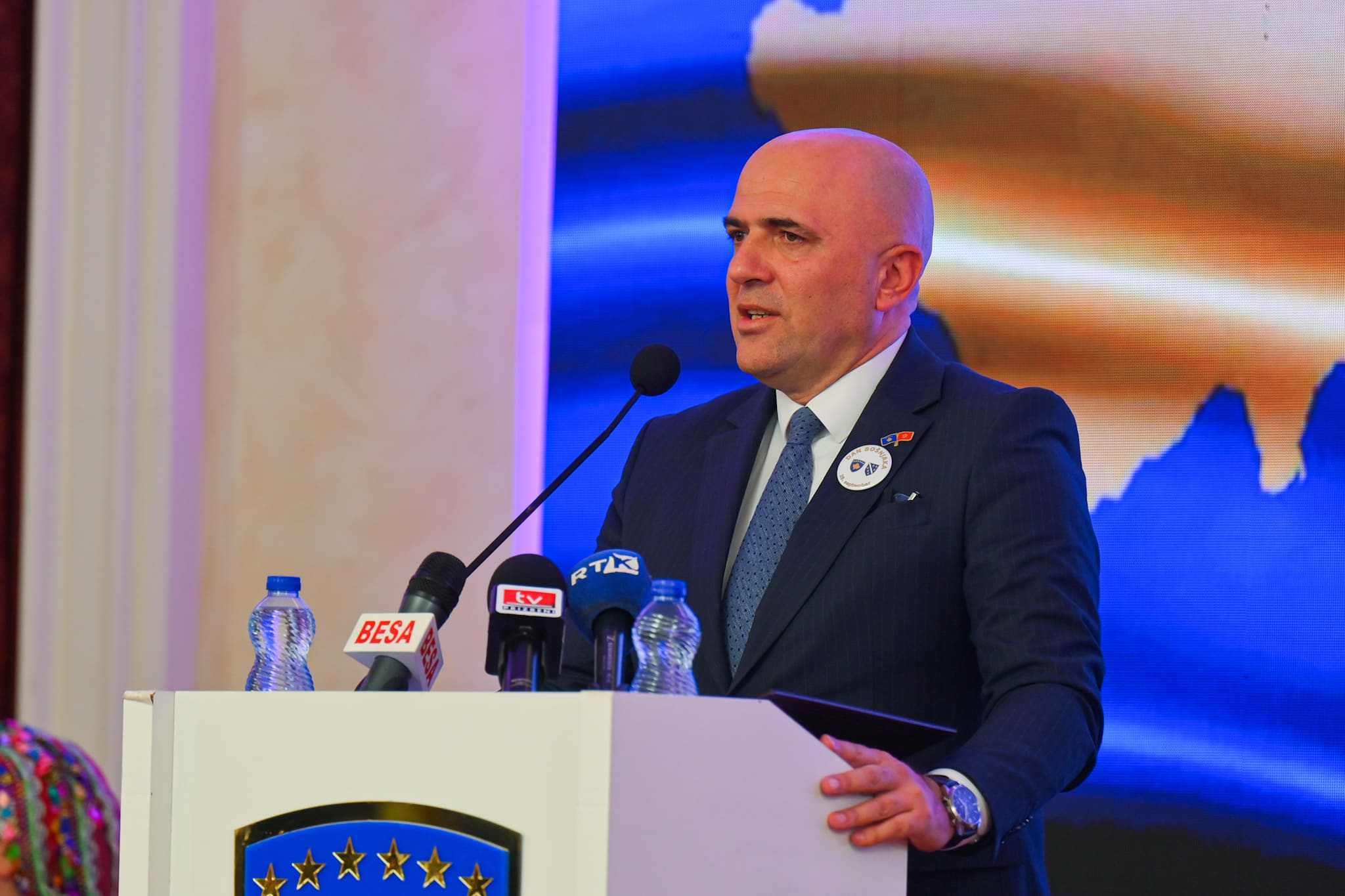
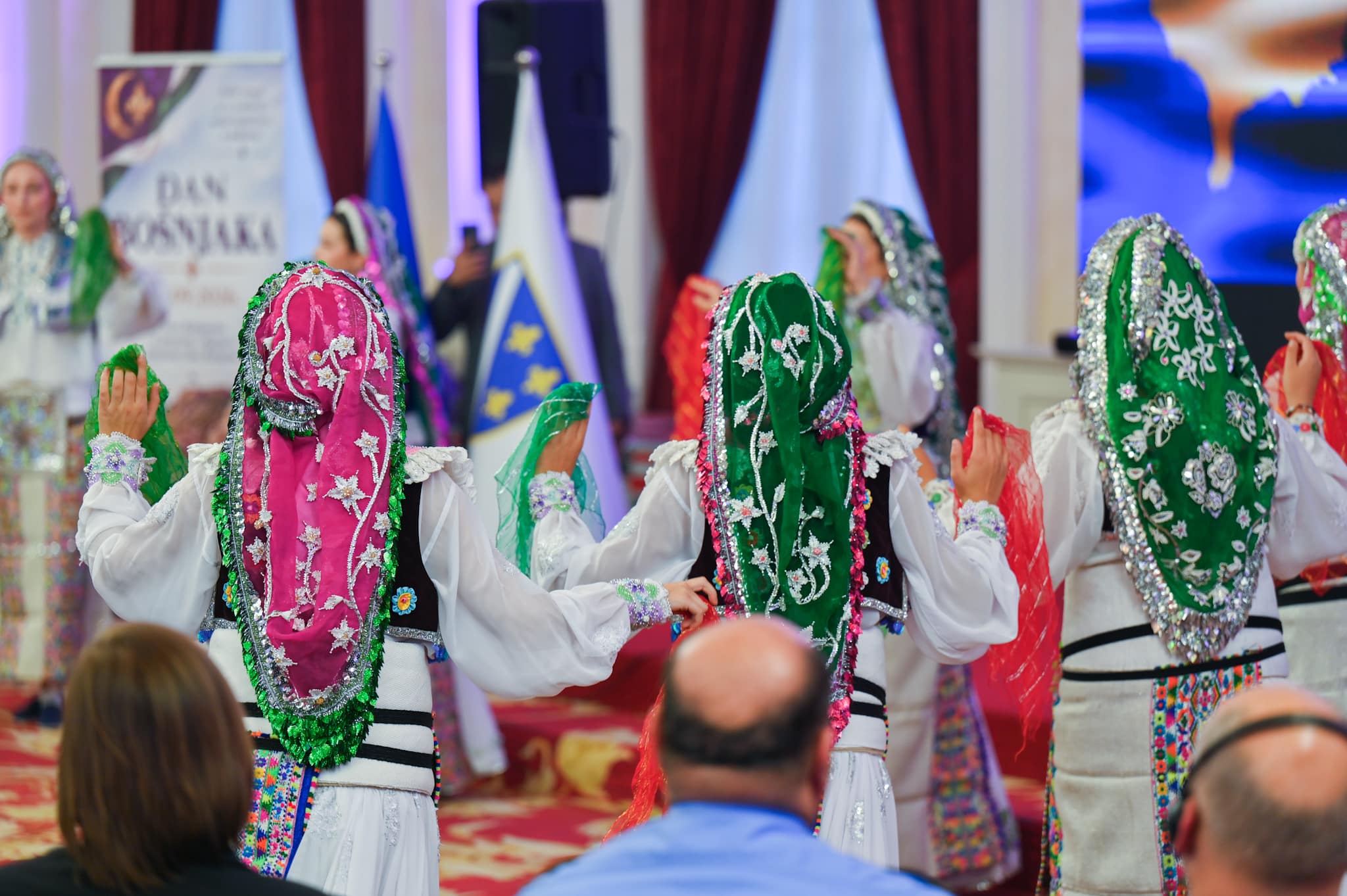
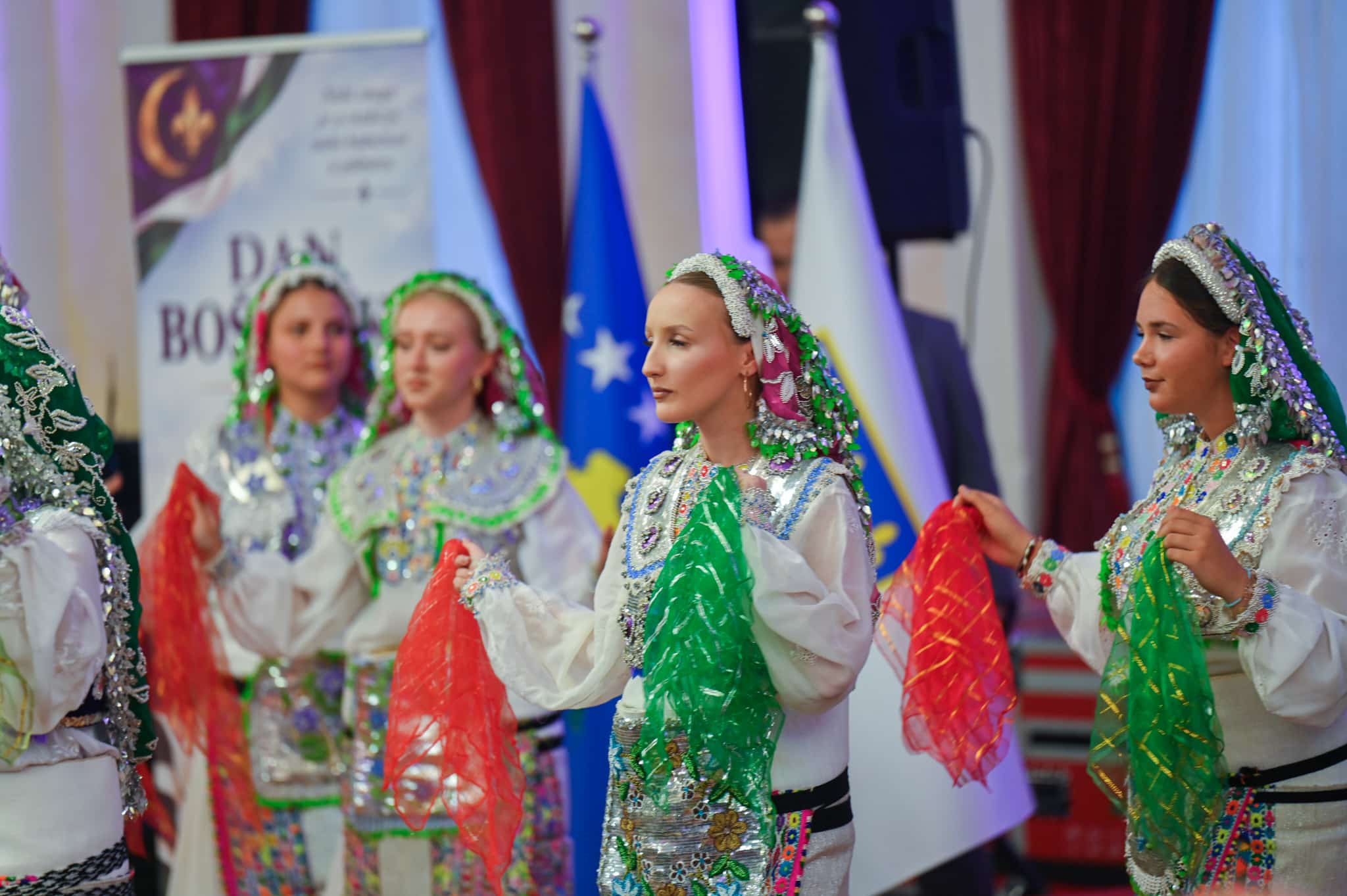
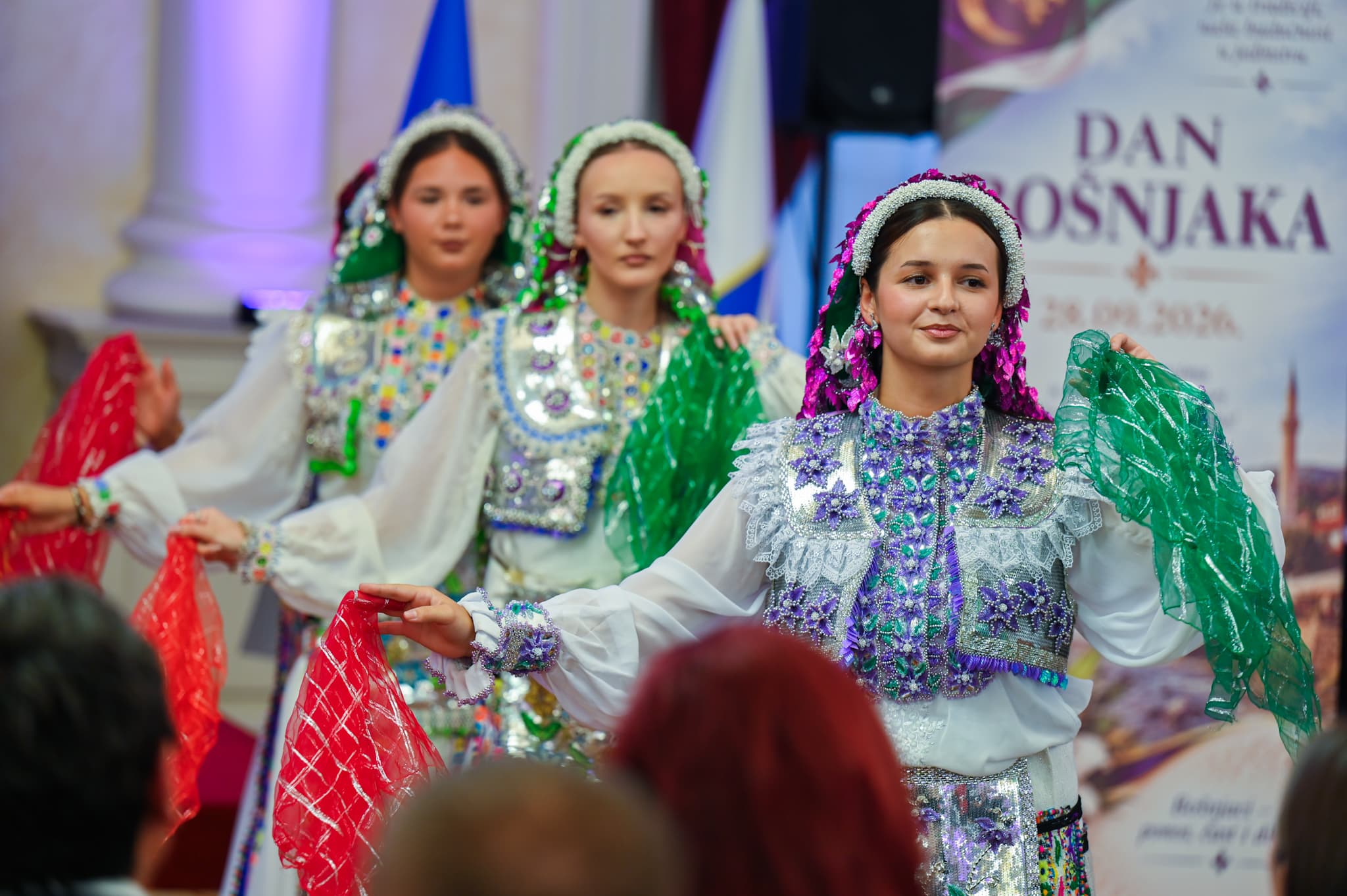
Prime Minister of the Republic of Kosovo Albin Kurti, together with colleagues and associates from the Government and the Assembly, attended the celebration of Bosniak Day.
Full speech by Prime Minister Kurti:
Good afternoon, everyone. Since today is Bosniak Day, I will speak in Bosnian.
Honourable Deputy Speaker of the Assembly, Ms Emilija Rexhepi;
Honourable Deputy Prime Minister, Mr Fikrim Damka;
Honourable Minister of Regional Development, Mr Rasim Demiri;
Honourable Deputy Speaker of the Parliament of Montenegro, Mr Mirsad Nurković;
Honourable representatives of Kosovo’s institutions, honourable ministers and deputy ministers of our common Government;
Honourable Members of the Assembly of Kosovo, honourable representatives of the Islamic Community;
Honourable representatives of international organisations, particularly the embassies accredited to our Republic, Ambassador of Montenegro, Mr Bernard Çobaj, honourable representatives of the embassies of Bulgaria and Türkiye, and honourable representatives of the Bosniak community;
Distinguished guests;
Ladies and gentlemen,
28 September is an important date in the modern history of the Bosniak people. On 28 September 1993, the Bosniak Assembly was held in Sarajevo, which was under siege by hostile Serbian forces in Bosnia. In the midst of war, siege and continuous bombardment, this assembly made a historic decision to restore the national name Bosniak to the language of the Bosniak people and to call it the Bosnian language. Therefore, this date holds particular significance for Bosniak national identity, language and culture.
However, the history associated with this date has another dimension, one that connects it to the history of Kosovo. Bosnia and Herzegovina and Kosovo share a painful history of war and confrontation with the violent policies of Slobodan Milošević’s regime and Serbian forces during the 1990s. In Bosnia and Herzegovina, the war brought mass killings, persecution, ethnic cleansing and genocide in Srebrenica.
In Kosovo, the 1998–1999 war led to massacres, the killing of thousands of people, the burning and destruction of settlements, the destruction of cultural heritage, the mass displacement of hundreds of thousands of citizens from their homes, sexual violence, arbitrary arrests, torture and the enforced disappearance of thousands of people—in other words, genocide once again.
According to the Institute for Crimes Committed During the War in Kosovo, a preliminary institutional list documenting 12,230 war victims was compiled for the period between 1 January 1998 and 20 June 1999. Among them were 1,047 children who were killed, while 100 children who were forcibly disappeared are still listed as missing. The report also documents 94 children who died as a result of wartime conditions.
This history was also experienced by Kosovo’s Bosniak citizens, who have lived here for centuries and have been an integral part of our society. This is why, when we speak of the wars in Bosnia and Herzegovina and Kosovo, we also speak of our shared experience of aggression, human losses, persecution and destruction, but also of our responsibility today to build a democratic and peaceful society.
Remembering and documenting the past is important because justice for victims and the acknowledgement of the truth are part of building lasting peace. However, the way states deal with that past today is equally important.
In this regard, the path of the Republic of Kosovo is clear: democracy, the rule of law, the protection of human rights and a clear strategic Euro-Atlantic orientation. In Serbia, meanwhile, alongside the denial of crimes and genocide, we also see the glorification of individuals convicted of the most serious war crimes.
In 2007, the International Court of Justice ruled that Serbia had violated its obligation to prevent the genocide in Srebrenica and its obligation to cooperate fully with the International Criminal Tribunal for the former Yugoslavia, including by failing to surrender Ratko Mladić.
In early September, Ratko Mladić, who was sentenced to life imprisonment for genocide, crimes against humanity and war crimes, was buried in Belgrade with military honours, with Serbian government officials attending the ceremony. His body was transported to Serbia on a government aircraft, and his coffin was draped in the Serbian flag.
Mladić, one of the leading military commanders of Serbian forces in Bosnia, was convicted, among other things, of responsibility for the genocide in Srebrenica, where more than 8,000 Bosniak men and boys were killed. In this way, genocide denial moves beyond political statements to become a public and institutional tribute to those convicted of the gravest war crimes. History teaches us that without justice, remembrance and institutions that protect everyone’s rights, peace remains fragile.
Distinguished guests,
We highly value and express our gratitude for your cooperation and contribution to the development of the Republic of Kosovo, our common country. Political representatives of the Bosniak community are part of the institutions of the Republic of Kosovo and contribute to decision-making and the development of our country.
Over the years, we have invested in areas where the Bosniak community lives through infrastructure projects, regional development, employment, economic development and support for cultural and youth projects.
In Prizren and the regions of Zhupa and Podgora, in addition to investments in local roads, the Prizren–Prevallë road was built, representing an important investment in transport, tourism and the economic development of the area. In areas inhabited by the Bosniak community in Istog and Peja, investments have also been made in road and local infrastructure.
Furthermore, in areas where the Bosniak community lives, support is provided to farmers, economic activities and families to improve their living conditions. These investments and support for the development of these areas will continue.
One of these areas is education in the Bosnian language. Over the years, we have supported education in the languages of non-majority communities, including by providing support for textbooks in Bosnian.
Bosniak culture, the Bosnian language, traditions and the heritage of the Bosniak community are not an addition to Kosovo’s culture. They are part of the country’s rich cultural mosaic and must be supported and developed as an integral part of it.
Another important step was the unilateral lifting of the visa regime for citizens of Bosnia and Herzegovina. Since 1 January of last year, that is, 2025, they have been able to travel to Kosovo using a biometric identity card. This has facilitated movement and created greater opportunities for human, cultural, educational and economic ties between the two countries.
Furthermore, the Prizren–Tetovo road connection will create new opportunities for transport, economic development and regional cooperation, bringing our cities and communities closer together. The aim of these policies is to ensure that citizens, regardless of where they live or their background, have equal opportunities for development.
Today, on Bosniak Day, we commemorate an important event in the history of the Bosniak people and express our gratitude for the contribution of Bosniaks living and working in Kosovo. The Bosniak community is an inseparable part of Kosovo’s history, society and future.
On behalf of the Government of the Republic of Kosovo, I thank you for your contribution to our common country. Happy Bosniak Day. Thank you!