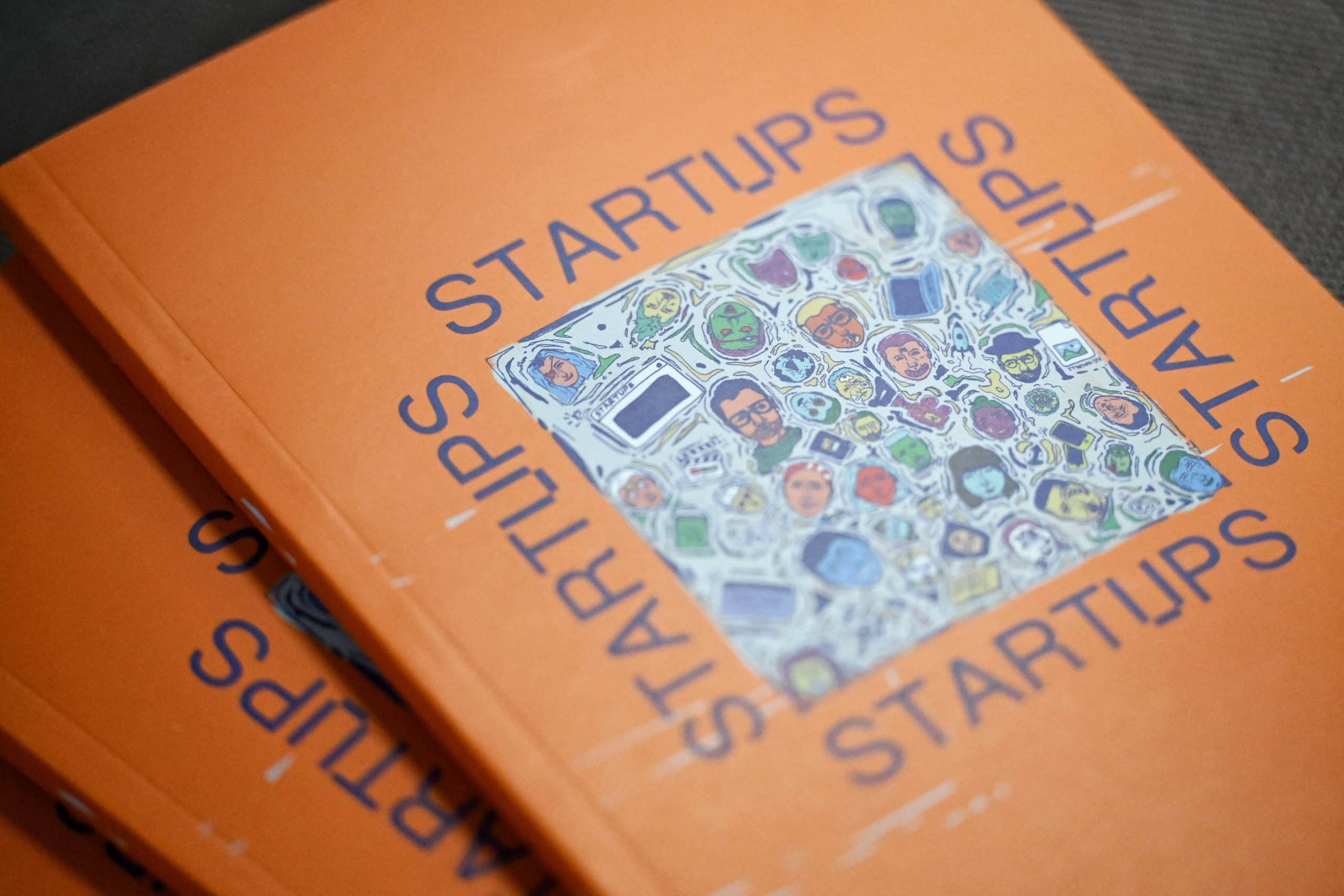
Prishtina, 16 November 2026
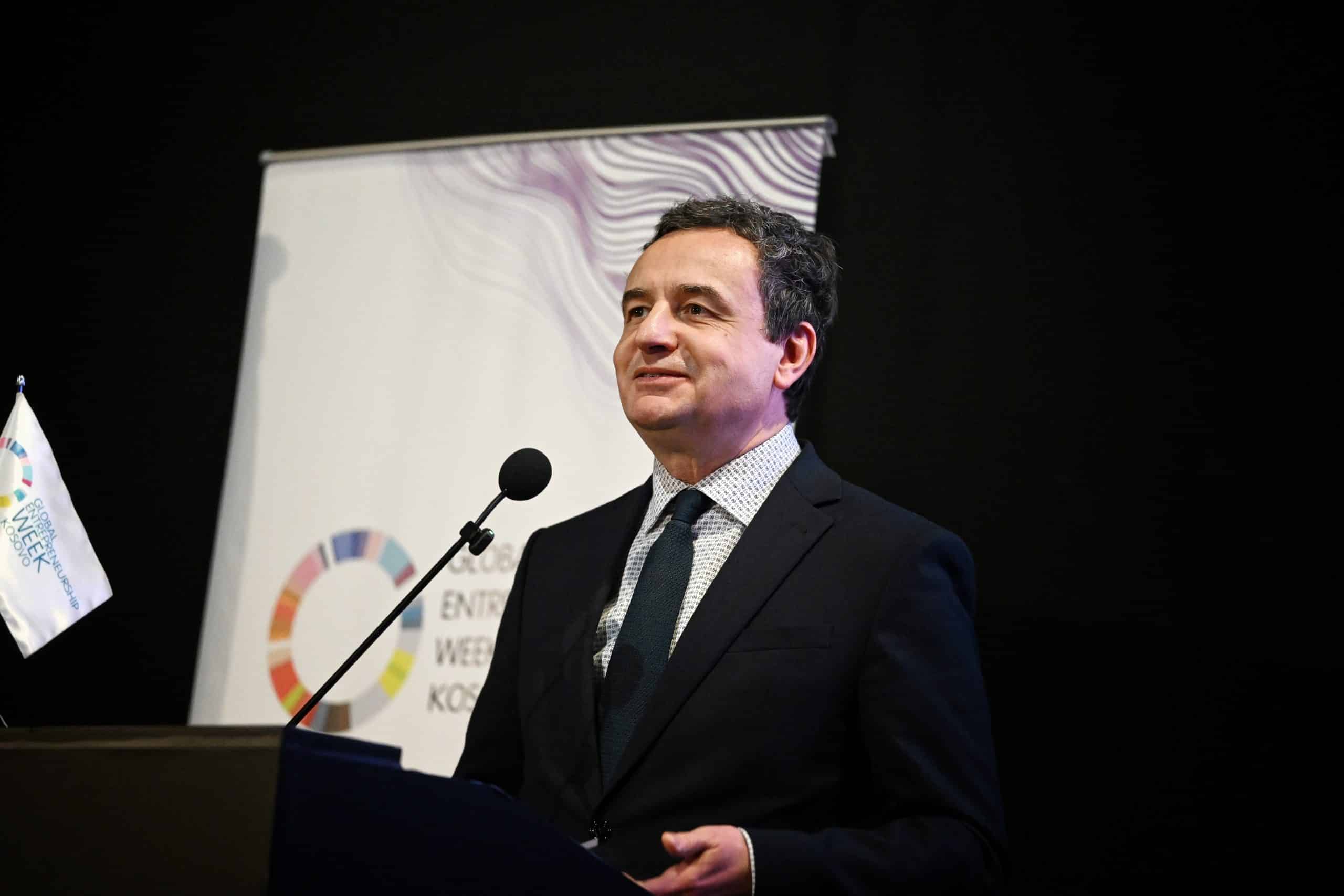
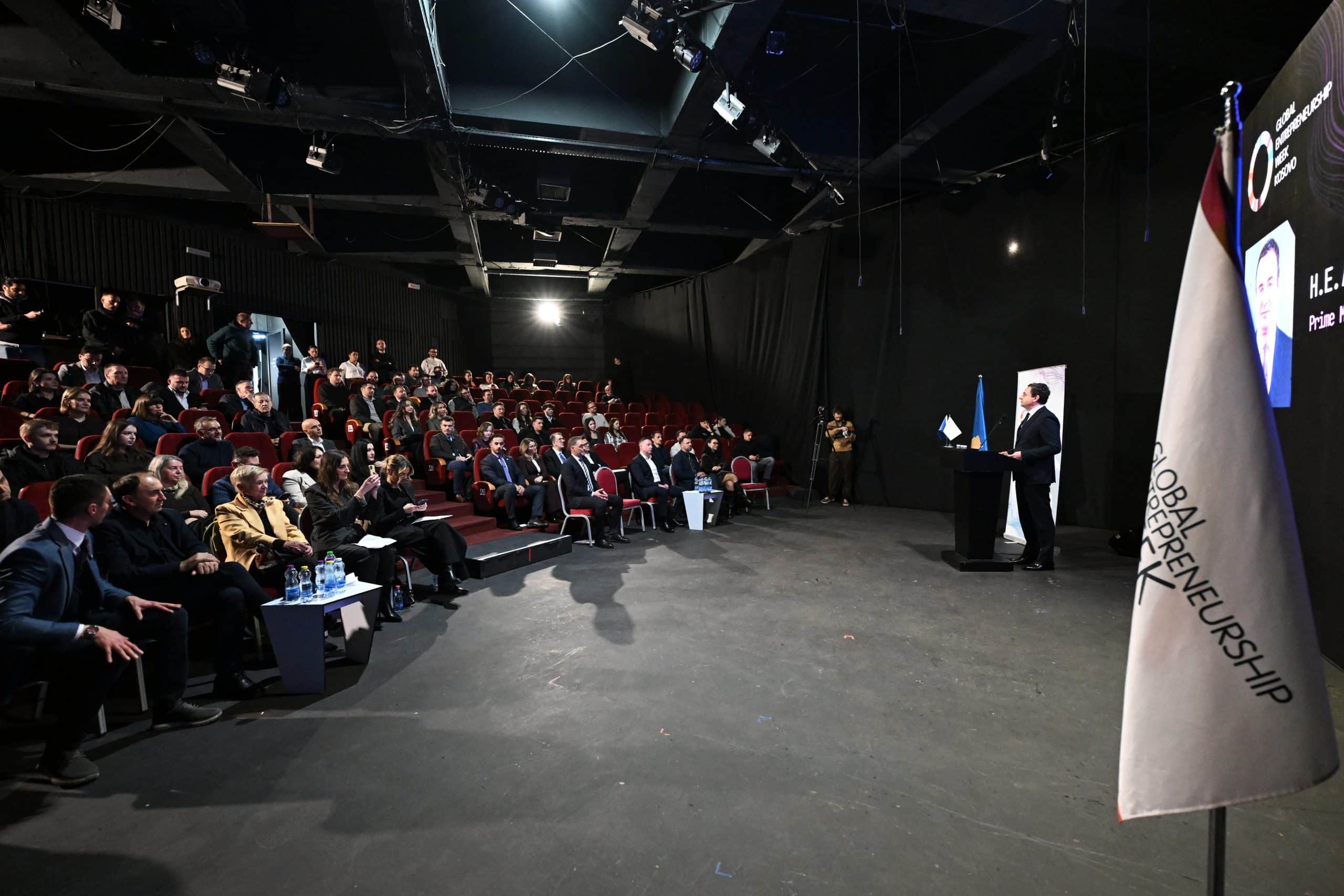
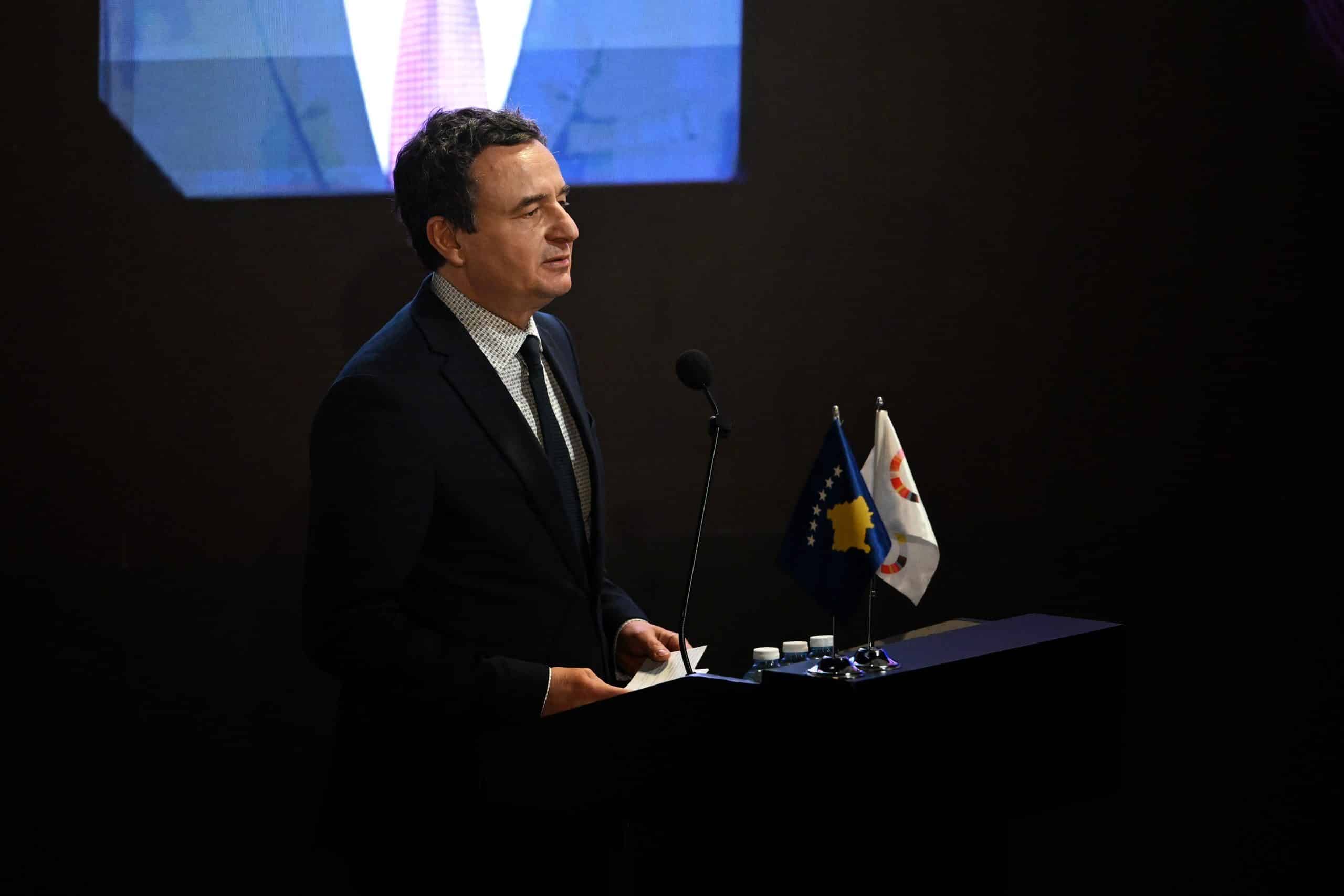
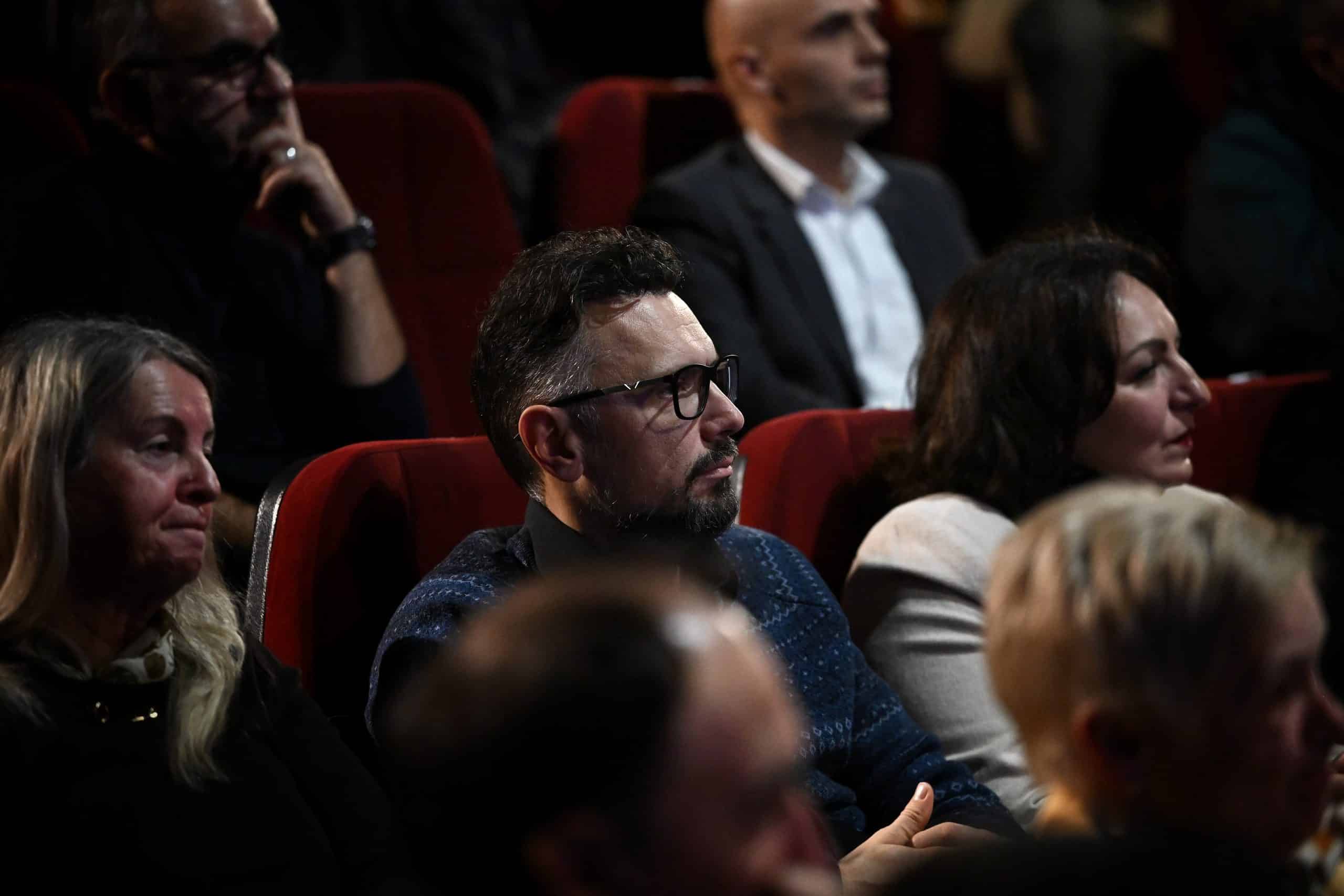
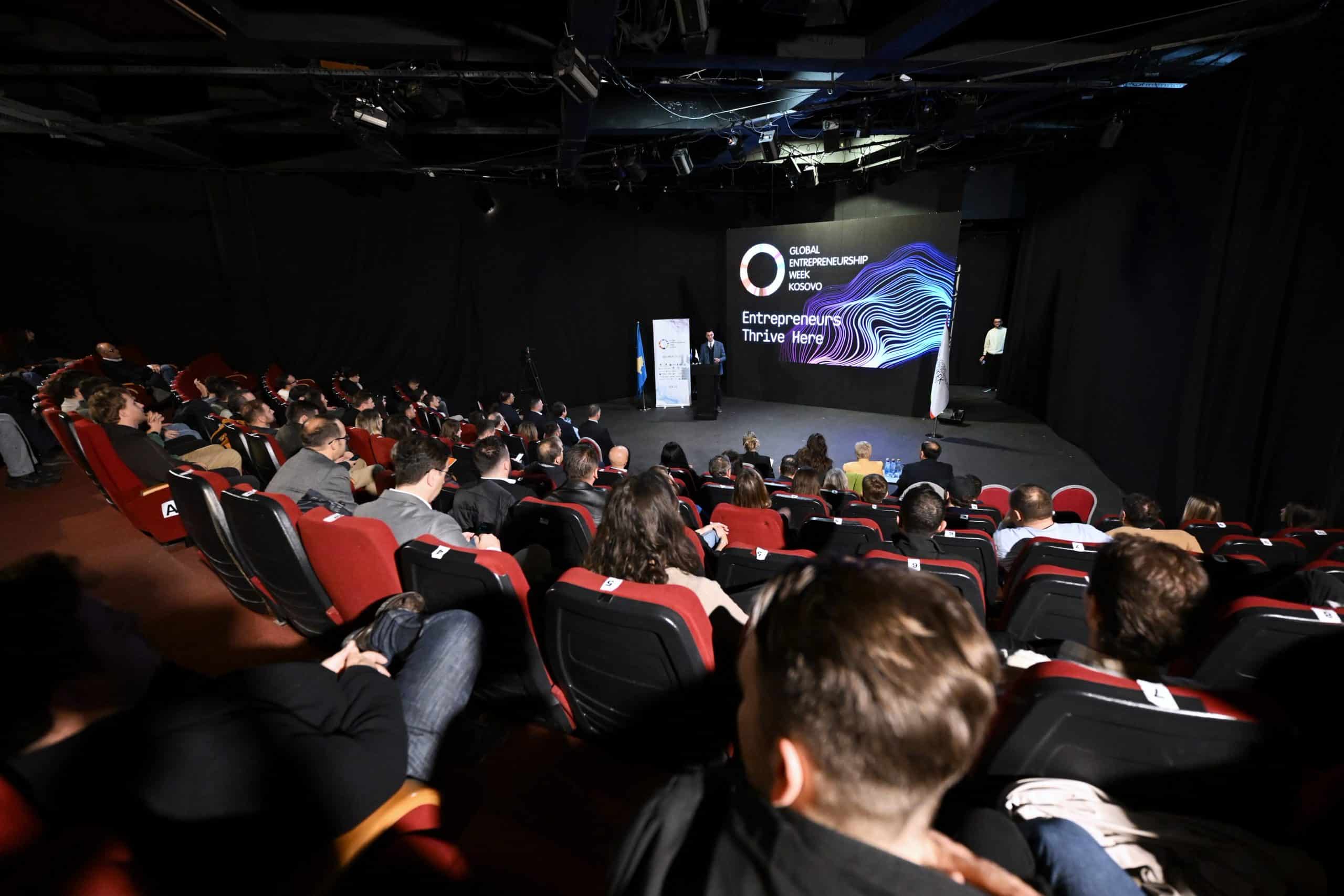
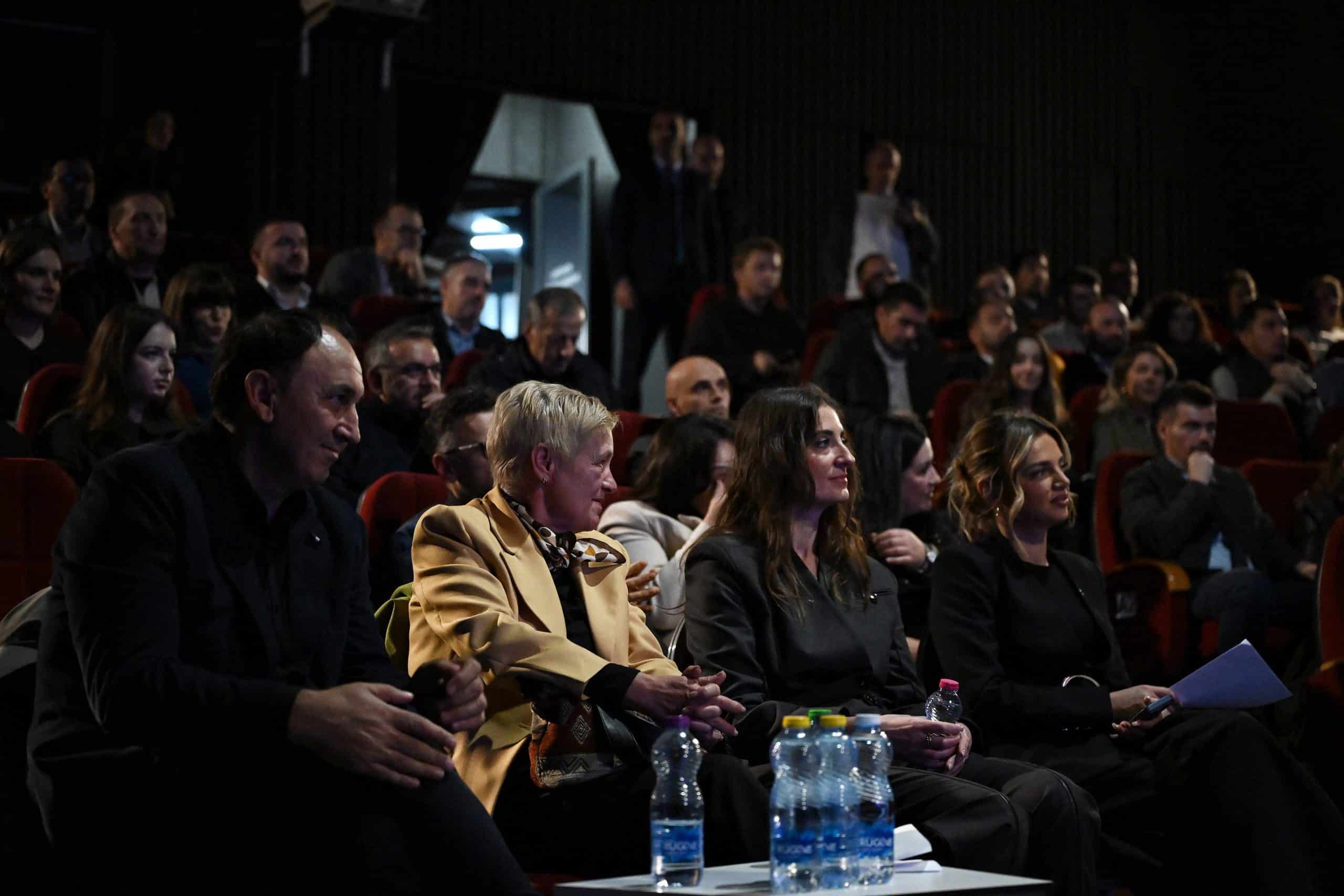
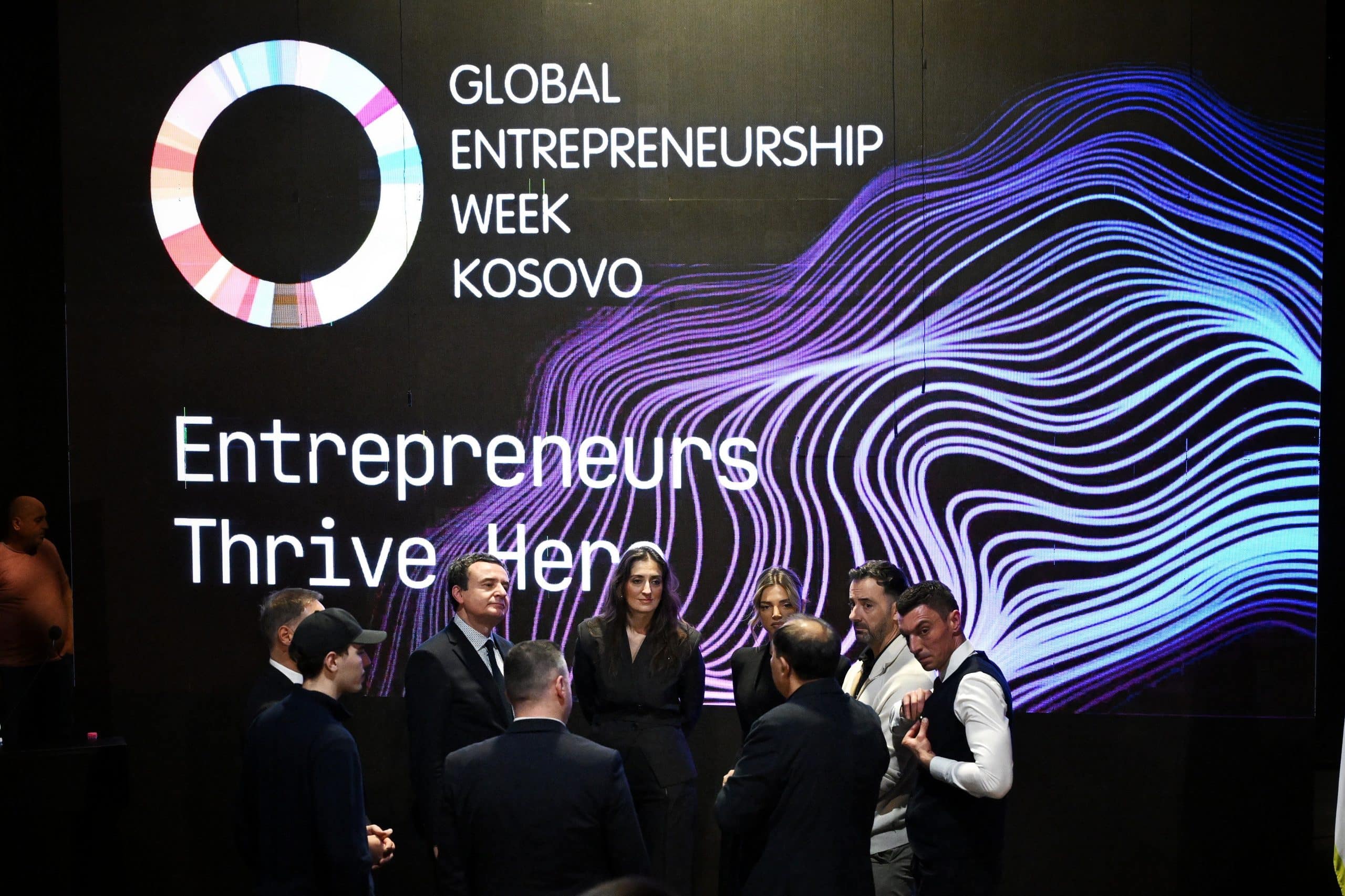
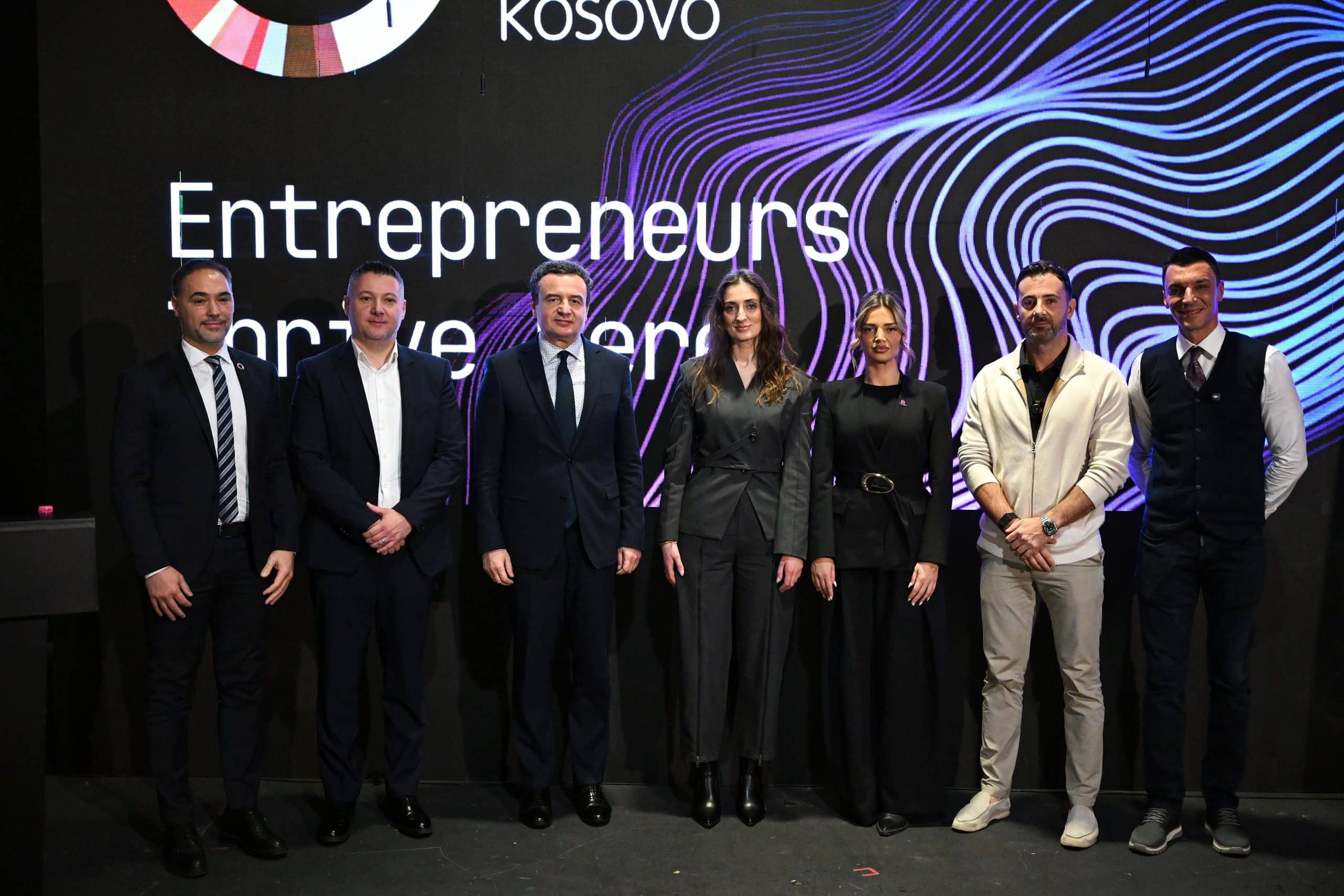
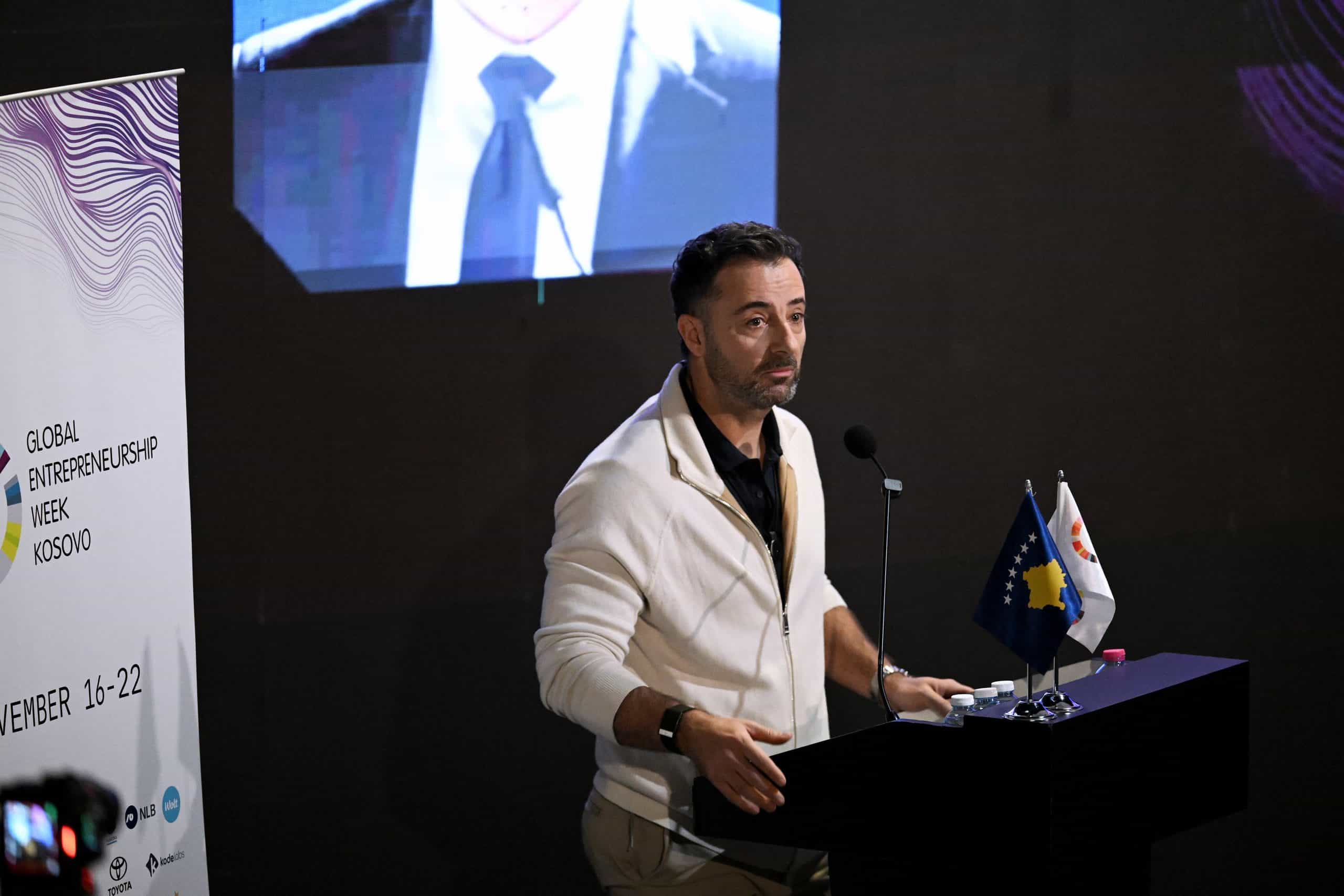
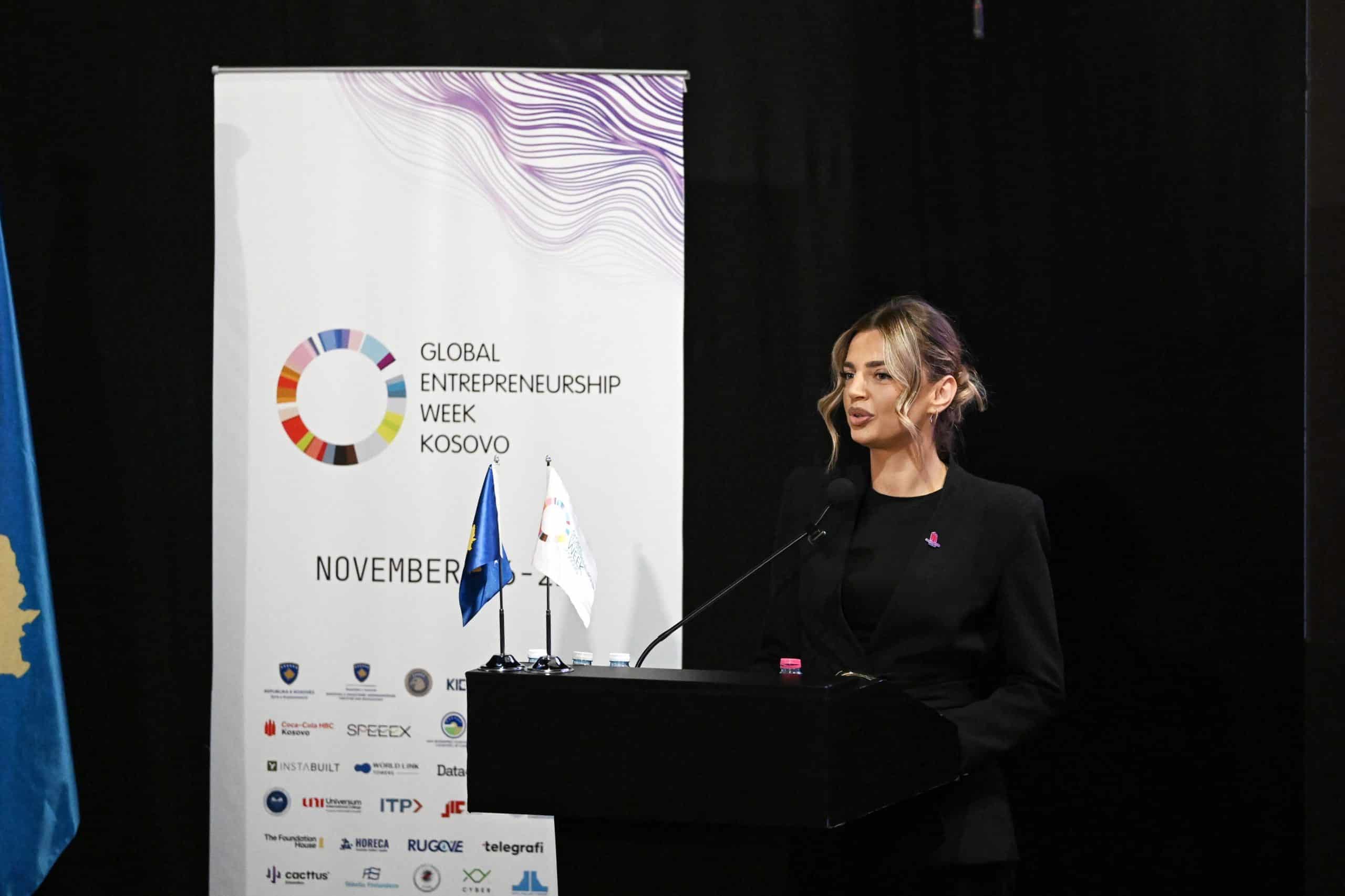
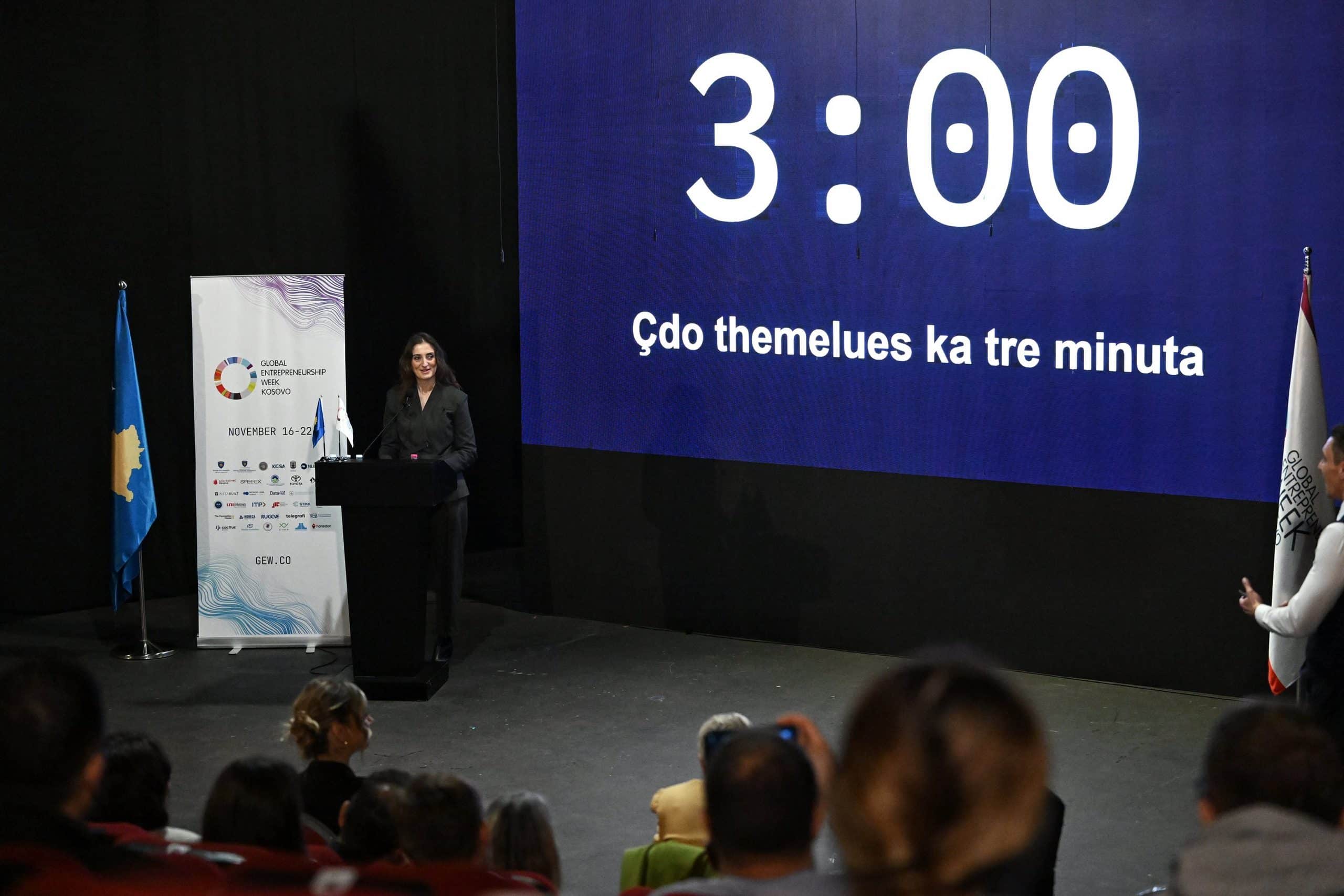
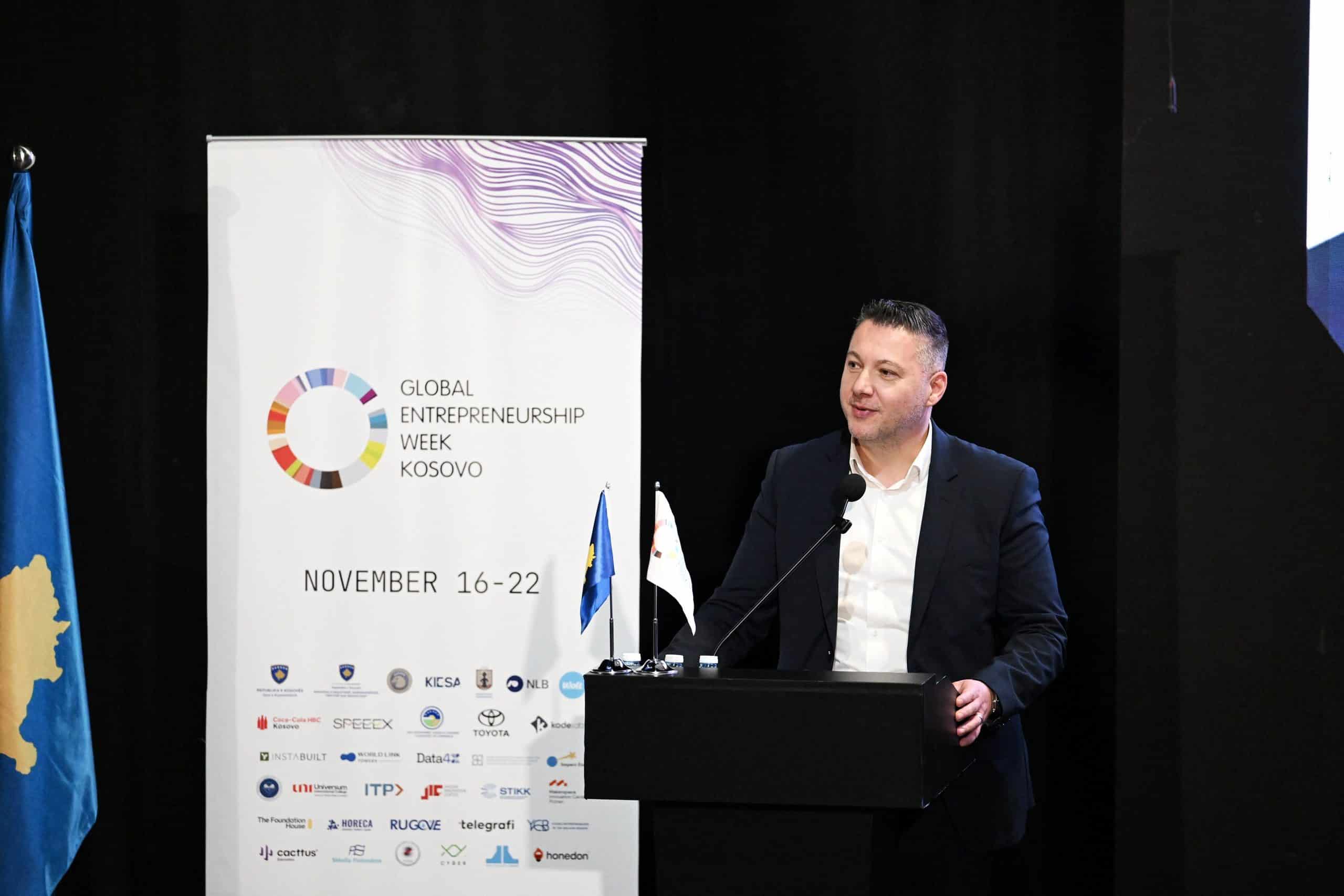
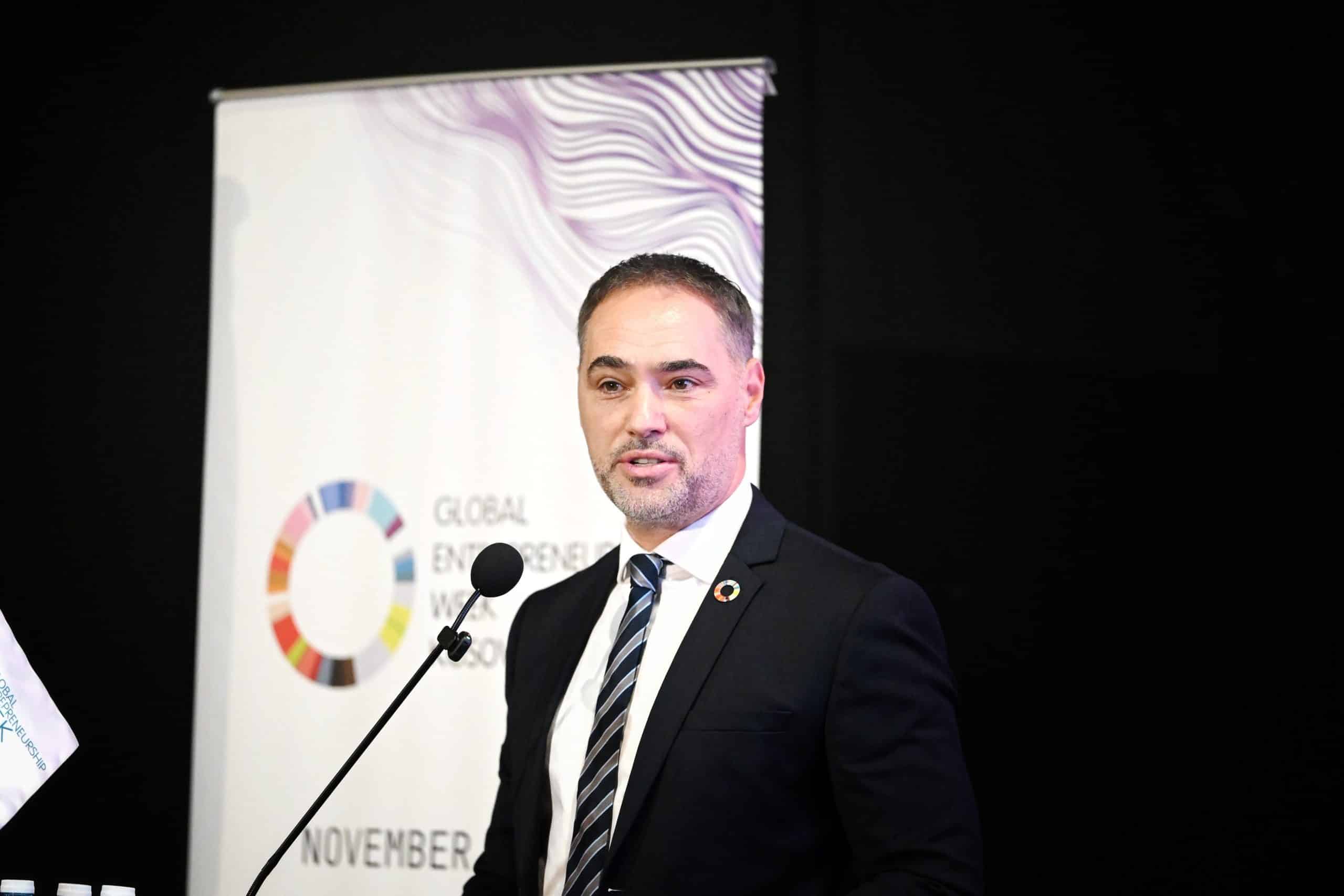
The Prime Minister of the Republic of Kosovo, Albin Kurti, officially opened the 14th edition of Global Entrepreneurship Week (GEW2026), organised by the Kosovo Innovation Centre (ICK) under the auspices of the Office of the Prime Minister.
In his opening remarks, Prime Minister Kurti said that entrepreneurship is not just about the economy, but also about enabling people to make a living from their own knowledge and work.
“We are making good progress as a country. Over the past ten years, more than 118,000 businesses have been registered in Kosovo. Last year, our exports of computer, information and telecommunications services reached approximately €400 million, 14 per cent more than the previous year, representing a growth rate three times that of Gross Domestic Product (GDP),” he said.
Prime Minister Kurti emphasised that the goal for the coming years is an economy that produces more, exports more and creates greater value. He added that an idea born in Kosovo should have the opportunity to grow here and reach the world from here.
“Innovation and technology will undoubtedly be at the heart of Kosovo’s economic development, with the aim of creating new jobs, increasing business competitiveness by making businesses more efficient, reducing the time required and increasing productivity, as well as developing products and services with high added value and export potential,” Prime Minister Kurti said. He emphasised that, to this end, the Agency for Innovation and Entrepreneurship would be made operational and the Innovation Fund would be established to support innovative ideas, start-ups, investment in research and development (R&D), digitalization and the use of advanced technologies.
Prime Minister Kurti stressed that cooperation between universities, research institutions and the private sector would be strengthened to turn scientific knowledge into concrete products and services. Innovative entrepreneurs would be supported through incubation and acceleration programmes, mentoring, access to finance, and connections with international investors and markets.
He said that particular attention would be paid to the inclusion of women and girls in innovation and entrepreneurship, as well as to Kosovo’s further integration into European research and innovation programmes and networks. In this regard, the Prime Minister highlighted that, of approximately 18,000 scholarships awarded during the previous mandate, with a total value of around €20 million, more than 40 per cent were in Science, Technology, Engineering and Mathematics (STEM), and over 90 per cent of these were awarded to female students.
“Investing in knowledge and education, particularly in science, and especially for girls and women, is the investment that yields the greatest returns in our country,” he said.
Prime Minister Kurti’s Full Speech:
Honourable representatives of the Kosovo Innovation Centre, Ms Dorina Grezda, Mr Uranik Begu and Ms Qavolli,
Honourable entrepreneurs, investors and representatives of the private sector, Ms Ujkani, Mr Cahani and Mr Maloku,
Honourable Dean of FIEK and Director of TAK, distinguished representatives of other state institutions,
Honourable Mr Lila, host of this event,
Ladies and gentlemen,
Distinguished attendees,
In the world of start-ups, it is said that a good idea should be explained in the time it takes to ride an elevator. Quickly, simply and clearly.
I want to talk to you about the shortest and most entrepreneurial word I know. It is neither “start-up” nor “innovation”, but the word “why?”.
Yes, “why?” – a single word that encapsulates the question at the heart of every question, a generic yet vital word. Anyone who has children knows that whenever the question “why?” is asked, the whole family gathers around the child who has just asked it. But I believe that, besides knowing what happens when a child asks “why?”, we are all also aware that children ask this question even more often than journalists do.
Naturally, this stems from curiosity about the world, and this curiosity is connected to a passion that seeks an object. When answers to many “whys” are missing, many things are simply taken for granted or, as the saying goes, “that is how things have always been”.
We develop less when we ask “why?” less often. At the same time, when we ask “why?” less frequently, we are also less grateful for what has already happened.
More than ten years ago, a young person in Kosovo asked: Why doesn’t Kosovo have a search engine (and you will appreciate that this is being translated live) that understands the Albanian language well? In other words, we also need a search engine in Albanian. Why don’t we have one? The usual answer would have been: but Google already exists. Why would we need a search engine in Albanian? But that was not the answer for Mërgim Cahani. He did not stop at this excuse; instead, he sought to answer the question “why?”. When he realized that many things people were searching for, even something as simple as bus timetables, could not be found on the internet at all, he did not wait for someone else to put them there. He did it himself, and that is how “Gjirafa” began. We should explain that this means “giraffe”, an animal found in Africa, because people might otherwise think it is just a company.
That, then, is entrepreneurship. A bold question that seeks the right answer, preceded by the decision not to wait. It is the determination to find an answer, the courage to ask questions and, of course, the decision not to wait or put things off until later. If we can do something today, we should have done it yesterday, rather than saying we will do it tomorrow.
Why does this matter to a government? Entrepreneurship is not just about the economy; it is also about enabling people to make a living from their own knowledge and work. Of course, although entrepreneurship is an individual or collective endeavor, it necessarily requires an appropriate environment in which to develop. That environment is an open society and a strong state. It is no coincidence that innovation and science go hand in hand with the development of the state and society.
We know that our parents and grandparents did all this without incubators, without loans and without a state that supported them – and very often, even in the face of a state that worked against them. We do not want the younger generation to have to show the same heroism. We want them to have the right conditions.
And we are making good progress as a country. Over the past ten years, more than 118,000 businesses have been registered in Kosovo. Last year, our exports of computer, information and telecommunications services reached approximately €400 million, 14 per cent more than the previous year, representing a growth rate three times that of Gross Domestic Product.
This accounts for more than two-fifths of the total value of all the goods we exported. In other words, 40 per cent comes from such services. No trucks, no containers and no customs checkpoints. This figure can only grow, thanks to the entrepreneurship we are witnessing because we live and experience it ourselves, but also thanks to the EFTA Agreement, which recently entered into force on 1 October. Signed in January 2025, it allows not only goods but also services to be exported to EFTA countries: Switzerland, Liechtenstein, Norway and Iceland.
A team in Prizren or a group of “developers” in Peja does not need a factory to work for clients in Germany or Switzerland. All they need is knowledge, concrete ideas and a good team.
We also have the youngest population in Europe, with an average age of 35. This means more ideas and, naturally, more opinions on how both the state and the government should work and provide support. Our young people are talented, energetic and multilingual, which means they are exceptionally well equipped for the times we live in.
Therefore, citizens have both the right and the need to ask: why does the Government do what it does? First of all, let us make this clear: the Government does not create wealth. You create wealth. Our task is to create the conditions for it to grow and to remove obstacles from your path.
Why are we digitalizing services? Because time is every entrepreneur’s first form of capital. No one has ever built a successful company by waiting in a queue at a service counter. Time is therefore the first and most valuable resource.
Why do we insist on the rule of law, fair competition and zero tolerance for corruption? Because we firmly believe, and practice has also demonstrated, that entrepreneurship flourishes only where success depends on the quality of an idea, rather than on having the right connections to get ahead. For us, this is not merely economic policy. Without justice and a state that treats everyone equally, innovation cannot develop; only what we might call resourcefulness can. Not the ability to be an inventor, but simply the ability to find a way in.
Why do we work to make financing more accessible? Because talent is everywhere, while capital is not. A good idea should not remain in a drawer simply because its founder does not own a house or land to use as collateral for a bank loan.
This is not a criticism, Mr Maloku; it is an invitation. And I am pleased to see that NLB and ICK are scheduled to sit down together on Friday to discuss financing for start-ups.
Why do we so often talk about women in the economy? Because more than 300,000 women remain outside the labour market in the Republic of Kosovo. We have introduced many policies that have proven effective in narrowing this gap and reducing inequality, but of course, there is still much more to do. Only by working together and striving for equality can we, as individuals, move forward. Because, as you know, a very large number of women in Kosovo do not report themselves as unemployed. Consequently, not only do they remain unemployed, but they also become effectively unregistered as unemployed, because a person is considered unemployed only when they are actively seeking work, that is, when they register as unemployed. Women who are unemployed in very large numbers do not appear in these figures because they are classified as economically inactive. It is essential that we employ as many more women as possible in the coming years. That is why we will now turn the SuperPuna programme for young people into SuperPuna for Women.
Why do we see the diaspora as a partner? Because it brings more remittances. It also brings experience from more developed countries, higher standards, and access to European and international markets.
And why do we start with schools? Because many of the professions our children will pursue do not yet exist. When they grow up, they will have professions that are not even within our imagination today, let alone part of our reality.
We cannot prepare them for those professions by giving them ready-made answers. We can prepare them only by preserving each child’s curiosity, their courage to try and their composure in the face of mistakes.
Our goal for the coming years is an economy that produces more, exports more and creates greater value. An idea born in Kosovo should have the opportunity to grow here and reach the world from here.
Innovation and technology will undoubtedly be at the heart of Kosovo’s economic development, with the aim of creating new jobs, increasing business competitiveness by making businesses more efficient, reducing the time required and increasing productivity, as well as developing products and services with high added value and export potential. To this end, the Agency for Innovation and Entrepreneurship will be made operational and the Innovation Fund will be established to support innovative ideas, start-ups, investment in research and development (R&D), digitalization and the use of advanced technologies.
Cooperation between universities, research institutions and the private sector will be strengthened to turn scientific knowledge into concrete products and services. Innovative entrepreneurs will be supported through incubation and acceleration programmes, mentoring, access to finance, and connections with international investors and markets. Particular attention will be paid to the inclusion of women and girls in innovation and entrepreneurship, as well as to Kosovo’s further integration into European research and innovation programmes and networks.
Of the approximately 18,000 scholarships awarded during the previous mandate, with a total value of around €20 million, more than 40 per cent were in STEM – Science, Technology, Engineering and Mathematics. More than 90 per cent of these scholarships went to female students. If I were to single out the area that yielded the highest return on investment during our governance, I would say it was STEM scholarships. Today, 50 per cent of students studying STEM subjects at faculties, universities and colleges in Kosovo are women and girls, compared with an EU average of 17 per cent. That is an extraordinary return. Investing in knowledge and education, particularly in science, and especially for girls and women, is the investment that yields the greatest returns in our country.
Dear participants,
This week is very important. Global Entrepreneurship Week began in 2008 in 77 countries, and last year recorded more than 50,000 activities in 200 countries. Kosovo joined in 2013, thanks to the Kosovo Innovation Centre, which, since 2012, has been the first home for hundreds of Kosovo start-ups. We are eternally grateful for this work and its immeasurable success, regardless of the figures cited.
This year, the programme extends from Prishtina to Mitrovica and Brezovica, and includes a three-day hackathon on defence technology. And this is the only occasion when we are happy, let me make that clear, to see someone hacking within the Ministry of Defence.
Perhaps some of you are here today, too. I should look at your faces to see how you are reacting. Perhaps you also have ideas that you have not yet shared with anyone. Perhaps some of you have tried and failed, and are now wondering whether it is worth trying again. But never wait for the perfect moment, because it never comes. You have to move towards it, and it is by doing so, despite its imperfections, that we achieve shared successes. After all, no success is yours alone. Regardless of who its authors, protagonists or signatories may be, success is shared with others, because we are social beings and live in society.
Therefore, distinguished attendees,
I hope that this week you will meet as many new people as possible, discover new ideas and find partners with whom to build something together. In other words, combine competition with cooperation, and never lose that curiosity to ask why. Ask yourselves. Ask the market. Ask us, too. We will try to answer through our work. And if you do not like the answer, then do what entrepreneurs do best: set out to create and build an even better one.
The future cannot be imported. We create it here, together.
I congratulate you on the organization, your work and your contribution, and thank you for the invitation and your attention.