Paris, 10 November 2026
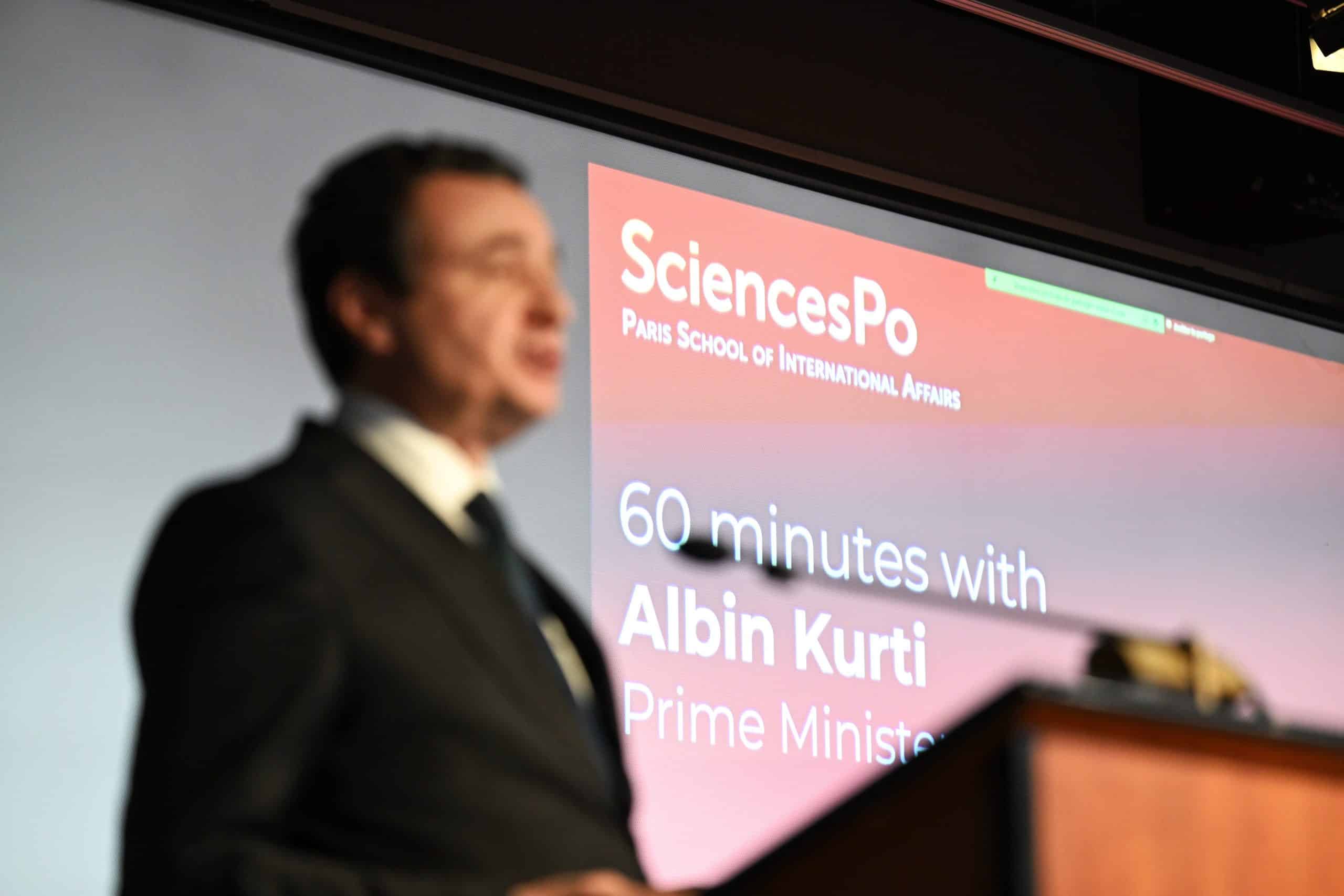
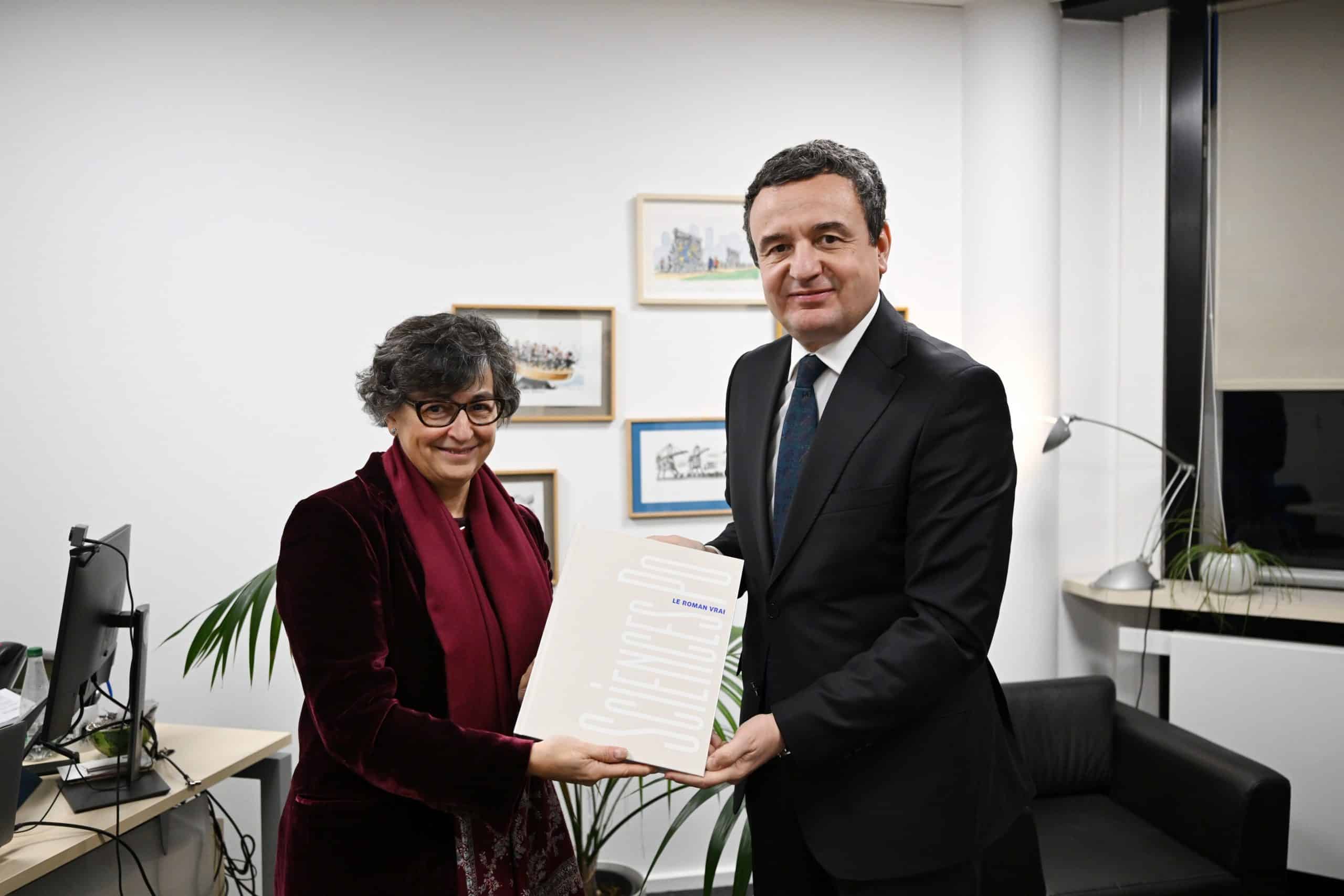
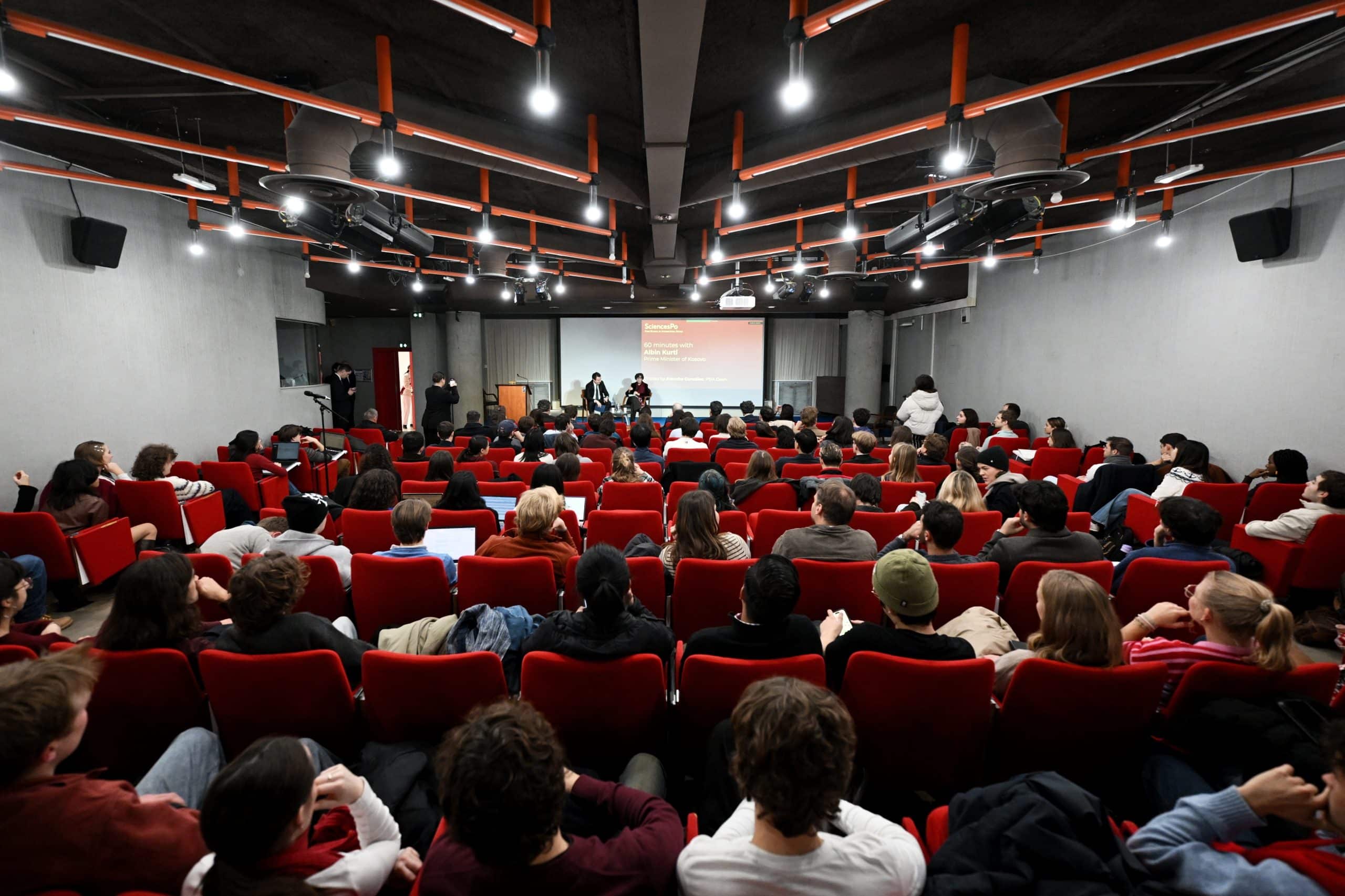
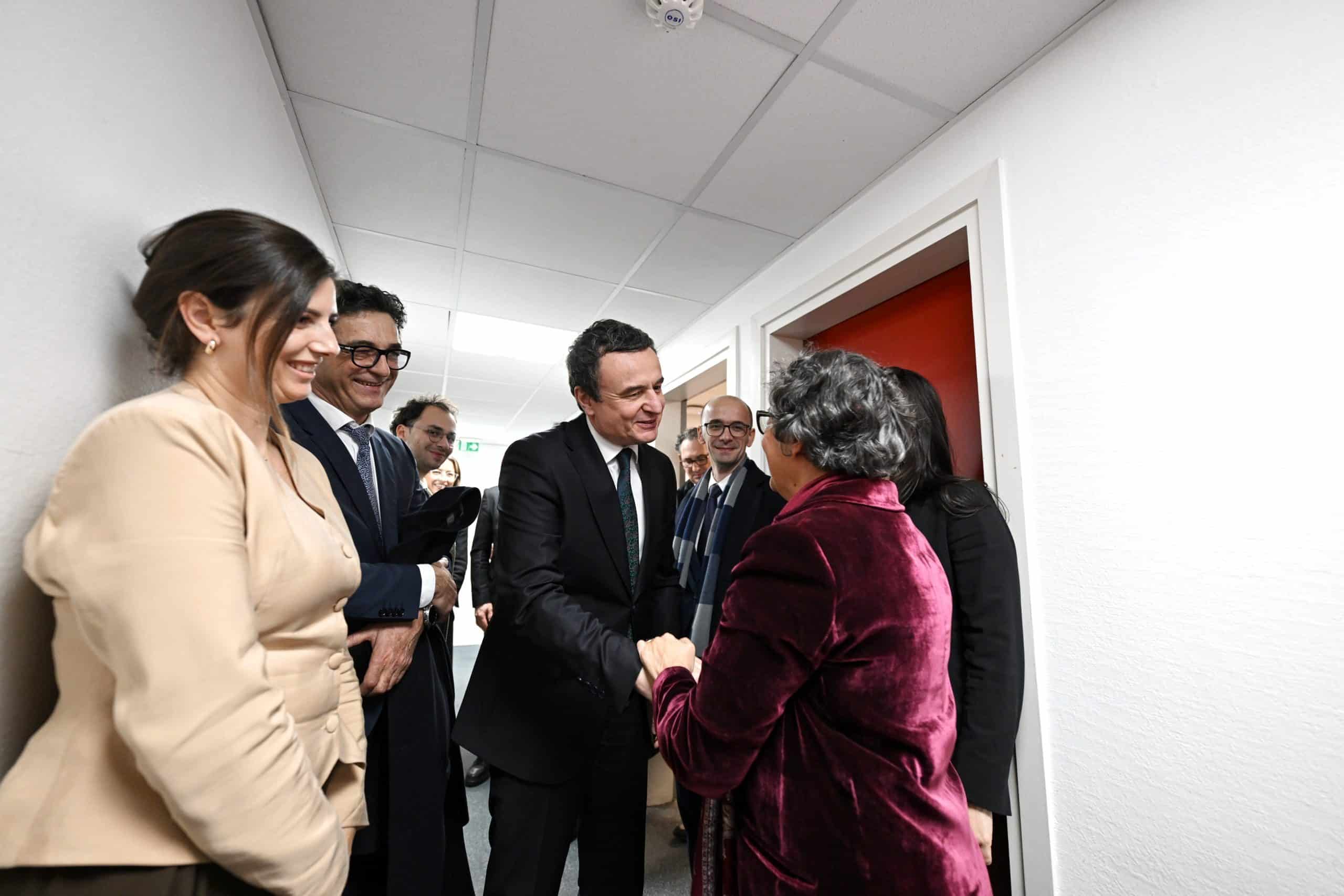
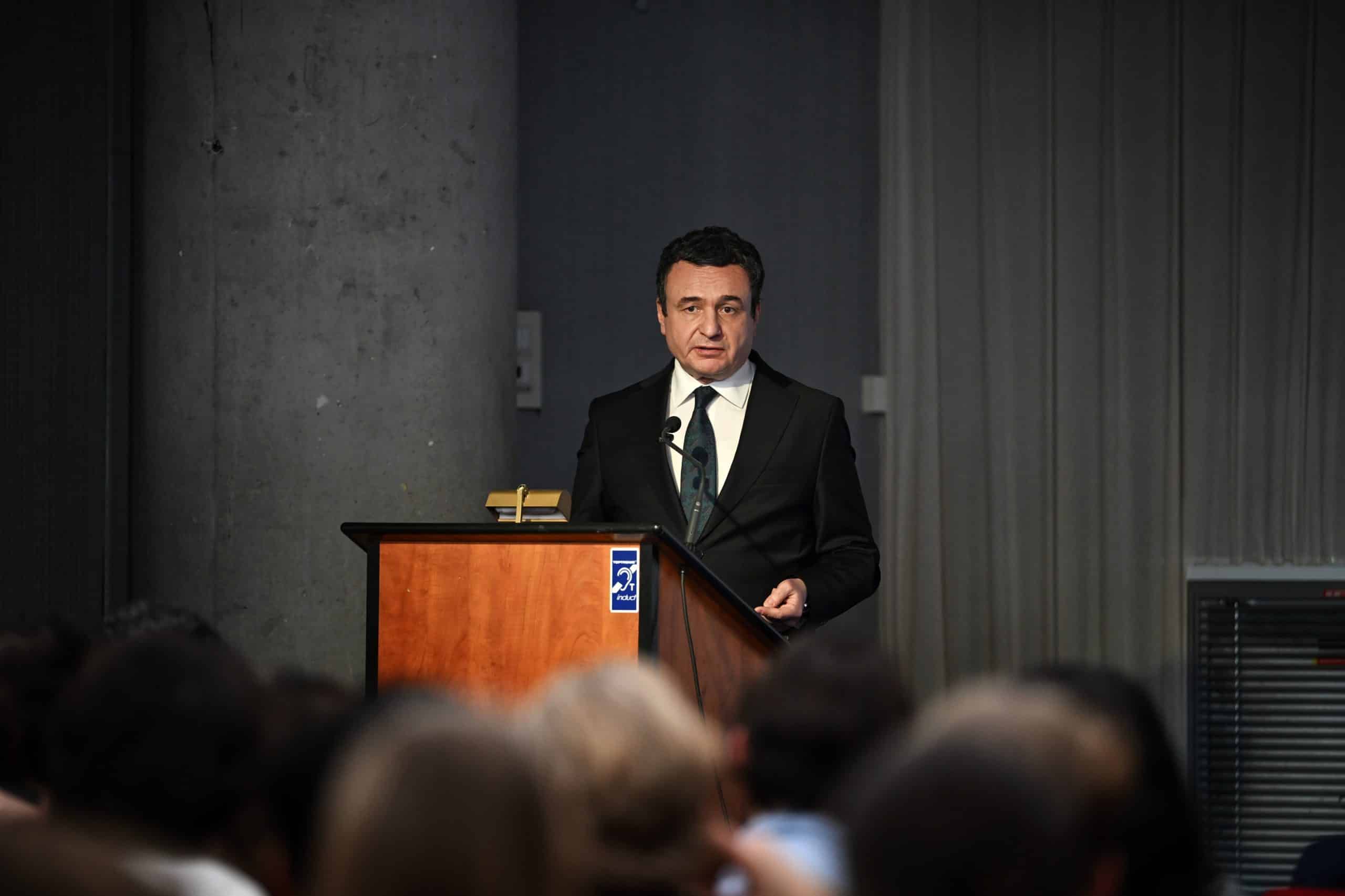
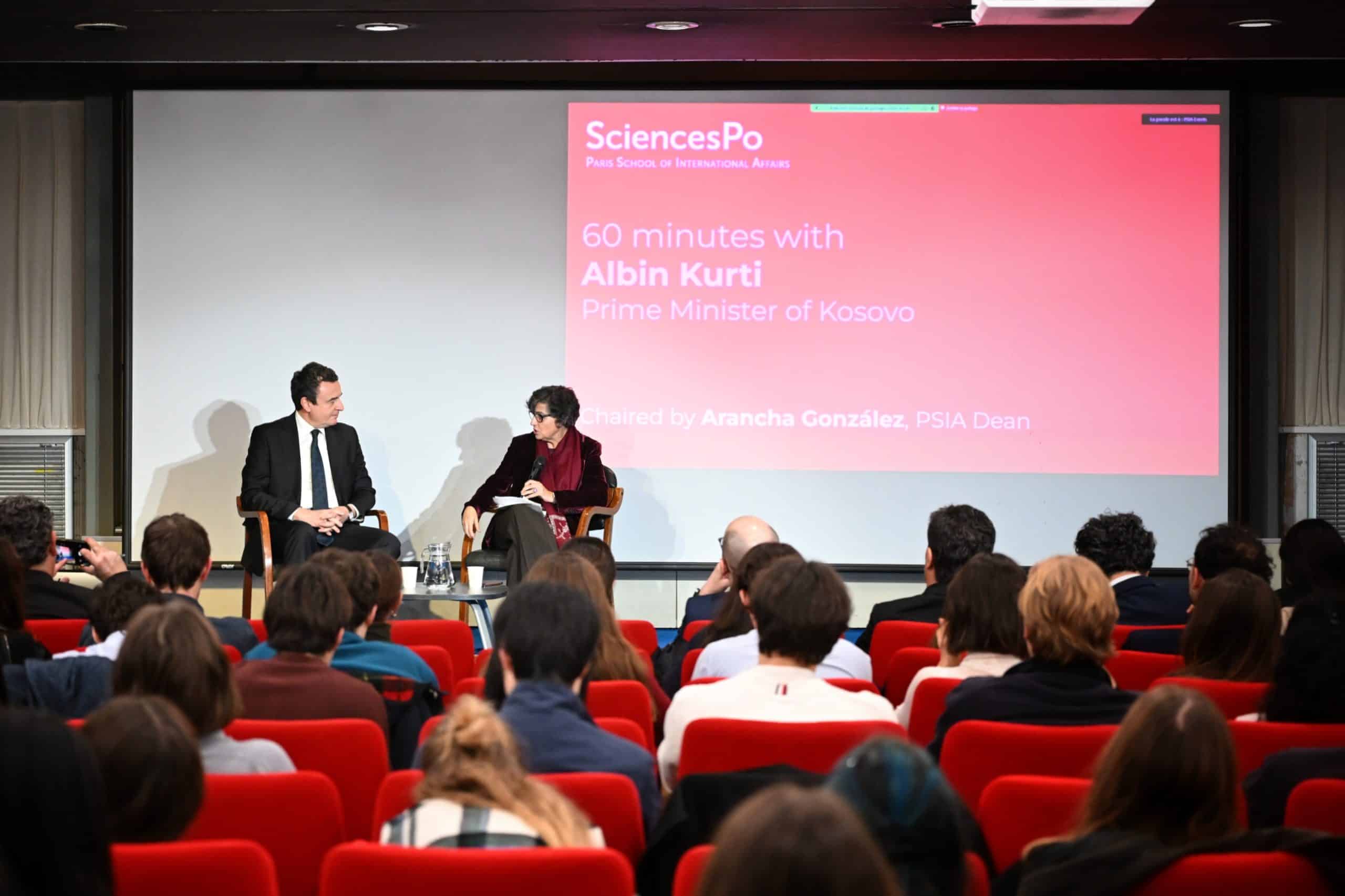
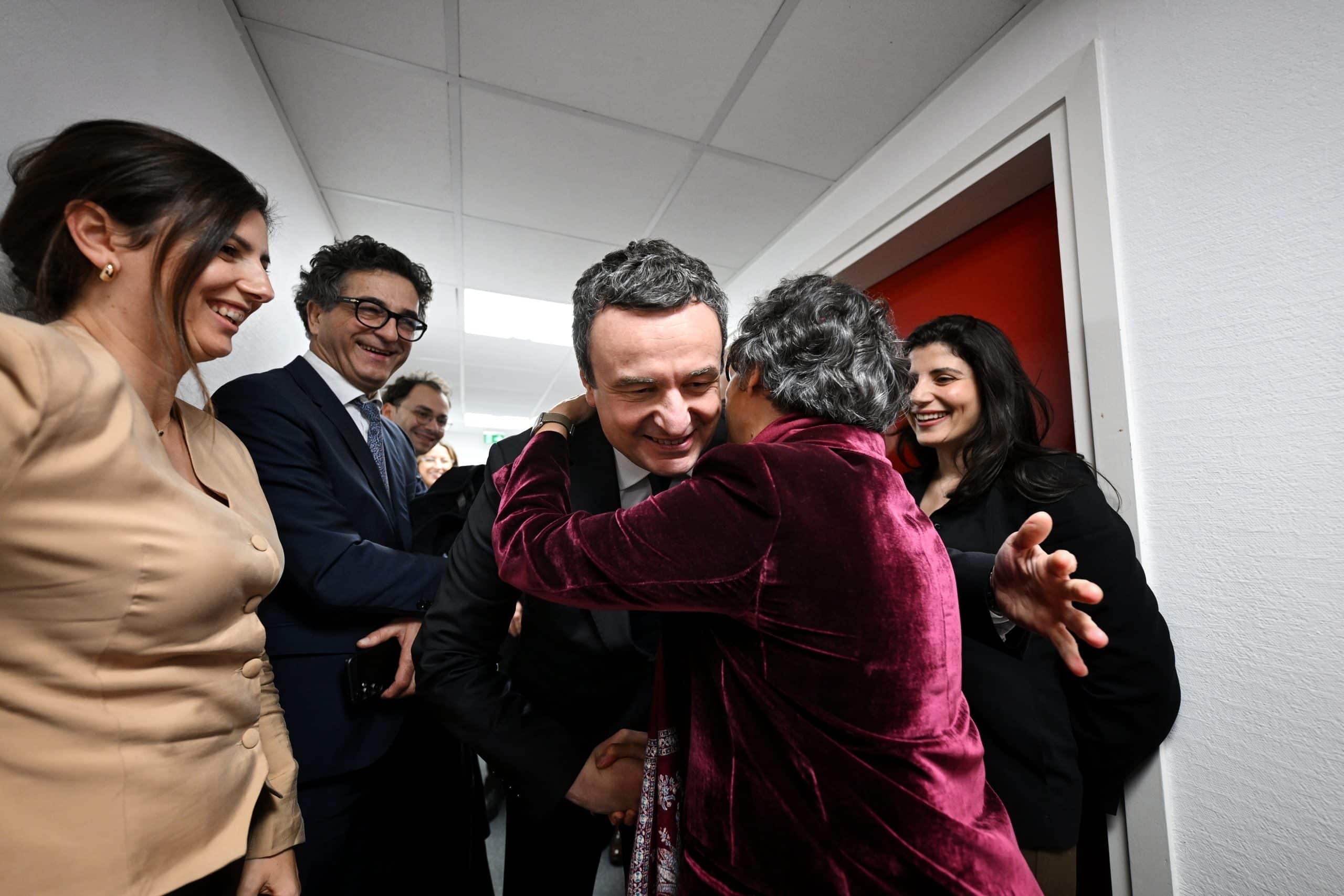
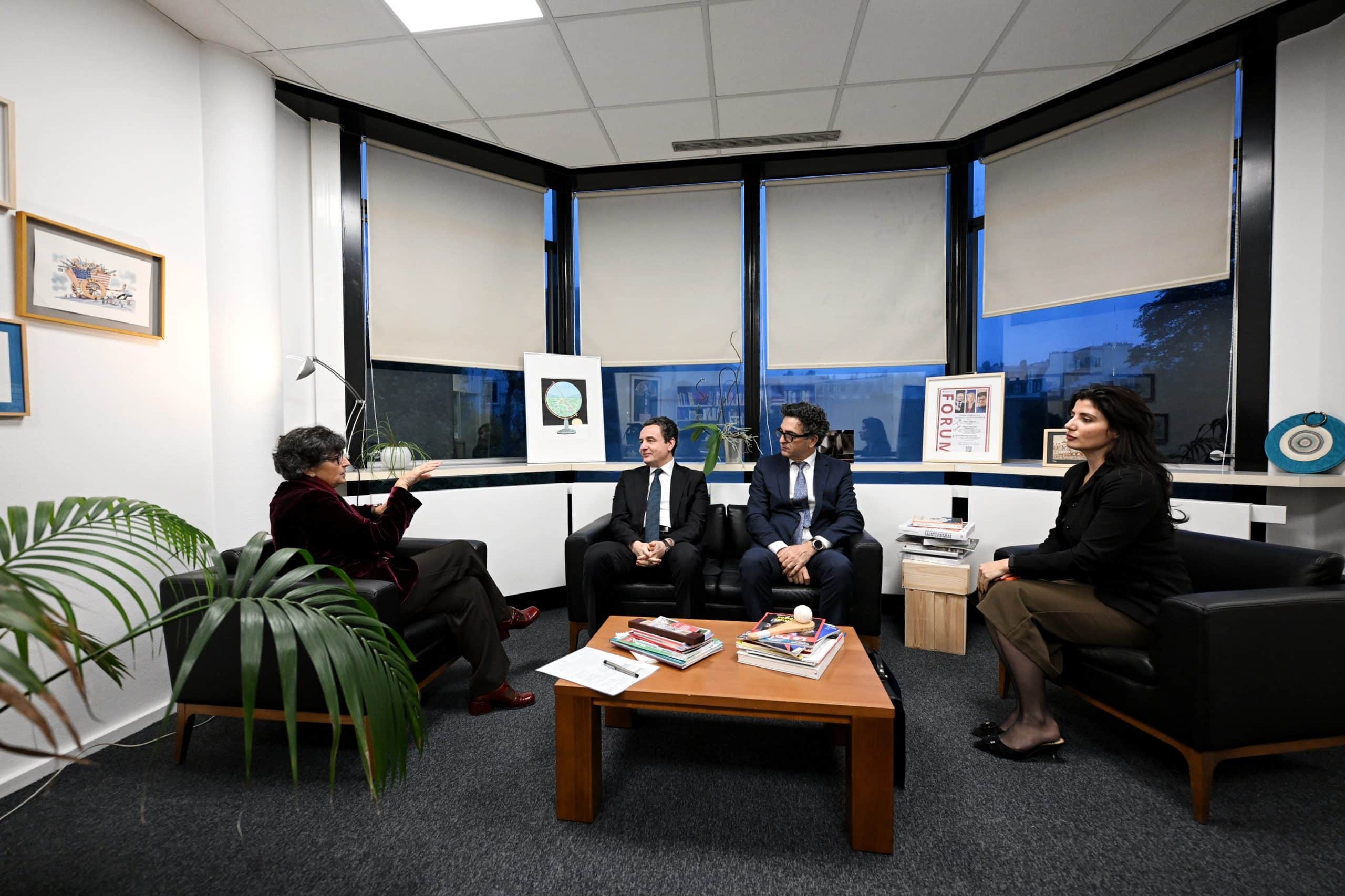
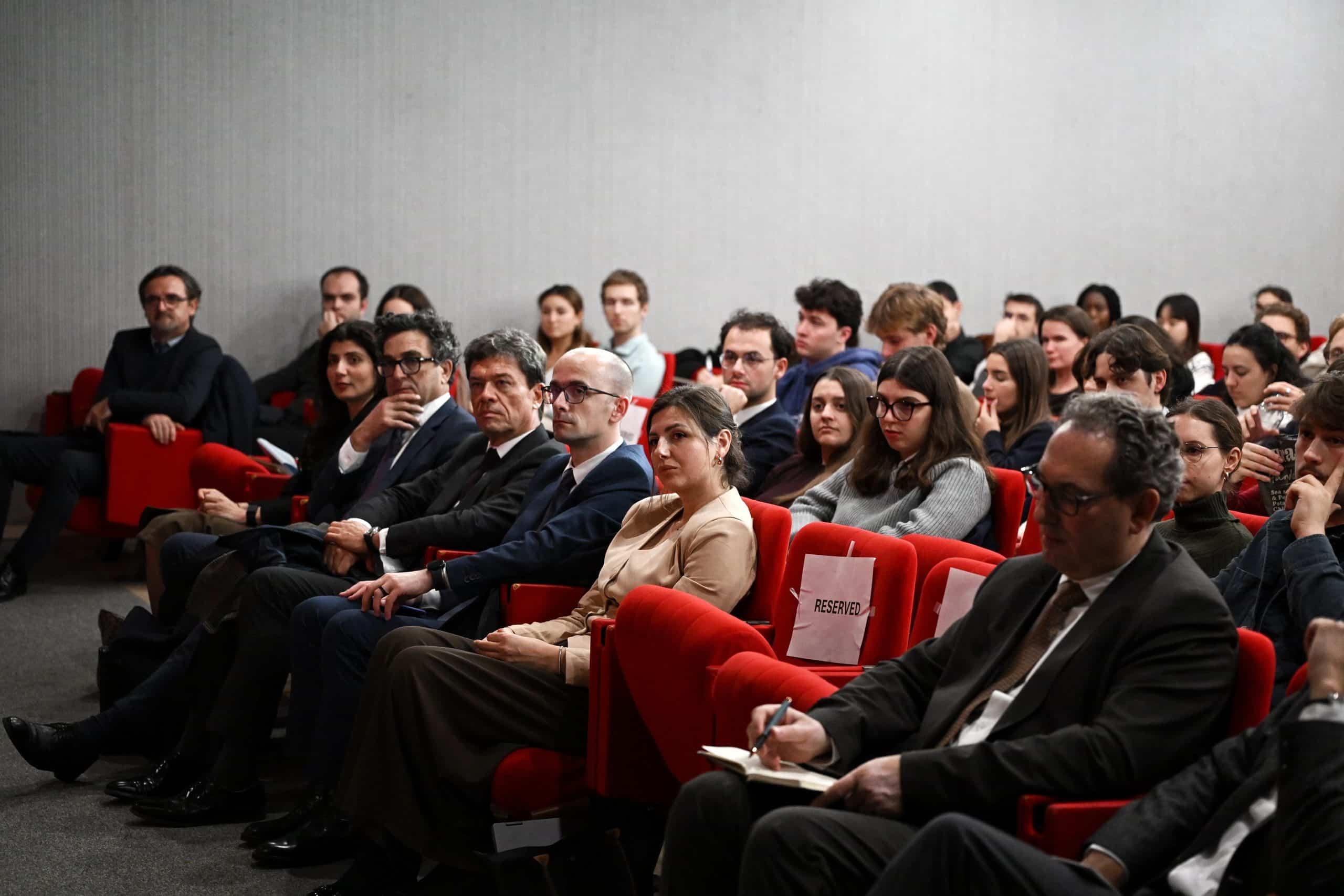
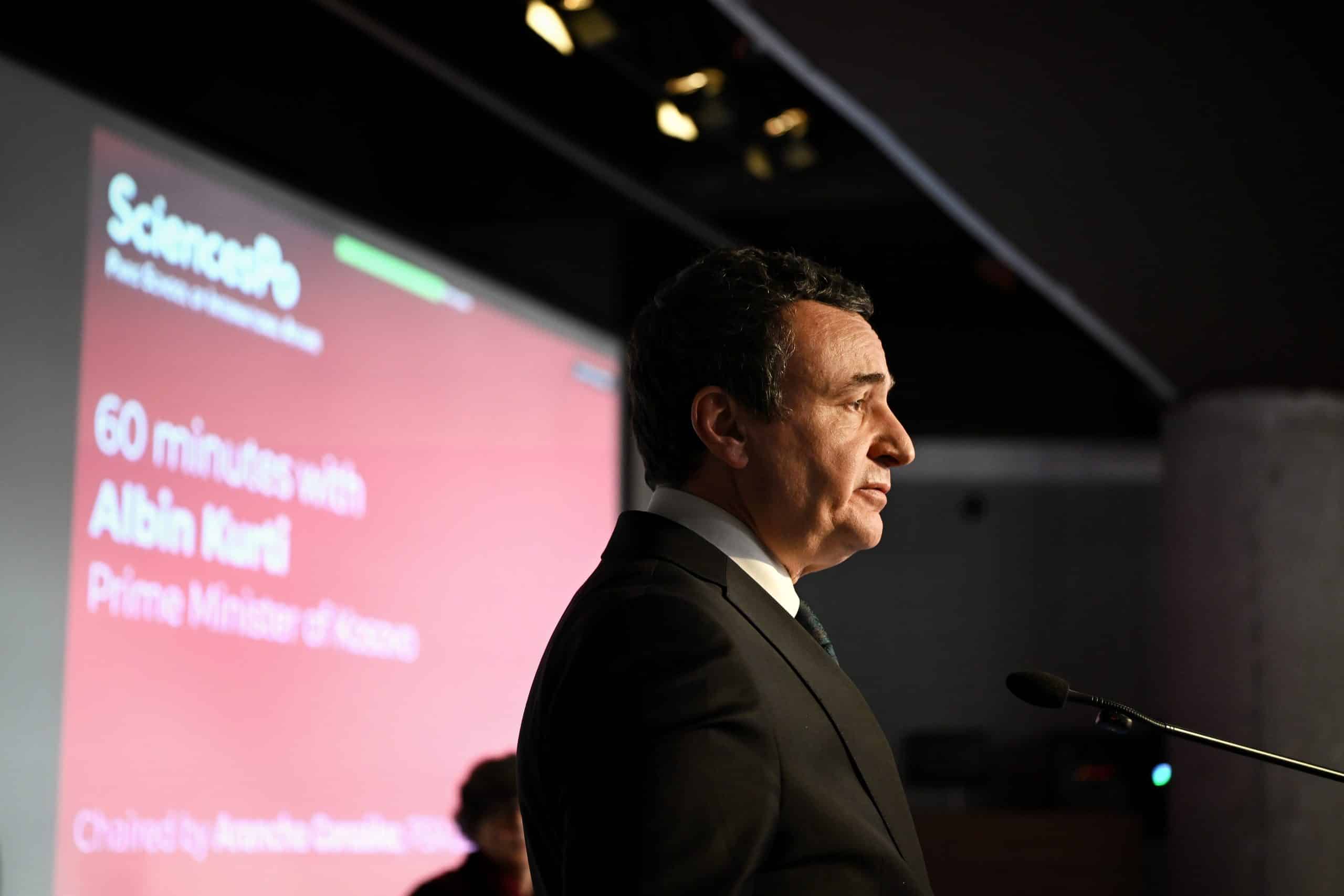
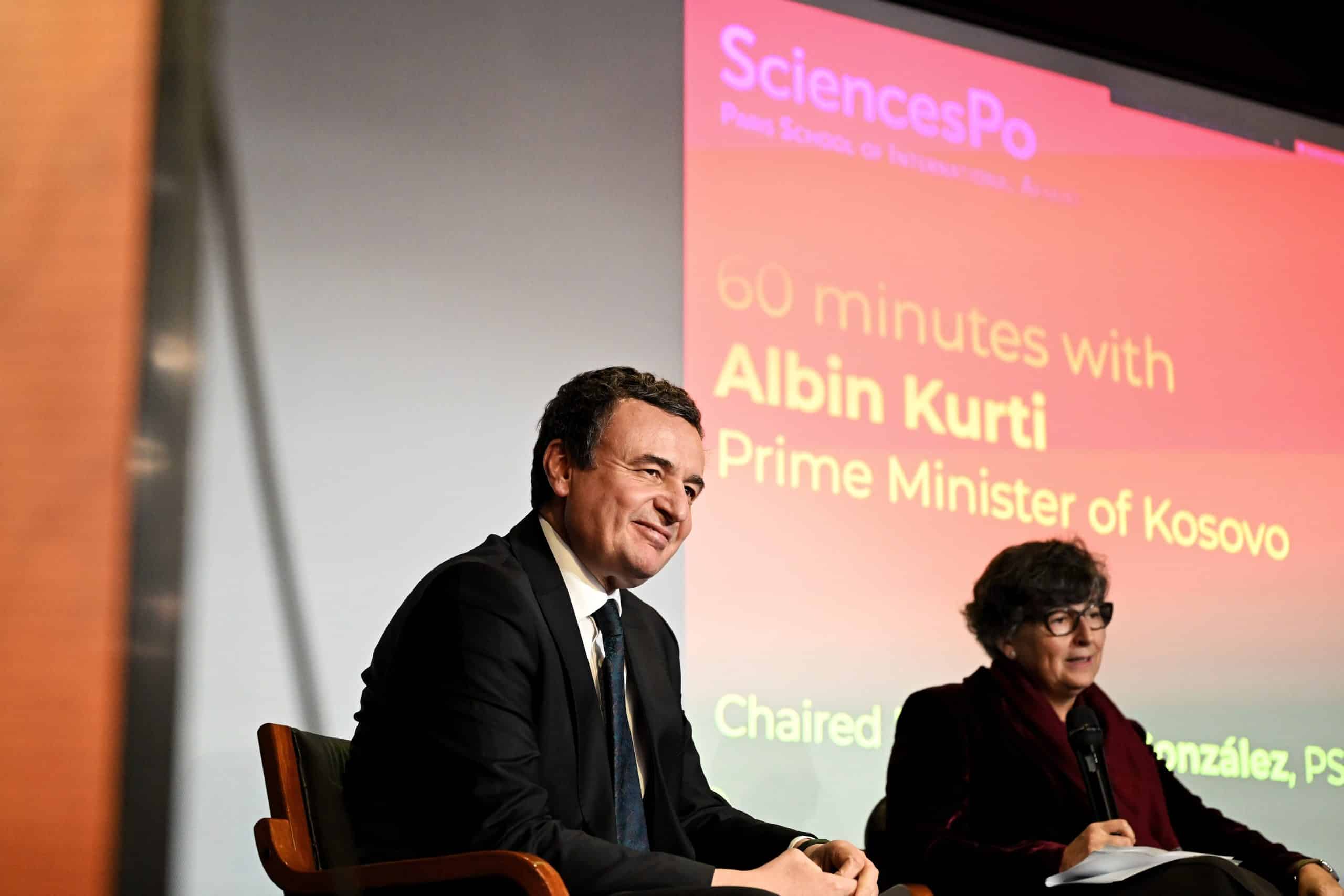
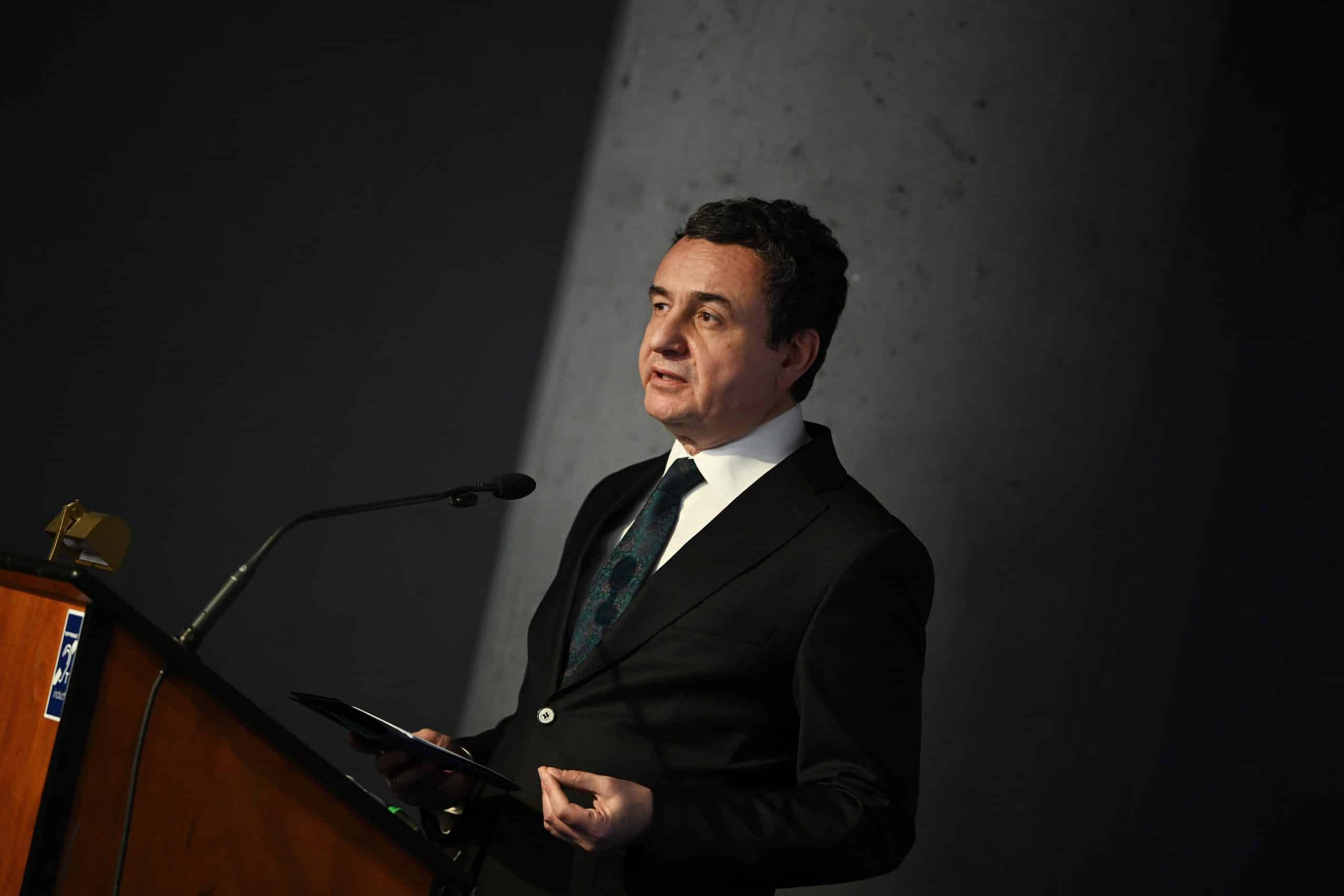
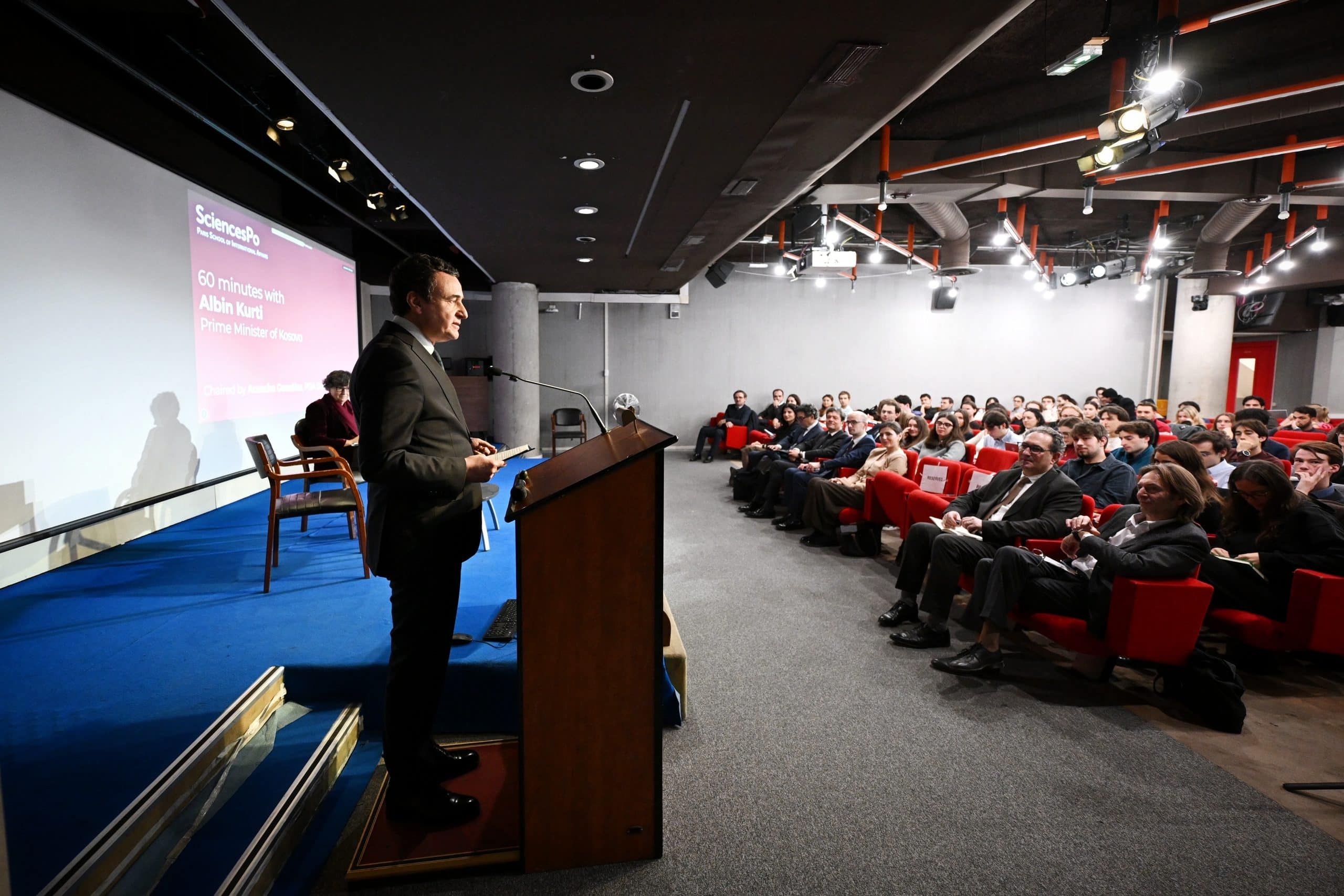
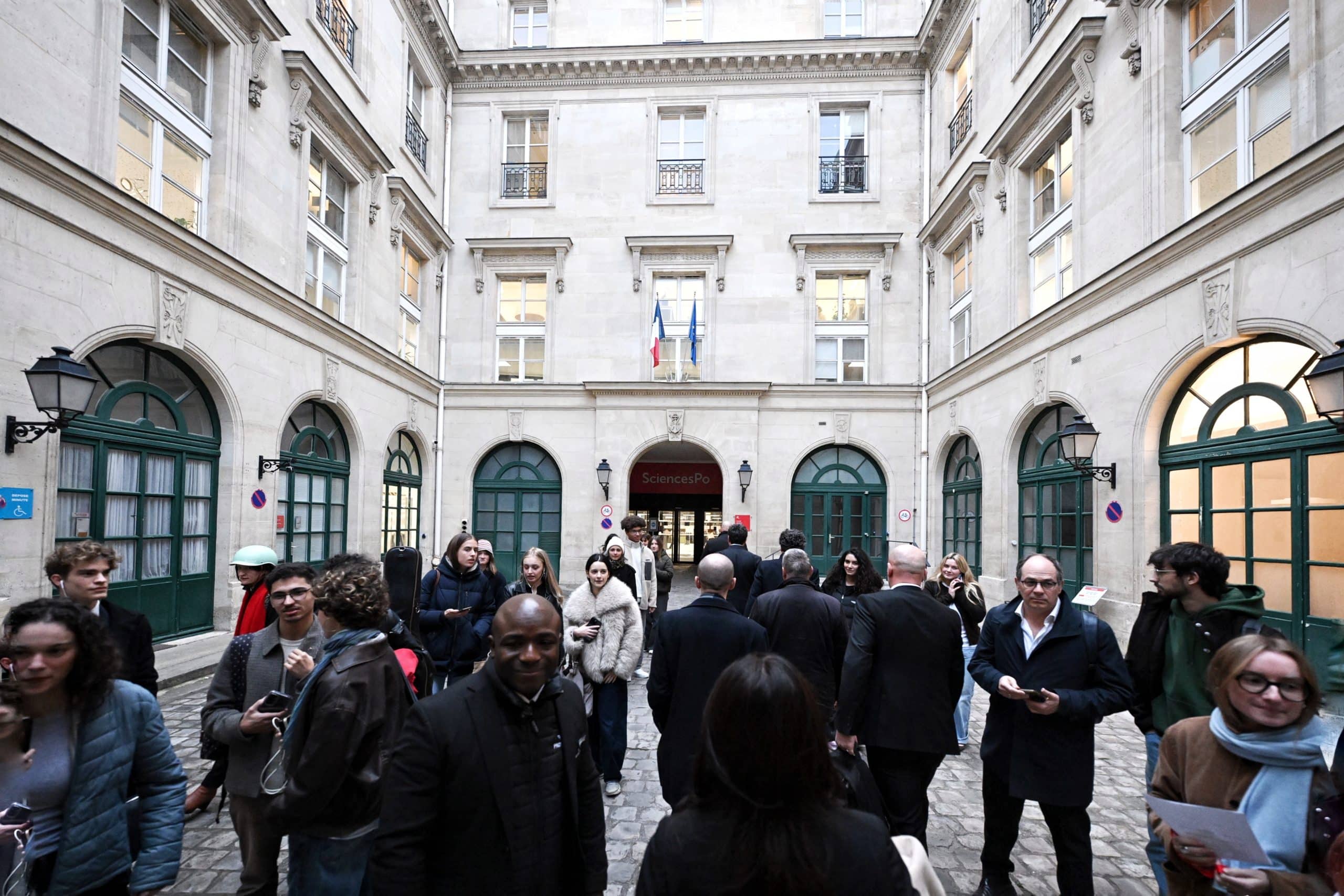
On Monday afternoon, Prime Minister of the Republic of Kosovo Albin Kurti was received by the Dean of the Paris School of International Affairs (PSIA), Arancha González Lay, ahead of delivering a speech and taking part in a discussion with students.
The Full Speech by Prime Minister Kurti to Students:
Dear Dean Gonzalez, dear students, dear friends, here and watching,
It is a great pleasure to be here with you today.
My own entry into politics was through student activism, and later through political activism more broadly. So, there is something particularly meaningful for me about being here.
Ever since I’ve graduated I continued to study, because I couldn’t restrain my passion and curiosity. So, I must say that I’ve always been a bit more than a student but never a professor. And perhaps this is an interesting angle to become Prime Minister, so be careful!
Today, I speak to you as the Prime Minister of the Republic of Kosova. A country which declared its independence 18 years ago, relatively a young country, but with ancient people and young population.
However as a leader, as Prime Minister, I do not see these two experiences, being a student activist and an active Prime Minister as separable. Quite the contrary, I believe they have informed and formed one another. Holding public office often requires you to return to the values that first brought you into politics, and to ask how they should guide you in the circumstances you face now.
The circumstances may change, and the responsibilities certainly do. But the convictions themselves should rather remain.
If you were sitting in a classroom fifteen years ago, or even ten, chances are that those of you who knew about Kosova knew it primarily because of the war and our struggle for independence.
Since then, however, Kosova has become a flourishing democracy. It ranks as the leading democracy in the Western Balkans, according to the Swedish V-Dem Institute’s 2026 Democracy Report. Our average economic growth has remained above 4% in the past five years. And according to Gallup, we are the safest country in Europe to live in and the third safest in the world.
So today, I would like to offer you a fuller picture of Kosova: a country shaped by a liberation war, by international solidarity, and by the hard work of building democracy, whose experience can now serve others.
Ours was a long and difficult path. It began with resistance to apartheid and the repression of ethnic Albanians in former Yugoslavia, and it culminated in a liberation war amid ethnic cleansing and genocide.
Serbia had already committed genocide in Bosnia, where, in the 1990s, death camps were established on European soil for the first time since the 1940s. Our liberation war culminated in NATO’s intervention in March 1999, following a unanimous decision by all member states at its headquarters in Brussels.
Our country was born out of a national struggle for liberation and international intervention for human rights, and that history continues to shape how we understand the responsibilities of governance. For me, governing Kosova without being guided by the very principles for which our people fought would be unthinkable.
And this is perhaps the first lesson of Kosova’s experience: what is born out of a quest for fundamental rights must continue to be led by those rights and values.
But when we declared independence, that was not when we stopped fighting for our country.
We did not want a mere semblance of democracy. We wanted democracy in substance, not just in form. And democracy is not something that automatically follows liberation, nor something that arrives once and then simply stays. Having been part of both movements, I consider both struggles pivotal to the history of our country.
Of course, without independence, you cannot fully speak of democratic self-government. You lack the sovereign institutions through which to establish democracy, guarantee it, and enforce it. Independence gives a people the right to govern themselves. Democracy determines if that right is exercised by the people.
The declaration of independence is a specific moment in time. In our case, 17 February 2008. The struggle for democracy, on the other hand, is much longer, much less clearly defined, and much more likely to advance and retreat in waves, with an overall positive arc.
I do not think the greatest threat to our democracy was necessarily the return of an outright dictatorship. I think one of the greatest threats was the emergence of an illiberal democracy. Both in our region and elsewhere, we have seen a growing acceptance of this hybrid model: illiberal in its approach to checks and balances, and illiberal in its values.
I believe that, after the 1990s and the 2000s, much of the world succumbed to what it considered realism. Free trade was seen as enough to ask for, and some semblance of democracy was considered sufficient as well. But illiberal democracy is an oxymoron for a reason. The semblance of something is not the thing itself.
Over the past years, we have witnessed the rise of so-called illiberal democracies, including in the Balkans, which have then sought to persuade established democracies that their model is the better one. Quite often, that argument is one of efficiency, especially economic efficiency.
Political crises are presented as inherently bad. Political competition as an inconvenience. Checks and balances as obstacles to getting things done. The argument is that such governments can deliver: infrastructure projects, roads, big buildings, dams, investments. Compromised on democracy, but efficient enough. That is the temptation presented.
But at the end of the day, the number of dams, roads, or buildings constructed matters only insofar as they serve the people. And the price the population pays for them matters just as much, whether in money out of their pockets, in money unaccounted for, in the weakening of their institutions, or in the alliances their country is pushed to make.
Kosova’s success after liberation lies in having fought that fate, despite all the odds and all the pressures. As someone on the center-left, a social democrat, I listen to those who hold different values from my own. I believe leadership can be strengthened by engaging with perspectives that may, in some respects, be more industrious, more forward-looking, or simply different from our own. I do not proceed from the assumption that what I represent is in any way the ultimate truth.
But I do believe that political positions must be rooted in values. Adopting whatever position happens to be acceptable at a particular moment, simply because the political winds have shifted, is not the same as having values. Pleasing the stock market is not, in itself, a value.
Values must be something more enduring than that, and remaining faithful to them also requires patience.
Because democracy functions precisely through its imperfections. It allows different sides to challenge one another. It creates processes through which societies can question themselves, correct themselves, and ultimately improve.
Since independence, Kosova has benefited from precisely these democratic processes.
When we first won the elections in 2019, it was the first time a party of the center-left, in both its declared principles and its policy proposals, had won elections in our country.
What followed was not an entirely straightforward path. We went through different processes of government formation and further elections, which ultimately gave us a stronger mandate and a greater vote of confidence. And in our previous mandate, we completed the first full governmental term in the country’s history since independence.
For us, being center-left was not simply a political declaration. It had to mean something in practice.
We introduced social policies on a scale not previously seen in the country: free higher education, new support for mothers and families, increased budgets for public healthcare and subsidies for farmers, and policies intended to give people a fairer opportunity to participate in the economic and social life of our country.
Because democracy, for me, also entails a fundamental sense of equality. In The Social Contract, Rousseau wrote that a good legislative system rests on liberty and equality, and that, in respect of riches, “no citizen shall ever be wealthy enough to buy another, and none poor enough to be forced to sell himself.”
But equality cannot mean only distributing what you have. It must also mean creating new things to distribute. Innovation, therefore, can be a tool for equality.
Kosova is a young and innovative country.
Our average age of the population is 35, and technology-related services already account for around 6% of our GDP, a growing part of our economy. Agreements such as our free trade agreement with the EFTA countries, Switzerland, Liechtenstein, Norway and Iceland will help us develop this further.
For us, innovation has often been a necessity. We have had to find ways to remain connected to the world even while outside the European Union, while facing visa restrictions for travel to the Schengen Area, until visa liberalization took effect in January 2024.
The cost of being connected was enormous, but remaining connected was essential.
And here, I want to mention the extraordinary role of our diaspora. It has been a living and dynamic bridge between Kosova and the rest of the world, and without it our country would not be where it is today. Almost a third of our people have lived abroad. In that sense, we have lived in Europe even without being institutionally part of the European Union. The isolation we endured, thankfully, never became a complete isolation from the world.
We have a significant community in Switzerland, representing approximately 3% of that country’s population, over half a million Kosovars in Germany, and large communities in the United States and many other countries including France. We have a diaspora of around 60,000 people in France with roots from Kosova, some of whom I had the pleasure of meeting with here in Paris yesterday.
Our first unicorn, our first billion-euro technology company, may very well emerge from members of our diaspora working in Kosova.
Through investment, remote work, entrepreneurship, and the exchange of knowledge, we want to strengthen these connections even further during this mandate. What began as a necessity of our history has become one of the greatest opportunities for our future.
Another area where our political convictions have translated into concrete action is defense policy.
We have faced a dual risk. First, Russia’s war against Ukraine, which has fundamentally changed Europe’s security environment. And second, the fact that Serbia remains a close ally of Russia, with policies that continue to pose a security threat to our country.
Russia established what it calls a humanitarian center in Nis, 160 kilometers far away from the capital town of Kosova, Prishtina, just across our border, in what we regard as an attempt to draw a false equivalence with NATO’s humanitarian intervention in Kosova. The facility has long raised concerns about possible intelligence activities. There have also been concerns about Russian involvement in Serbia’s defense and security structures.
Serbia maintains 48 military and gendarmeria forward operating bases around our border, and the Kremlin has established an office within the Serbian Ministry of Defense.
We have seen the consequences of this security environment in the Banjska attack of 2023, an incursion that sought to annex the north of our country by the Crimean playbook, and which European Union institutions condemned as a terrorist attack on our country.
These are not abstract concerns for us.
Over the past four years, we have significantly increased our defense spending, consistently exceeding 2% of GDP. All of our military purchases have been from NATO member countries.
The purpose of these investments is not simply to strengthen our defense capabilities. It is to ensure that our citizens can live in safety, and that Kosova, as a democratic country, can become a greater contributor to the security of our region through NATO.
But Kosova is also a reminder of something else: the power of joint action. Our country emerged through a collective, values-driven determination to bring peace, stop suffering, and stand up for principles that transcend national borders. I think that experience is especially relevant today.
The distinction between what is local and what is international has become increasingly difficult to maintain. The world faces problems that cannot be solved by any one state or nation, whether large or small.
For us, the experience of joint action leads naturally to our European and NATO path. The European Union represents not only an economic model and a political community, but increasingly an essential part of Europe’s security architecture.
And I believe we can no longer afford to think of countries such as Kosova as existing somewhere on the sidelines. There cannot be a second-tier Europe. There are no sidelines anymore.
In this regard, Kosova faces three important and interconnected dilemmas.
The first concerns the European Union’s approach to the Western Balkans. Enlargement has gained new urgency since Russia’s war against Ukraine, but that renewed urgency must not lead to a Europe in which some countries are welcomed while others face a blurry path.
The second concerns the normalization of relations with Serbia. This process must include accountability for the Banjska terrorist attack, beginning with the handover of Milan Radoicić, its chief architect, so that he can face justice.
It must also be a process through which Serbia’s government, which has recently undergone a change in leadership, comes to recognize the reality of the 21st century: Kosova is an independent country, recognized by over 120 states. And Serbia must abandon its aggressive campaign against our international recognition, including its instrumentalization of Russia’s opposition to our membership in international organizations.
The third question, closely related to the dialogue with Serbia, is the recognition by the five European Union member states and four NATO member states that have not yet recognized Kosova. We believe they must understand that the circumstances from which our country emerged, the repression, ethnic cleansing, and genocide experienced by our people, cannot simply be equated with the separatist movements to which parallels are sometimes drawn.
Both our liberation and the democracy we have built since independence deserve their rightful place in a stronger European Union. Therefore these three questions or dilemmas can be questions or dilemmas for others. We see no alternative to the European Union and NATO, because we do not want any alternative to the European Union and NATO.
I would like to end by returning to my own political journey which started in activism, in the conviction that the circumstances in which we find ourselves were not necessarily the circumstances we had to accept. Today, as Prime Minister, that conviction remains important to me. But governing has also taught me that political values must be sustained not only in the struggle to gain power, but in the everyday responsibility of exercising it.
They require institutions, certainly. But they also require conviction, participation, patience, diplomacy and the willingness to continue challenging ourselves.
The values that bring you into politics matter. But what matters just as much is what you do with those values when you are given the responsibility to act upon them.
Thank you. I look forward to the discussion with you.
Merci beaucoup!