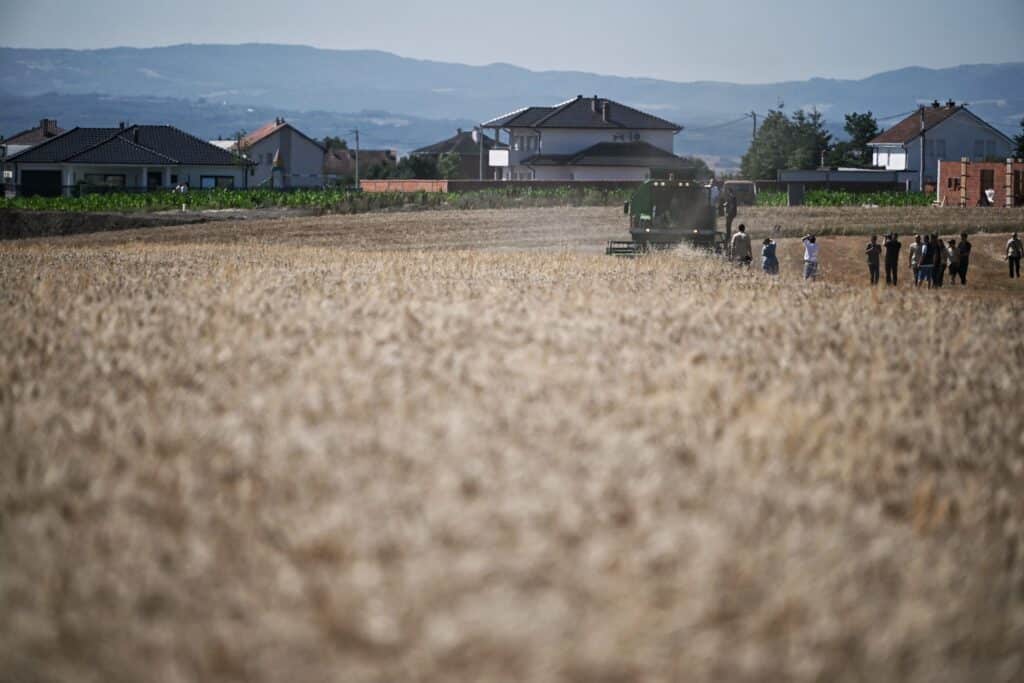
Podujeva, 11 July 2026
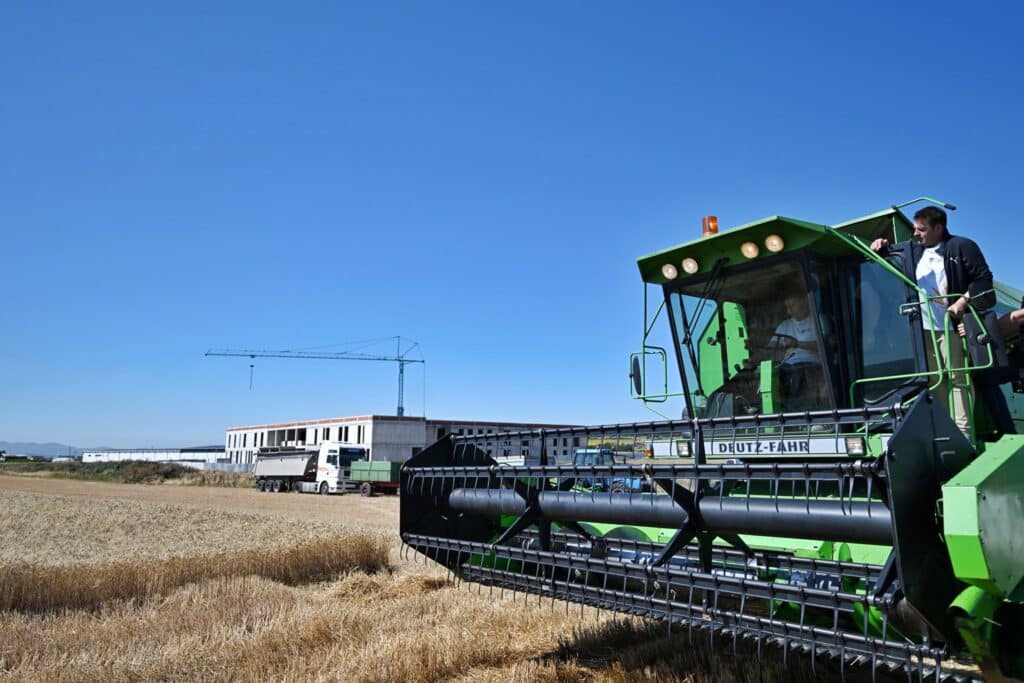
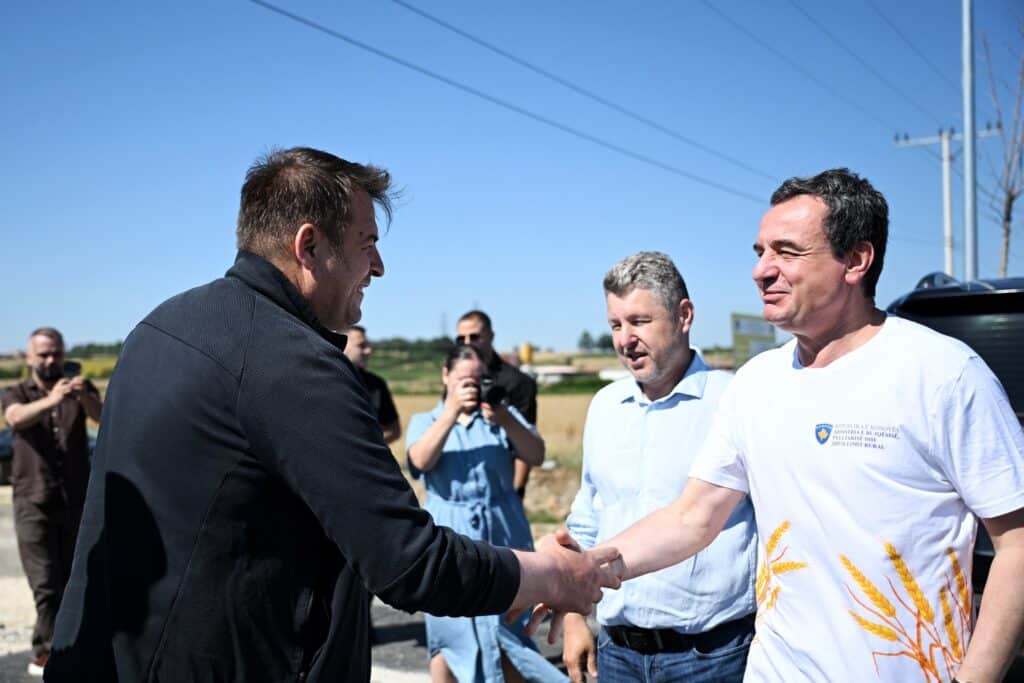
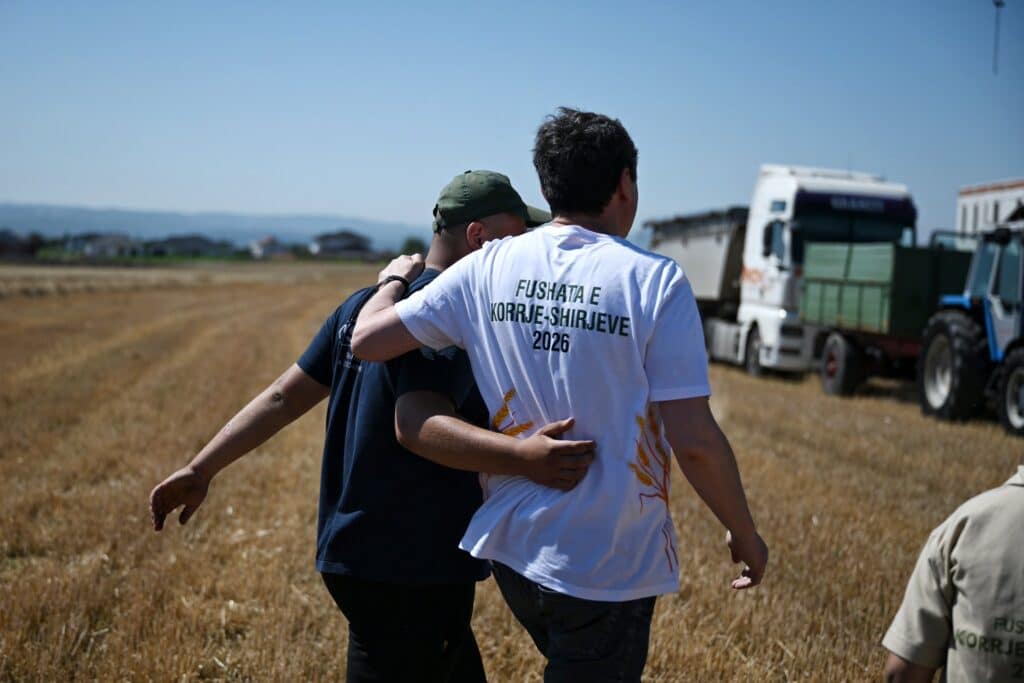
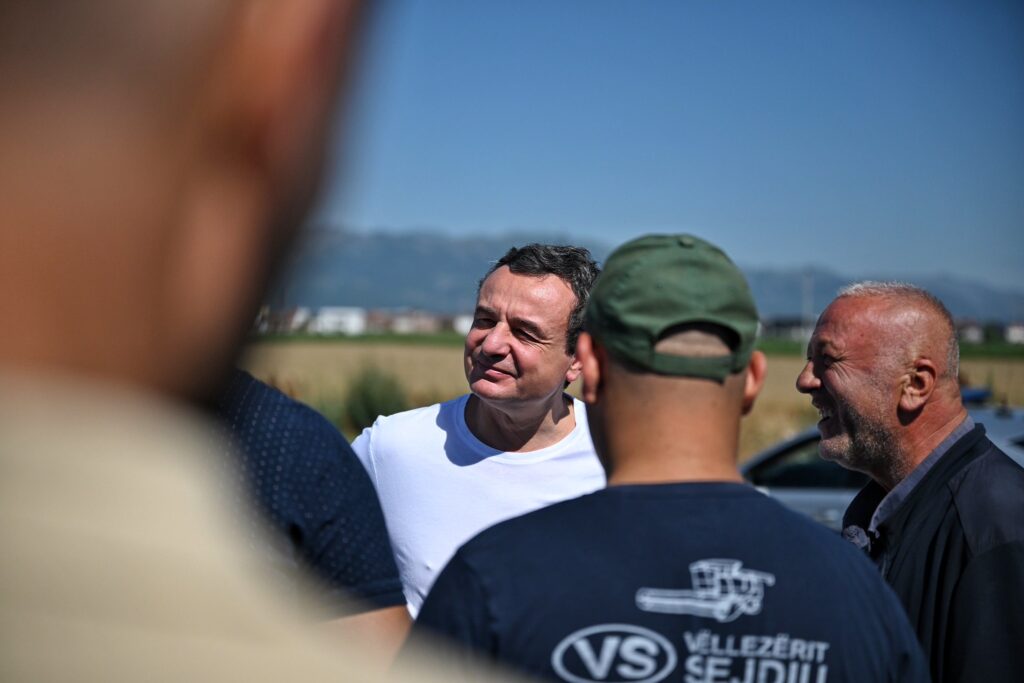
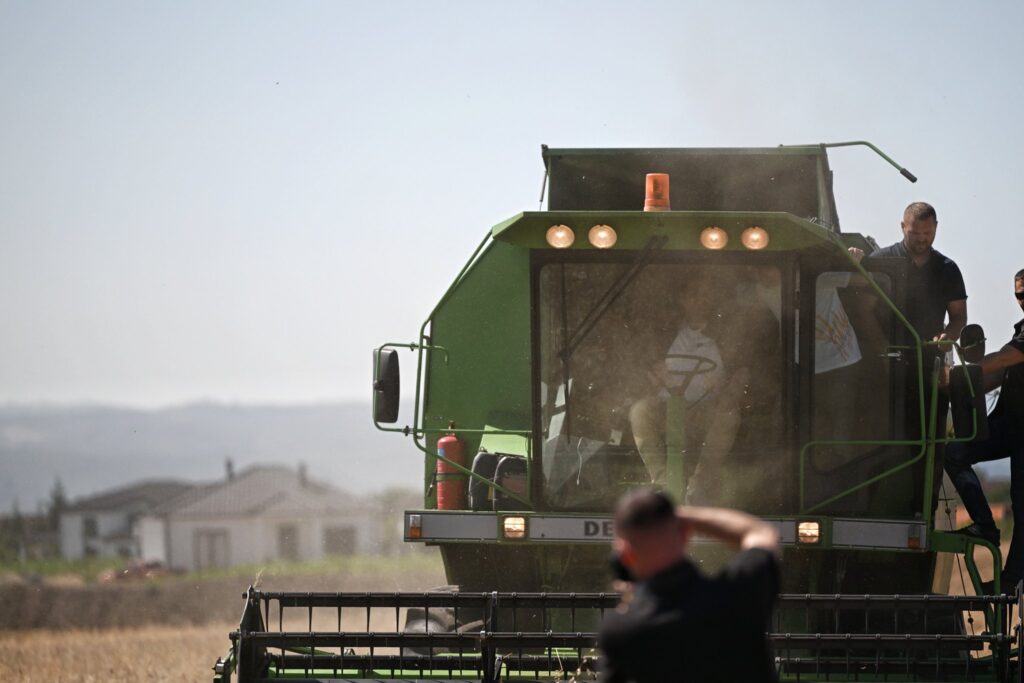
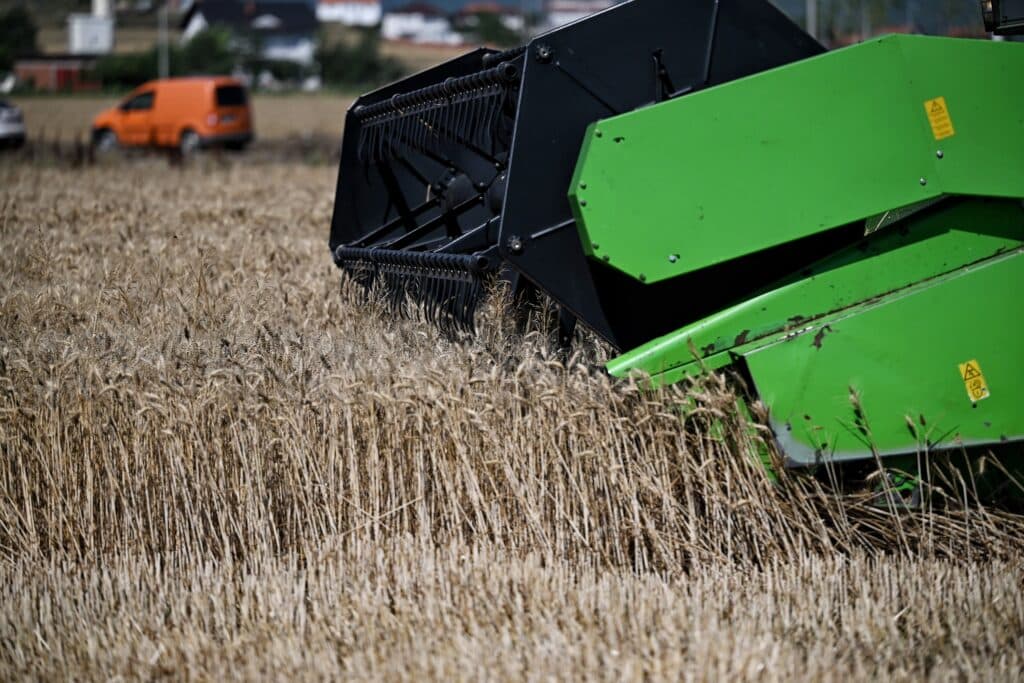
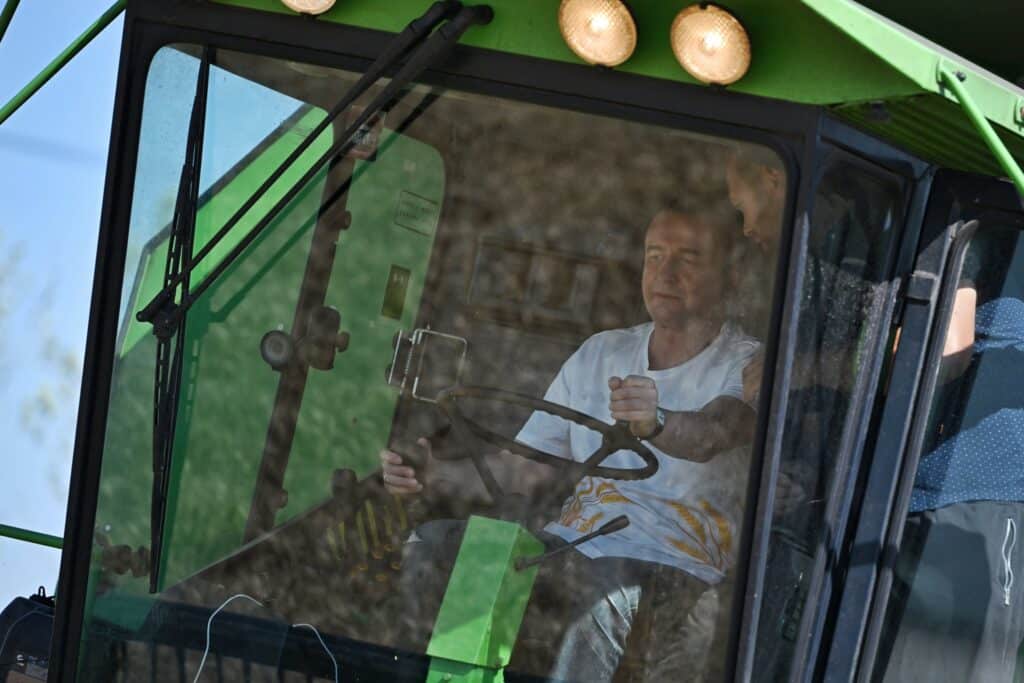
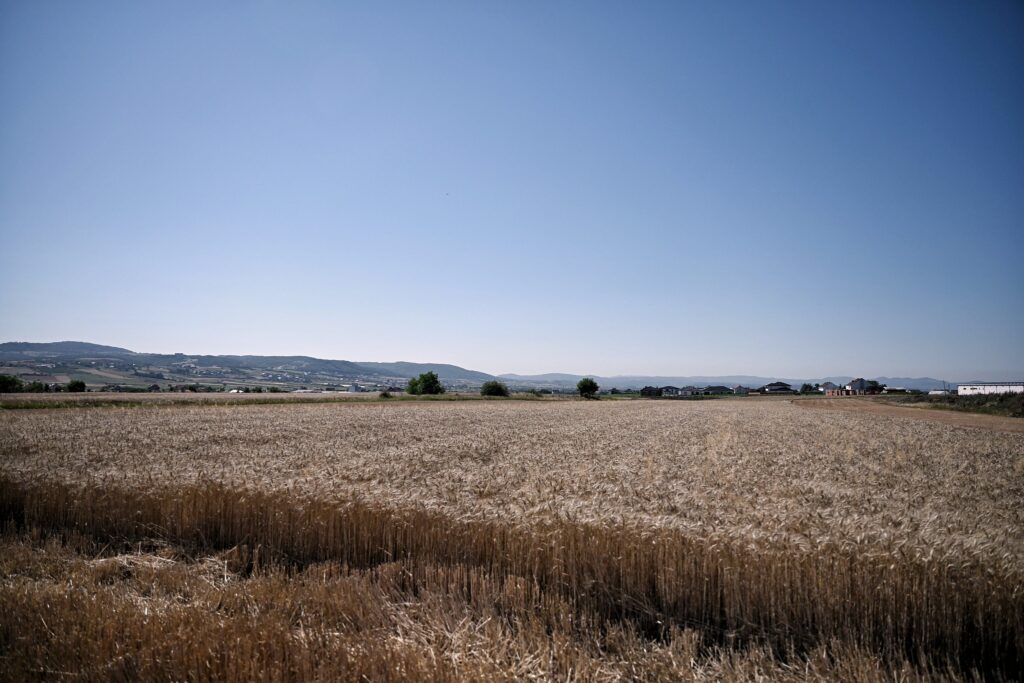
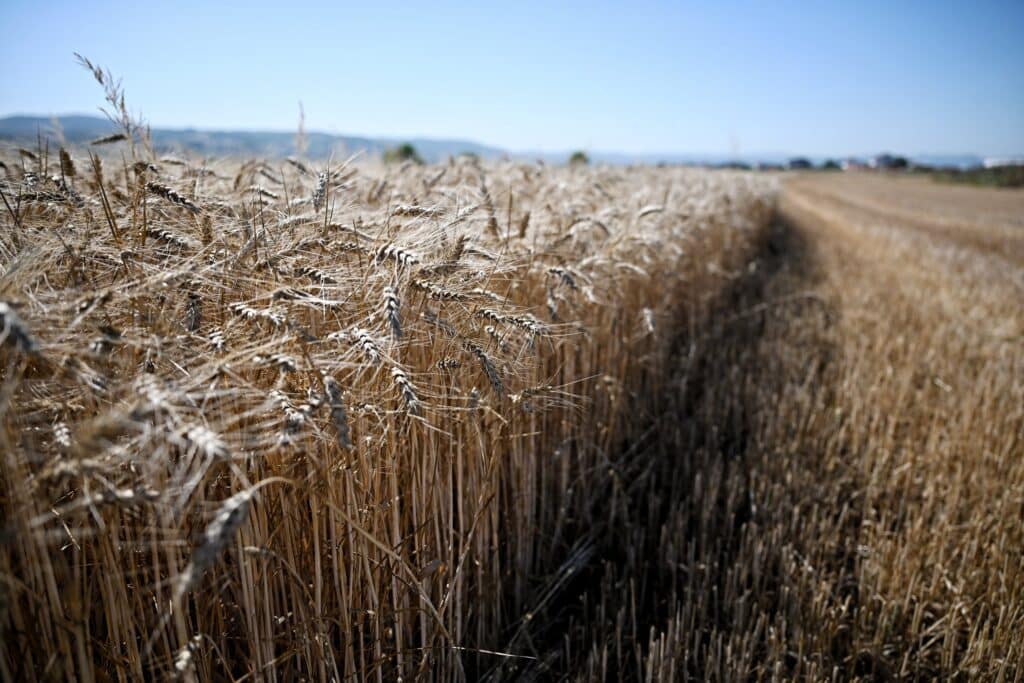
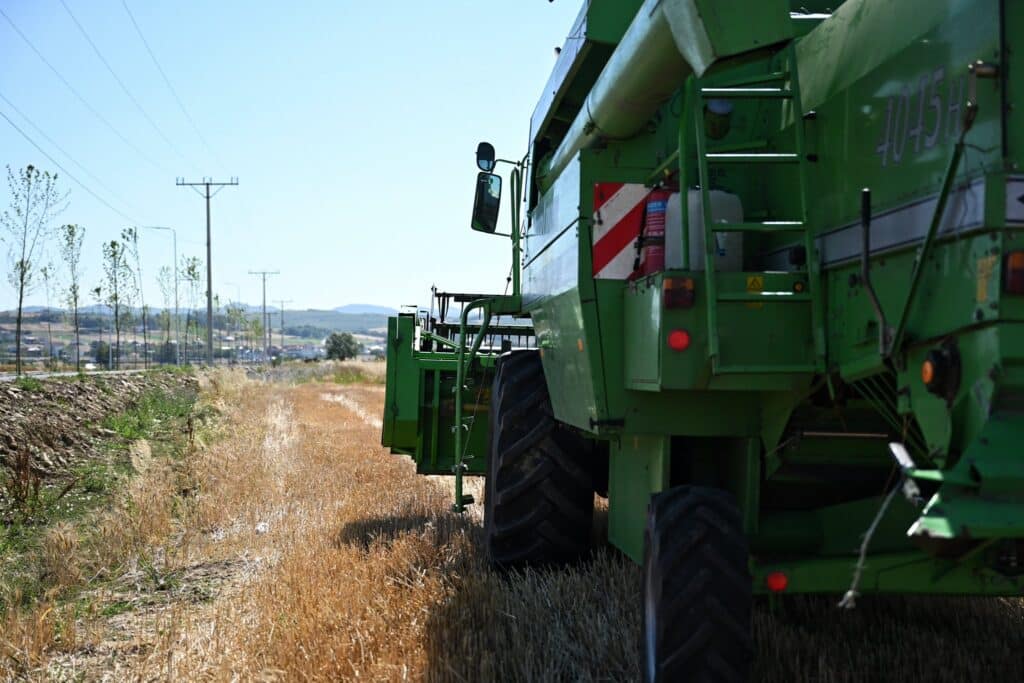
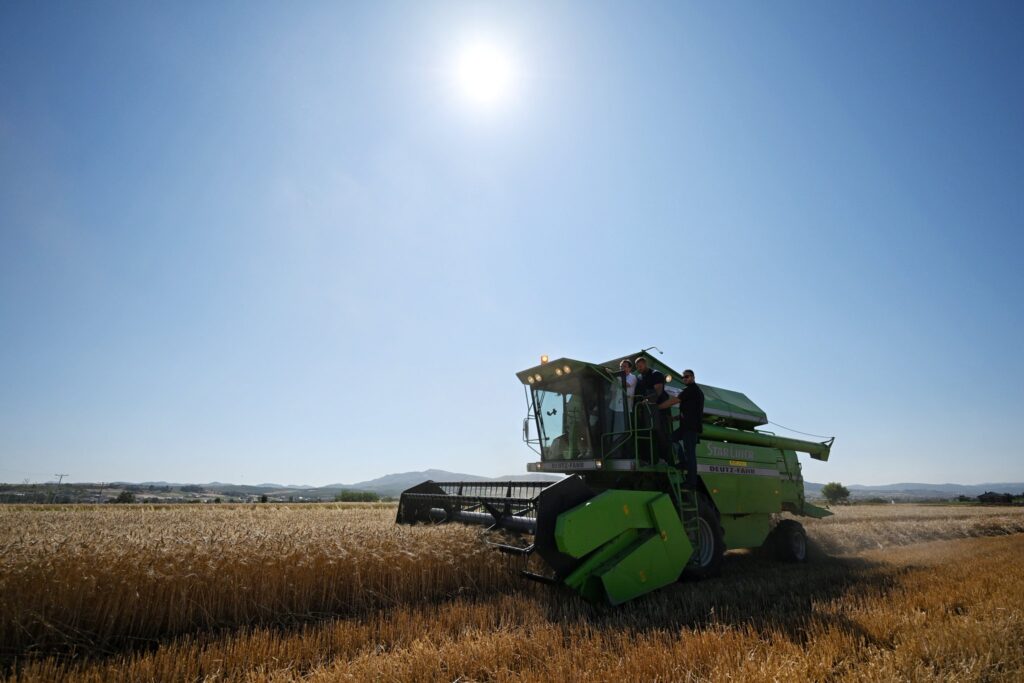
Today, the Acting Prime Minister of the Republic of Kosovo, Albin Kurti, visited farmer Malësor Sejdiu, where he observed firsthand the grain harvest campaign in the Municipality of Podujeva.
Describing him as an excellent example of hard work, dedication and vision, Prime Minister Kurti said that Sejdiu is a model demonstrating that through serious investment, long-term planning and institutional support, Kosovo’s agriculture is moving in an increasingly modern and competitive direction.
“This year, a total of more than 75,000 hectares have been planted with cereals in the Republic of Kosovo, of which nearly 72,000 hectares are under wheat cultivation. Based on field conditions and climatic factors, we expect average yields of between 4 and 5 tonnes per hectare, while the harvesting process is expected to be completed by the end of July or, in the event of rainfall, may continue into the first week of August in certain parts of Kosovo,” said Acting Prime Minister Kurti.
He further added that the 2026 subsidy package brings significant increases in support for other strategic sectors as well.
“For the first time, we have introduced additional support of €100 for the first hectare of every farm, €100 per hectare for fertilizer, €54 per hectare for fuel, as well as €500 in support for young men and women aged 18 to 29 who register for direct payment schemes for the first time,” said the Prime Minister.
Full statement by Acting Prime Minister Kurti:
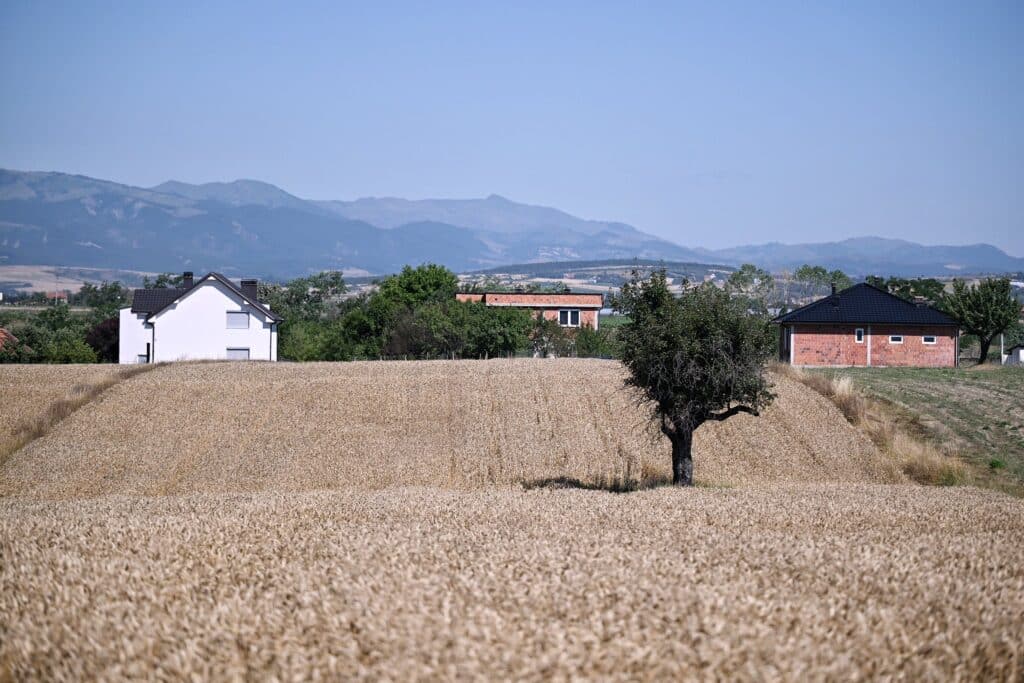
We are here with Malësor Sejdiu, together with representatives of the central government and the local authorities in Podujeva, in Malësor’s 140-hectare wheat field. His hard work, dedication and approach are an excellent example that we would like to see throughout Kosovo. He is a model demonstrating that through serious investment, long-term planning and institutional support, our agriculture is moving in an increasingly modern and competitive direction.
This year, a total of more than 75,000 hectares have been planted with cereals in the Republic of Kosovo, of which nearly 72,000 hectares are under wheat cultivation. Based on field conditions and climatic factors, we expect average yields of between 4 and 5 tonnes per hectare, while the harvesting process is expected to be completed by the end of July or, in the event of rainfall, may continue into the first week of August in certain parts of Kosovo.
However, here with Malësor we learned that the average yield per hectare is around 6 tonnes, meaning that it is above the national average for Kosovo.
Last year’s results give us confidence. Last year, more than 78,000 hectares were harvested, an average yield of 4.8 tonnes per hectare was achieved, and nearly 380,000 tonnes of wheat were produced. These results demonstrate both the great potential of our agriculture and the tireless work of our farmers.
These results do not happen by chance. They are the result of the commitment of our farmers and of policies that give them the confidence to invest. It is precisely for this reason that this year we speak of a good season and of a new model for supporting farmers.
With the Administrative Instruction on Direct Payments 2026, we have established a modern, fair and incentive-based system that supports not only cultivated land, but also production, quality, young farmers, small farms and sustainable production practices.
This instruction will enable even better planning and better alignment of the agricultural work calendar.
For wheat producers, this means a basic payment per hectare, additional support for wheat production, support for the first hectares of each farm, and incentives for farmers who achieve high yields and deliver production in accordance with the criteria of the Direct Payments Programme. The subsidy package for 2026 also brings significant increases in support for other strategic sectors.
Accordingly, support for the vegetable sector has been increased by 30%, raising subsidies to up to €1,054 per hectare for vegetables grown in open fields or greenhouses. Support for land planted with fruit trees has also been increased by 30%.
Support has been increased by 20% for high-yield wheat, raspberries, potatoes, beans, breeding heifers and calves for fattening — in other words, in livestock farming as well as in agriculture. For vineyards, support has been increased by 10%, while the subsidy of 7 cents for every liter of delivered milk continues.
For the first time, we have introduced additional support of €100 for the first hectare of every farm, €100 per hectare for fertilizer, €54 per hectare for fuel, as well as €500 in support for young men and women aged 18 to 29 who register for direct payment schemes for the first time.
Our objective is clear: more domestic production, higher quality, greater food security, higher incomes for farmers and a more competitive agricultural sector.
I thank farmer Malësor for his hospitality, congratulate him on the great work he is doing and on his extraordinary contribution. Malësor is living proof of the fulfillment of our well-known saying: “More bread on our table from our own land.”
Thank you very much, Malësor; thank you, Fahri!