Prishtina, 26 November 2025
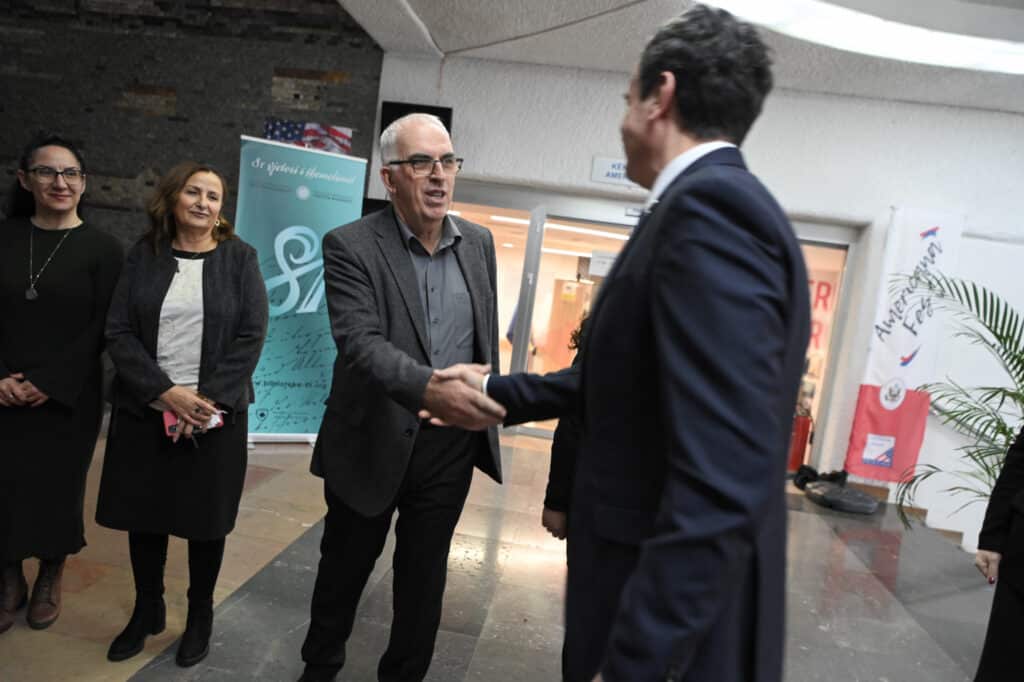
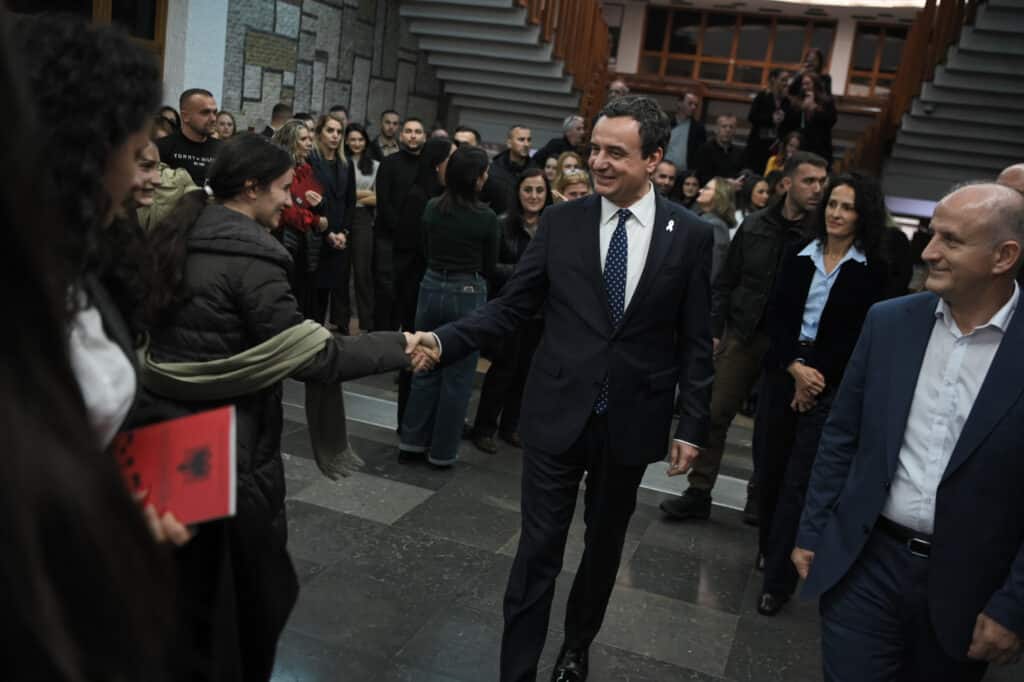
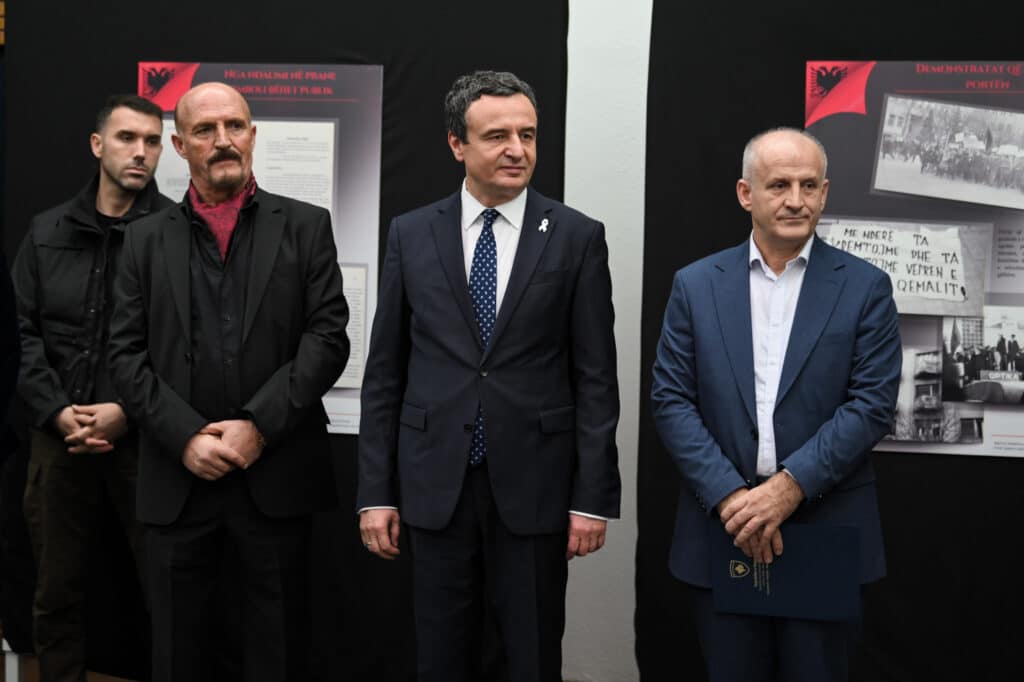
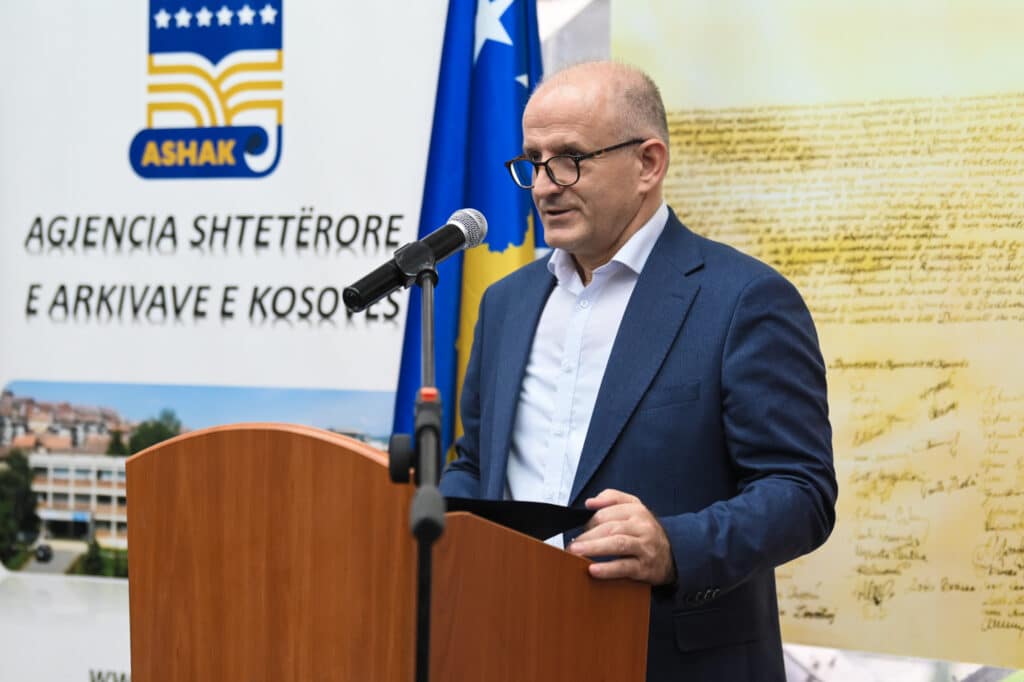
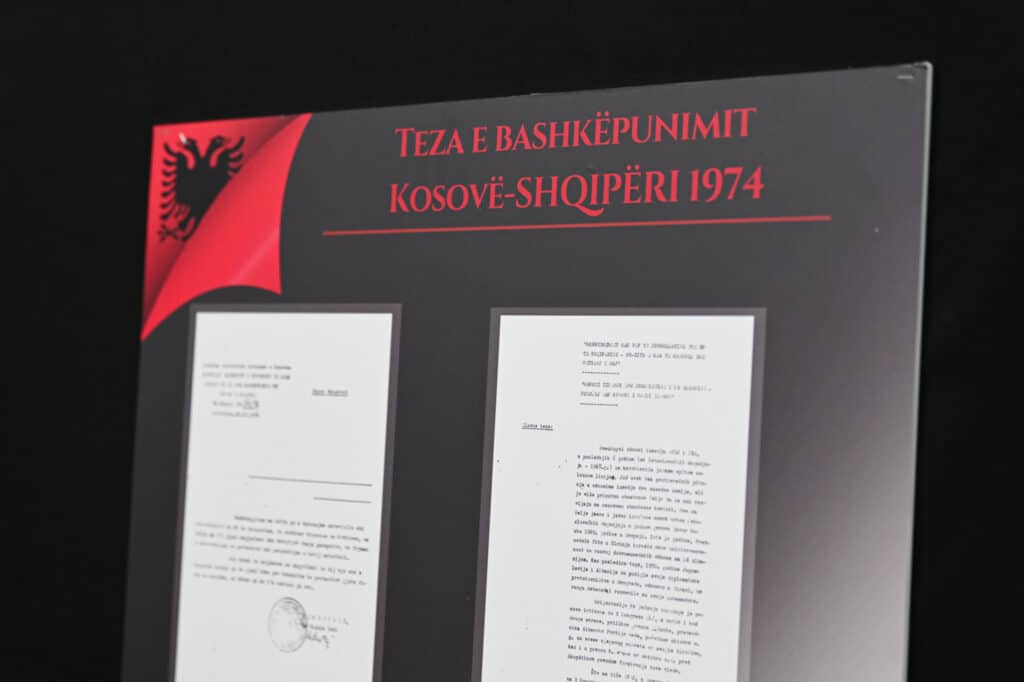
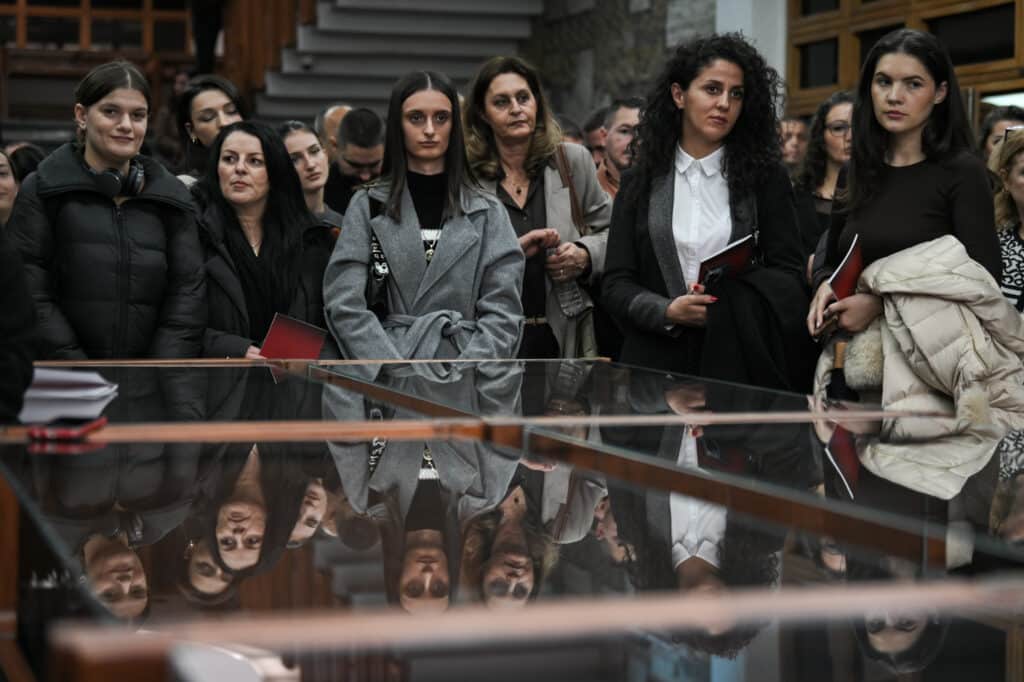
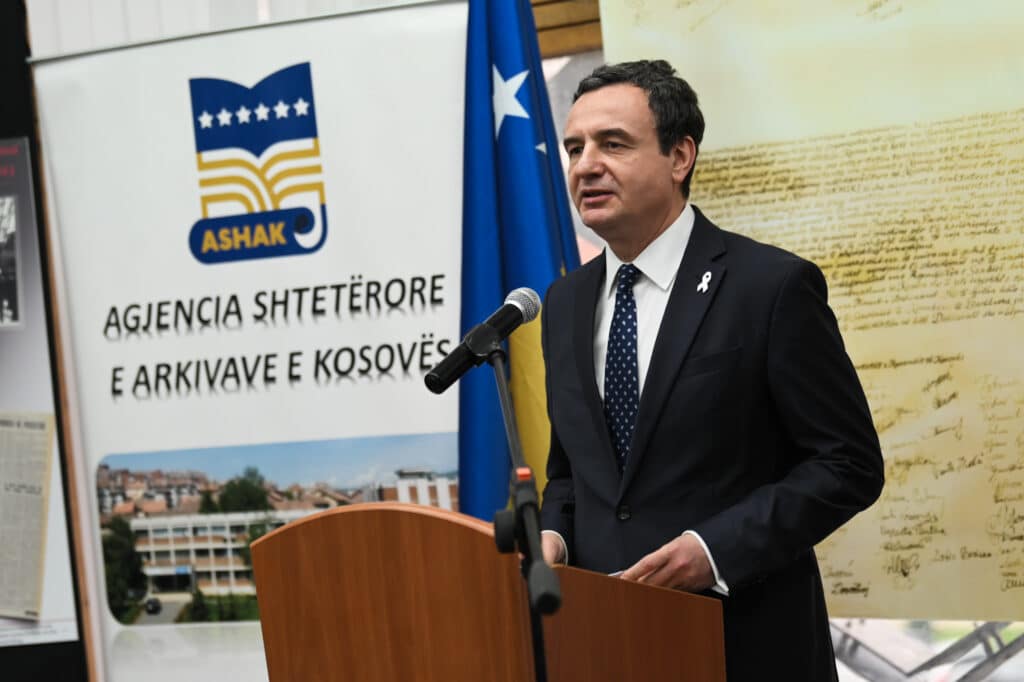
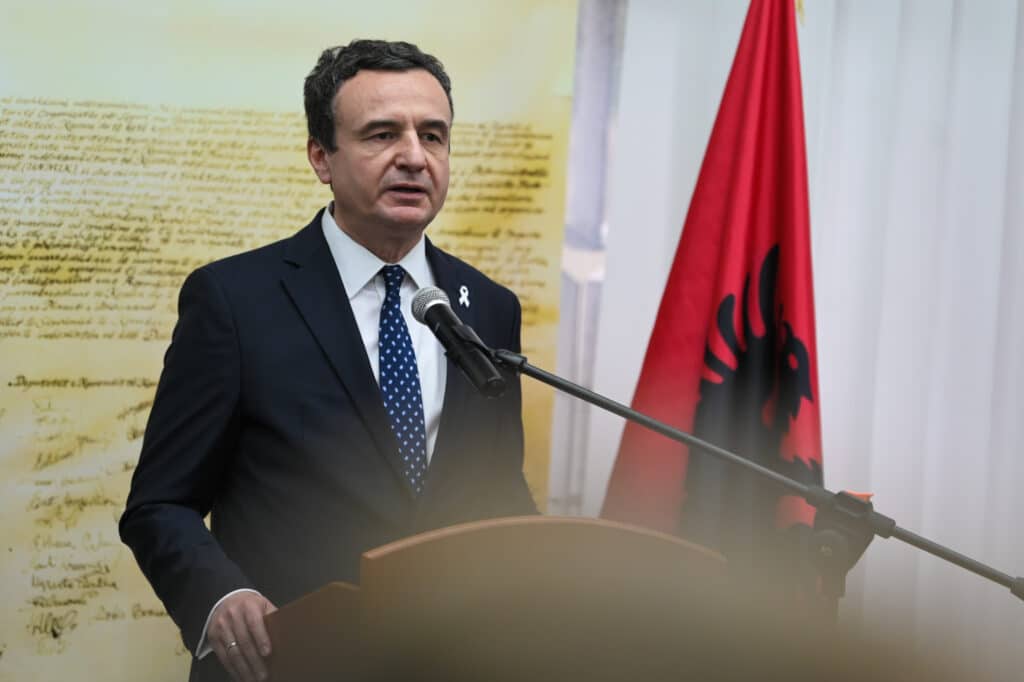
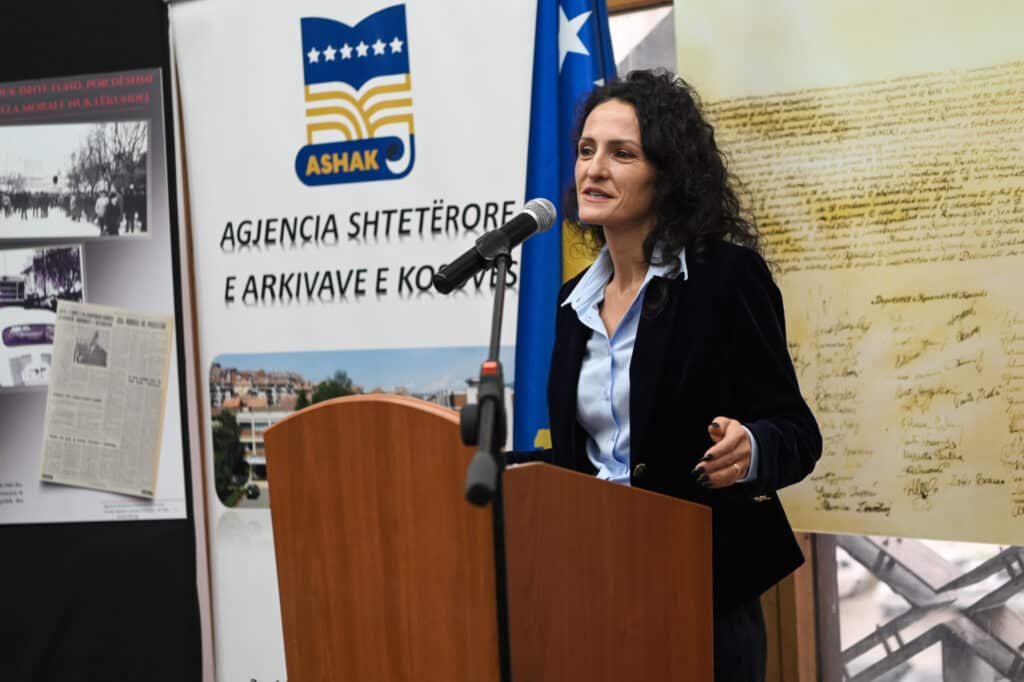
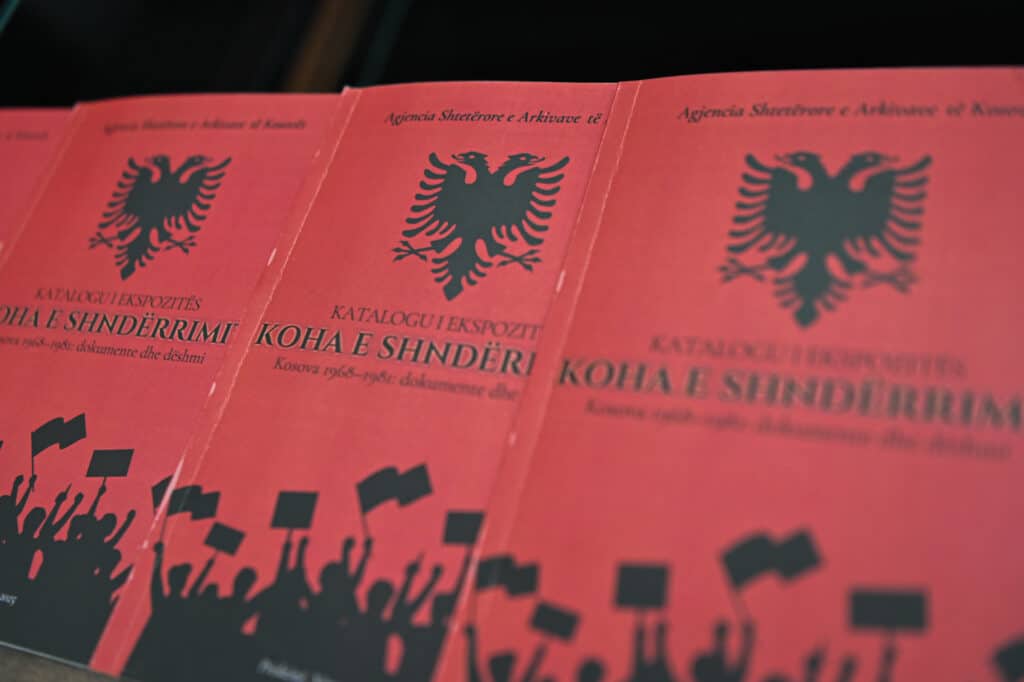
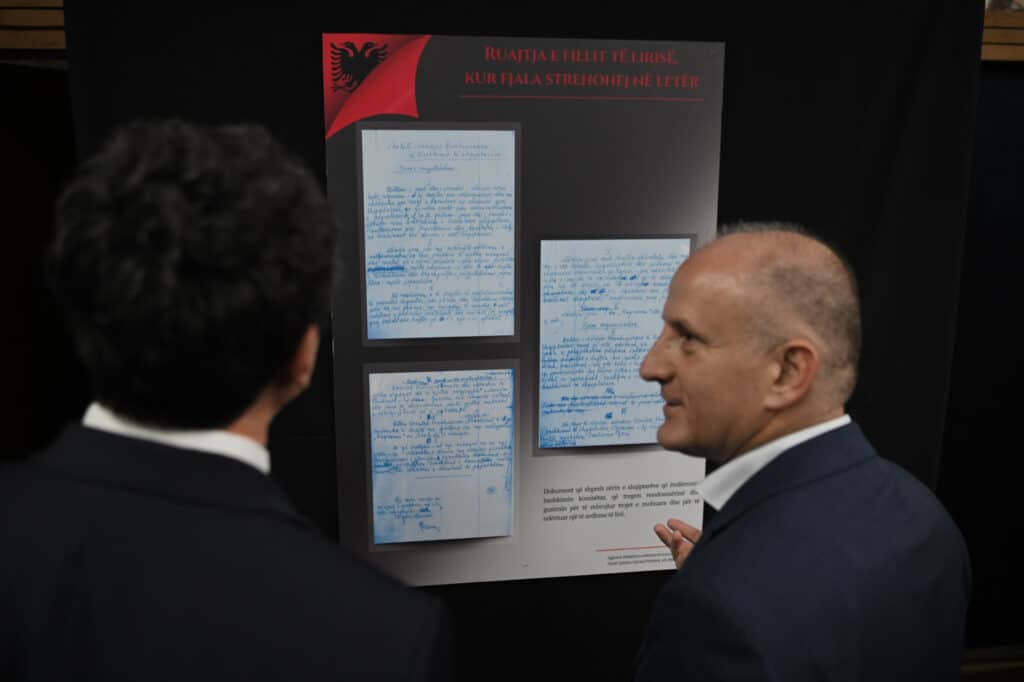
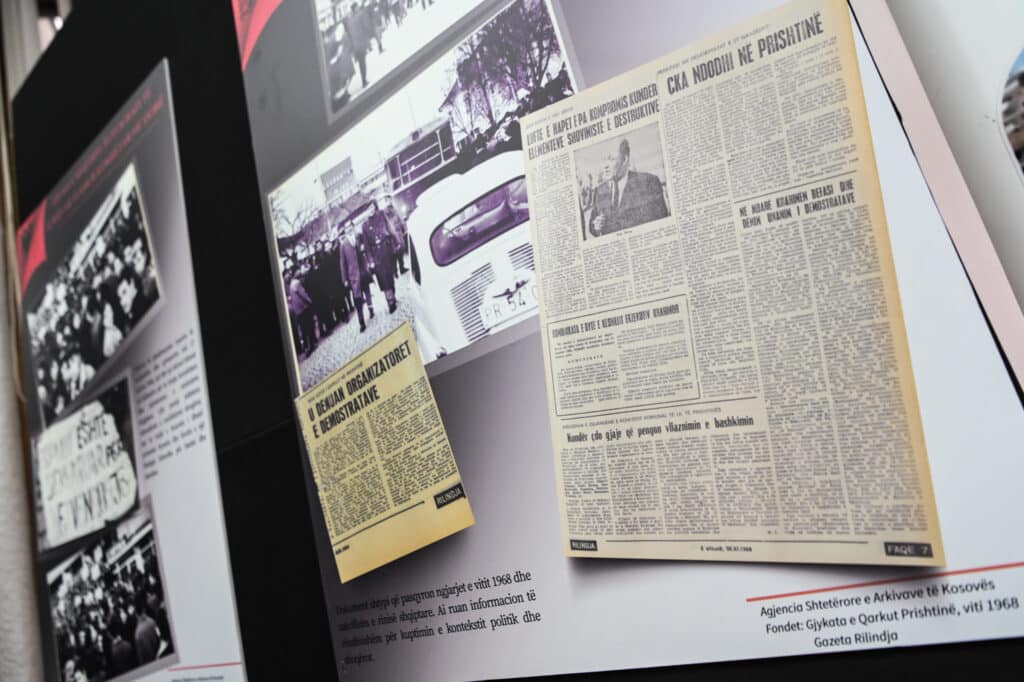
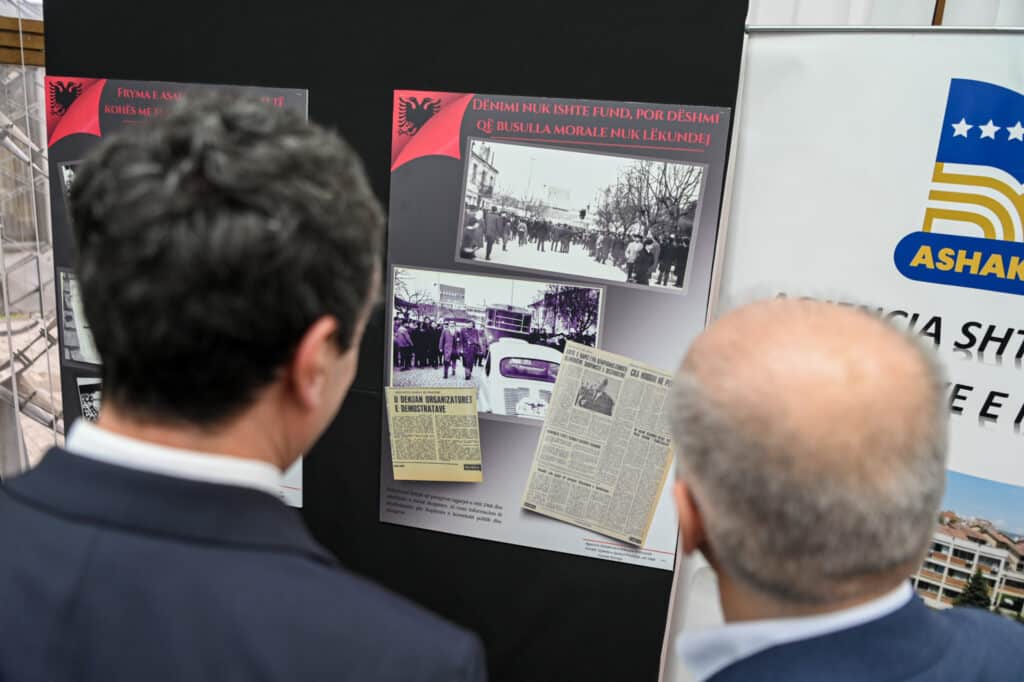
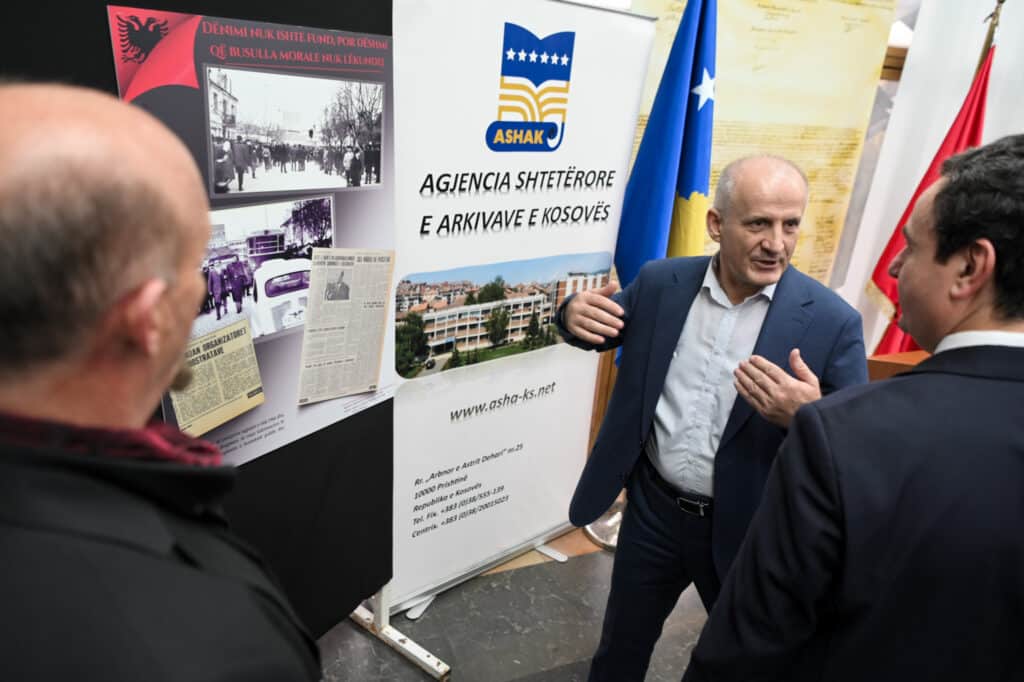
The Acting Prime Minister of the Republic of Kosovo, Albin Kurti, attended the opening of the exhibition The Time of Transformation – Kosovo 1968–1981, documents and testimonies, organized by the State Agency of Archives of Kosovo, which is being held at the National Library.
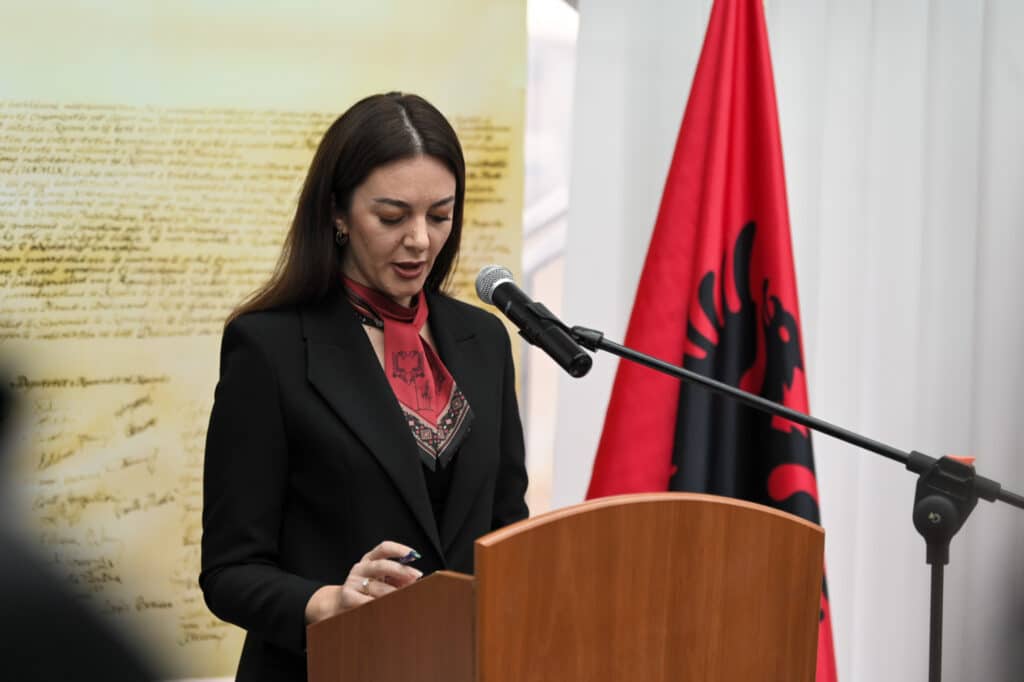
In his address to those present, Prime Minister Kurti said that just as the title of the exhibition suggests, so too was the period from 1968 to 1981—a period of transformation. During this time, Albanian youth, just like the demonstrators in Prague who opened the way to a new chapter of liberalization, and like those in Paris, where a student movement grew into a social revolution, rose up in protest demanding freedom and their rights, and above all chanting “University” and “Self-Determination”.
The demonstrations of 1968, the Prime Minister continued, paved the way for the advancement of cultural and political rights of Albanians in Yugoslavia, but they also gave rise to a whole generation of steadfast activists, many of whom ended up in prison, such as Adem Demaçi and Rexhep Mala.
He said that although the years following the 1974 Autonomy—through which Kosovo was elevated to the level of an autonomous and constituent province of the Yugoslav federation—seemed prosperous and calm, they collapsed under the weight of repression, exploitation, and discrimination. Even though economic development gained momentum, inequality deepened, and the under-representation of Albanians in Kosovo persisted.
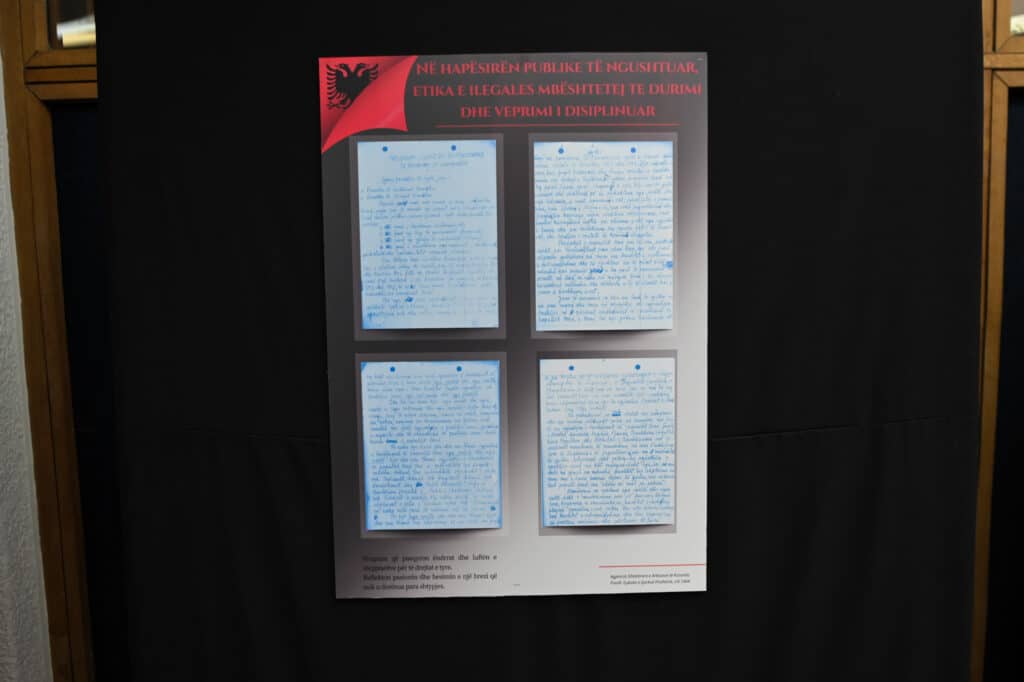
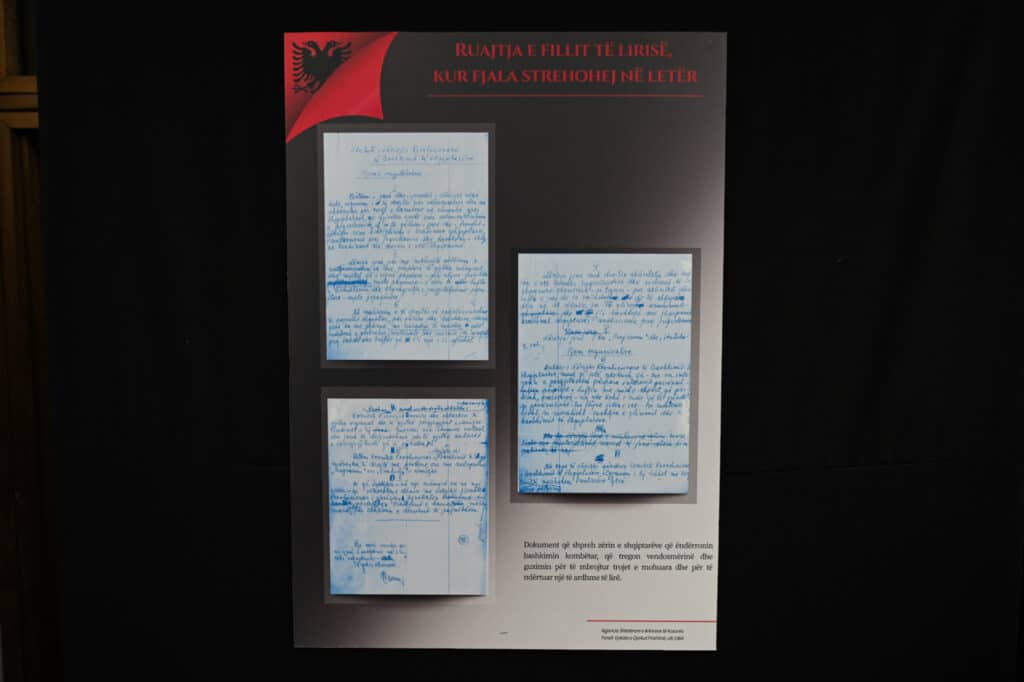
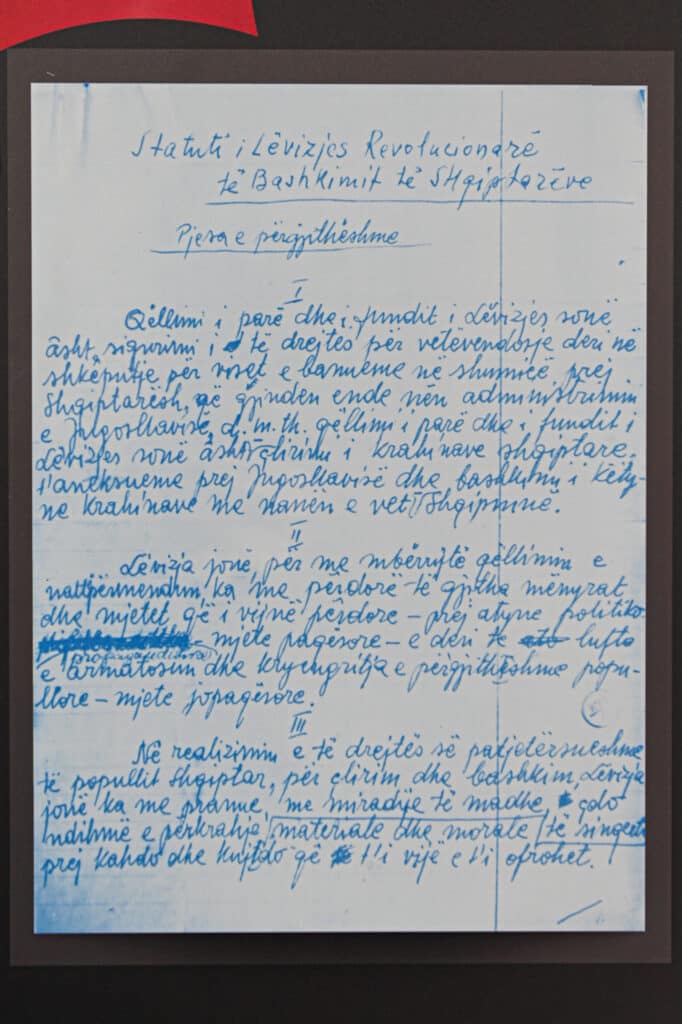
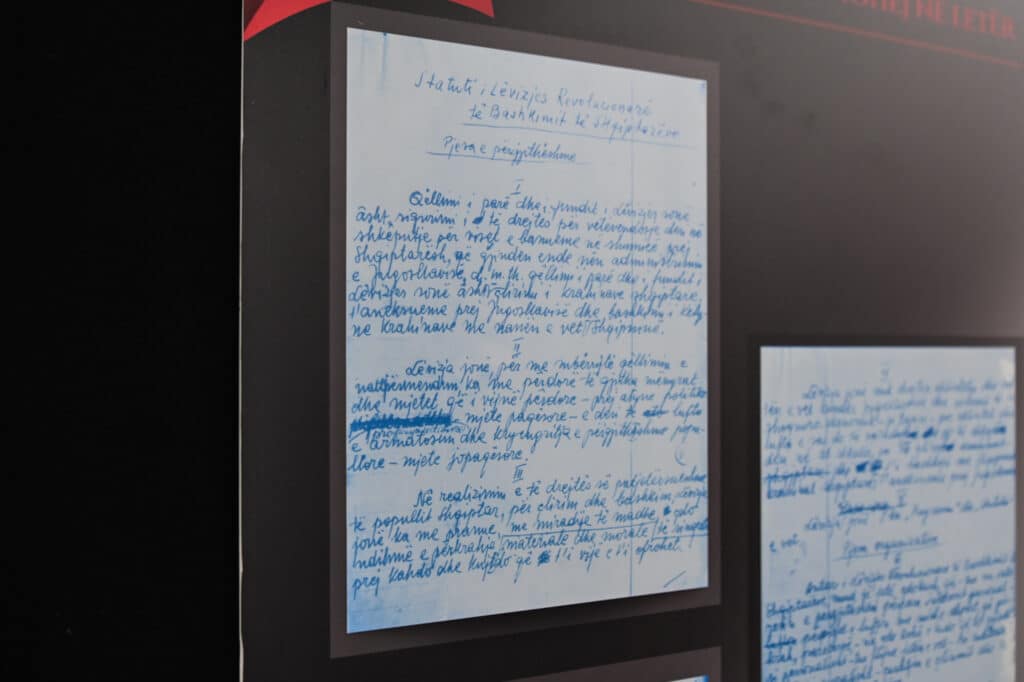
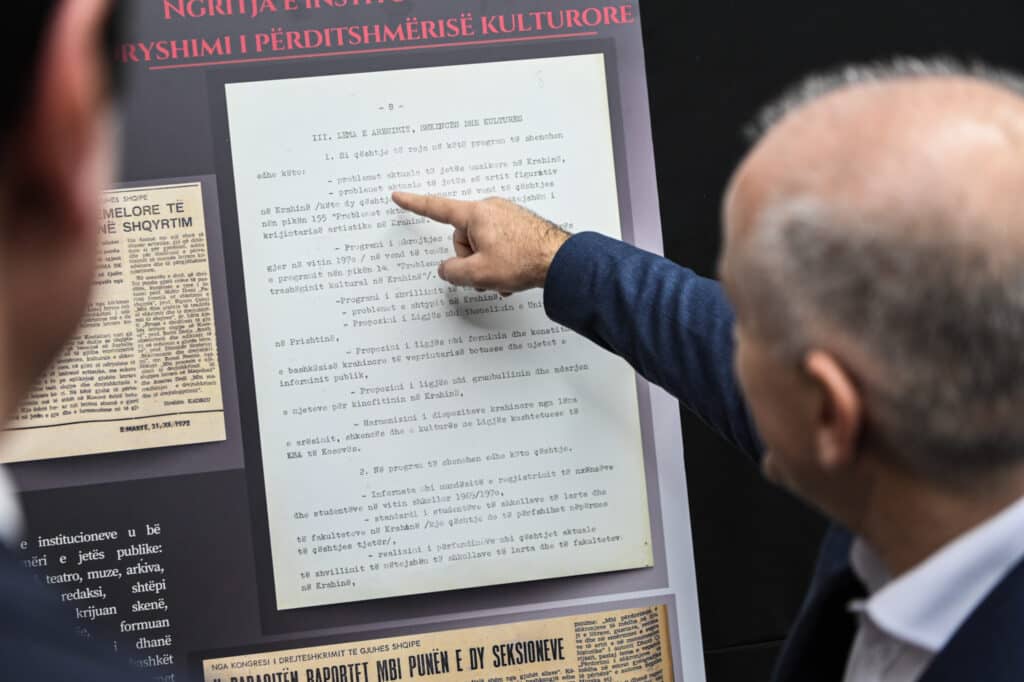
In the spring of 1981, during March and April, first the students of the University of Prishtina and then workers and the wider population rose in a series of protests, marking another pivotal event in Kosovo’s modern history. Prime Minister Kurti added that the history of these years and this transformation can be read in the documents displayed here, among those selected by the State Agency of Archives of Kosovo.
Looking at these documents, the Prime Minister emphasized how important it is to invest in our archival institutions—in infrastructure and technology—as well as in cultivating a culture of archiving as an institutional tradition. The archives of our state not only show what the past looked like through documents, recordings, and footage; they also encourage our society to keep more records and to document more for those who will come after us, just as those before us did for our generation, he said.
At the end of his speech, Prime Minister Kurti said that by properly studying and understanding where we come from, we know how to move more rightly, faster, and more clearly toward the path we have set. Therefore, the archives of our state not only reveal our past but also inspire our society to document more for the future, for the generations to come.
He called on all citizens to visit the exhibition, because they will find things that will help them know more and learn even better.
Full Speech of Prime Minister Kurti:
Honourable Director of the National Library, Ms. Blerina Rogova Gaxha,
Honourable Director of the State Agency of Archives of Kosovo, Mr. Bekim Aliu,
Distinguished professors and students,
Ladies and gentlemen,
Honored attendees,
As this exhibition is titled, “The Time of Transformation”, such indeed was the period from 1968 to 1981. These two years, ’68 and ’81, are key and transformative years in Kosovo’s political history. In the spring of 1968, when the streets of Prague—then the capital of Czechoslovakia—filled with demonstrators opening the way to a chapter of liberalization, and when further west the youth of Paris also flooded the streets in the May ’68 movement which grew from a student movement into a social revolution, at that same moment Albanian youth here in Prishtina, the capital of Kosovo, rose in protest demanding freedom and their rights and chanting “University” and “Self-Determination”.
The demonstrations of 1968 opened the way for the advancement of Albanians’ cultural and political rights in Yugoslavia. But, on the other hand, they were also an event from which a whole generation of steadfast activists was born, many of whom ended up in prison—such as Adem Demaçi and Rexhep Mala.
The years that seemed calm and prosperous for Kosovo after the 1974 Autonomy—which elevated Kosovo to the level of an autonomous and constituent province of the Yugoslav federation—collapsed as a result of repression, exploitation, and discrimination. Although economic development gained momentum, inequality deepened, and the under-representation of Albanians in Kosovo continued.
In the spring of 1981, during March and April, first the students of the University of Prishtina and then the workers and the broader population rose in a series of protests which marked another pivotal event in Kosovo’s recent history.
Just like the demonstrations of 1968, the demonstrations of 1981 created their own generation of political and patriotic activists, many of whom likewise ended up as political prisoners for many years.
The history of these years and this transformation is readable in the documents displayed here before us. Among these documents selected by the State Agency of Archives of Kosovo, we certainly find materials that tell our true history, but at the same time also reveal the suppression of our history during that period. Thus, we are presented with a layered documentation of the past in this exhibition: on one hand our history, and on the other that history as it was forbidden to earlier generations to learn as such.
It is known that by studying and understanding where we come from, we know how to move more rightly, faster, and more clearly toward where we are headed. Therefore, although we had a suppressed history, today it blooms precisely in the Archives of Kosovo, and not only in our independent state and democratic republic. By looking at these documents, we see how important investment is in our archival institutions—in infrastructure and also in technology—and at the same time in nurturing a culture of archiving as an institutional tradition. The archives of our state not only show what the past was through documents, recordings, and footage; they also encourage our society to keep more notes and to document more for those who will come after us, just as those before us did for our generation. Every document, every photograph, every audiovisual recording produced by public institutions, and certainly also by private individuals—every written material, official or not, that shows the legal or illegal aspects of this 13-year period, ’68–’81—constitutes archival material to be examined, on the one hand by our institutions and on the other by our researchers, who thereby gain highly valuable material for further study. Only when we see these documents of the past do we become aware of the importance of today’s documents, which must be preserved for the future, for the generations to come, and for our history as the state of Kosovo and as the Albanian nation.
I thank all of you for being present here, and allow me—while thanking the Archives and the Library—to call on all citizens to visit this exhibition, because on one hand they will learn what they already know, but there is a very good chance they will also see things that will make them know more and understand even better.
Thank you!