Prishtina, 18 November 2026
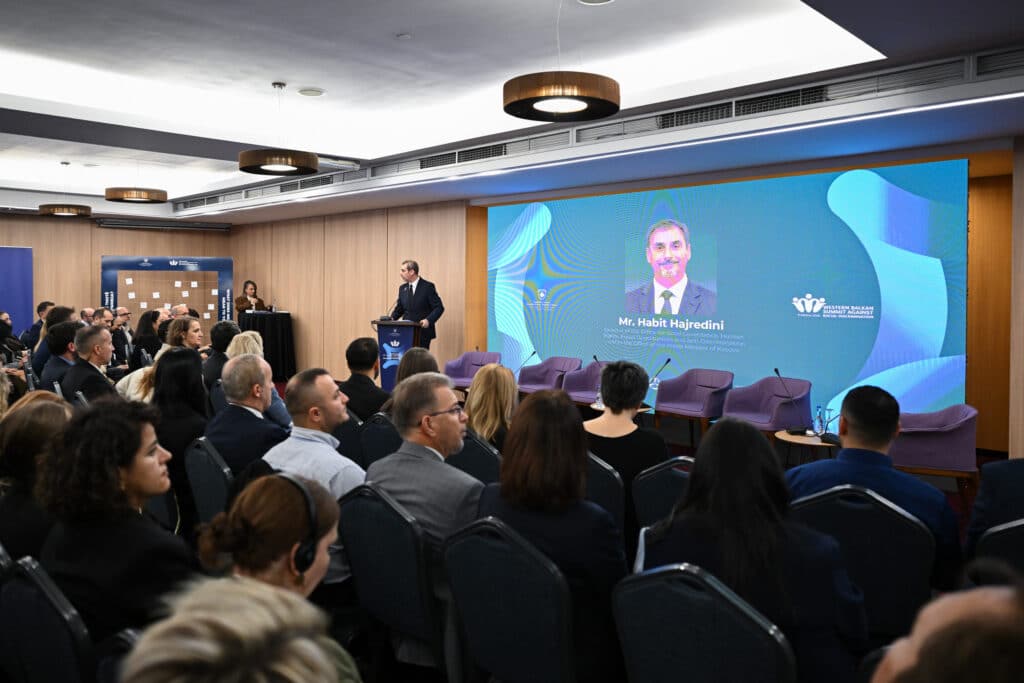
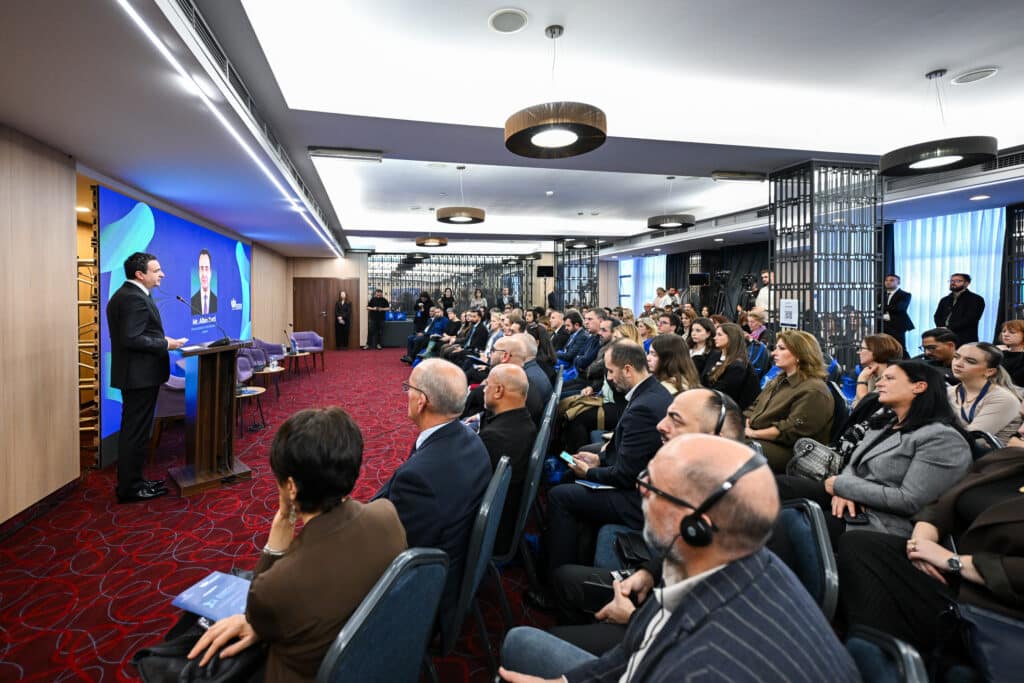
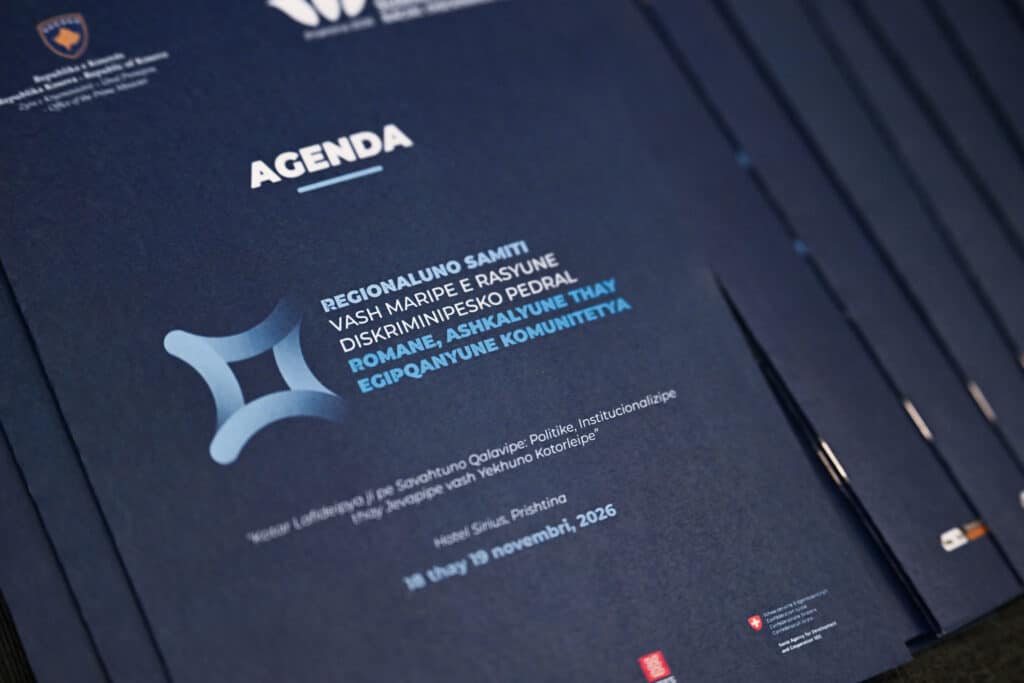
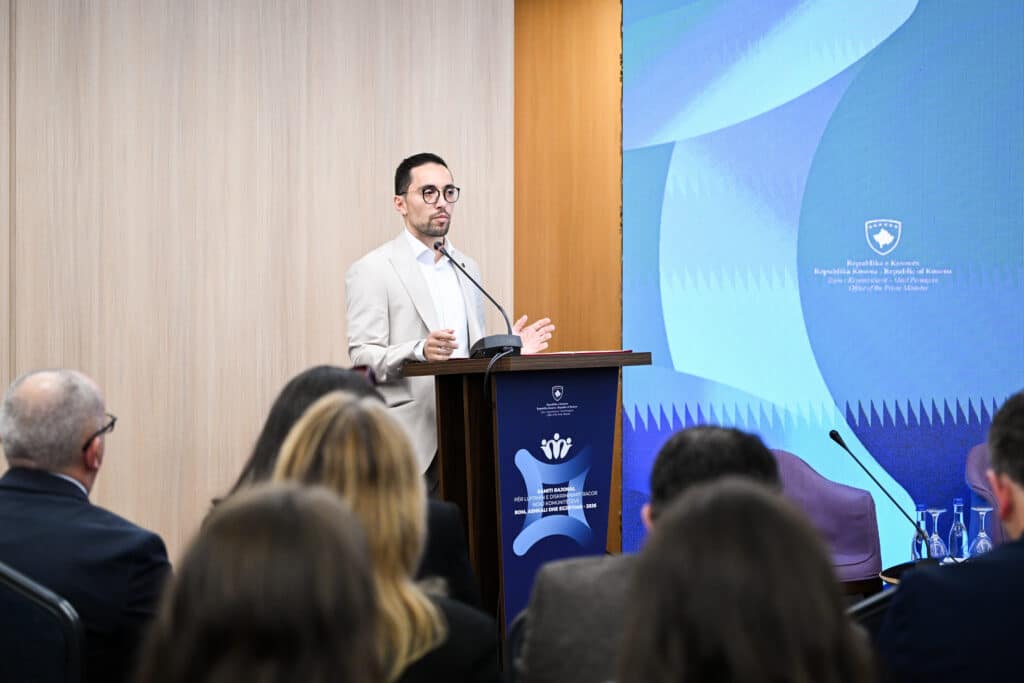
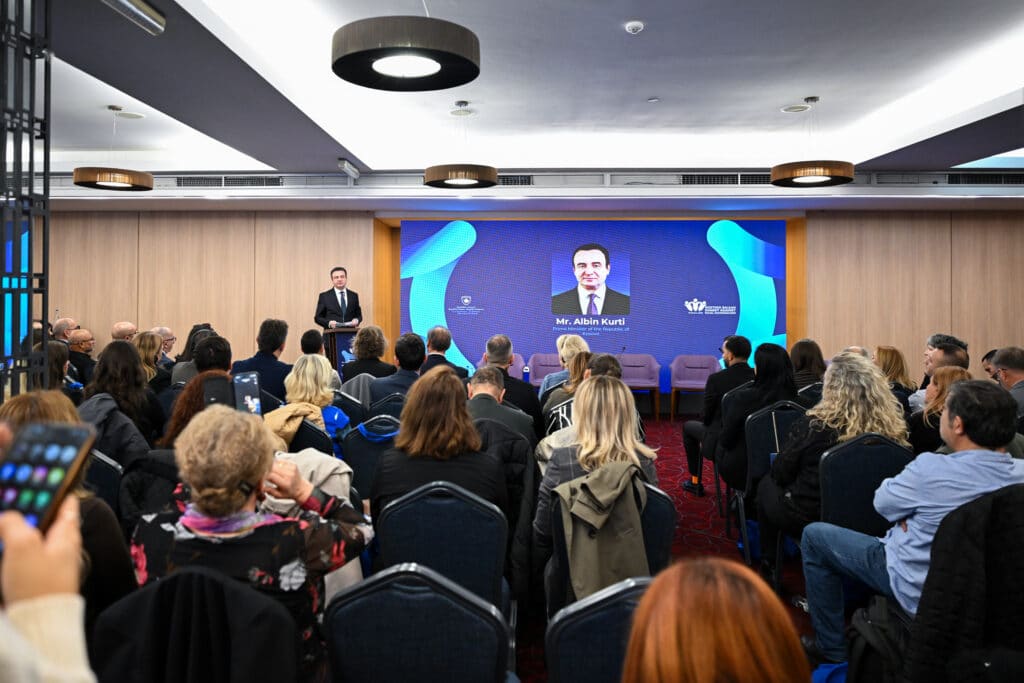
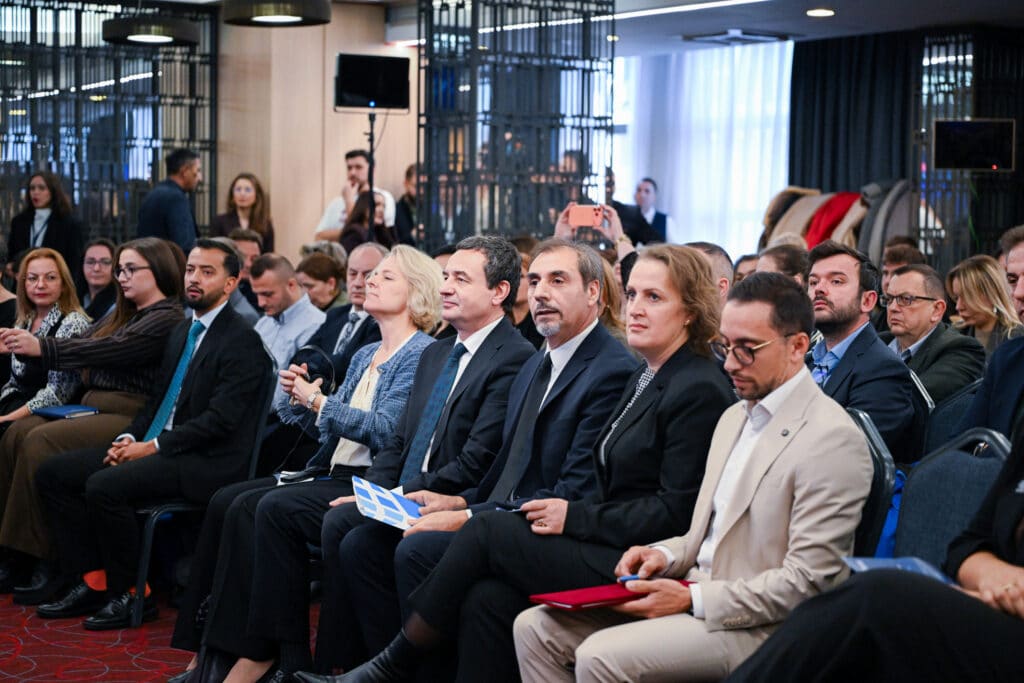
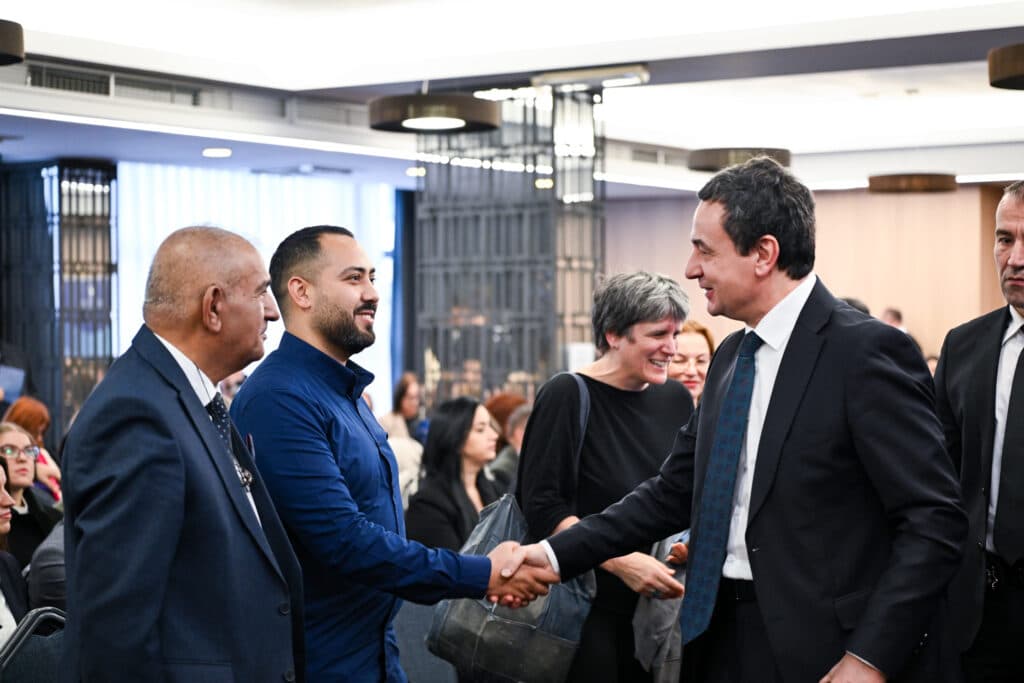
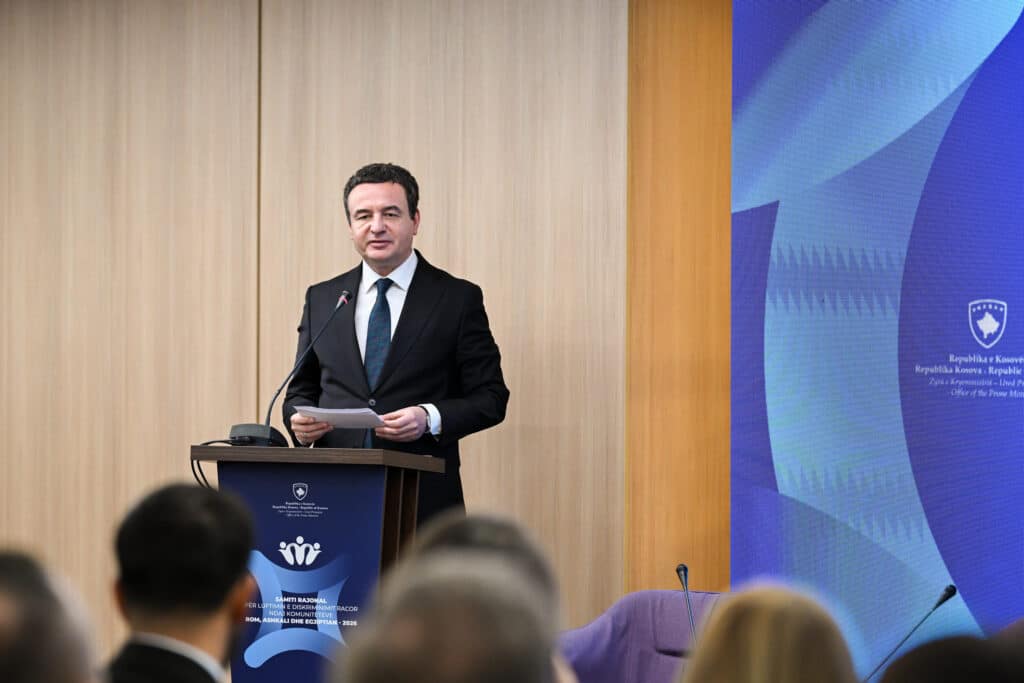
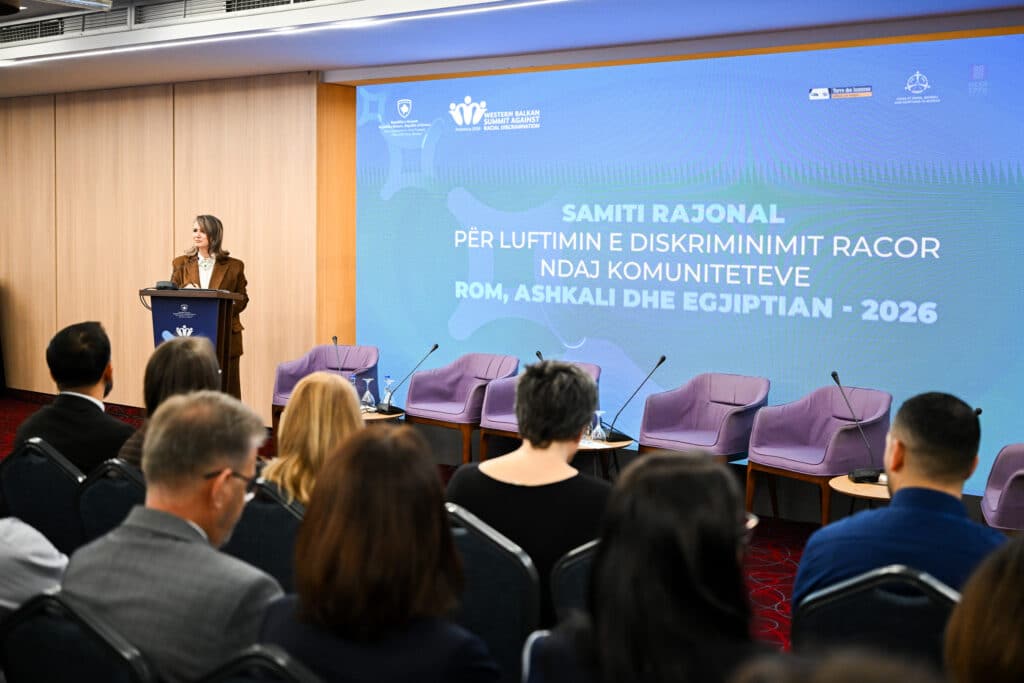
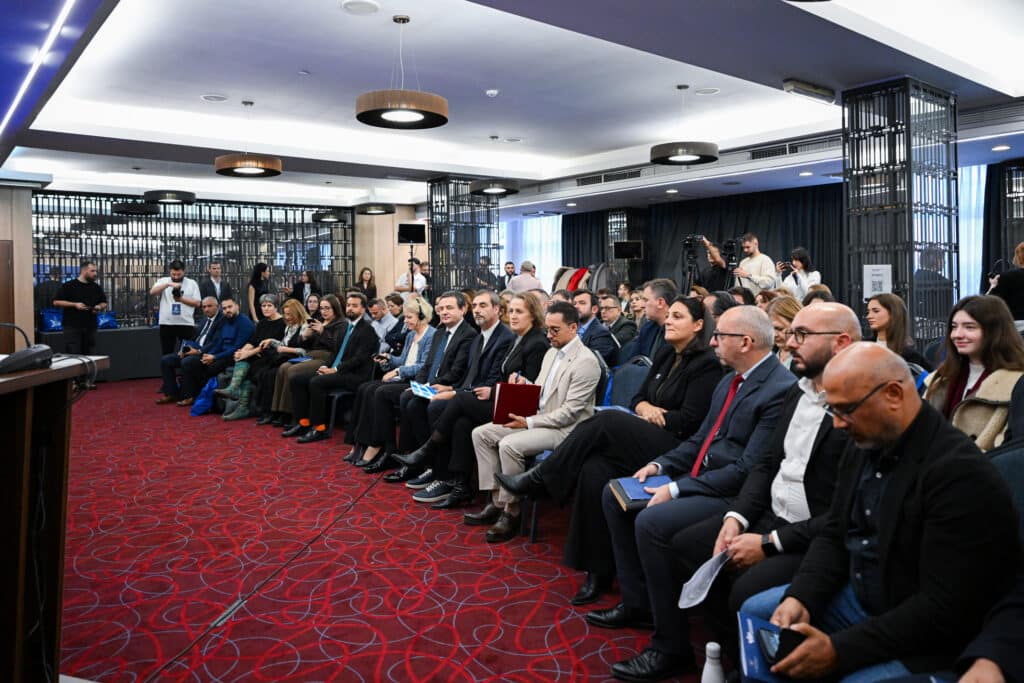
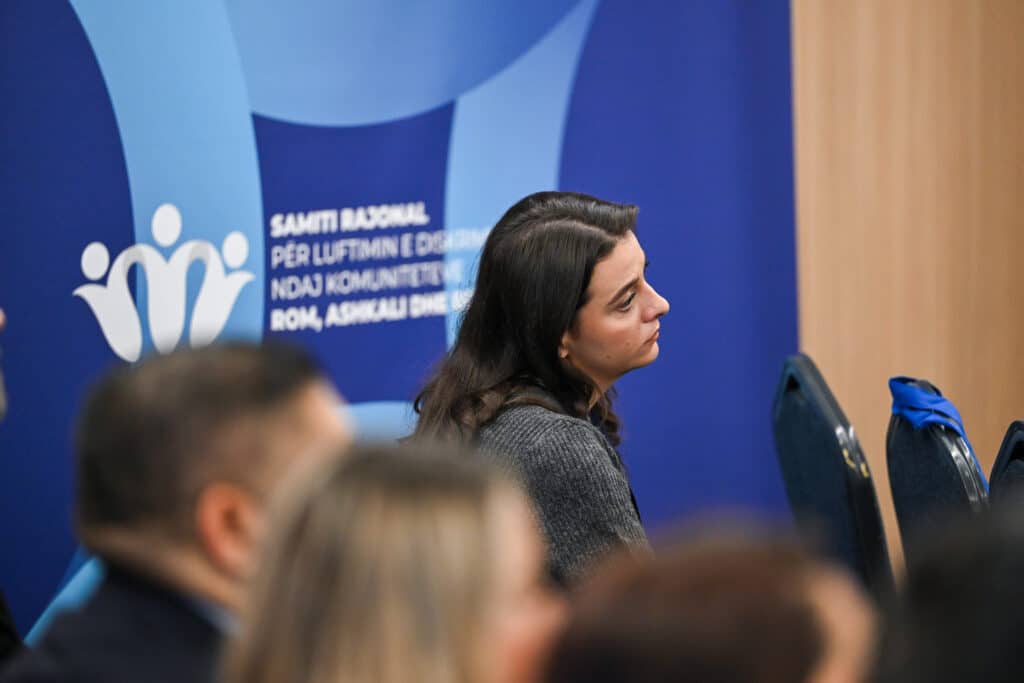
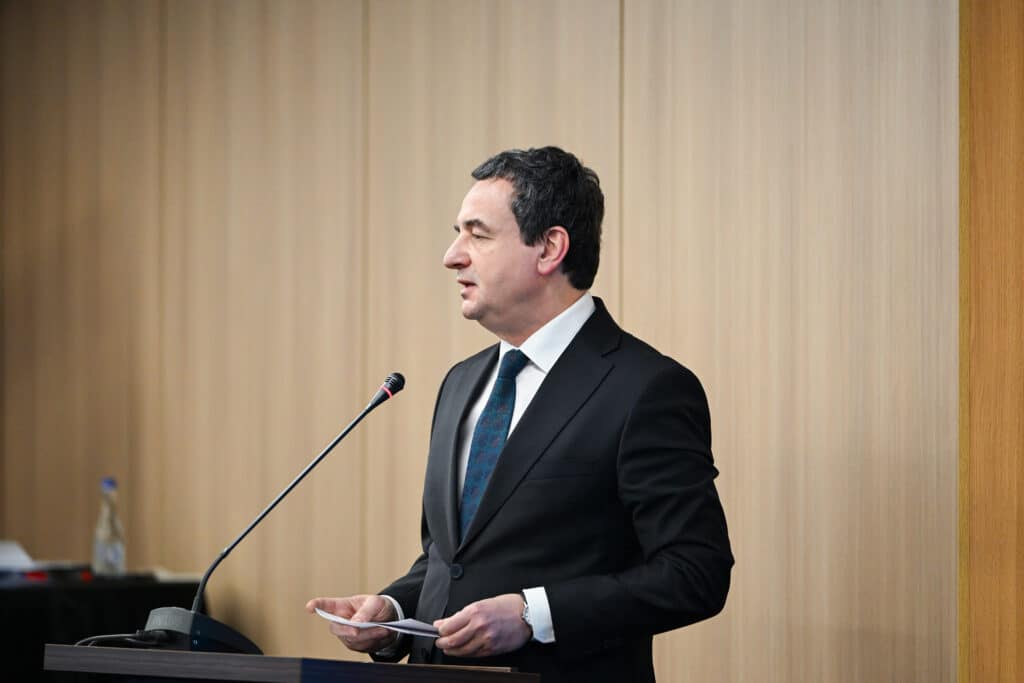
The Prime Minister of the Republic of Kosovo, Albin Kurti, opened the Regional Summit on Combating Racial Discrimination against Roma, Ashkali and Egyptian Communities, organised by the Office for Good Governance of the Office of the Prime Minister.
In his opening remarks at the summit, an event that brings together representatives of institutions, civil society organisations and communities from Kosovo and the region every year with the shared aim of preventing and combating racial discrimination, Prime Minister Kurti said that the summit was evidence of an ongoing commitment to equality, justice and human dignity, as well as to sustained efforts in this regard.
Emphasizing that Roma, Ashkali and Egyptian communities are an integral part of our history, culture and society, he highlighted that their contribution is part of Kosovo’s past, as well as the present and future of our Republic.
“The inclusion of communities is a matter of citizens’ rights and the state’s responsibilities, not a privilege or favor that may be extended to anyone. This is because rights are not granted as gifts. They belong to everyone and are guaranteed. Opportunities should not be reserved for some. They should be created and safeguarded for all,” Prime Minister Kurti said, adding that during his Government’s tenure, efforts had been made to ensure that equality did not remain merely a constitutional principle on paper and in laws, but was put into practice every day in schools, workplaces, institutions and the homes of our citizens.
Highlighting the Government’s commitment to supporting communities, Prime Minister Kurti said that 477 scholarships, amounting to a total of €190,800, had been awarded to pupils from Roma, Ashkali and Egyptian communities for the 2025–2026 academic year, while 494 scholarships had been awarded to pupils from these communities for the current 2026–2027 school year.
“It is impossible to speak about equal opportunities without also speaking about living conditions. A child needs a quality school, but also a safe home where they can study. Therefore, we consider housing not only a social need, but also a fundamental right and a prerequisite for well-being, security and integration,” he said.
Full Speech by Prime Minister Kurti:
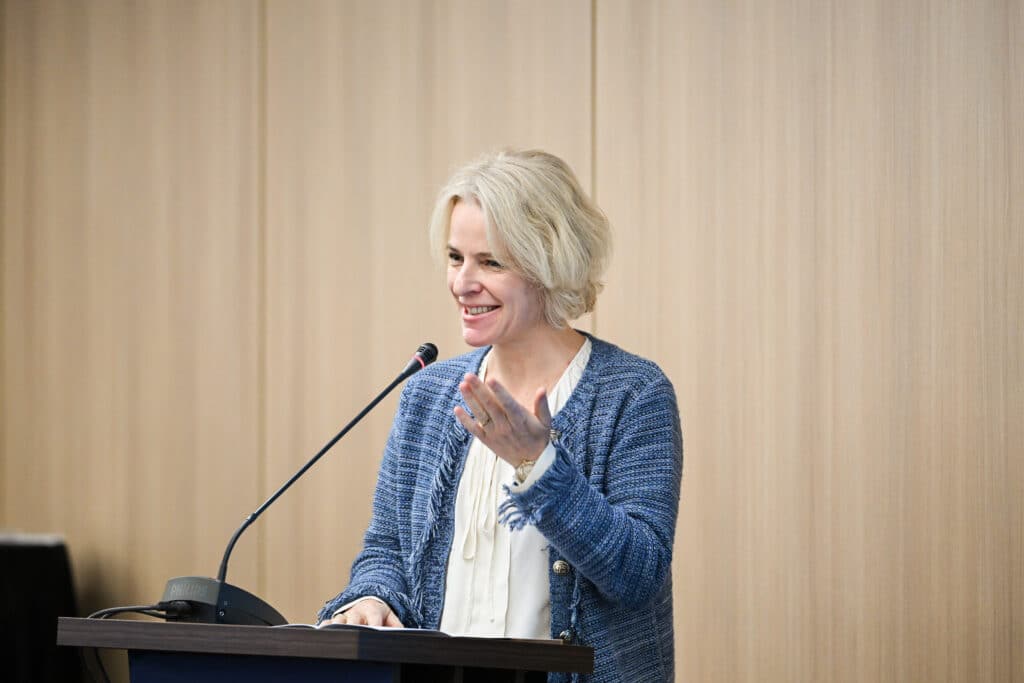
Honourable Ambassador of Switzerland to Kosovo, Ms Anne-Lise Cattin Hennin,
Honourable Deputy Minister of Sport and Youth, Mr Sejnur Veshal,
Honourable Director of the Office for Good Governance, Human Rights, Equal Opportunities and Non-Discrimination, Mr Habit Hajredini,
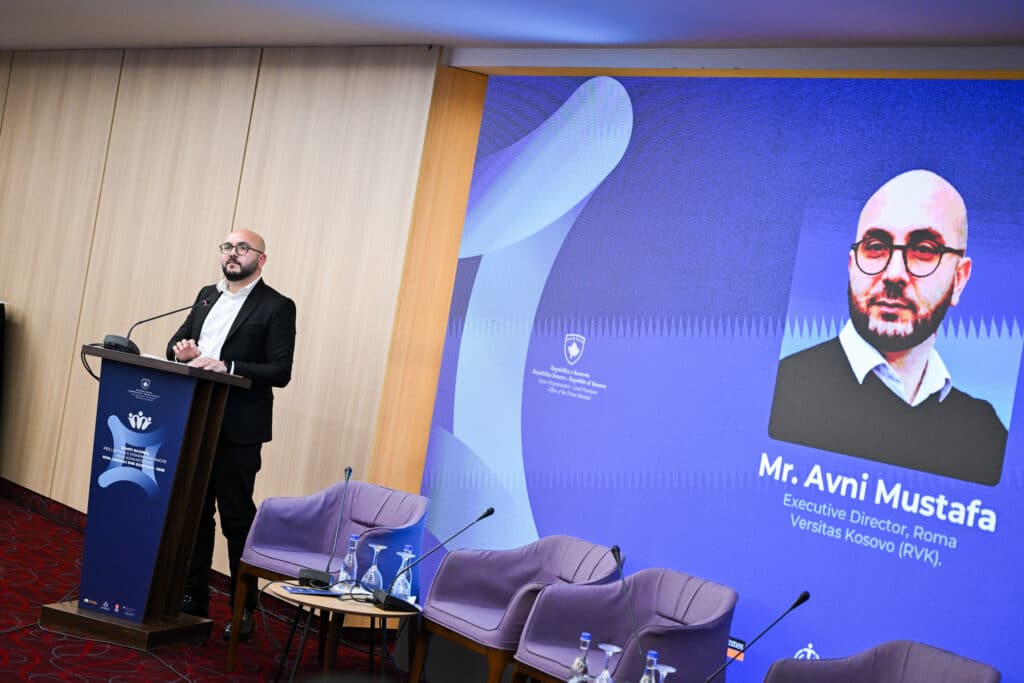
Honourable Executive Director of Roma Versitas Kosova, Mr Avni Mustafa,
Honourable Head of the Terre des Hommes Office in Kosovo, Mr Pajtim Zeqiri,
Distinguished representatives from Albania, Montenegro, North Macedonia and the region,
Distinguished attendees, dear citizens,
I am pleased to once again take part in the opening of the Summit against Racial Discrimination, an event that has now become a tradition, bringing together representatives of institutions, civil society organisations and communities from Kosovo and the region year after year, with the shared aim of preventing and combating racial discrimination.
This Summit is evidence of an ongoing commitment to equality, justice and human dignity, as well as to sustained efforts that continue to grow, because equality is not achieved once and for all. It is built, protected and advanced every day.
Dear attendees,
Roma, Ashkali and Egyptian communities are an integral part of our history, culture and society. Their contribution is part of Kosovo’s past, as well as the present and future of our Republic.
The inclusion of communities is a matter of citizens’ rights and the state’s responsibilities, not a privilege or favour that may be extended to anyone. This is because rights are not granted as gifts. They belong to everyone and are guaranteed. Opportunities should not be reserved for some. They should be created and safeguarded for all.
During our time in government, we have worked to ensure that equality does not remain merely a constitutional principle on paper and in laws, but is put into practice every day in schools, workplaces, institutions and the homes of our citizens. Discrimination is fought by removing the barriers that produce inequality and creating conditions in which every citizen can fulfil their potential.
Perhaps the best evidence that we are fighting for equality for all is the daily reduction of inequality. Therefore, as part of our political and institutional commitment, we have undertaken numerous concrete measures.
According to the report on the implementation of the Action Plan of the Strategy for the Advancement of the Rights of Roma, Ashkali and Egyptian Communities in the Republic of Kosovo for 2022–2026, more than 80% of activities have been fully completed, 11% partially completed, and only 9% remain to be implemented.
Distinguished participants,
Education is one of the most powerful instruments for fighting inequality. Where education is lacking, opportunities are limited. And where opportunities are limited, inequality risks being passed down from one generation to the next. We want to break this cycle. The two main drivers of inequality in society are unequal inheritance and unequal opportunities for education.
For the 2025–2026 academic year, we awarded 477 scholarships to pupils from Roma, Ashkali and Egyptian communities, amounting to a total of €190,800. The value of each scholarship per pupil has increased from €300 to €400 per school year. For the current 2026–2027 school year, 494 scholarships have been awarded to pupils from Roma, Ashkali and Egyptian communities. We have also continued and increased financial support for learning centres, which play an important role in children’s inclusion and success in education.
We have increased the budget for 10 non-governmental organisations managing a total of 54 learning centres to €370,000, up from the previous allocation of €250,000. Through these centres, more than 2,600 children from Roma, Ashkali and Egyptian communities will receive learning support during the current 2026–2027 school year, from first to ninth grade. This is because we believe that no child should have their future limited by the circumstances into which they were born or in which they live.
At the same time, we have drafted teaching materials on the history, culture and traditions of Roma, Ashkali and Egyptian communities, and are working to finalise them. We also plan to review the curricula for the Romani language, which will be followed by the preparation and publication of new textbooks and supplementary materials. This is because, alongside learning about the world, schools should also be places where pupils learn about themselves, their history, language and culture.
Distinguished attendees,
It is impossible to speak about equal opportunities without also speaking about living conditions. A child needs a quality school, but also a safe home where they can study. Therefore, we consider housing not only a social need, but also a fundamental right and a prerequisite for well-being, security and integration.
In this regard, through the Adequate Social Housing Programme and the Affordable Housing Programme, we are creating greater opportunities for families most in need of support.
We have allocated approximately €37 million for the construction of social housing, as well as for the reconstruction and renovation of homes belonging to vulnerable families, including, of course, families from Roma, Ashkali and Egyptian communities.
Because a home means security for the family, stability for parents and opportunities for children. It is where everyday life is built and the future is planned. And we want that future to be safer, more dignified and more equal for everyone.
Dear friends,
Combating racial discrimination is a shared responsibility, because discrimination has consequences not only for communities, but also for society and the state.
While education creates opportunities, employment creates independence, economic independence, dignity and active participation in society. Therefore, the inclusion of Roma, Ashkali and Egyptian communities in the labour market has been and remains one of our priorities.
To promote employment, we have established the Inter-Institutional Team for Promoting the Employment of Roma, Ashkali and Egyptian Communities. We have cooperated with the Police by organising open days to encourage non-majority communities, particularly young people, to become part of security institutions. The number of employees from these communities in the Kosovo Police has increased. Since 2022, when the inter-institutional team was established, 37 additional members of Roma, Ashkali and Egyptian communities have joined, bringing the total number of employees from these communities in the Kosovo Police to 70.
They also hold important positions and responsibilities. In the Kosovo Police, for example, we have a major from the Roma community, a lieutenant from the Ashkali and Egyptian communities, a captain from the Ashkali community, while among the sergeants there are two from the Roma community, two from the Egyptian community and three from the Ashkali community.
Meanwhile, in the Ministry of Defence and the Kosovo Security Force, 25 members of the Ashkali community, 10 members of the Egyptian community and two members of the Roma community are employed.
Furthermore, in the Government I lead, in addition to Sejnur, who serves as Deputy Minister, we have one minister and two other deputy ministers from the Roma, Ashkali and Egyptian communities.
When a citizen is denied an opportunity because of their background, society, distinguished attendees, loses potential. When a child is excluded, society loses an opportunity for the future. When a community is marginalized, democracy is weakened. Thus, inclusion, participation and participation in decision-making are not only matters of rights, but also matters of social benefit.
To this end, we have established the National Platform for Protection against Discrimination of Roma, Ashkali and Egyptian Communities RaportoDiskriminim.org, through which citizens can report cases of discrimination, including hate speech and discriminatory refusal of services.
To date, 80 cases of discrimination have been reported through this platform and referred to the competent institutions for handling, depending on the nature of the case and the applicable legal basis. Of the total, 42 cases have been handled so far, while seven are still undergoing the relevant proceedings, including court proceedings. Furthermore, as part of our efforts to prevent and combat discrimination, 856 public officials, including journalists, have been trained to increase their knowledge and awareness of the forms of anti-Gypsyism, how to identify it and how to prevent discriminatory practices against Roma, Ashkali and Egyptian communities.
We want every citizen to know that when they face discrimination, they are not alone. There are institutions they can turn to, mechanisms through which they can seek protection, and a state that has an obligation to treat everyone with dignity and equality, without excluding anyone.
Because there is no place for discrimination in our Republic, nor any room for impunity.
Beyond highlighting the challenges, the voices of Roma, Ashkali and Egyptian communities are particularly important when we make decisions and develop policies, because inclusion is how we build our shared future.
We stand together, not only in implementation and respect, but also in planning and preparation.
I thank you all for your commitment, cooperation and continued contribution. I wish you a successful Summit and fruitful discussions.
Thank you!